The Ultimate Guide to Microfiber Cleaning Cloths: Revolutionizing Your Cleaning Routine
Microfiber cleaning cloths have undeniably revolutionized the way we approach household and professional cleaning. Once a niche product, these versatile textiles are now a staple in homes, hospitals, and detailing shops worldwide, offering an unparalleled level of cleanliness and efficiency. From dusting delicate electronics to tackling stubborn kitchen grease, polishing glass to scrubbing bathroom grime, microfiber cloths are universally useful tools designed to make every cleaning task easier and more effective.
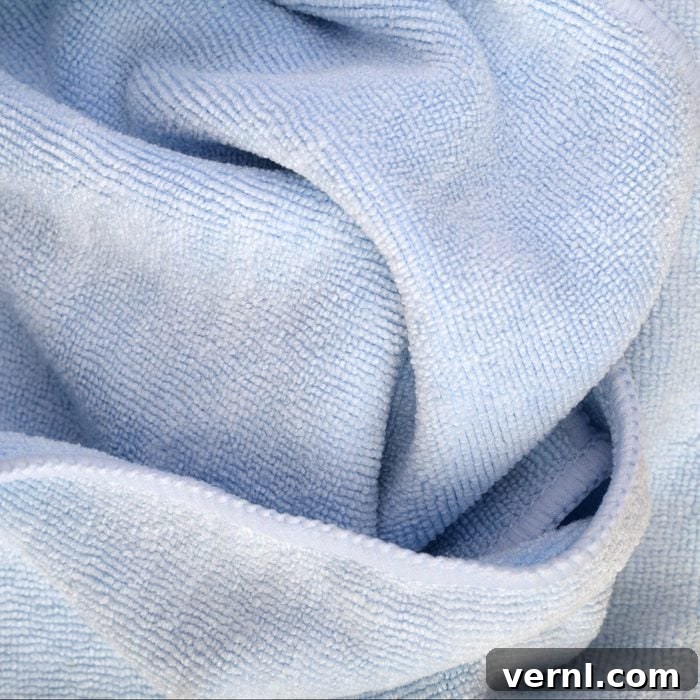
At their core, microfiber cloths are engineered from incredibly fine synthetic fibers, typically a blend of polyester and polyamide (nylon). These fibers are many times finer than a human hair, which allows them to capture microscopic particles that traditional cotton cloths often leave behind. As Vera Peterson, president of Molly Maid, a Neighborly company, explains, “Microfiber rags are mostly made of synthetic polyester, and, unlike cotton rags or paper towels, they leave no lint behind. They are usually knitted and very soft, which makes them generally safe for use even on painted surfaces.” This unique composition creates a vast surface area with millions of tiny hooks that effectively lift, trap, and hold dirt, dust, moisture, and even bacteria, delivering a superior clean with less effort and often fewer chemicals.
Unlocking the Versatility of Microfiber: When and Where to Use These Cleaning Powerhouses
It’s often easier to ask when not to use a microfiber cleaning cloth, given their incredible versatility. These indispensable tools excel across a vast array of tasks throughout the home, car, and office. As Peterson aptly puts it, “You can replace a microfiber cloth anywhere you’d use paper towels or a cotton rag.” Their exceptional absorbency, combined with their gentle yet effective cleaning action, makes them suitable for virtually any surface and any type of mess.
The Science Behind Superior Cleaning
Microfiber’s effectiveness stems from its unique structure. The split fibers create a positive electrostatic charge, acting like a magnet for negatively charged dust particles, hair, and other debris. When dampened, their capillary action allows them to absorb up to seven times their weight in liquid, making them far more efficient than conventional cloths for spills and drying. This microscopic architecture also ensures a streak-free finish, as the fibers effectively spread moisture evenly and absorb excess, preventing water spots and smudges.
A Spectrum of Applications: From Delicate Surfaces to Heavy-Duty Grime
- Kitchen Mastery: Microfiber cloths are essential for maintaining a pristine kitchen. Use them to wipe down countertops, stainless steel appliances, stovetops, and sinks, effortlessly tackling grease, food spills, and fingerprints. Their ability to capture grease without smearing is particularly valuable.
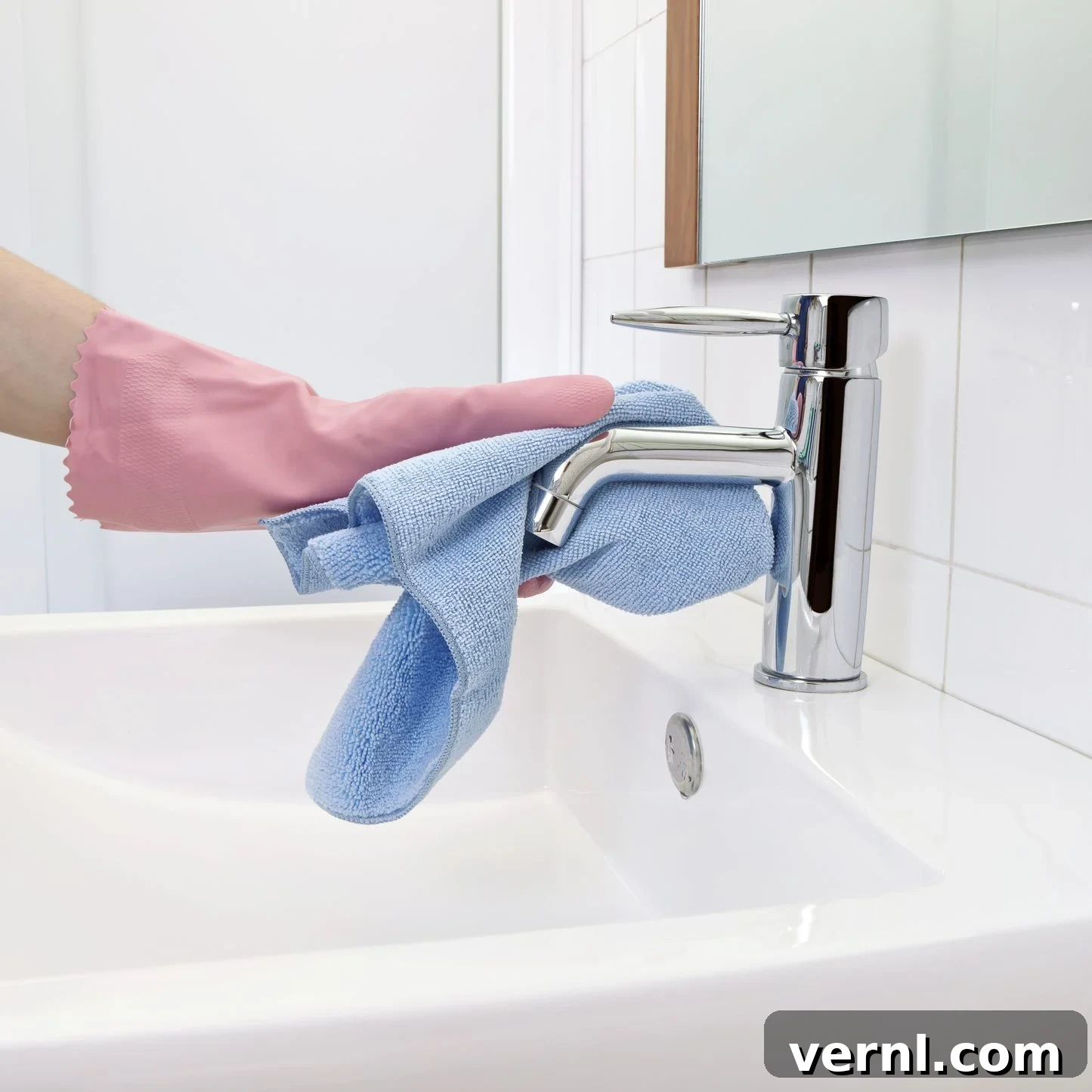
- Bathroom Brilliance: For bathrooms, microfiber shines in cleaning sinks, toilets, showers, and fixtures. They are particularly effective at removing soap scum and water spots, leaving surfaces sparkling clean.
- Dusting Dynamics: Dry microfiber cloths are unparalleled for dusting. Their electrostatic charge attracts and holds dust rather than scattering it, making them ideal for furniture, blinds, electronics, and delicate decorative items.
- Streak-Free Glass and Mirrors: When slightly dampened with water, microfiber cloths deliver an unmatched, streak-free shine on windows, mirrors, and glass tables without the need for chemical glass cleaners.
- Automotive Excellence: Car enthusiasts swear by microfiber for both interior and exterior cleaning. They’re perfect for dusting dashboards, wiping down upholstery, washing vehicle exteriors without scratching paint, and drying surfaces to a spotless finish.
- Electronics and Delicate Screens: As Kristiana Laugen, a home expert at Handy, points out, “For example, many people use suede-like microfiber cloths to clean laptop screens, camera lenses, or a pair of glasses.” The ultra-fine, gentle fibers prevent scratches while effectively removing smudges and dust.
- Floor Care: Paired with a suitable mop head, microfiber cloths are excellent for cleaning all types of flooring, from hardwood to tile, effectively picking up dirt and grime.
The Sanitization Advantage
One of the most compelling reasons for microfiber’s widespread adoption, especially in healthcare settings, is its remarkable ability to reduce bacteria. “Using microfiber rags eliminates up to 99 percent of bacteria — about three times the effectiveness of traditional cleaning cloths,” states Peterson. “This is why many hospitals have converted to microfiber cloths, towels and mops.” It’s important to clarify that the microfiber itself doesn’t kill germs; rather, its intricate fiber structure allows it to pick up and physically remove bacteria, viruses, and other microorganisms from surfaces with exceptional efficiency. While a disinfecting cleaner is still necessary to kill germs, microfiber significantly reduces the bacterial load on surfaces, promoting a healthier environment.
Choosing the Right Cloth for the Job
Not all microfiber cloths are created equal. Different weaves and densities are optimized for specific tasks. Rougher, denser cloths are better suited for grimy surfaces like toilets and sinks, providing more scrubbing power. Softer, flatter weaves are ideal for polishing and delicate surfaces. Investing in a microfiber cloth variety pack can ensure you have the right tool for every cleaning challenge.
Maintaining Your Microfiber: How to Clean a Microfiber Cleaning Cloth
The durability and reusability of microfiber cloths are significant advantages, but proper care is crucial to maintain their performance and longevity. Thankfully, cleaning them is straightforward. “The beauty of this cleaning tool is that you can throw it in the washing machine,” says Peterson.
The Washing Process
- Shake it Out: Before washing, give your used microfiber cloths a good shake outdoors to dislodge any loose dirt, dust, or debris. For heavily soiled cloths, a quick rinse under running water can also be beneficial.
- Wash Separately: It’s best to wash microfiber cloths separately from lint-producing items like cotton towels. The microfiber can attract and trap lint, which will diminish its effectiveness.
- Hot Water Wash: Wash in hot water. Hot water helps to open up the microfiber’s pores and release the dirt, grime, and oils trapped within the fibers.
- Use Mild Detergent: Opt for a mild laundry detergent. Avoid heavy-duty detergents that contain harsh chemicals, dyes, or strong perfumes, as these can leave residues that hinder performance.
- Skip Fabric Softener: This is perhaps the most critical rule. Never use fabric softeners with microfiber cloths. Fabric softeners contain waxes and oils that will clog the microscopic fibers, reducing the cloth’s absorbency and ability to attract dust. Over time, this can permanently damage the cloth’s structure.
- Avoid Bleach: Peterson cautions against using bleach. While it might seem like a good idea for sanitization, bleach can break down the polyester and polyamide fibers, significantly reducing the cloth’s quality and longevity.
Drying Techniques
Just as important as washing is the drying process. After washing, dry your microfiber cloths on a cool or low-heat setting in the dryer. High heat can melt the synthetic fibers, causing them to lose their effectiveness and potentially creating hard spots. Air drying is also an excellent option, especially for delicate cloths, as it ensures no heat damage. Ensure the cloths are completely dry before storing them to prevent mildew.
Pairing Microfiber with Cleaning Supplies
Microfiber cleaning cloths are remarkably versatile and compatible with most cleaning products. All-purpose sprays, glass cleaners, and even specialized bathroom or kitchen cleaners work effectively when paired with microfiber. However, one of the most surprising and eco-friendly aspects of microfiber is its ability to perform exceptionally well with just water.
“However,” Peterson notes, “you’d be surprised how well simply dampening the cloth with warm water works!” For many tasks, such as cleaning mirrors, polishing stainless steel, or wiping down countertops, warm water is all you need. The unique structure of the microfiber is so efficient at picking up dirt and grime that additional chemicals are often unnecessary, making it a greener and healthier choice for your home.
Supplies to Avoid (and Why)
- Bleach: As mentioned, bleach can degrade the integrity of the microfiber, shortening its lifespan.
- Heavy Oil-Based Cleaners: While microfiber can clean up oils, using excessive amounts of oil-based cleaners can clog the fibers and make the cloth harder to clean thoroughly.
- Harsh Solvents: Avoid strong solvents unless specifically recommended for a particular task, as they can also damage the synthetic fibers.
Mastering Microfiber: Essential Tips and Tricks for Optimal Cleaning
To truly harness the power of your microfiber cleaning cloths and ensure they deliver peak performance for years to come, incorporate these expert tips from Peterson and other seasoned cleaners into your routine:
- Kitchen Grease Buster: Keep a dedicated microfiber cloth readily available in your kitchen. It’s perfect for quickly cleaning grease and spills around your stove and countertops, effortlessly cutting through sticky residues.
- Strategic Spraying, Not Soaking: When cleaning floors or large surfaces, avoid saturating the microfiber cloth or mophead. It’s far more effective to lightly spray the cleaner directly onto the surface and then wipe with a slightly damp cloth. This prevents over-wetting and ensures a more even clean.
- Protect Delicate Surfaces: Always use a fresh, clean cloth on scratch-prone surfaces like windows, polished wood, or high-gloss finishes. Even tiny leftover dirt or debris trapped in a previously used cloth can potentially leave a mark or fine scratch.
- Efficient Dusting Technique: For optimal dust collection, lightly mist your dry microfiber cloth with water. The slight dampness enhances its ability to attract and hold even the finest dust particles, preventing them from being redistributed into the air.
- Earbud Revival: Don’t neglect those often-used items. Dampen a corner of a microfiber cloth in a little soapy water (a tiny drop of mild dish soap works wonders) and gently scrub neglected earbuds to remove grime. Immediately follow up by wiping them clean and dry with a fresh, dry section of the cloth.
- Color-Coding for Hygiene: Implement a color-coding system for your microfiber cloths. Assign different colors for specific areas (e.g., blue for glass, yellow for kitchen, green for bathroom, red for highly soiled areas). This prevents cross-contamination and promotes a more hygienic cleaning process.
- Fold for Maximum Surface: Instead of wadding up your cloth, fold it into quarters or eighths. This gives you multiple clean surfaces to work with before needing a fresh cloth, maximizing efficiency and minimizing laundry.
- Gentle Wiping Strokes: Use a consistent, overlapping wiping motion, such as an S-stroke, to ensure every part of the surface is cleaned. Avoid scrubbing too aggressively on delicate surfaces unless specifically tackling a stubborn spot.
- Regular Replacement: While durable, microfiber cloths don’t last forever. Over time, constant washing and use will cause the fibers to break down. When cloths start to lose their absorbency or feel less effective, it’s time to replace them.
Microfiber cleaning cloths are more than just a cleaning tool; they are a smart investment in efficiency, hygiene, and environmental responsibility. By understanding their unique properties and following these best practices for use and care, you can elevate your cleaning routine, achieve pristine results, and enjoy a cleaner, healthier living space.