
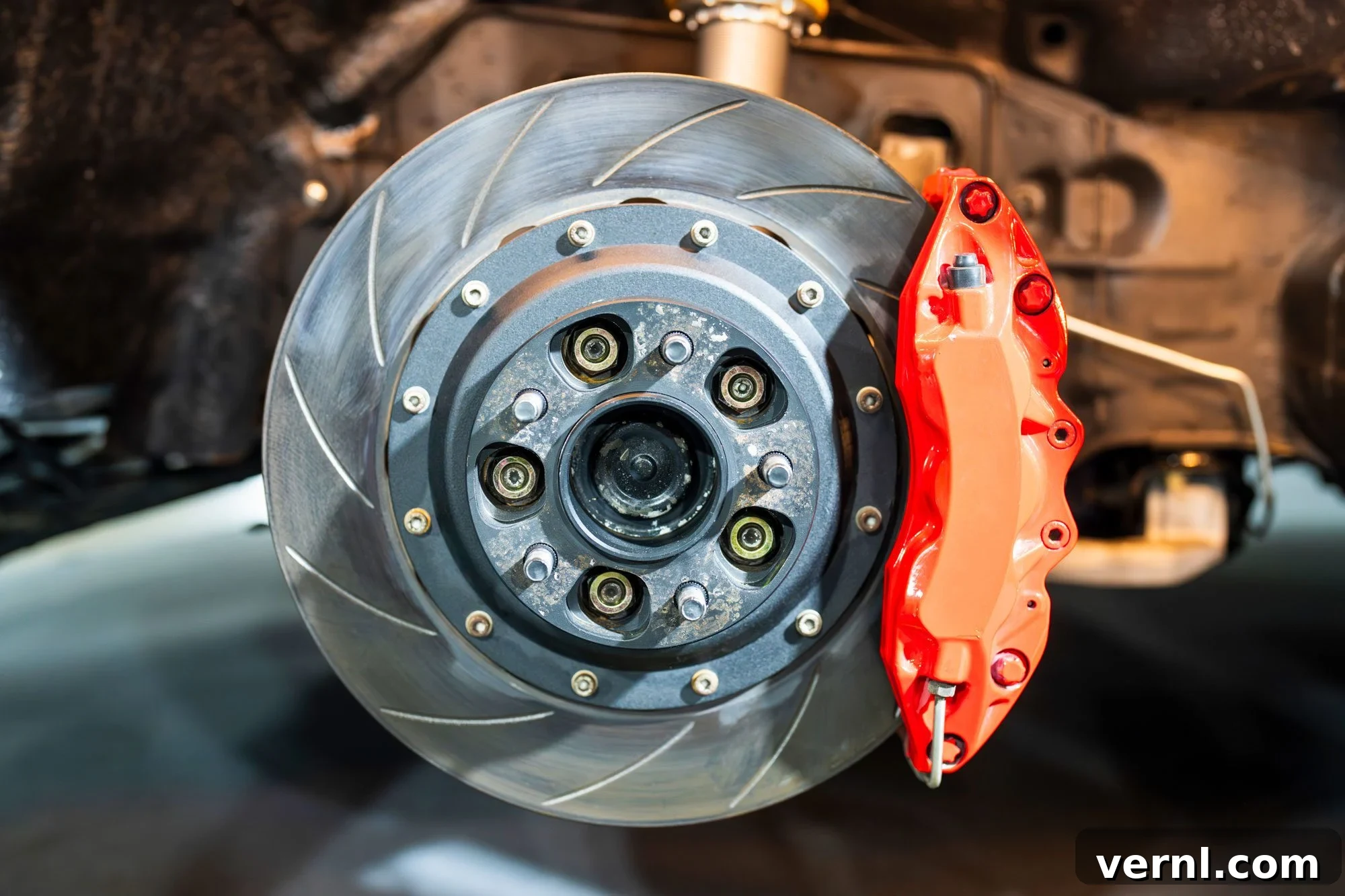
With over five decades of hands-on experience as a master auto technician, vocational educator, and dedicated vehicle owner, I’ve developed a profound appreciation for the intricate dance of a vehicle’s braking system, particularly the critical role played by the calipers. It’s this deep understanding that compels me to advocate for proactive maintenance, often replacing components like brake pads well before they reach their absolute limit. I’ve witnessed firsthand how relentless exposure to extreme heat, abrasive road grime, corrosive salt, and the inevitable march of rust and corrosion can utterly devastate brake pads, rotors, and especially calipers, leading to harrowing and entirely preventable accidents. This stark reality underscores the absolute necessity of visually inspecting brake calipers for any potential issues during every routine maintenance check. Never forget: your car’s brakes are not just a component; they are its paramount safety system, deserving of your unwavering attention.
To help you safeguard this vital system, here are invaluable insights and actionable tips from seasoned master automotive technicians. These strategies are designed to help you keep your disc brake calipers, along with your disc brake pads and rotors, in optimal health, significantly extending their operational lifespan and ensuring your continued safety on the road.
What Is a Brake Caliper and How Does It Function?
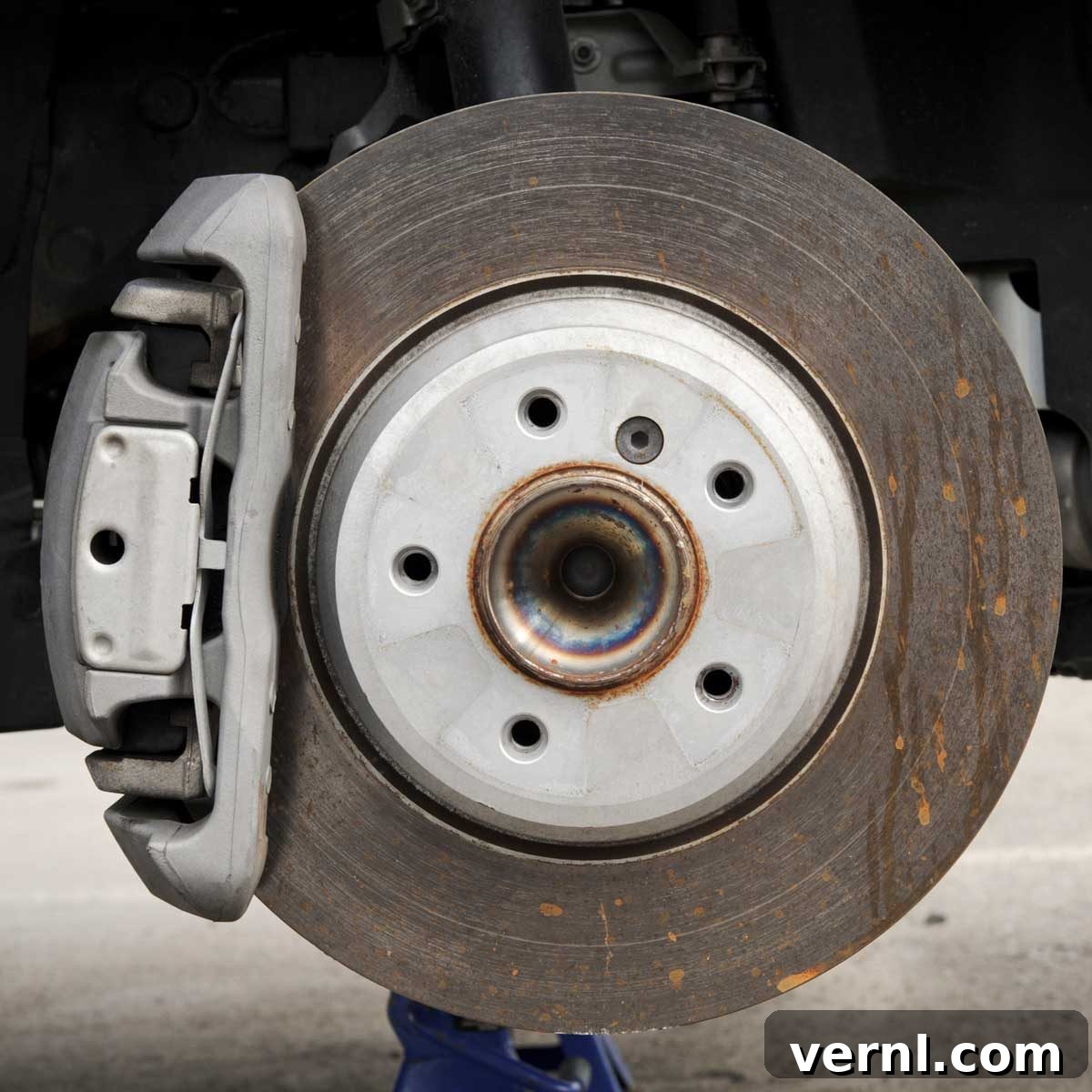
The brake caliper, a robust and essential component, is securely bolted to the vehicle’s steering knuckle. Its design is elegantly simple yet profoundly effective, serving two fundamental purposes that are critical to your vehicle’s stopping ability. Firstly, it acts as a housing unit, cradling the friction material – the disc brake pads – in perfect alignment with the rotating disc brake rotor. Secondly, and most dynamically, the caliper is the mechanism responsible for translating hydraulic pressure into mechanical force.
When you engage the brake pedal, you initiate a chain reaction of pressurized brake fluid, originating from the master cylinder. This fluid travels through hydraulic lines and enters the caliper, where it acts upon a piston (or multiple pistons, depending on the caliper design). Under this immense pressure, the piston extends, forcefully clamping the brake pads against both sides of the spinning disc brake rotor. This action generates the necessary friction to slow down and ultimately stop the vehicle.
The energy created by the pads pushing against the rotor manifests as intense heat, a direct result of friction. This heat is a byproduct of converting kinetic energy (motion) into thermal energy. This frictional force progressively slows the rotation of the rotor and, consequently, the attached wheel, bringing your car to a controlled and safe halt. Understanding this intricate interplay between hydraulic pressure, friction, and heat dissipation is key to appreciating the engineering marvel that is your vehicle’s braking system.
What Happens When a Brake Caliper Fails or Goes Bad?
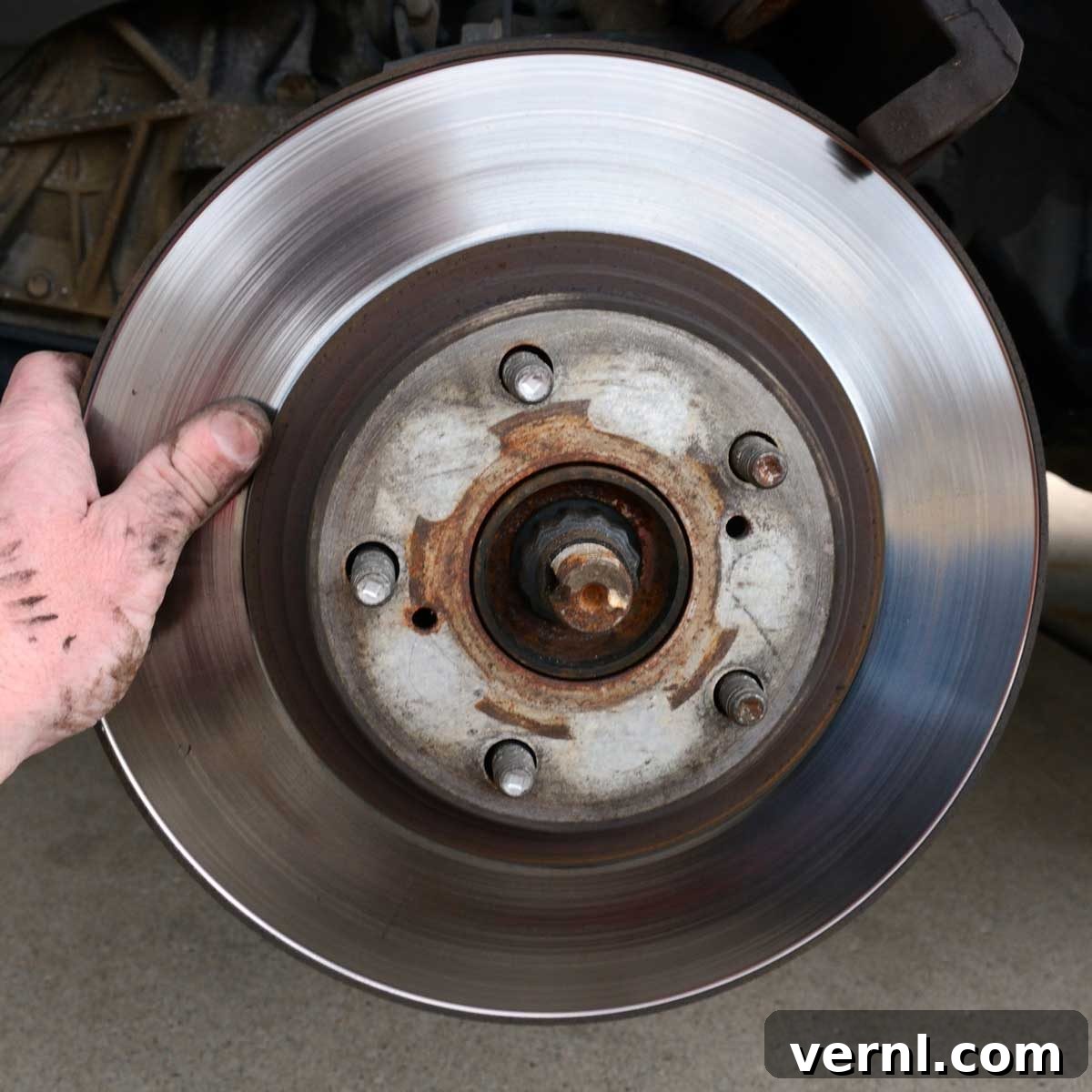
One of the earliest and most telling indicators that your brake calipers are experiencing issues or are on the verge of failure is the premature or unusually frequent wear of brake pads and rotors. If you find yourself replacing these components more often than anticipated, it’s a strong signal to investigate your calipers. According to ASE Master Technician and Mazda Senior Certified Technician and Trainer, Tom Diamond, the predominant cause of damaged calipers stems from driving with severely overheated or excessively worn-out brake pads, or from the adverse effects of warped disc brake rotors. These conditions create an environment of extreme thermal stress that calipers are not designed to indefinitely withstand.
Beyond the friction components themselves, several other factors contribute significantly to caliper degradation. These include worn, loose, defective, missing, or improperly lubricated brake mounting hardware. Specifically, brake anti-rattle clips, caliper slide pins, and shims are critical. When these components fail to perform their function, they lead to an array of problems. Bad caliper hardware can cause brake pads to wear unevenly and at an accelerated rate, compromising the braking efficiency and creating more heat. Crucially, these hardware deficiencies prevent the brake system from efficiently dissipating the tremendous heat generated by friction. This trapped heat is a direct antagonist to caliper health, leading to internal damage and potential malfunction. As Tom Diamond emphasizes, “Cleaning or replacing and adequately lubricating caliper hardware is just as important, if not more so, than merely installing new brake pads.” This highlights the often-overlooked necessity of thorough hardware maintenance during any brake service.
When brake pads can no longer effectively insulate the caliper from excessive heat, the consequences can be severe and multifaceted:
- Brake Fluid Degradation: Damaging heat can bypass the caliper piston and transfer directly to the brake fluid. This elevated temperature causes the fluid to degrade, reducing its boiling point. If the fluid boils, it forms vapor bubbles within the hydraulic system, leading to a spongy brake pedal, a condition known as brake fade, or in extreme cases, complete brake failure. This poses an immediate and significant safety risk.
- Piston Damage and Seizing: The caliper piston itself is highly susceptible to heat damage. Prolonged exposure to extreme temperatures can cause the piston to corrode, warp, or seize within its bore.
- Stuck in Retracted Position: If the piston becomes stuck in its retracted position, that particular wheel will lose a substantial portion, if not all, of its braking ability. This creates an imbalance in braking force across the vehicle, leading to dangerous pulling or extended stopping distances.
- Stuck in Engaged Position: Conversely, if the piston seizes in the engaged position, the brake pads will remain clamped against the rotor even when the brake pedal is released. This results in the wheel locking up or severely overheating. The constant friction generates immense heat, potentially damaging the rotor, pads, and even the wheel bearings, until the caliper is freed or replaced. This condition can also drastically reduce fuel economy and accelerate tire wear.
Recognizing these potential failure points and their causes is the first step in preventative maintenance, ensuring the long-term health and reliability of your vehicle’s braking system.
How to Tell If a Brake Caliper Is Bad: Key Warning Signs
Identifying a failing or failed brake caliper early can prevent further damage and ensure your safety. The symptoms often manifest in distinct ways, signaling that immediate attention is required. Pay close heed to the following warning signs:
- Acrid Odors from the Wheels: A strong, burning chemical smell emanating from one or more wheels often indicates overheating brake components. This is typically the smell of extremely hot brake pads, rotors, or even seized caliper components generating excessive friction.
- Brake Fluid Leaks: Any visible leakage of brake fluid around the caliper area, especially near the piston seals or bleed screw, points to a compromised hydraulic seal. This will reduce hydraulic pressure, leading to a spongy pedal and diminished braking power.
- Brake Locking Up When Stopping: If a wheel unexpectedly locks up, especially during moderate braking, it could mean a caliper piston is seized in an extended position, causing constant friction. This is extremely dangerous, leading to loss of control.
- Brake Pedal Pulsing Up and Down While Stopping: A pulsating brake pedal often indicates warped rotors, which can be a secondary effect of an overheating or dragging caliper. The uneven surface of the rotor causes pressure fluctuations in the hydraulic system.
- Collapsed Brake Hoses: The rubber brake hoses can internally collapse over time, acting like a one-way valve. This traps pressure in the caliper, causing it to drag even when the pedal is released, leading to overheating.
- Dragging Brakes: This symptom implies that one or more calipers are not fully retracting after the brake pedal is released. You might feel resistance when accelerating, notice a burning smell, or see excessive heat coming from the affected wheel.
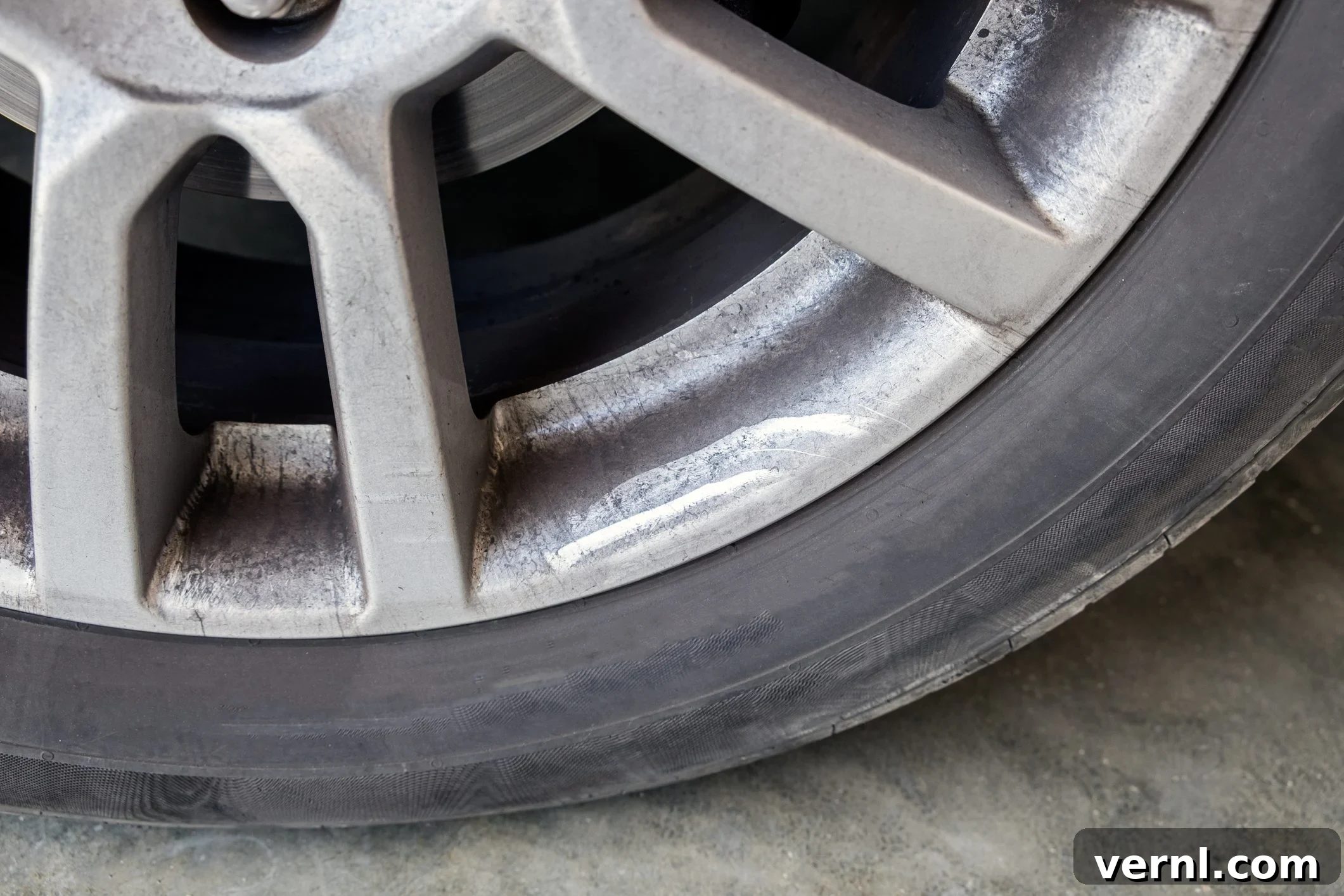
- Excessive Brake Dust: While some brake dust is normal, an unusual amount, especially concentrated on one wheel, can signify a dragging caliper causing accelerated pad wear.
- Fading Brake Pedal Due to Overheated Brake Fluid: If your brake pedal feels “soft” or requires more effort to achieve braking, particularly after heavy braking, it suggests that the brake fluid has become overheated and may be boiling, causing vapor lock.
- Noises (Rattling, Grinding, Squeaking) When Driving, Turning or Stopping:
- Grinding: A metallic grinding sound often indicates metal-on-metal contact, usually meaning brake pads are completely worn down, or a caliper is seized and dragging severely.
- Squeaking: While common for new pads, persistent squeaking can signal worn pads, issues with anti-rattle clips, or a sticking caliper.
- Rattling: Loose caliper components or mounting hardware can cause rattling noises, especially over bumps or during turns.
- Overheated Brake Pads: Visually, brake pads may appear scorched, cracked, or excessively worn, indicating they are operating under extreme thermal conditions, often due to a dragging caliper.
- Premature or Uneven Brake Pad Wear: If one brake pad wears out significantly faster than others, or if a single pad within a caliper wears unevenly, it’s a strong indicator of a faulty caliper piston or slide pins.
- Pulling to One Side When Driving or Braking: If your vehicle consistently pulls to one side, particularly during braking, it suggests an imbalance in braking force. This can be caused by a caliper on one side not engaging or disengaging properly, creating uneven drag.
- Steering Wheel Vibration When Slowing or Stopping: While often linked to warped rotors, this vibration can also stem from a malfunctioning caliper causing uneven friction or localized overheating on the rotor.
Additionally, be aware of these bad brake booster symptoms, as they can sometimes be confused with caliper issues, though they present different underlying problems.
How to Maintain Brake Calipers for Extended Life
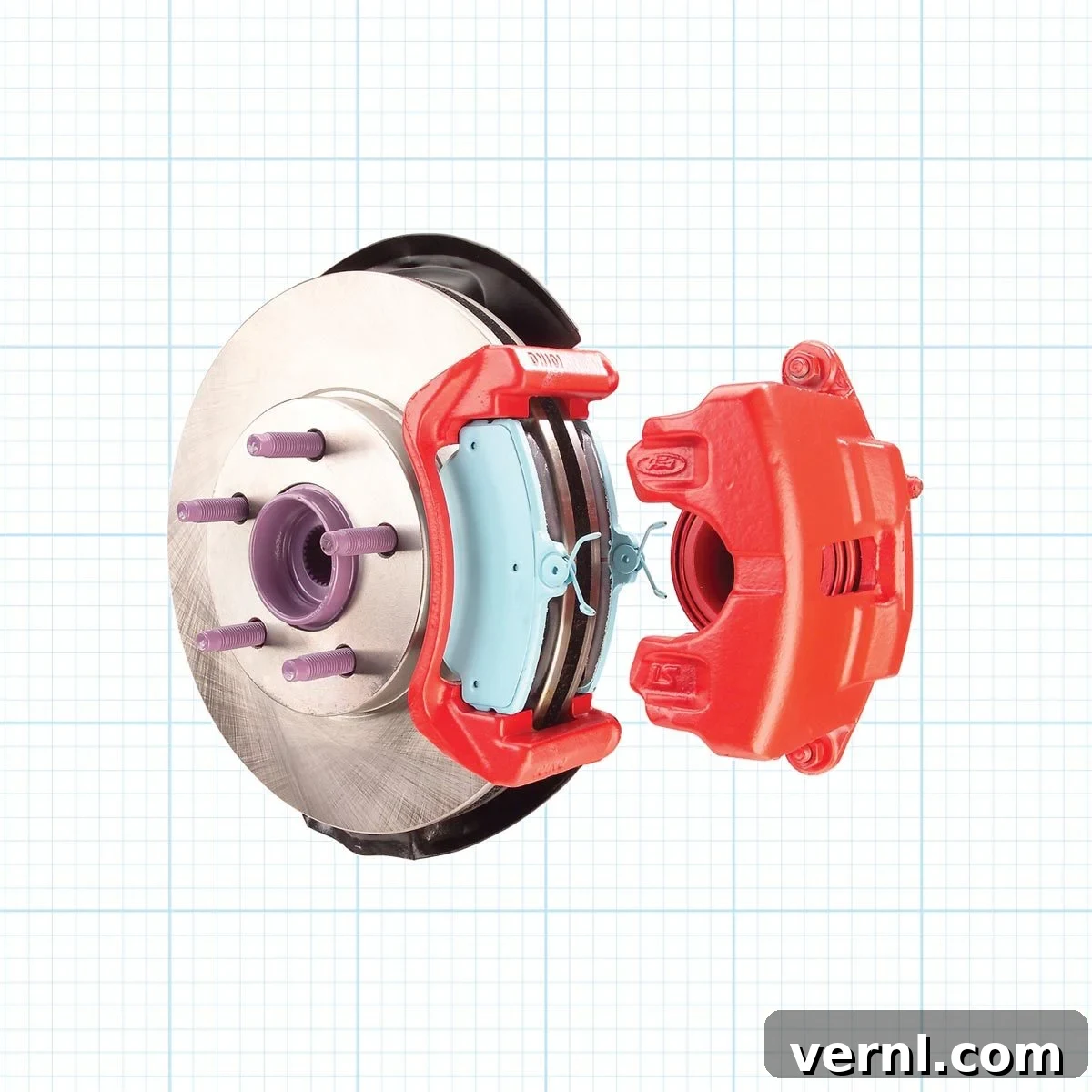
Proactive maintenance is the cornerstone of extending the life of your brake calipers and ensuring reliable stopping power. Tom Diamond recommends a diligent inspection routine: every time you change your oil or rotate your tires, take the opportunity to thoroughly inspect key components. This includes brake caliper hardware such as bushings, anti-rattle clips, retainers, and insulation shims, as well as the caliper mounting bolts. Critically, examine the brake pads themselves for wear patterns, and scrutinize all rubber components – including brake hoses, seals, O-rings, and dust boots – for any visible signs of tearing, cracking, or abnormal wear and tear. Equally important is checking for the presence of rust and corrosion, which can severely impede component movement and overall system performance.
Beyond the caliper itself, a comprehensive visual inspection of the disc brake rotors is paramount. Diamond advises, “Taking a good look at the brake rotors for hot spots, cracks, deep grooves, scoring, excessive rust, pitting, warping, or excessive glazing will significantly increase driving safety and substantially lessen future repair bills.” Hot spots indicate localized overheating, cracks are a serious structural integrity issue, deep grooves and scoring reduce braking effectiveness, and rust/pitting degrade the friction surface. Warping causes vibration, and glazing reduces friction. All these conditions compromise the brake system’s ability to dissipate heat and stop effectively. Furthermore, flushing brake fluid regularly is a critical, often overlooked, maintenance task. Brake fluid is hygroscopic, meaning it absorbs moisture over time. This moisture reduces the fluid’s boiling point, leading to brake fade, and also promotes internal corrosion within the braking system, including the delicate internal components of the calipers. Regular flushing ensures clean fluid, maintaining optimal hydraulic performance and significantly increasing caliper life expectancy.
FAQ: Your Brake Caliper Questions Answered
How long do brake calipers last?
“It depends,” says Tom Diamond. “There is no recommended mileage or specific time frame for replacing disc brake calipers universally.” The lifespan of a brake caliper can indeed be remarkably long, potentially lasting for the entire duration you own your vehicle, provided proper maintenance and favorable operating conditions. However, various environmental and driving factors significantly influence this longevity.
For instance, if you reside in the “salt belt” – regions where road salts are heavily used during winter – or in areas characterized by extreme climate conditions (very hot or very cold), you can generally expect a reduced lifespan. Similarly, frequent off-road driving, operating in harsh, dusty, or dirty environments, or primarily engaging in stop-and-go city driving (which subjects brakes to more frequent and intense heat cycles) will accelerate wear. In these challenging conditions, calipers might realistically last between 75,000 to 100,000 miles, although some can fail sooner or last longer. Conversely, calipers on vehicles driven mostly in mild climates with highway mileage and diligent maintenance can easily exceed these figures.
In my extensive experience, the primary culprits behind premature caliper failures are consistently linked to a few preventable issues: failing to regularly flush away corrosive road salts and grime, allowing brake friction material to wear excessively below the critical 4/32 inches (3 mm) threshold, allowing hardware to corrode due to a lack of proper brake grease application, and the common but damaging mistake of overtightening mounting bolts, which can stress and distort components.
Can you paint brake calipers (and why)?
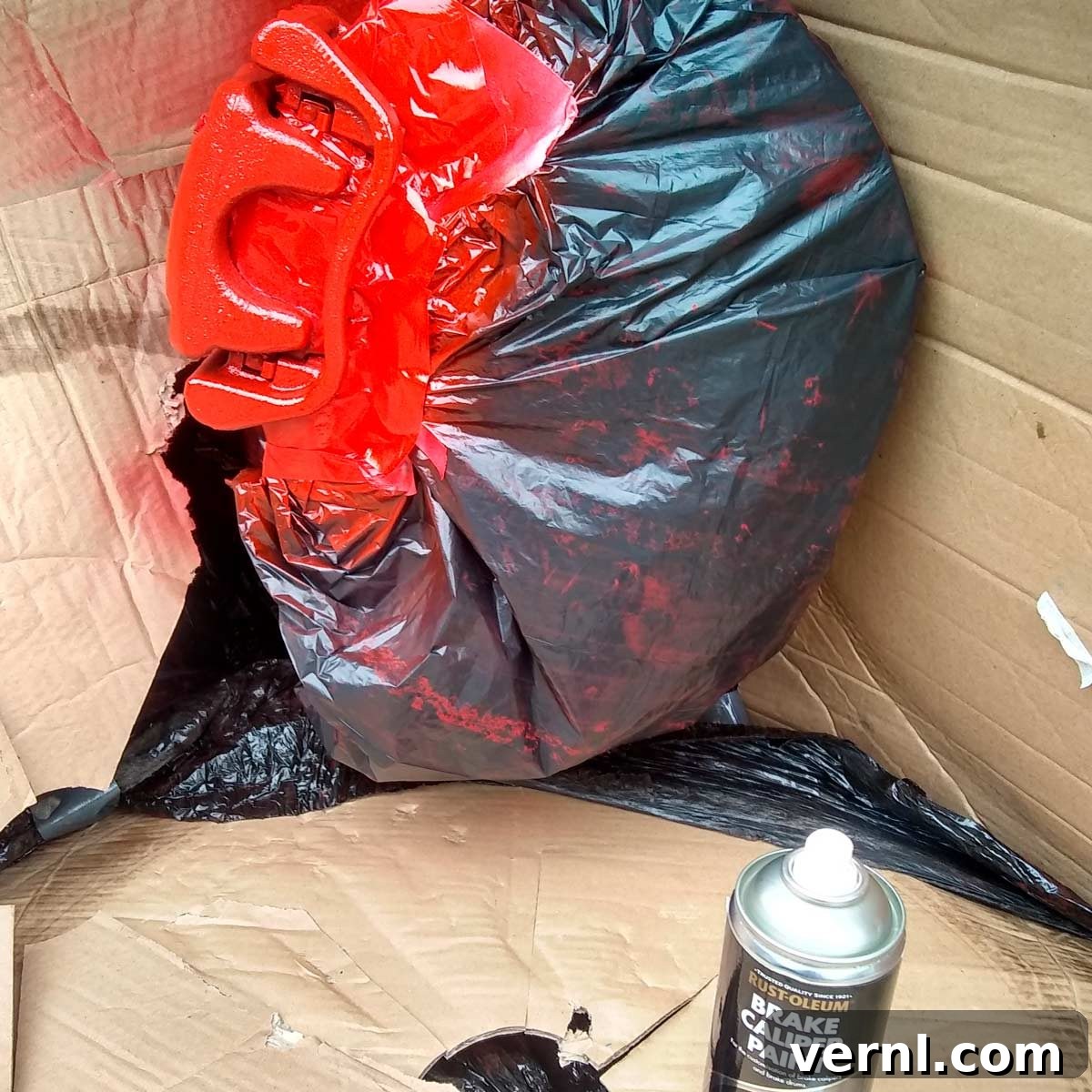
“Absolutely!” exclaims Bob Hunter, an ASE and I-CAR certified body collision and paint expert. The most common and compelling reason to paint brake calipers is aesthetic enhancement. Painting calipers allows vehicle owners to customize their ride, adding a personal touch and significantly improving the visual appeal behind open-spoke wheels. A fresh, vibrant coat of paint can transform an otherwise industrial-looking component into a striking visual feature.
Beyond the undeniable aesthetic benefits, Hunter points out a crucial practical advantage: “Consequently,” he notes, “painting calipers also provides a vital layer of protection against rust and corrosion.” High-quality caliper paint, specifically formulated to withstand the extreme temperatures and harsh environmental conditions that brakes endure, creates a durable barrier. This protective layer shields the caliper’s metal surfaces from moisture, road salts, brake dust, and other corrosive elements, effectively prolonging the caliper’s life and maintaining its structural integrity. It’s a dual benefit: enhancing curb appeal while simultaneously bolstering durability.
Where do you use caliper grease during a brake job?
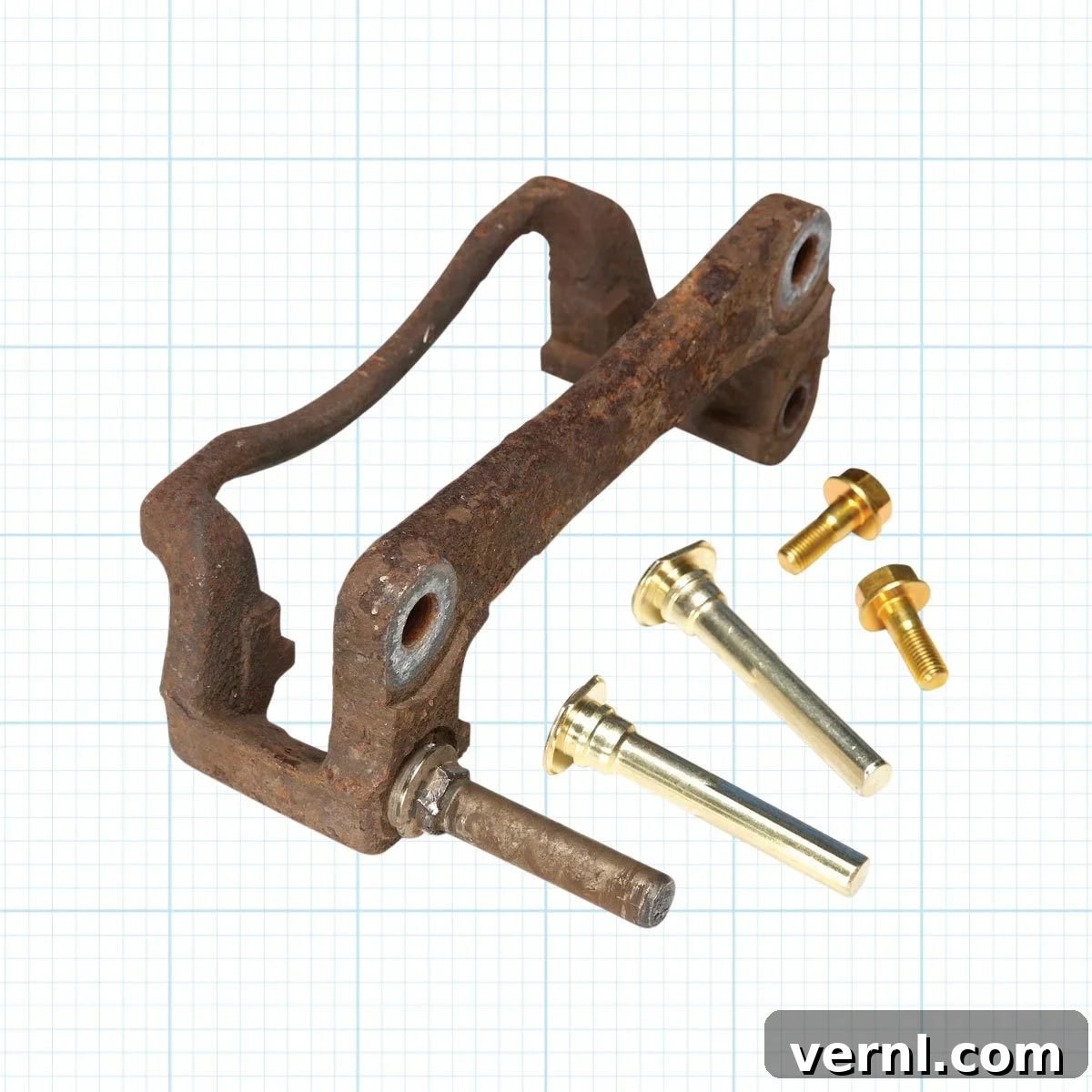
Proper lubrication is paramount during a brake job, especially when replacing brake pads, to ensure smooth operation, prevent noise, and extend component life. Using the correct type of brake caliper grease (typically a synthetic, high-temperature, non-petroleum-based lubricant) in the right places is crucial:
- Apply a coating of brake caliper grease to specific contact and movement points. This includes the caliper housing where the brake pads slide, the steering knuckle mounting surfaces, the contact points between the brake pads and the caliper/carrier, and critical rubber components like dust boots and bushings. Crucially, lubricate the mounting bolt shafts (but avoid the threads, which should remain dry for proper torque readings) and the guide pins. These applications ensure the caliper and pads can move freely, retract fully, and prevent metal-on-metal seizing.
- Additionally, when installing new brake pads, always replace all the brake hardware. This includes anti-rattle clips, shims, and any other components designed to facilitate movement and reduce noise. If a hardware kit isn’t supplied with your new pads, it is imperative to purchase a direct-fit/replacement hardware kit specifically designed for your vehicle. Worn or corroded hardware is a common cause of brake noise and uneven wear.
- Clean all contact surfaces thoroughly. Before assembly, use a stiff wire brush to remove any rust, old grease, and debris from all contact surfaces on the caliper, caliper bracket, and steering knuckle. After brushing, flush these areas with a non-chlorinated brake cleaner to ensure they are perfectly clean and ready for lubrication and new hardware.
- Exercise caution with certain components. Do not use sandpaper or a wire brush on caliper bushings or any brake hardware made of polished or stainless steel. Abrasive cleaning methods can break through the hardened, smooth finish of these components, making them more susceptible to future rust and corrosion, and compromising their designed low-friction operation. Once these particular components show signs of rust or corrosion, they generally need to be replaced, as it’s nearly impossible to prevent them from recurring rust after their protective surface has been compromised.
- Finally, always use a torque wrench to tighten the caliper mounting bolts and any other critical fasteners. Caliper bolts are subject to specific torque specifications designed to ensure they are secure without being overtightened, which can warp components or strip threads. Incorrect torque can lead to loose calipers, uneven braking, or even catastrophic failure.
About The Experts
- Thomas Diamond boasts over 30 years of invaluable experience in the automotive repair industry. His extensive career spans roles as a skilled technician, a certified original equipment manufacturer (Mazda) trainer, and a dedicated shop supervisor. He has held the prestigious title of ASE Master Technician for over 25 years, a credential complemented by his ASE L1 advanced automotive engine performance certification. Furthermore, Thomas is certified by the PA Department of Transportation as a state safety, emissions, and reconstructed vehicle inspector, and is also a certified welder, showcasing a broad and deep expertise in automotive mechanics.
- Bob Hunter brings more than 30 years of hands-on experience as a respected autobody and painting technician. He is an ASE Master and I-CAR ProLevel Technician, signifying his mastery in collision repair and refinishing. Currently, Bob serves as a Pennsylvania Department of Education certified Auto Collision instructor at the North Montco Technical Career Center in Lansdale, PA, where he educates the next generation of automotive professionals. During his summer breaks, Bob passionately dedicates his time to automotive restoration, having successfully restored numerous classic cars that have achieved recognition and sales at prestigious events like the Barret-Jackson Auctions.
Sources
- Dorman Products, Shop Press: “Rust belt vs salt belt: Do you know the difference?” July 23, 2024.
- Duffy, J. (2014). Modern Automotive Technology (8th ed., pp. 1639-1653). The Goodheart-Willcox Company, Inc., Tinley Park, IL.