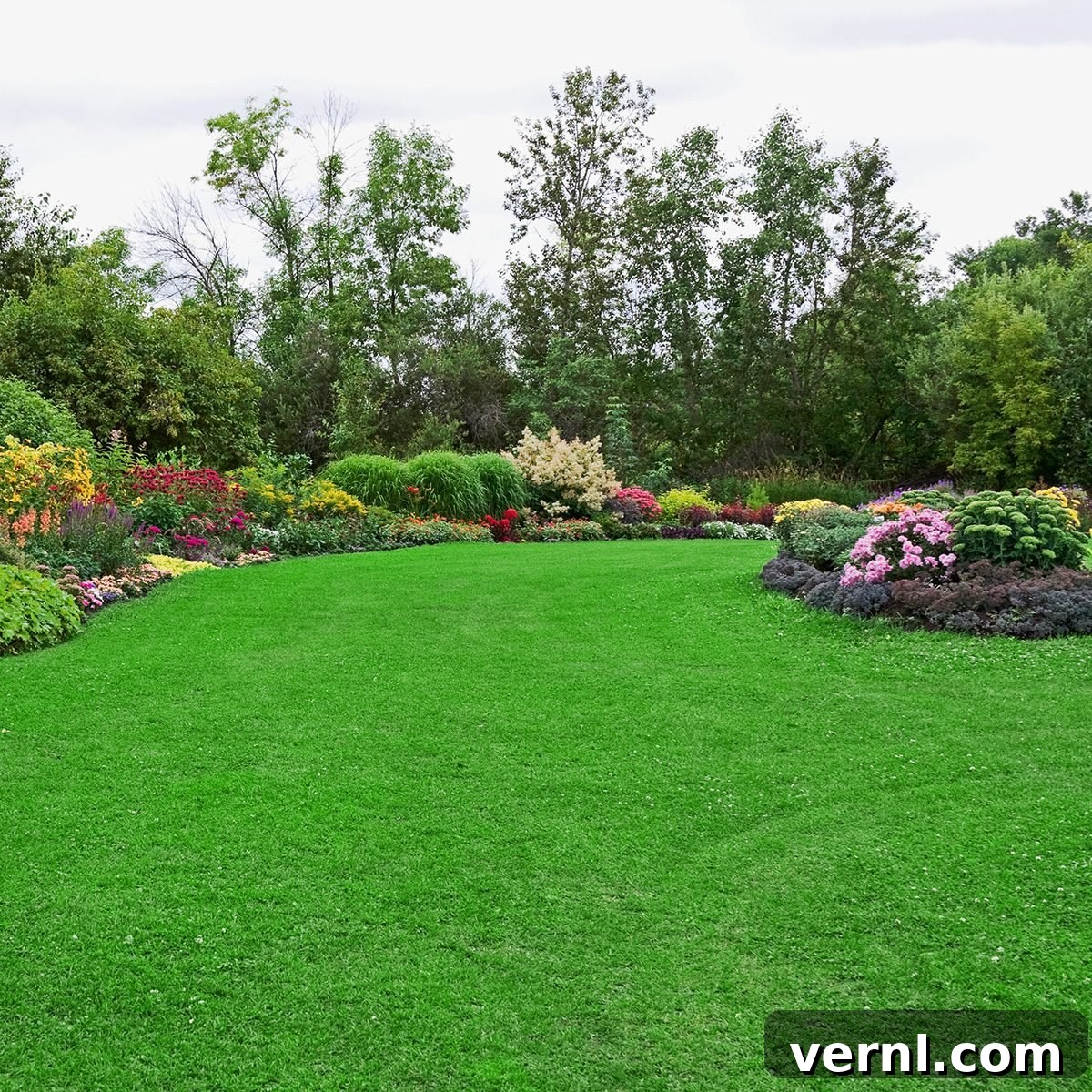
Weeds: Stop the Spread and Cultivate a Pristine Lawn
A beautiful, healthy lawn is often the pride of a homeowner, but the relentless invasion of weeds can quickly turn that pride into frustration. Weeds are more than just an eyesore; they compete with your desirable grass for essential nutrients, water, and sunlight, ultimately weakening your lawn and making it more susceptible to diseases and pests. Understanding how to effectively identify, prevent, and eliminate these unwelcome guests is crucial for maintaining a lush, green outdoor space.
The battle against weeds begins with prevention. A strong, dense lawn is naturally the best defense against weeds. This means ensuring your grass is healthy through proper mowing, watering, and fertilization. Mowing at the correct height (typically higher for most grass types) encourages deeper root growth, making the lawn more resilient. Regular, deep watering promotes a robust root system, while light, frequent watering can encourage shallow-rooted weeds. Furthermore, applying the right fertilizer at the appropriate times provides your grass with the nutrients it needs to outcompete weeds.
Even with the best preventative measures, some weeds are bound to appear. Identifying the type of weed is the first step towards effective eradication. Common lawn weeds include dandelions, clover, crabgrass, and spurge. Each has its own growth habits and vulnerabilities. For instance, broadleaf weeds like dandelions are often best tackled with selective herbicides that target them without harming your grass. Grassy weeds like crabgrass, on the other hand, require different approaches, often involving pre-emergent herbicides applied in early spring to prevent their seeds from germinating.
Beyond chemical solutions, there are numerous eco-friendly and mechanical methods. Hand-pulling can be effective for a small number of weeds, especially those with taproots. Ensuring you remove the entire root is key to preventing regrowth. For larger infestations, natural alternatives like horticultural vinegar or specialized organic weed killers can be effective, though they often require careful application and may not be selective, meaning they can harm your grass if not used properly. Understanding the efficacy and potential drawbacks of different methods, such as whether household bleach is a viable or safe option, is vital for making informed decisions that protect both your lawn and the environment.
Sometimes, what appears to be a weed might be something else entirely, like mushrooms. While mushrooms can be unsightly, they are often a sign of healthy soil rich in organic matter, and usually harmless to your lawn. They are the fruiting bodies of fungi that break down decaying material in the soil, returning nutrients to the earth. Most will disappear on their own, but persistent growth might indicate excessive moisture or underlying decaying wood. Learning to differentiate between genuine weed threats and other benign occurrences in your lawn empowers you to manage your yard more effectively and sustainably.
Ultimately, a comprehensive weed management strategy combines proactive prevention, accurate identification, and targeted treatment. By regularly monitoring your lawn, adopting proper cultural practices, and choosing the right control methods, you can significantly reduce weed pressure and enjoy a healthier, more vibrant lawn throughout the seasons. This ongoing effort will not only enhance the aesthetic appeal of your property but also contribute to a stronger, more resilient turf that can withstand environmental stresses and remain the envy of the neighborhood.
Mastering Grass Growth: Achieve a Lush, Vibrant Lawn
The foundation of any spectacular yard is a healthy, thriving lawn. Achieving that dense, emerald carpet doesn’t happen by chance; it requires understanding the science behind grass growth and implementing consistent, effective care practices. From selecting the right seed to perfecting your watering routine, every step plays a critical role in cultivating the lawn of your dreams.
One of the most impactful ways to revitalize or establish a lawn is through planting grass seed. The best way to plant grass seed involves careful preparation of the soil, ensuring it’s loose, aerated, and has adequate nutrients. Timing is also crucial; spring and early fall are generally the most favorable seasons, as temperatures are mild and rainfall is often sufficient to aid germination. Spreading the seed evenly, followed by a light covering of soil or compost, creates the ideal environment for successful growth. Proper soil contact and consistent moisture are non-negotiable for high germination rates and a successful establishment of new turf.
However, simply buying grass seed isn’t enough; its viability is paramount. Grass seed, much like any living product, can go bad if not stored correctly or if it’s too old. Understanding why grass seed goes bad involves factors like moisture exposure, extreme temperatures, and age, which can all significantly reduce its germination potential. Always check the packaging for expiration dates and ensure you store any leftover seed in a cool, dry place to maximize its longevity. Using fresh, high-quality seed dramatically increases your chances of achieving a dense, healthy lawn from the outset.
Once your grass seed is down, the most critical phase for its survival and growth is proper watering. Bringing new grass seed to life with these watering tips means providing consistent moisture without oversaturating the soil. New seeds need to be kept moist almost continuously until they germinate, often requiring light watering multiple times a day. As the seedlings grow, you can gradually transition to less frequent but deeper watering sessions, encouraging roots to grow deeper into the soil, making the grass more drought-tolerant and resilient. Too little water, and the seeds won’t sprout; too much, and they can rot or be washed away.
Even with meticulous care, certain areas of a lawn present unique challenges. One common struggle for many homeowners is why grass won’t grow under your trees. The dense shade, competition for water and nutrients from tree roots, and falling debris often create harsh conditions for most lawn grasses. Solutions include selecting shade-tolerant grass varieties, improving soil quality, raising the tree canopy, or even embracing alternative ground covers or landscaping features in these difficult spots. Addressing these specific environmental factors is key to fostering growth in areas that typically struggle.
Beyond these specific challenges, general ongoing care is essential for sustained grass growth. This includes a consistent fertilizing schedule tailored to your grass type and soil needs, regular mowing at the optimal height, and aeration to reduce soil compaction. By understanding and implementing these comprehensive strategies for grass growth, you can transform your lawn into a vibrant, robust green space that enhances your home’s curb appeal and provides a perfect setting for outdoor activities.
Landscaping Wisdom: Transforming Your Outdoor Space
Beyond the basics of weed control and grass growth, lies the expansive world of landscaping – an art and science dedicated to creating beautiful, functional, and sustainable outdoor environments. Landscaping wisdom encompasses everything from routine lawn maintenance to ambitious yard transformations, all aimed at enhancing your home’s curb appeal and improving your quality of life.
A common aspiration for many homeowners is to achieve a lawn that stands out, often sparking the question: why is my neighbor’s lawn greener than mine? The answer usually involves a combination of factors including soil health, proper fertilization, consistent watering, and effective pest and disease management. A truly lush, green lawn is a result of understanding your soil’s unique composition, providing the right balance of nutrients, and ensuring adequate hydration without overwatering. It’s about creating an optimal environment where grass can truly thrive, and often, a little friendly competition encourages everyone to step up their game.
As we age, the physical demands of maintaining a sprawling lawn can become challenging. There comes a point when considering whether you are too old to mow your own lawn is a practical and important question. Experts weigh in on this topic, suggesting that it’s not strictly about age, but rather about physical capability, safety, and the risk of injury. Prioritizing your well-being might mean delegating the task. This often leads to exploring professional lawn care services, which can free up time and prevent strain, allowing you to simply enjoy your beautifully manicured yard without the strenuous labor.
For those considering hiring help, understanding how much you should pay someone to mow your lawn is essential for budgeting and selecting a fair service. Factors such as the size of your lawn, the frequency of service, your geographic location, and any additional services like trimming, edging, or blowing, all influence the cost. Researching local rates, obtaining multiple quotes, and clearly outlining your expectations can help you find a reliable and affordable lawn care professional who meets your specific needs. Investing in professional help can be a worthwhile decision, ensuring your lawn consistently looks its best without personal effort.
Landscaping, however, extends far beyond just the lawn itself. It involves integrating various elements to create a cohesive and inviting outdoor space. DIY pond, fountain, and waterfall projects are excellent ways to transform your yard into a tranquil oasis. The soothing sounds of running water and the visual appeal of a custom water feature can dramatically elevate the ambiance of any garden. These projects, while requiring careful planning and execution, offer immense satisfaction and can become a focal point, attracting local wildlife and providing a peaceful retreat right at home. From simple pre-formed ponds to elaborate multi-tiered waterfalls, the possibilities are vast and cater to various skill levels and budgets.
Embracing landscaping wisdom means looking at your outdoor space holistically, from the smallest blade of grass to the largest decorative element. It’s about making informed choices that contribute to a resilient lawn, a harmonious garden, and an overall property that reflects your personal style and enhances your enjoyment of the outdoors. Whether you’re seeking to outdo your neighbor, lighten your workload, or create a serene backyard escape, the principles of thoughtful landscaping will guide you to a more beautiful and satisfying home environment.