What is a Tack Cloth? An Essential Guide to Achieving Flawless Finishes
In the world of woodworking, painting, and intricate finishing projects, the devil is often in the details—or more accurately, in the dust. Achieving that coveted glass-smooth, professional-grade finish hinges significantly on meticulous surface preparation. Even the finest dust particles, invisible to the naked eye, can ruin hours of sanding and careful application. This is precisely where a tack cloth, often overlooked yet indispensable, becomes your most valuable ally. It’s more than just a rag; it’s a specialized tool designed to capture and hold microscopic debris, ensuring your surface is impeccably clean before any finish is applied.
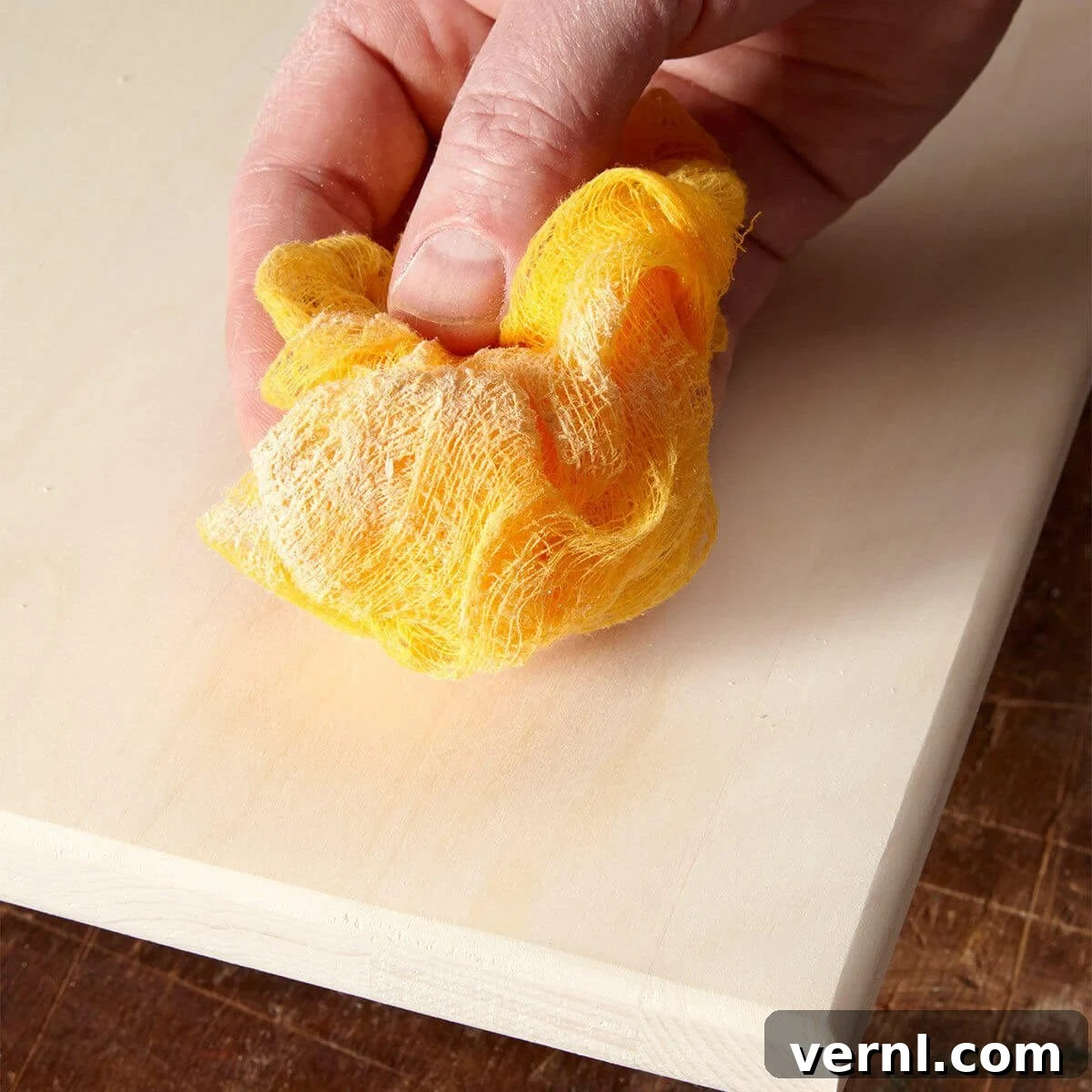
A tack cloth, also commonly referred to as a tack rag, is a unique lint-free material—typically a finely woven, gauze-like fabric—that has been impregnated with a specialized tacky or sticky resin. This subtle stickiness is its superpower. Unlike conventional cleaning methods that might merely redistribute dust or leave behind lint, a tack cloth is engineered to physically lift and trap even the most minute particles of dust, sawdust, sanding residue, and other surface contaminants. This crucial step is absolutely essential for creating a perfectly smooth, blemish-free foundation for paint, varnish, stain, or lacquer. Without it, you risk imperfections like “fish eyes,” bumps, or a dull, uneven finish that detracts from the beauty of your work. It’s the final, critical pass that guarantees your hard work truly shines.
The Imperative Role of Tack Cloths in Surface Preparation
For anyone striving for excellence in their finishing projects, understanding the limitations of conventional cleaning methods is key to appreciating the tack cloth. Many enthusiasts and professionals begin by using paper towels, old cloth rags, or even shop vacuums to clear away the bulk of sanding dust. While these methods are effective for initial clean-up, they often fall short in the crucial final stages. Paper towels can break down, leaving behind paper fibers. Cloth rags, especially if not lint-free, can shed their own threads onto your pristine surface. Vacuums, while powerful, can stir up fine dust particles into the air, which inevitably settle back onto your project, often within minutes – putting you right back where you started. Furthermore, the static charge generated by vacuuming can actually attract more dust to the surface. This continuous battle against airborne dust is where the tack cloth truly distinguishes itself, providing a definitive solution to this common finishing dilemma.
The beauty of a tack cloth lies in its straightforward yet highly effective mechanism. As you gently wipe the surface, the tacky substance adheres to dust particles, pulling them off the material and securely holding them within the cloth’s fibers. Because it’s designed to be lint-free, it doesn’t introduce new contaminants. This ensures that when you finally apply your chosen finish, it goes onto a completely clean slate, adhering uniformly and curing to a pristine, unblemished surface. This small, inexpensive tool dramatically reduces the risk of flaws, saving you time and frustration in the long run by preventing the need for tedious re-sanding and re-finishing.
Maximizing the Lifespan and Effectiveness of Your Tack Cloth
One of the most appealing aspects of a tack cloth is its cost-effectiveness and reusability. A single tack cloth typically costs around a dollar or two, making it an incredibly affordable investment for any workshop. More impressively, with proper care, it can be used multiple times before its stickiness diminishes. The key to maximizing its lifespan is correct storage: always keep your tack cloth in a sealed, airtight plastic bag or container between uses. This prevents the tacky resin from drying out and maintains its dust-grabbing properties, ensuring it’s ready for your next project. When the cloth starts to feel less tacky, or if it becomes visibly saturated with dust and begins to leave residue, it’s time to replace it. A fresh tack cloth guarantees optimal performance and prevents potential issues with your finish.
For those who enjoy a DIY approach, it’s also possible to make your own tack rags. Many seasoned woodworkers experiment with soaking cheesecloth, old cotton diapers, or lint-free towels in various homemade concoctions. These mixtures often involve combinations of shellac, varnish, linseed oil, and/or mineral spirits. A quick search for “how to make tack cloth” in any search engine will reveal a plethora of recipes and passionate opinions on the best formulas. While DIY versions can be cost-effective, they require careful attention to consistency to ensure they don’t leave behind unwanted residue on your project. The challenge lies in achieving the right level of tackiness without making the cloth too wet or oily, which could negatively impact the adhesion or drying of your finish.
Exploring Alternatives: Microfiber Cloths and Their Role
Beyond traditional tack cloths, many woodworkers and finishers have found success with microfiber cloths as an effective alternative for dust removal. These cloths, readily available in the car-care or cleaning sections of most stores, utilize millions of tiny fibers to capture dust through a combination of mechanical action and static charge. Their ultra-fine structure allows them to pick up incredibly small particles without leaving behind lint. For many applications, particularly for light dust or between coats of water-based finishes, high-quality microfiber cloths can be just as effective in removing and holding onto dust as a purpose-built tack cloth.
However, there’s a subtle distinction. While microfiber cloths excel at collecting dry dust through static and capillary action, a true tack cloth’s resin actively grabs and binds dust, making it particularly effective for stubborn, embedded particles or sticky residues that microfiber might struggle with. The choice often comes down to personal preference, the type of finish being applied, and the specific dust challenge at hand. For the most critical, high-gloss finishes, many professionals still lean towards the reliable, dedicated tack cloth for that final, impeccable clean. Regardless of the tool chosen, the underlying principle remains the same: a dust-free surface is non-negotiable for a flawless finish.
Proper Technique for Using a Tack Cloth
Using a tack cloth effectively is not complicated, but it does involve a proper technique to ensure optimal results without introducing new problems. First, ensure that the bulk of the dust has already been removed from your project using a brush, vacuum, or air compressor. The tack cloth is for the fine, microscopic particles, not for heavy debris. When you’re ready, unfold a section of the tack cloth and gently wipe the surface in one direction. Avoid scrubbing or applying excessive pressure, as this can transfer some of the tacky residue to your project, which can then interfere with your finish. Instead, let the cloth’s inherent stickiness do the work. As the cloth accumulates dust, refold it to expose a fresh, clean, and tacky surface. Continue this process until the entire project surface has been wiped clean. It’s advisable to perform this step immediately before applying each coat of finish, as dust can settle quickly, even in seemingly clean environments.
Always inspect your cloth as you use it. If it becomes heavily laden with dust or feels less tacky, it’s time to move to a new section or retrieve a fresh cloth from its sealed storage bag. Discard the cloth once it loses its effectiveness or becomes completely saturated. Patience and thoroughness in this step will pay dividends in the final appearance of your project. Neglecting this crucial cleaning stage often leads to disappointing results, forcing extra work in sanding out imperfections and re-applying finish.
Beyond Woodworking: Versatile Applications of Tack Cloths
While tack cloths are most famously associated with woodworking and furniture finishing, their utility extends far beyond the workshop. Anywhere a perfectly clean, dust-free surface is required before painting or coating, a tack cloth proves invaluable. For instance, in automotive painting, tack cloths are a standard tool used to meticulously clean body panels before primer, paint, or clear coat application. This prevents minute dust specks from marring the smooth, reflective finish of a vehicle. Similarly, artists preparing canvases or sculptures for painting can use tack cloths to ensure a pristine surface. Homeowners tackling DIY painting projects, such as refinishing cabinets or preparing walls, can significantly improve their results by incorporating a tack cloth into their preparation routine, ensuring paint adheres smoothly and evenly without gritty textures. Its versatility makes it a staple not just for professional finishers, but for anyone who demands a high standard of cleanliness for their coated surfaces.
Conclusion: The Unsung Hero of Fine Finishing
In the grand scheme of woodworking and finishing, a tack cloth may seem like a minor detail, but its impact on the quality of your finished project is profound. It serves as the unsung hero, the last line of defense against the microscopic imperfections that can otherwise undermine hours of meticulous craftsmanship. From preparing raw wood for its first coat of stain to ensuring a flawless base for the final layers of varnish, the humble tack cloth guarantees a truly clean canvas. Its affordability, coupled with its remarkable effectiveness and reusability, makes it an indispensable tool for hobbyists and professionals alike. By investing a minimal amount of time and money in a good quality tack cloth and employing proper usage techniques, you elevate your work from good to truly exceptional. Don’t let dust dictate the quality of your finish; embrace the simplicity and power of the tack cloth to achieve the pristine results you desire, every single time.