
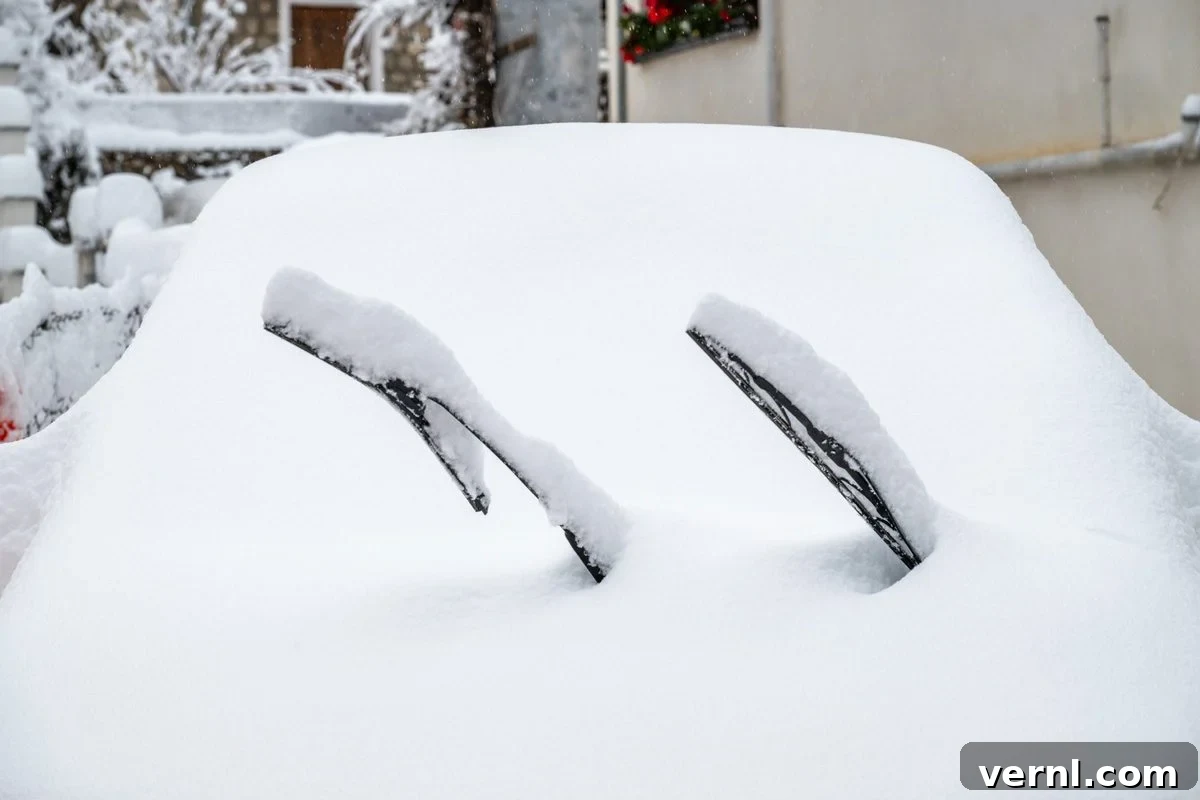
Welcome to Family Handyman’s Ultimate Guide to Winterization, your comprehensive resource for preparing your home and vehicle for the harshest cold season. Here, you’ll discover expert advice, practical tips, and essential strategies to fortify your property against winter’s chill. From preventing common household mishaps like frozen pipes to significantly reducing sky-high heating bills, our guide ensures that the challenges of winter do not become an inevitability. Prioritizing home efficiency and road safety, we empower you with the knowledge to maintain a comfortable, secure, and cost-effective environment throughout the colder months.
Navigating roads in winter conditions presents unique challenges. Driving through ice, snow, and slush is inherently treacherous, turning routine commutes into high-risk endeavors. Beyond the obvious hazards of slippery surfaces and chaotic weather patterns, a significant and often underestimated danger is severely reduced visibility. When snow, ice, or road salt obscure your windshield, avoiding unexpected obstacles becomes nearly impossible. This critical safety concern underscores why thoroughly winterizing your vehicle’s wiper blades isn’t just a suggestion—it’s an absolute necessity.
“Proactively winterizing your wiper blades before the cold weather truly sets in is a swift, five-minute task that can fundamentally alter your winter driving experience,” explains Duane “Doc” Watson, a seasoned veteran of the auto industry. “This simple preparation can be the crucial difference between a safe, uneventful commute and a potentially dangerous accident in the middle of a blinding snowstorm.” To help you maintain impeccable windshield clarity and keep your car safely on the road during the deepest winter freeze, Doc Watson shares his invaluable insights and actionable tips.
Why Winterizing Your Windshield Wipers is Crucial for Safety and Longevity
The extreme conditions of winter, particularly freezing temperatures, exert immense stress on your vehicle’s wiper blades. The rubber or silicone compounds in standard blades become brittle and stiff when exposed to prolonged cold, accelerating their wear and tear. This degradation results in a compromised wiping performance, manifesting as unsightly and dangerous streaks across your windshield. Imagine driving on a busy highway during a heavy downpour or snowfall, only to have your wipers leave hazy trails that severely impair your vision. If you’ve ever experienced the terrifying moment when a semi-truck sprays a torrent of dirty slush onto your windshield, and your worn wiper blades fail to clear it effectively, you understand the profound danger this poses. Maintaining optimal visibility is paramount for road safety, making reliable wiper blades a non-negotiable component of winter car preparedness.
“Your wiper blades serve as one of the primary lines of defense in ensuring clear visibility, which is indispensable for keeping every driver and passenger on the road safe,” emphasizes Watson. He assures that the process of winterizing wiper blades is straightforward and easily manageable with these essential steps:
- Thorough Inspection: Regularly examine your wiper blades for any visible signs of damage. Look for common issues such as cracks, tears, nicks, or if the rubber element appears to be leaning or detaching from the blade’s frame. Even minor imperfections can significantly degrade performance.
- Performance Test: Activate your windshield washer system along with the wipers. Observe the wiping pattern carefully. Any persistent streaks, unwiped areas, or chattering noises indicate that the blades are no longer making proper contact with the glass and require immediate replacement.
- Scheduled Replacement: Beyond visual inspection, commit to replacing your wiper blades every six to twelve months, regardless of their apparent condition. This proactive approach ensures that your blades are always operating at peak efficiency, guaranteeing they won’t unexpectedly fail when you need them most in the middle of winter’s harshest weather.
Effective Strategies to Prevent Wiper Blades from Freezing to Your Windshield
Few things are more frustrating on a frigid winter morning than discovering your wiper blades are frozen solid to the windshield. Attempting to force them free can severely damage both the blades and potentially the wiper motor. Such struggles are not only inconvenient but also costly. Fortunately, several simple yet effective methods can help you prevent this common winter annoyance:
Lifting the Blades Off the Windshield
A time-honored technique involves manually lifting your wiper blades away from the windshield glass each evening, especially when anticipating sub-zero temperatures or snowfall. Extend the wiper arms fully so the blades remain suspended, preventing direct contact with the glass. This simple action creates a small air gap that prevents ice from forming a bond between the blade rubber and the windshield surface. When you’re ready to drive the next morning, carefully lower the blades back into position. It is crucial to guide them gently; allowing them to snap back forcefully can not only damage the blades but also risk cracking your windshield, particularly if the glass is already stressed by cold.
Utilizing Protective Wiper Blade Covers
Investing in a set of specialized wiper blade covers is an affordable and highly effective solution, typically costing around $7. These covers, usually made from durable, water-resistant materials, provide a protective barrier over the blades, shielding them from accumulating ice, snow, and freezing rain. Keep them conveniently in your front seat or glove compartment and simply slip them over your blades whenever you park your car overnight or for extended periods in freezing conditions. For a more budget-friendly, DIY alternative, Watson shrewdly suggests: “If you prefer not to invest in dedicated covers, even old tube socks can serve as an effective makeshift solution to protect your blades.”
Applying Advanced Water Repellents to Your Windshield
Modern water-repellent treatments, available in convenient spray bottles or aerosol cans (ranging from $10 to $40), offer an excellent line of defense against ice and snow adhesion. These hydrophobic coatings create an invisible barrier on your windshield that causes water to bead up and roll off, making it significantly harder for ice to form and stick. A single application, ideally applied after cleaning your windshield in the evening, can dramatically reduce ice buildup overnight. Beyond preventing freezing, these repellents also improve visibility during rain and slush by minimizing water sheeting, allowing your wipers to work more efficiently.
Installing Specialized Winter Wiper Blades
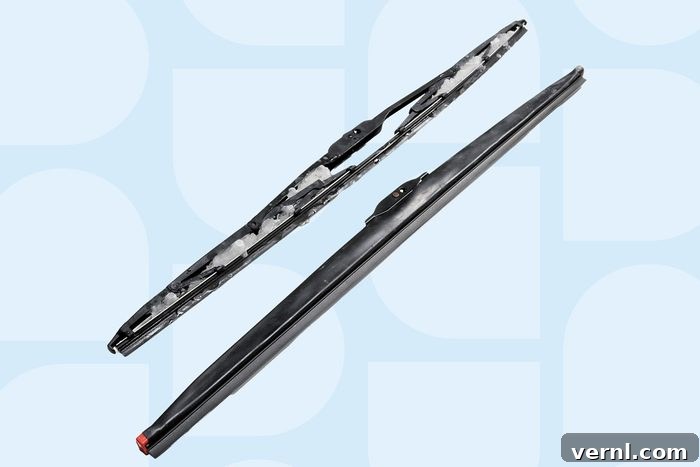
“One of the most robust and proactive measures you can take to prevent your wiper blades from freezing to your windshield, and to ensure superior wiping performance in harsh conditions, is by opting for blades specifically engineered for winter,” advises Watson. Unlike conventional all-season blades, winter wiper blades are constructed with specialized materials and designs that are inherently better suited for colder temperatures. These blades often feature a protective rubber boot or frame, which encases the internal components, preventing ice and snow from accumulating and compromising the blade’s flexibility and contact pressure. This targeted design significantly mitigates the risk of freezing and ice buildup, providing a consistently clear windshield throughout the winter season.
Discovering the Best Windshield Wipers for Winter Driving
When it comes to selecting the best wiper blades for winter, the market offers a variety of advanced options designed to tackle extreme cold, ice, and snow. As a technical trainer for Bosch, Duane “Doc” Watson frequently recommends three standout Bosch products: their dedicated Winter Wiper Blades, the high-performance ICON Wiper Blades, and the innovative ENVISION Wiper Blades. Independent reviews also highlight top contenders; Car and Driver magazine, for instance, designates Rain-X Latitude Water Repellent Blades as their number-one pick, while endorsing Bosch ICON blades as their premium choice for unparalleled winter performance.
These leading blades, along with other high-quality options available today, integrate one or more of the following cutting-edge features to enhance their effectiveness in cold weather:
Advanced Siliconized Rubber Technology
Many high-performance blades, such as the Trapo Hydrophobic Wiper Blades, are crafted entirely from a specialized siliconized rubber compound. Other premium options, including certain Bosch Winter Blades, incorporate a siliconized edge. The key advantage of silicone is its remarkable flexibility and resilience in freezing temperatures, unlike conventional rubber which can stiffen and crack. Silicone maintains its pliability, ensuring consistent contact with the windshield, providing a smooth, streak-free wipe without the risk of scratching the glass, even under extreme cold. This material’s natural water-repelling properties also contribute to improved visibility.
Aerodynamic Bracketless Design
According to Watson, the innovative bracketless design found in blades like the Bosch ICON offers significant advantages in winter. Unlike traditional framed blades that can accumulate ice and snow within their structure, the bracketless, or “beam,” design reduces points of ice buildup, maintaining the blade’s flexibility. Integrated tension springs distribute pressure evenly across the entire length of the blade, ensuring consistent contact and superior wiping performance, even under heavy snow loads or in gusty winds typical of harsh winter climates. This sleek profile also reduces wind lift, keeping the blade firmly pressed against the windshield at higher speeds.
Specialized Coating and Aerodynamic Spoilers
“ENVISION Wiper Blades, for example, are engineered to provide extreme weather safety,” explains Watson, “and they further enhance night driving visibility through a special aerodynamic spoiler.” This spoiler, often incorporating light-absorbing charcoal powder and a water-repelling polymer compound, not only helps to reduce glare from oncoming headlights but also improves the blade’s contact pressure at speed and prevents lifting. The combination of these advanced coatings and the aerodynamic design works synergistically to repel water, snow, and slush, ensuring a clearer, safer view, particularly in challenging low-light or precipitation-heavy conditions.
Integrated Usage Indicator for Timely Replacement
Some of the most sophisticated, high-end wiper blades, such as the Bosch ENVISION series, feature a clever integrated usage indicator. This innovative feature consists of a small visual cue, often a color-changing dot or strip, that gradually changes appearance as the blade approaches the end of its effective service life. By taking advantage of this smart reminder and replacing your blades promptly when the indicator signals, you proactively avoid the frustrating and dangerous experience of streaking, skipping, or chattering wipers appearing unexpectedly in the middle of a winter blizzard. This feature removes the guesswork from blade maintenance, ensuring you always have optimal visibility.
Effective and Safe Methods for Handling Already Frozen Wiper Blades
Despite your best efforts to winterize your wiper blades, or sometimes due to unforeseen drops in temperature, you might still wake up to find them stubbornly stuck to your windshield on a bone-chilling winter morning. When faced with this common predicament, it’s crucial to approach the situation cautiously to avoid damaging your vehicle. Here’s what you should do:
Start Your Car, Activate the Defroster, and Be Patient
The most common and safest method involves leveraging your vehicle’s heating system. Start your car, set the defroster to its highest setting, and direct the airflow specifically towards the windshield. Allow ample time for the warm air to gently melt the ice around the wiper blades. Patience is key here; rushing the process can lead to damage. Once you observe enough ice melting to free the blades, gently lift them away from the glass – do not tug or pull forcefully. After freeing the blades, you can then safely scrape any remaining ice from the windshield. Watson also offers a crucial related tip: “Dirty cabin air filters significantly reduce the efficiency of your defroster, impeding its ability to clear the windshield quickly. Ensuring you have clean cabin filters is therefore an important, often overlooked, aspect of winterizing your vehicle, including supporting effective wiper blade performance.”
Utilize a Rubbing Alcohol and Water Solution for Rapid De-icing
For a quicker solution that conserves fuel and battery charge, prepare a simple mixture of rubbing alcohol and water, typically a 2:1 ratio (two parts alcohol to one part water), in a spray bottle. Alcohol has a lower freezing point than water, allowing it to rapidly break down ice. Liberally spray this solution directly onto the frozen blades and the surrounding ice on the windshield. Allow the alcohol a few moments to work its magic and melt the ice. Once the ice begins to loosen, gently lift the blades. This method is highly effective for localized de-icing.
- Critical Warning: Under no circumstances should you pour hot water directly onto your frozen windshield or wiper blades to melt ice. The sudden and extreme temperature change can induce thermal shock, potentially causing your windshield to crack or even shatter, leading to far more serious and costly damage than simply waiting or using other safe de-icing methods.
Frequently Asked Questions About Winter Wiper Blades
Here are answers to some common questions drivers have about winterizing and maintaining their windshield wipers in cold weather:
Will running my wipers on a dry, frozen windshield before the ice melts cause damage?
Absolutely, this is a practice you should unequivocally avoid, according to Watson. He strongly advises against it: “As rubber components become stiff and less pliable in extreme cold, attempting to operate your wiper blades over a dry, icy windshield significantly increases their susceptibility to splitting, ripping, or tearing. Moreover, this action can permanently compromise the blade’s delicate contour, rendering it ineffective for future use.” Beyond damaging the blades themselves, forcing them to operate while frozen places immense strain on your wiper motor. “The motor will continuously struggle to push the stuck blades across the glass, which can lead to overheating and ultimately cause it to burn out,” Watson adds. “Finally, by dragging a stiff, potentially damaged blade over an iced-up surface, you are also placing your windshield at considerable risk of sustaining scratches or abrasions from the embedded ice particles.” Prioritizing patience and proper de-icing methods is always the safest course of action.
Why is my rear window wiper often less effective than the front wipers in winter?
The observation that rear window wipers frequently underperform compared to their front counterparts in winter conditions is a common one, and Watson attributes this to several fundamental design and operational differences:
- Blade Size Discrepancy: The rear wiper blade is typically engineered to be much shorter in length than the windshield blades. This smaller surface area means it covers less glass per swipe, making it less efficient at clearing large accumulations of snow or ice.
- Reduced Spring Tension: Rear wiper mechanisms often feature weaker springs that exert less downward force, or pressure, against the glass. This reduced tension results in poorer contact, leading to streaking and less effective clearing, especially when dealing with stubborn ice or heavy, wet snow.
- Less Powerful Motor: The motor driving the rear wiper system is generally less robust and powerful than the one dedicated to the front windshield wipers. This lower power output means it struggles more under challenging conditions, making it more prone to slowing down or getting stuck when pushing through thick snow or ice. These factors combine to make the rear wiper less effective in maintaining clear visibility during harsh winter weather.
About the Expert
- Duane “Doc” Watson is a highly respected technical trainer at Bosch Mobility Aftermarket, bringing an impressive career spanning over 45 years of experience within the automotive industry. Throughout his distinguished tenure as a technician, he garnered numerous prestigious industry accolades, including the coveted Chevrolet Technician of the Year and Buick Service Master of the Year awards, testament to his profound expertise and dedication.
Source
- Car and Driver: Tested: Best Wiper Blades for 2025; (2025)