
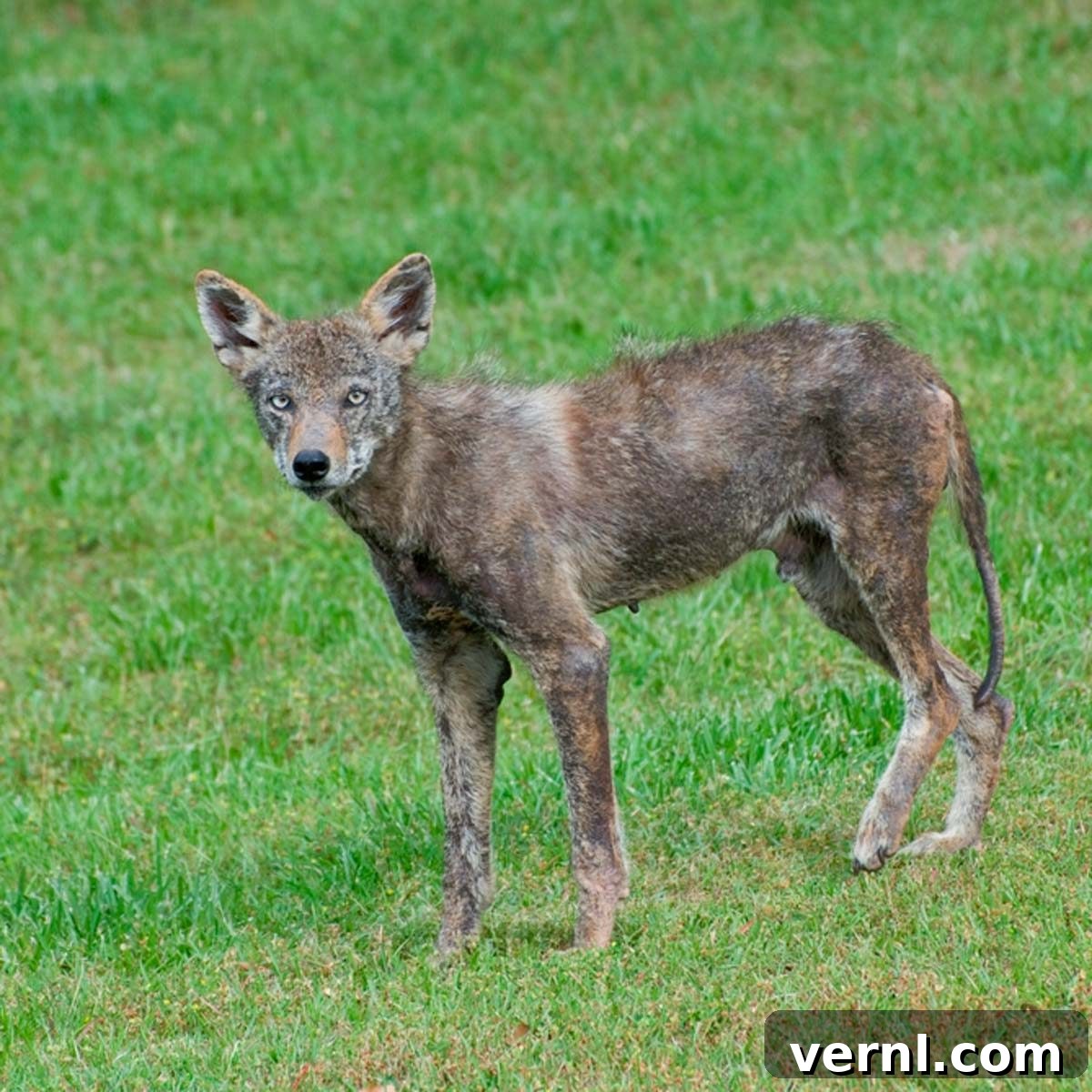
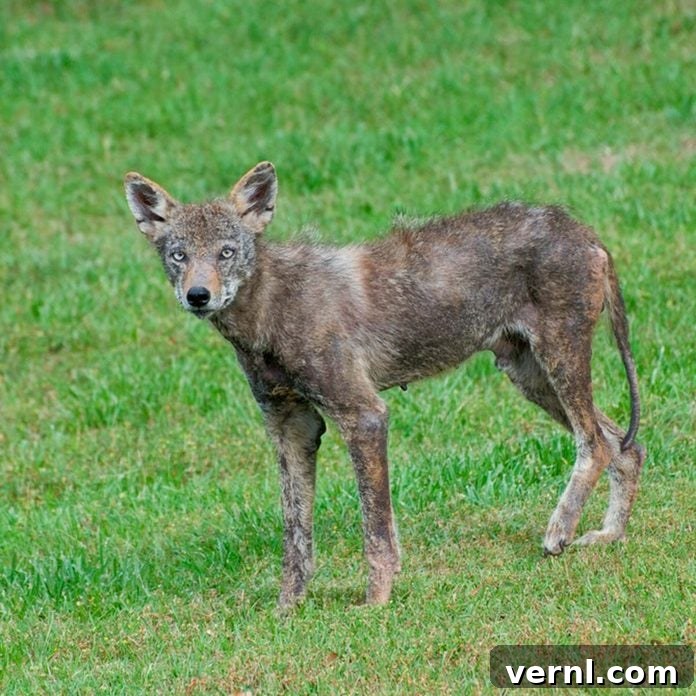
Coyotes, highly adaptable canids native to North America, are increasingly becoming a common sight in suburban and urban environments. While historically associated with wild, untamed landscapes, their remarkable ability to thrive alongside human populations means encounters are on the rise. Often classified as a “pest species” due to their predatory habits, coyotes can pose a significant threat to livestock, such as sheep and chickens, and are known to prey on unattended pets. Their presence can be alarming for homeowners and farmers alike, prompting concerns about safety and property protection. This comprehensive guide aims to equip you with effective, humane strategies for deterring coyotes and minimizing potential conflicts, ensuring a safer environment for both your family and local wildlife.
The growing proximity of coyotes to human settlements isn’t a mere coincidence. Several factors contribute to this phenomenon. Habitat loss, driven by urban expansion and development, forces these intelligent animals to seek food and shelter in new territories. Simultaneously, the decline of their primary natural competitor, the wolf, has allowed coyote populations to flourish and expand their range. As a result, if you’ve recently noticed a coyote in your backyard or neighborhood and find yourself wondering how to manage their presence, you’re not alone. Understanding coyote behavior and implementing proactive measures are key to successful coexistence.
Understanding Coyotes: Their Role and Behavior
Before implementing any deterrence strategies, it’s crucial to understand the coyote’s ecological role and natural behavior. These animals are integral to many ecosystems, primarily by helping to control rodent populations. Their presence can keep communities of mice, rats, and other small mammals in check, contributing to a healthier environment. Therefore, while their propensity to prey on pets and livestock can be troubling, retaliating with inhumane methods is not only unethical but can also disrupt the delicate balance of the local ecosystem.
Coyotes are naturally cautious and intelligent creatures. They are primarily nocturnal or crepuscular (active during dawn and dusk), though urban coyotes may adapt their schedules to avoid human activity. They communicate through various vocalizations, including howls, yips, and barks, and also through scent marking and body language. One interesting behavior often observed is “ground scratching” – where a coyote (or dog, a trait passed down) kicks up dirt with its hind legs after urinating or defecating. This is a form of scent marking, further spreading their territorial scent. Recognizing these behaviors can help you understand when a coyote might be present in your area.
Proactive Measures: Making Your Property Less Appealing
The most effective way to deter coyotes is to make your property an unappealing place for them to visit. This involves eliminating potential food sources, removing attractive shelter, and maintaining a vigilant environment. Consistency in these practices is paramount for long-term success.
Eliminating Food Sources:
- Secure Pet Food: Always feed pets indoors. If outdoor feeding is unavoidable, remove all food bowls immediately after your pet has finished eating. Store pet food in sturdy, airtight containers indoors or in a secure shed.
- Manage Garbage: Coyotes are opportunistic scavengers and are highly attracted to garbage. Use heavy-duty garbage cans with tightly sealing lids. Consider using bungee cords or weights to secure lids, and store cans in a garage or shed until collection day. Ensure proper waste disposal by double-bagging food waste.
- Control Rodents: A thriving rodent population on your property will inevitably attract coyotes. Implement rodent control measures, such as sealing holes in foundations, removing clutter, and maintaining a tidy yard. Avoid using poisons that could indirectly harm coyotes or other wildlife.
- Clean Up Fallen Produce: If you have fruit trees or berry bushes, regularly clean up any fallen fruits, nuts, or seeds from under them. Fermenting fruit can also attract insects and other small animals, which in turn draws coyotes.
- Monitor Bird Feeders: While bird feeders are popular, spilled seeds can attract rodents, squirrels, and other small animals. These can then become a food source for coyotes. Consider placing feeders in areas where spills are easily cleaned, or use trays to catch fallen seeds.
- Secure Compost Piles: Open compost piles containing food scraps, especially meat or dairy, are a major attractant. Use enclosed, pest-proof composting bins.
Removing Attractive Shelter and Cover:
- Trim Vegetation: Overgrown grasses, dense bushes, and low-hanging tree branches provide excellent cover for coyotes to stalk prey or rest unseen. Keep your yard well-maintained by regularly trimming hedges, clearing brush, and removing any dense undergrowth.
- Seal Openings: Inspect your home and outbuildings for any openings that could provide shelter. Seal off crawl spaces, gaps under decks, porches, and sheds. Ensure that all entry points to these areas are securely closed, preventing coyotes from denning or seeking refuge.
Exclusion Techniques: Physical Barriers for Protection
One of the most effective long-term strategies for keeping coyotes off your property is the implementation of physical barriers, primarily fencing. A well-constructed fence acts as a robust deterrent, preventing entry and providing a clear boundary for wildlife.
Building a Coyote-Proof Fence:
The Nationwide Directory Of Coyote Control Professionals strongly advocates for exclusion through robust fencing. This measure can serve as both a preventive barrier and a means to keep coyotes out once they have been humanely encouraged to leave your yard.
- Height Matters: Coyotes are impressive jumpers. A fence should be at least 6 feet tall, but ideally 8 feet, to effectively deter them. Taller fences work best because coyotes can easily clear shorter barriers.
- Digging Prevention: Coyotes are also adept diggers. To prevent them from tunneling under your fence, extend the fence material a minimum of 12-18 inches below ground level. Alternatively, you can bury an “L-footer” made of wire mesh (bending the bottom 12-18 inches outwards, parallel to the ground) or pour a concrete apron around the base of the fence. This creates a barrier that is difficult for them to navigate.
- Climbing Deterrents: To prevent climbing, consider adding coyote rollers or “prickle strip fence toppers” along the top of your fence. These devices make it difficult for coyotes to get a grip and climb over. An outward-angled extension of wire mesh at the top can also be very effective. Strong wire mesh, woven wire, or chain-link fencing are generally recommended for durability.
- Secure Gates: Ensure all gates are snug-fitting, self-latching, and extend to the ground level, leaving no gaps.
- Specific Enclosures: For critical areas like chicken coops or livestock enclosures, even more stringent measures are necessary. Install a tall, sturdy fence (the taller the better!) around the coop, ensuring it has both dig-proof foundations and climb-proof toppers. Consider a completely enclosed structure for ultimate protection, especially at night.
For ideas and inspiration on fortifying your property, you can explore various fence designs. Check out these 10 modern fence ideas for your backyard, many of which can be adapted for enhanced security.
Active Deterrents: Scaring Coyotes Away
When physical barriers aren’t enough, or for direct encounters, active deterrence methods can be employed to make coyotes feel unwelcome and encourage them to move on.
Hazing Techniques:
Hazing involves making coyotes uncomfortable through non-lethal means to discourage them from frequenting an area. The goal is to instill a natural fear of humans. If you see a coyote on your property:
- Make Yourself Large and Loud: Yell loudly, wave your arms, and make yourself appear as big as possible.
- Use Noise Makers: Carry a whistle, air horn, or shake a can filled with coins to create sudden, startling noises.
- Throw Objects (Near, Not At): Throw small objects like sticks, rocks, or tennis balls in the direction of the coyote to make them feel threatened, but never directly at the animal to avoid injury.
- Maintain Distance: Always keep a safe distance and never approach a coyote. Do not turn your back and run, as this can trigger their chase instinct.
- Be Persistent: Coyotes are intelligent. If your hazing attempts are weak or inconsistent, they may learn to ignore them. Be firm and consistent with your actions.
Motion-Activated Devices:
Surprise is a powerful deterrent. Motion-activated devices can startle coyotes and make them wary of your property.
- Motion-Sensor Lights: Install bright motion-sensor lights around your home, garage, chicken coop, and sheds. When the lights suddenly illuminate, coyotes will be alarmed and typically run off.
- Motion-Sensor Sprinklers: A motion sensor that triggers a sprinkler system can also be an excellent deterrent. The unexpected spray of water is highly effective at scaring animals away without causing harm.
- Ultrasonic Devices: While some ultrasonic devices claim to deter coyotes, their effectiveness is often debated and can vary. They may also affect other animals, including pets.
Scent Deterrents:
Coyotes rely heavily on their sense of smell. Using certain scents can sometimes make an area seem less appealing.
- Coyote Urine: You may not want coyotes near you, but you may want to buy coyote urine! Used to keep pests and critters at bay, it identifies your property as home to a predator. This can create a psychological deterrent, signaling to other coyotes that the territory is already occupied by a dominant animal.
- Commercial Repellents: Some commercial repellents contain ingredients like capsaicin or putrescent egg solids that are designed to deter animals through smell or taste. Research their effectiveness and safe application for your specific situation.
Addressing Specific Scenarios
Coyote in a Structure (Shed or Garage):
If you discover a coyote inside your shed, garage, or any other enclosed structure, it’s crucial to prioritize safety. Do not attempt to trap or remove the animal yourself. Coyotes, especially if cornered, can become defensive and may bite. There’s also a risk of rabies transmission. Instead:
- Provide an Escape Route: Open all doors and windows to create a clear exit path for the coyote.
- Maintain Distance: Stand far away from the entrance, allowing the animal ample space to exit without feeling threatened.
- Secure Entrances: Once the coyote has exited, immediately and securely close all entrances to prevent future intrusions.
- Call Professionals: If the coyote appears injured, sick, or refuses to leave, contact your local animal control or a professional wildlife removal service.
Protecting Pets:
Pets are often perceived as easy prey by coyotes. Vigilance and proper precautions are vital:
- Supervise Outdoors: Never leave small pets unattended outdoors, even in a fenced yard. Coyotes can jump or dig under fences. Always accompany your pets, especially during dawn, dusk, and nighttime hours when coyotes are most active.
- Leash Walks: Always keep dogs on a leash when walking, particularly in areas known for coyote activity. A retractable leash might offer too much slack; a standard 6-foot leash provides better control.
- Secure Enclosures: If pets must spend time outdoors, ensure their enclosures are completely coyote-proof, with secure tops, strong mesh, and dig-proof foundations.
- Don’t Let Pets Roam: Free-roaming cats and small dogs are highly vulnerable. Keep cats indoors, especially at night.
When to Call a Professional
While most coyote encounters can be managed with proactive deterrence, there are situations where professional intervention is necessary. You should contact your local animal control, wildlife management agency, or a professional wildlife removal service if:
- Aggressive Behavior: A coyote exhibits unusually bold or aggressive behavior towards humans or pets, such as approaching without fear, following people, or attacking leashed animals.
- Persistent Presence: Coyotes continue to frequent your property despite consistent hazing and deterrence efforts.
- Injured or Sick Animals: You observe a coyote that appears injured, disoriented, or exhibiting signs of illness (e.g., foaming at the mouth, walking in circles). These could indicate rabies or other diseases.
- Denning on Property: If coyotes are denning or raising pups directly on your property, professional assistance is usually required for humane removal.
Professionals have the expertise and equipment to handle coyotes safely and humanely, ensuring the best outcome for both the animals and the community.
Conclusion
Living alongside coyotes requires a combination of understanding, vigilance, and proactive measures. By eliminating food attractants, securing your property with robust fencing, and employing active deterrents when necessary, you can significantly reduce the likelihood of unwanted encounters. Remember, the goal is not eradication but rather respectful coexistence and the prevention of conflict. Implementing these strategies consistently will help keep both your property and the local wildlife safe, fostering a harmonious environment for everyone.
Every product is independently selected by our editors. If you buy something through our links, we may earn an affiliate commission.