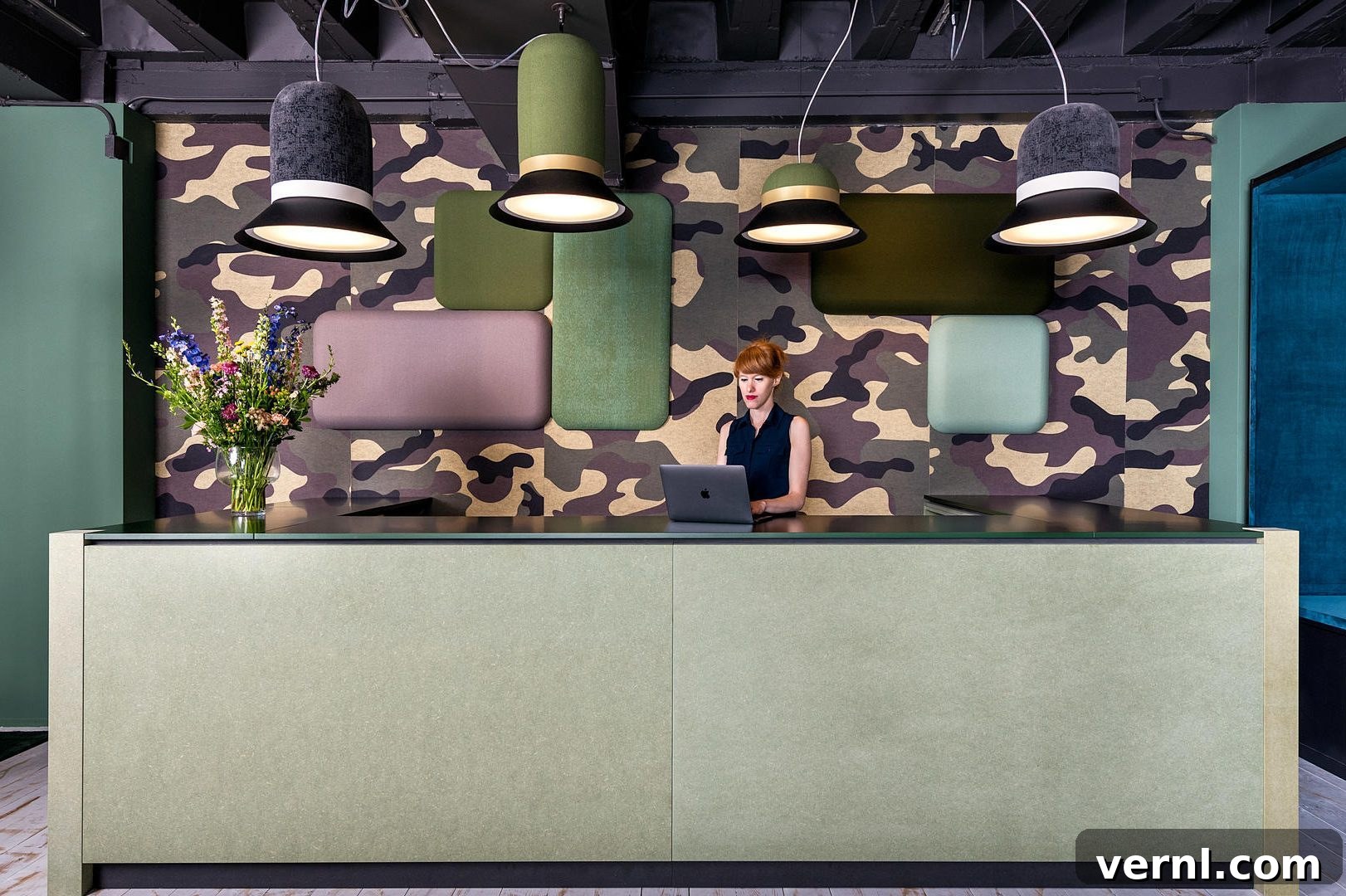
The Truth About Noise-Canceling Wallpaper: Your Guide to Quieter Spaces
Are you constantly battling intrusive sounds from noisy neighbors, bustling street traffic, or the incessant hum of your own household? Whether you’re trying to concentrate on work, record a podcast, enjoy a movie without external distractions, or simply long for a peaceful retreat, unwanted noise can be a significant source of frustration. Traditional soundproofing methods, such as installing bulky acoustic foam or heavy fabrics, often come with aesthetic drawbacks and considerable expense. However, a modern solution has emerged that promises both functionality and style: acoustic wallpaper. But does ‘noise-canceling wallpaper’ truly live up to its name, or is it a misunderstanding of how sound works? Let’s delve into the world of sound absorption and explore how innovative wall coverings can transform your living space.
Understanding Sound: Absorption vs. Noise Cancellation
The term “noise-canceling wallpaper” is often a source of confusion, primarily because it’s a bit of a misnomer. To truly understand what these products offer, it’s crucial to differentiate between sound absorption and noise cancellation (or sound blocking). Bogdan Bratis, a Glasgow-based musician and TV personality who manages a recording studio, clarifies this distinction:
“Sound absorption refers to reducing the amount of sound reflection in a room. Noise-cancelling, on the other hand, aims to reduce the amount of sound coming into a room or escaping a room. This is usually achieved by building multi-layer walls with special materials, such as acoustic foam, which traps the sound, making it difficult to transfer into an adjacent wall.
Calling wallpaper ‘noise canceling’ suggests it would minimize the noise going from one room to another, but it will actually have a very limited effect in achieving this. So in reality, ‘noise-cancelling wallpaper’ is more of a sound absorption material.”
In essence, acoustic wallpaper excels at absorbing sound waves within a room, thereby reducing echo and reverberation. This improves the overall acoustic quality of the space, making conversations clearer, music sound richer, and creating a more comfortable auditory environment. However, it will have a minimal impact on blocking external noises like loud conversations from next door or the rumble of traffic outside. For effective sound blocking, you need a more robust solution involving mass, sealing, and decoupling.
Will Acoustic Wallpaper Truly Soundproof a Room?
The short answer is: not entirely. While acoustic wallpaper is a valuable tool for improving room acoustics, it won’t provide full soundproofing. For that, you need to address sound transmission through walls, doors, and windows. Bratis advises:
“If you want to stop the sound of a room from transferring to another room, the best method would be to build a double wall. The air between the two layers acts as a sound barrier. You also need to make sure that the actual walls are thick enough and have sound-absorbing material built into them.
If you want a room to have less echo (sound absorption or acoustic treatment), you need to ensure that there is enough sound absorption material placed on the walls, such as wallpaper with acoustic properties, acoustic panels and other material that have sound absorption properties, such as foam, wood or textile material.”
To effectively block external noises like street traffic, barking dogs, or a neighbor’s loud television, a multi-pronged approach is necessary. This includes sealing up any cracks or gaps in walls, doors, and windows, ensuring doors close tightly, and significantly increasing the mass of your walls. A highly effective method involves sandwiching a layer of specialized material like mass-loaded vinyl (MLV) between two layers of drywall, creating a formidable barrier against sound transmission. Acoustic wallpaper, while beneficial, primarily tackles the internal acoustics of a room by reducing echoes and softening the soundscape.
The Science Behind Sound Absorption: How Acoustic Wallpaper Works
Acoustic materials work by converting sound energy into other forms of energy, primarily heat. When sound waves strike a porous or fibrous material, they penetrate its structure, causing the individual fibers or particles to vibrate. This friction dissipates the sound energy as a small amount of heat, effectively preventing the sound waves from bouncing back into the room. The greater the porosity, density, and thickness of the material, the more sound it can absorb across different frequencies.
Traditional hard, flat surfaces like drywall, glass, and wood tend to reflect sound waves, leading to echoes and a “lively” or reverberant sound in a room. By introducing soft, porous surfaces like acoustic wallpaper, you can significantly reduce these reflections, leading to:
- Improved Speech Clarity: Conversations become easier to understand as echoes are minimized.
- Reduced Reverberation Time: The sound “decays” faster, making the room feel acoustically deadened in a good way.
- Enhanced Listening Experience: Music and movies sound more natural and engaging without distracting echoes.
- Greater Comfort: A quieter room contributes to a more relaxing and focused environment.
While acoustic wallpaper isn’t a magical soundproof barrier, it’s an excellent first step for improving the internal sound quality of a room, especially for home offices, bedrooms, media rooms, or small recording spaces.
What to Consider When Buying Acoustic Wallpaper
Many wall-covering products claim to be “sound reducing” or “noise-canceling,” but it’s essential to scrutinize the details. To make an informed decision, here’s what to look for when selecting acoustic wallpaper or related products:
- Noise Reduction Coefficient (NRC): This is arguably the most crucial specification. The NRC rating quantifies a material’s ability to absorb sound across a range of frequencies (typically 250 Hz to 2000 Hz). NRC values range from 0.0 (perfectly reflective) to 1.0 (perfectly absorptive). A higher NRC indicates better sound absorption. For effective acoustic treatment, look for products with an NRC of 0.3 or higher, with 0.5-0.8 being excellent for general room acoustics.
- Thickness of Material: Generally, thicker materials are better at absorbing sound, especially lower frequencies. Sound waves must penetrate the material to be converted into heat, and a greater depth provides more opportunity for this conversion. Thicker wallpapers often incorporate multiple layers or denser fibers to achieve their acoustic properties.
- Material Composition: Look for wallpapers made from materials known for their sound-absorbing qualities, such as felt, polyester fibers, foam, or specialized textiles. Some innovative designs incorporate micro-perforations or unique textures to enhance absorption.
- Attractiveness and Design: Gone are the days when acoustic solutions meant sacrificing aesthetics. Modern acoustic wallpapers and panels come in a vast array of colors, textures, and patterns. Choose a design that complements your interior decor, ensuring your quiet space is also a beautiful one.
- Ease of Installation: Most acoustic wallpapers are designed for DIY installation, similar to traditional wallpaper. However, some heavier or specialized coverings might benefit from professional help.
- Flammability Rating: Especially for commercial spaces or home studios, check if the material meets fire safety standards.
Does Acoustic Wallpaper Work? Setting Realistic Expectations
The effectiveness of “noise-canceling” or acoustic wallpaper varies significantly. As with any product, quality can differ, and some manufacturers provide vague claims without backing them up with data. Many budget-friendly options might offer only marginal improvements in sound absorption.
Before purchasing, it’s highly recommended to:
- Read Verified Reviews: Check customer feedback and Q&A sections on platforms like Amazon or specialized acoustic product retailers. Pay attention to reviews that specifically address acoustic performance.
- Look for Specifications: Reputable brands will publish specific sound absorption coefficients (like NRC) and details about what frequencies their products absorb. High-end wallpaper brands, such as BuzziSkin and Easewall, are known for their transparency regarding product specifications and proven acoustic performance.
While current acoustic wallpapers are primarily absorptive, the future holds exciting possibilities. As reported by the Royal Society, scientists in England recently discovered that the unique absorptive qualities of moth wings could pave the way for significantly thinner and more efficient sound-absorbing wall coverings. “New research has shown that one day it will be possible to adorn the walls of your house with ultra-thin sound absorbing wallpaper,” stated the author of the study in a press release, hinting at a revolutionary leap in acoustic technology.
Top Acoustic Wall Covering Options for Reducing Noise Levels
Until ultra-thin, moth-wing-inspired wallpaper becomes widely available, several excellent wall covering options can help lower sound levels and improve the acoustics in your home or studio. These options range in their primary function from pure absorption to some degree of sound dampening.
Acoustical Wallpaper
Modern acoustical wallpapers are specifically engineered with sound-absorbing properties. While they are not a substitute for structural soundproofing, they are an attractive and effective way to manage echoes and reverberation within a room. Many companies are now offering aesthetically pleasing varieties that seamlessly blend into contemporary interior designs. As technology continues to advance, expect to see an increasing array of these innovative products on the market, offering both decorative appeal and functional acoustic benefits.
Acoustical Wall Coverings
Beyond traditional wallpaper, a broader category of noise-reducing wall coverings exists. These are often made from natural materials like felt, cork, or recycled polyester fibers, providing excellent sound-dampening qualities. Many of these coverings boast beautiful textures and patterns, making them a stylish addition to any room. Furthermore, their sustainable origins – often made from recycled materials – add an eco-friendly dimension. A bonus for the enthusiastic DIYer: many of these coverings are designed for relatively straightforward installation, offering a satisfying project with immediate acoustic improvements.
Acoustical Panels
For superior sound absorption and a more controlled acoustic environment, especially in dedicated listening rooms, home theaters, or recording studios, acoustical panels are often the preferred choice. These panels are designed to absorb a broader range of frequencies more effectively than wallpaper. While some utilitarian options exist (like plain black foam panels), the market has evolved significantly. You can now find art-inspired acoustic panels that double as decorative elements, fabric-wrapped panels in various colors, or even elegant wood-slatted designs that add warmth and sophistication to your space while absorbing unwanted sound.
DIY Tips for Enhanced Sound Absorption
While acoustic wallpaper and panels are excellent tools, you can further improve your room’s acoustics with simple DIY strategies:
- Heavy Curtains and Drapes: Thick, lined curtains or drapes can absorb sound, especially if they cover a large window area.
- Rugs and Carpeting: Hard floors reflect sound. Adding area rugs, especially thick ones, significantly reduces reverberation.
- Upholstered Furniture: Sofas, armchairs, and other upholstered items naturally absorb sound, contributing to a softer acoustic environment.
- Bookshelves Filled with Books: A dense bookshelf acts as a natural diffuser and absorber of sound, breaking up sound waves and preventing direct reflections.
- Wall Hangings and Tapestries: Decorative fabric wall hangings can also help absorb sound, especially if they are thick and textured.
For minor sound blocking, ensure windows and doors are properly sealed. Weatherstripping and door sweeps can make a noticeable difference in preventing sound leaks.
FAQs: Your Questions About Acoustic Wallpaper Answered
How much does acoustic wallpaper cost?
The cost of acoustic wallpaper varies widely depending on the type, material, brand, and NRC rating, but there’s an option to suit nearly every budget.
- Budget-Friendly Options: You can find basic sound-absorbing linen wallpaper for as low as $1.38 per square foot, grass cloth varieties for around $1.71 per square foot, and vinyl options ranging from $0.60 to $2.21 per square foot from retailers like Wayfair. These are typically designed for general acoustic improvement rather than heavy-duty soundproofing.
- Premium and Specialized Brands: On the higher end, specialized felt noise-canceling wallpaper from brands like BuzziSkin can cost about $22 per square foot. Easewall, a UK-based company, offers its premium brand for prices in the range of 15 euros per square foot (approximately $17.55 per square foot, subject to exchange rates). These premium options often come with higher NRC ratings and superior aesthetic quality.
- Acoustic Panels: While not wallpaper, acoustic panels vary from simple foam panels costing a few dollars each to high-end fabric-wrapped or art panels costing $50-$200+ per panel, depending on size and design.
Can acoustic wallpaper be painted over?
Whether you can paint acoustic wallpaper depends entirely on the material. You wouldn’t typically paint over natural materials like linen, grass cloth, or felt, as it would ruin their texture and aesthetic. However, some vinyl-based acoustic wallpapers may be paintable. Despite this, Bratis issues a crucial warning:
“Paint will make it reflective, which would make the wallpaper lose some of its sound absorption properties.”
Painting an acoustic surface often fills its porous structure, which is essential for trapping sound waves. This can significantly diminish its sound-absorbing capabilities, effectively reducing its NRC rating. If aesthetics are a concern, it’s generally better to choose an acoustic wallpaper that already comes in your desired color or finish rather than attempting to paint it.
What is the difference between NRC and STC ratings?
While the NRC (Noise Reduction Coefficient) measures a material’s ability to absorb sound within a room, the STC (Sound Transmission Class) rating measures how well a building partition (like a wall, floor, or door) blocks airborne sound from transferring from one space to another. Acoustic wallpaper has an NRC rating because it absorbs sound, but it typically has a very low (or negligible) STC rating, meaning it’s not effective for blocking sound transmission through walls.
Where can I buy reliable acoustic wallpaper and panels?
You can find acoustic wall coverings and panels at various retailers:
- Online Marketplaces: Amazon, Wayfair, and Etsy offer a wide range of options from various sellers. Be sure to check product specifications and customer reviews carefully.
- Specialized Acoustic Suppliers: Companies like Acoustimac, GIK Acoustics, Auralex Acoustics, and Decibel Soundproofing specialize in acoustic treatments and often provide detailed product data and expert advice.
- Home Improvement Stores: Some larger home improvement chains might carry basic acoustic panels or sound-dampening wall coverings.
- Design-Focused Brands: For high-end and designer options, explore brands like BuzziSpace (BuzziSkin), Easewall, and other architectural finish suppliers.
About the Expert
- Bogdan Bratis holds a First Class BA degree in Popular Music Production and possesses extensive knowledge in the science of sound. He operates Saspod, a company specializing in audio production, particularly for podcasting, and provides expert consultations for the acoustic treatment of recording studios.
Sources
- The Royal Society: Moth wings as sound absorber metasurface; (2022).
- University of Bristol: Moth wing-inspired sound absorbing wallpaper in sight after breakthrough; (2022).