
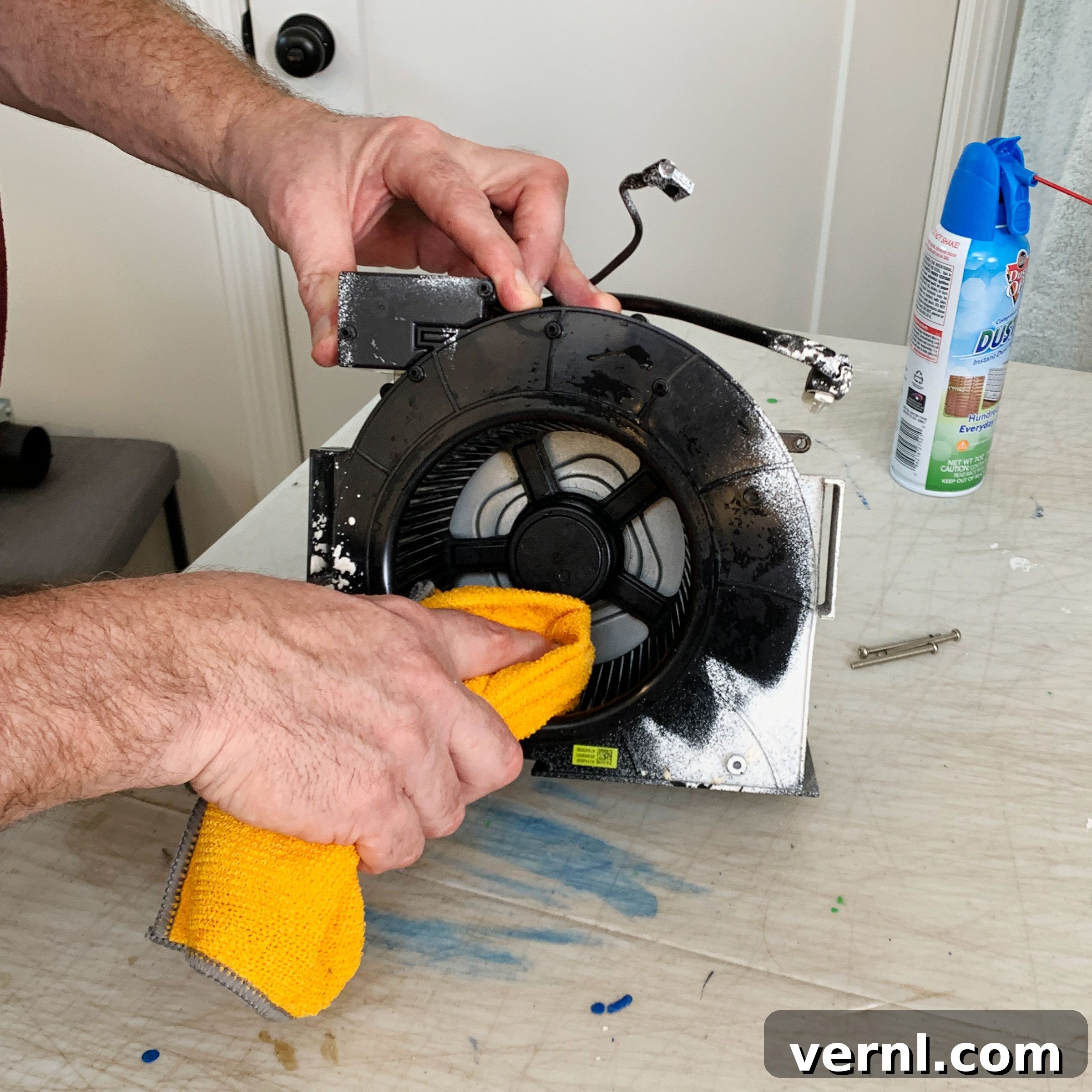
Comprehensive Guide: How to Clean Your Bathroom Fan for a Healthier Home
A well-maintained bathroom exhaust fan is more than just a convenience; it’s a crucial component for a healthy and safe home. Often overlooked, this hardworking appliance plays a vital role in removing moisture, odors, and airborne contaminants from one of the most humid rooms in your house. Neglecting its upkeep can lead to a host of problems, from unsightly mold and mildew growth to compromised air quality and even serious fire hazards. This comprehensive guide will walk you through the simple yet essential steps to clean your bathroom fan, ensuring it operates efficiently and contributes to a healthier living environment.
Before diving into the detailed cleaning process, watch this helpful video demonstrating how to clean a bathroom fan:
Regular maintenance of your bathroom fan is a small task with significant benefits. Let’s explore why this chore should be a priority on your home maintenance checklist and how you can tackle it with confidence.
Why Cleaning Your Bathroom Fan Is Crucial
Many homeowners underestimate the importance of their bathroom fan until a problem arises. However, understanding the multifaceted benefits of a clean exhaust system can motivate you to keep it in prime condition.
1. Preventing Mold and Mildew Growth
The primary function of a bathroom fan is to exhaust humid air, preventing it from condensing on surfaces. When excess moisture lingers, it creates an ideal breeding ground for mold and mildew. These fungi not only cause unsightly stains and musty odors but can also pose serious health risks, triggering allergies, asthma attacks, and other respiratory issues, especially in sensitive individuals. A clean fan efficiently removes moisture, drastically reducing the chances of these unwelcome guests taking root in your bathroom.
2. Enhancing Indoor Air Quality
Beyond moisture, bathroom fans also remove unpleasant odors and airborne particles from cleaning products, hairspray, and other aerosols. A fan clogged with dust and grime cannot move air effectively, meaning these irritants remain in the air you breathe. Regular cleaning ensures maximum airflow, contributing to fresher, cleaner indoor air quality throughout your home.
3. Eliminating Fire Hazards
Perhaps one of the most overlooked dangers of a dirty bathroom fan is the fire risk. Over time, dust, lint, and pet hair can accumulate within the fan housing and around the motor. These flammable materials, when exposed to the heat generated by the fan’s motor, can ignite, leading to a house fire. This risk is particularly high with older or heavily used fans. A thorough cleaning removes these dangerous obstructions, significantly enhancing your home’s fire safety.
4. Improving Fan Efficiency and Longevity
When dust and debris build up on fan blades and within the motor housing, the fan has to work harder to move air. This increased strain not only makes the fan less effective at its job but also consumes more electricity, driving up your energy bills. Moreover, continuous overexertion can lead to premature motor failure, necessitating costly repairs or a full replacement. Keeping your fan clean ensures it operates at peak efficiency, extends its lifespan, and saves you money in the long run.
5. Protecting Your Home’s Structure
Excessive moisture can also damage your home’s structural integrity. Prolonged exposure to humidity can cause paint to peel, wallpaper to bubble, grout to deteriorate, and even lead to rot in wooden fixtures and drywall. By effectively venting moisture, a clean fan helps preserve the finishes and structure of your bathroom, preventing costly repairs down the line.
How Often Should You Clean Your Bathroom Fan?
The frequency of cleaning depends on several factors, including fan usage, household size, and overall dust levels in your home. As a general guideline, aim to clean your bathroom fan thoroughly at least once every six months. For bathrooms with heavy use, such as those in larger families or frequently used guest bathrooms, a quarterly cleaning might be more appropriate. A quick visual inspection every month can also help you determine if dust accumulation warrants an earlier cleaning.
Tools and Materials You’ll Need
Gathering all your supplies before you begin will make the cleaning process smoother and more efficient. Here’s what you’ll typically need:
- Safety goggles and gloves: To protect your eyes from falling dust and your hands from dirt and cleaning solutions.
- Dust mask: Recommended to avoid inhaling accumulated dust.
- Step ladder or sturdy stool: To safely reach the fan.
- Screwdriver (Phillips or flathead): Depending on the type of fasteners holding the fan cover.
- Vacuum cleaner with a hose attachment: For removing loose dust.
- Stiff brush or old toothbrush: To dislodge stubborn grime from blades and housing.
- Microfiber cloths or old rags: For wiping surfaces.
- Mild all-purpose cleaner or dish soap: Mixed with water for a cleaning solution.
- Warm water: For rinsing and mixing with soap.
- Bucket or small bowl: For your cleaning solution.
- Plastic bag or drop cloth: To catch debris and protect surfaces below.
Step-by-Step Guide to Cleaning Your Bathroom Exhaust Fan
Follow these steps carefully to ensure a safe and effective cleaning of your bathroom fan.
Step 1: Prioritize Safety – Turn Off the Power
This is the most critical step. Before touching any part of the fan, you MUST turn off the power supply to the bathroom fan at your home’s main electrical breaker panel. Simply flipping the light switch off is not enough, as some fans are wired separately. Confirm the power is off by trying to turn the fan on after you’ve cut the power at the breaker. Safety first prevents electrical shocks or damage to the unit.
Step 2: Prepare the Area
Place a drop cloth, old towel, or a large plastic bag directly beneath the fan. This will catch any dust, debris, or cleaning solution that might fall during the process, making cleanup easier.
Step 3: Remove the Fan Cover/Grille
Most bathroom fan covers are held in place by spring clips or small screws. Gently pull down on the cover; if you feel resistance, look for small metal spring clips on the sides that you can squeeze together to release, or locate any visible screws and remove them with your screwdriver. Once released, carefully pull the cover down and detach it from the housing.
Step 4: Clean the Fan Cover
Take the removed cover to a sink. Use a stiff brush or an old toothbrush to scrub away accumulated dust and grime. For stubborn dirt, soak the cover in warm, soapy water for a few minutes before scrubbing. Rinse it thoroughly and set it aside to air dry completely before reinstallation. Ensure it’s bone dry to prevent moisture issues.
Step 5: Access and Clean the Fan Interior
With the cover off, you’ll see the fan motor, blades, and housing. These areas are typically coated with dust and lint. Start by using your vacuum cleaner’s hose attachment to suction up as much loose dust as possible from the fan blades, motor, and the interior of the housing. Be gentle, especially around wires and the motor.
For more stubborn, caked-on dust, use a stiff brush or an old toothbrush to dislodge it. You can also carefully wipe down the fan blades and the inside of the housing with a damp cloth lightly moistened with your mild all-purpose cleaner or soapy water. Be very cautious not to spray liquid directly into the motor or electrical components. If the fan blades are removable (some models allow this, consult your fan’s manual), take them out for a more thorough cleaning.
Step 6: Address the Ductwork (Optional but Recommended)
While a full duct cleaning is usually a job for professionals, you can visually inspect the initial section of the ductwork attached to your fan. If you see significant dust buildup, use your vacuum hose to reach as far as comfortably possible to remove any easily accessible debris. Blocked ducts severely impede fan performance.
Step 7: Allow to Dry and Reassemble
Once you’ve cleaned all accessible parts, allow ample time for everything to air dry completely. This is crucial before reconnecting power. Once dry, carefully reattach the fan blades (if removed), then position the fan cover back into place, securing it with the springs or screws. Make sure it’s firmly seated and flush with the ceiling.
Step 8: Restore Power and Test
Return to your electrical breaker panel and restore power to the bathroom. Go back to the bathroom and turn on the fan switch to ensure it’s operating correctly. You should notice improved airflow and potentially quieter operation.
Tips for Maintaining a Healthy Bathroom Environment
Cleaning your fan is a significant step, but incorporating these habits can further enhance your bathroom’s air quality and prevent moisture-related issues:
- Run the Fan During and After Showers: Always turn on the fan before you start showering or bathing and let it run for at least 15-20 minutes after you’re done. This allows ample time to clear all the steam and humidity.
- Leave Bathroom Door Ajar: If possible, leave the bathroom door slightly open when not in use. This promotes air circulation and helps dry out the space.
- Ventilate Naturally: If your bathroom has a window, open it periodically to allow fresh air in and moist air out.
- Address Leaks Promptly: Fix any leaky faucets, showerheads, or toilets immediately to prevent additional moisture.
- Consider a Dehumidifier: In particularly humid climates or bathrooms without effective ventilation, a small dehumidifier can be a valuable addition.
- Clean Surfaces Regularly: Wipe down shower walls, tubs, and sinks frequently to remove water droplets and prevent mildew growth.
Conclusion
Cleaning your bathroom fan is a straightforward home maintenance task that offers substantial returns in terms of health, safety, and comfort. By dedicating a small amount of time to this chore a couple of times a year, you can effectively prevent the growth of mold and mildew, safeguard your home against potential fire hazards, improve your indoor air quality, and extend the life of your appliance. Make it a regular part of your home care routine, and enjoy the benefits of a fresher, cleaner, and safer bathroom environment for years to come.
For more detailed information and visual guides on cleaning your bathroom fan, consider exploring resources like:
How To Clean a Bathroom Fan – Family Handyman