
Mastering Frost Dates: A Comprehensive Guide to Protecting Your Garden and Extending Your Harvest
For any dedicated gardener, the arrival of frost can be a moment of both apprehension and strategic planning. A sudden dip in temperature can bring a swift and often heartbreaking end to a thriving fall harvest, just as an unexpected late spring freeze can decimate tender young plants newly set out in the garden. Whether you’re preparing for autumn’s chill or eagerly anticipating spring’s warmth, understanding and preparing for freezing temperatures is paramount to the health and productivity of your garden. Knowing your local frost dates empowers you to take proactive measures, safeguarding your plants from harm and significantly extending your growing season.
This comprehensive guide will equip you with the essential knowledge to navigate the challenges of frost and freezing temperatures. We’ll explore the nuances of different freeze levels, demystify the concept of frost dates, and provide practical, actionable strategies to protect your garden. From identifying frost-tolerant crops to implementing effective covering techniques, you’ll gain the confidence to face unpredictable weather and ensure your plants flourish for as long as possible.
What Exactly is Frost? Understanding the Nuances of Freezing Temperatures
While often used broadly, the term “frost” specifically refers to the formation of ice crystals on surfaces when the temperature of those surfaces dips to 32 degrees Fahrenheit (0 degrees Celsius) or below. However, this definition barely scratches the surface of the phenomenon that can impact your garden. For gardeners, it’s crucial to understand the varying degrees of cold, as their effects on plant life differ significantly.
Experts typically categorize freezing temperatures into three main levels, based on their intensity and the resulting damage to plants:
- A Light Freeze (29 to 32 degrees F / -1.6 to 0 degrees C): In this range, the most tender plants are at risk and can be severely damaged or killed. This includes many annual flowers and warm-season vegetables like tomatoes, peppers, basil, and impatiens. Visible ice crystals will often form on leaves and other exposed surfaces. While harmful to delicate foliage, the ground usually does not freeze solid, meaning perennial roots are generally safe.
- A Moderate Freeze (25 to 28 degrees F / -3.8 to -2.2 degrees C): This is a significantly colder condition that poses a threat to a broader range of plants. Most garden plants, including many semi-hardy varieties, will likely sustain considerable damage. Temperatures consistently below 28 degrees F are commonly referred to as a “killing frost” because they are cold enough to end the growing season for a vast majority of annuals and cause severe dieback in less hardy perennials.
- A Heavy or Hard Freeze (Below 24 degrees F / Below -4.4 degrees C): This represents severe cold that can be devastating to all but the most cold-hardy plants. At these temperatures, the ground can freeze solid, potentially damaging the root systems of even some established perennials. Without substantial protection, very few cultivated plants can survive a prolonged heavy freeze outdoors.
Beyond the absolute temperature, the duration of the cold snap is equally critical. A brief dip below 32 degrees Fahrenheit for just an hour or two might cause minimal harm, especially if it occurs before sunrise and is quickly followed by warming sunshine. Conversely, if temperatures remain below freezing for several hours overnight, or for multiple consecutive nights, the risk of significant, widespread plant damage increases dramatically. Therefore, even if forecasts predict only a short window below 32 degrees, proactive preparation of your garden is essential. This is precisely why pinpointing your specific local frost dates is a cornerstone of successful gardening.
Decoding Frost Dates: Your Garden’s Calendar for Success
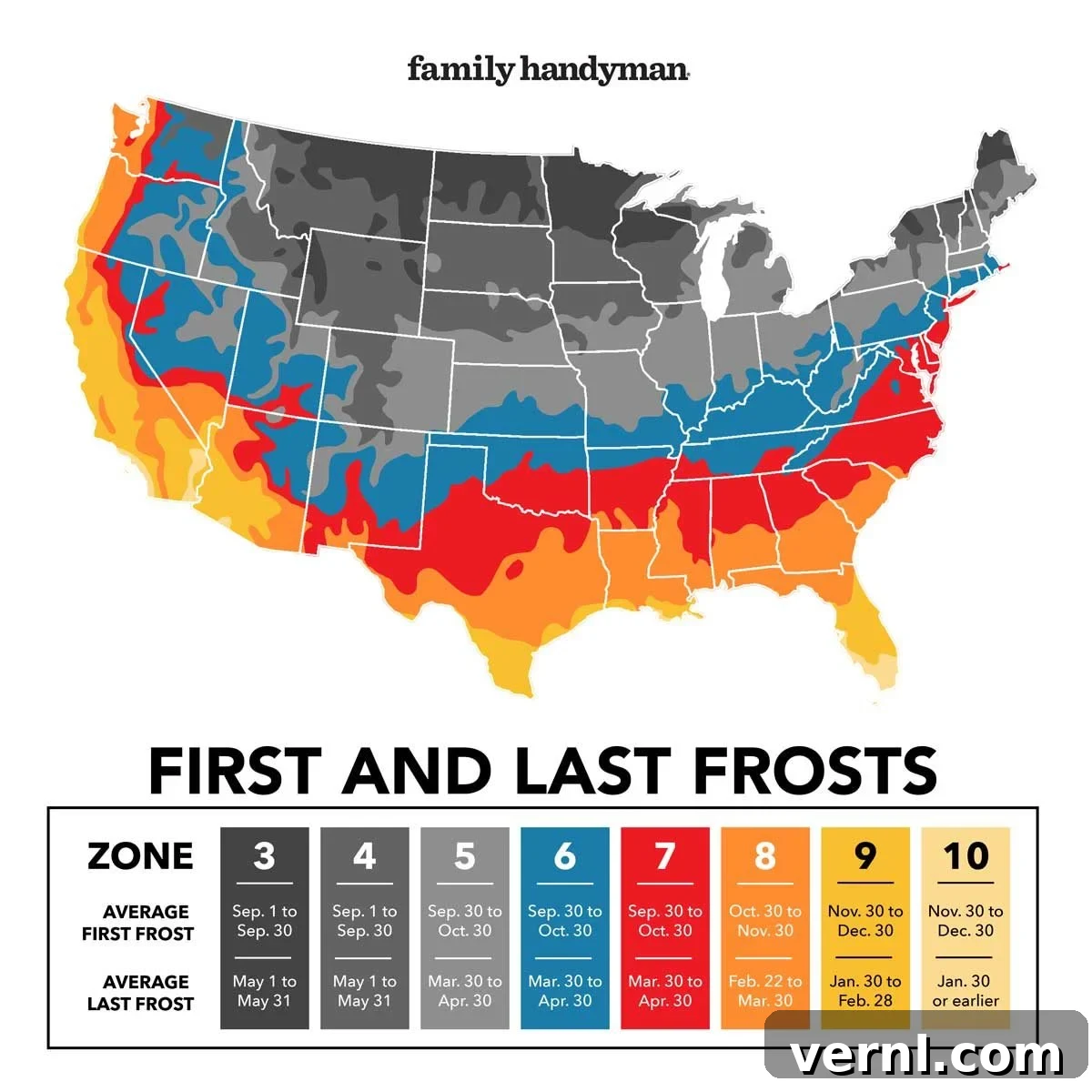
The term “Frost Date” is a practical shorthand that actually refers to two critical markers on a gardener’s annual calendar: the First Frost Date and the Last Frost Date. These dates represent the average historical occurrences of the first and last freezing temperatures in a given geographical area. It’s vital to understand that these are statistical averages, not definitive guarantees. Mother Nature, after all, doesn’t always adhere strictly to averages. However, these dates serve as incredibly helpful benchmarks for strategic garden planning, guiding decisions such as ideal planting times, scheduling your final fall harvest, and initiating essential fall garden cleanup tasks.
Utilizing these average dates provides a robust framework for determining when it’s safe to introduce tender crops to the spring garden and when it’s time to batten down the hatches for winter in the fall. While they offer a general guideline, they empower gardeners to make informed decisions that can maximize their growing season and significantly reduce the risk of unforeseen frost damage. Furthermore, understanding the factors that influence these dates – such as elevation, proximity to large bodies of water, and urban heat island effects – can further refine your knowledge of your garden’s unique microclimate, allowing for even more precise timing in your gardening efforts.
When Is the First Frost Date? Preparing for Autumn’s Chill
The First Frost Date typically marks the transition from autumn into winter, occurring when the first freezing temperatures of the colder season are historically expected. For gardeners in cooler climates, particularly those at higher latitudes or elevations, this date can even creep into late summer. This pivotal date signals the beginning of the end for many warm-season crops and serves as a critical trigger for fall garden preparations.
It’s fascinating to observe just how localized the First Frost Date can be. Geographical factors play a significant role, causing considerable variation even between communities that are relatively close to each other. For instance, while Des Moines, Iowa, might have an average First Frost Date of October 12th, a town situated merely an hour north could experience its first frost more than a week earlier. These differences often stem from subtle shifts in elevation, variations in terrain that create ‘frost pockets’ where cold air settles, or even the moderating influence of nearby bodies of water. This variability underscores the importance of seeking out frost date information that is specifically tailored to your precise location rather than relying on generalized regional data.
How to Accurately Find Your Local First Frost Date:
Pinpointing your specific First Frost Date has become increasingly accessible through various resources:
- Local Cooperative Extension Websites: State university cooperative extension offices are an invaluable resource, often providing detailed local climate data, including average frost dates, tailored to specific zones within your state. They may also offer localized gardening advice for your region.
- Reputable Online Search Engines and Databases: A simple, targeted search for “first frost date [your town], [your state]” or “frost dates [your zip code]” will typically yield reliable results from trusted sources such as the National Oceanic and Atmospheric Administration (NOAA), agricultural almanacs, or established gardening websites.
- Local Nurseries and Garden Centers: These community-based businesses are intimately familiar with local climate nuances and can offer excellent, practical advice based on years of experience in your specific area. They often have resources or local calendars.
Understanding your First Frost Date is invaluable for strategic garden management. It helps you determine the optimal window for harvesting heat-loving crops before they succumb to the cold, such as the last of your tomatoes, cucumbers, and squash. It also guides the planting schedule for your fall and winter vegetables, ensuring they have adequate time to mature before sustained, harsh cold sets in. By being aware of this date, you can proactively protect sensitive plants, maximize your harvest yield, and gracefully transition your garden into the colder dormant months.
When Is the Last Frost Date? Ushering in Spring and New Growth
In stark contrast to the autumnal First Frost, the Last Frost Date signals the eagerly awaited arrival of spring. This critical date represents the average day after which the probability of freezing temperatures significantly diminishes, making it safe to plant most warm-season crops outdoors. For gardeners, the Last Frost Date is arguably the most important single date in the spring, as it effectively dictates the true start of the outdoor growing season for a vast array of common fruits, vegetables, and ornamental flowers.
Seed packets are an excellent source of information, often containing vital instructions directly related to your Last Frost Date. If you are raising plants from seed, you will frequently encounter directives such as, “wait to sow seeds outdoors until danger of frost has passed.” This phrase directly refers to your local Last Frost Date, indicating the earliest safe period for direct sowing. For those who opt to sow seeds indoors to get a head start on the season, instructions might be more specific, reading something like, “Sow seeds six weeks before your average Last Frost date.” This timing allows enough weeks for seedlings to develop into robust young plants that are ready for transplanting outdoors once the threat of cold has safely vanished.
Successfully navigating the Last Frost Date is key to preventing premature planting, which can lead to stunted growth, irreversible plant damage, or even complete plant death. Such setbacks can be disheartening and often necessitate the costly and time-consuming task of replanting. By aligning your planting schedule with this crucial date, you significantly enhance the chances of cultivating a healthy, productive garden that thrives throughout the spring and summer months. This date also plays a vital role in planning the “hardening off” process for indoor-started seedlings, gradually acclimating them to the harsher outdoor conditions before their final transplant, ensuring a smooth transition and greater survival rates.
Embracing the Cold: What Can Be Planted Before the Last Frost?
While the Last Frost Date signals the safe period for tender, warm-season crops, it doesn’t mean your garden must remain entirely dormant until then. Many hardy and semi-hardy plants actually prefer, and even flourish in, cooler weather, making them ideal candidates for early spring planting. These cool-season crops can be successfully planted outdoors well before the average Last Frost Date, often weeks in advance, allowing you to maximize your garden’s output and enjoy early harvests.
Examples of plants that not only tolerate but often welcome the early spring chill include:
- Leafy Greens: Spinach, lettuce (including romaine, butterhead, and various loose-leaf varieties), kale, Swiss chard, arugula, and mustard greens. These vegetables frequently develop a sweeter, less bitter flavor profile when grown and harvested in cooler temperatures.
- Root Vegetables: Radishes, carrots, beets, parsnips, and turnips can be directly sown into the ground as soon as the soil becomes workable in early spring. They appreciate the moist, cool soil conditions for germination and root development.
- Legumes: Peas, both shelling peas and snap/snow varieties, are classic early spring crops that benefit immensely from cooler soil temperatures for optimal germination and growth.
- Brassicas (Cole Crops): Broccoli, cabbage, cauliflower, and Brussels sprouts can be planted as seedlings a few weeks before the last frost, as mature plants are quite tolerant of light freezes.
- Hardy Herbs: Some resilient herbs like parsley, cilantro, and chives can also be planted early in the spring.
For gardeners eager to push the boundaries of their growing season even further, providing temporary protection for young seedlings in early spring is a common and highly effective strategy. Even simple methods can make a significant difference:
- Cloches: Individual plant covers, often crafted from repurposed materials like empty plastic milk jugs (with their bottoms removed), glass bells, or specialized plastic domes, act like miniature greenhouses. Placed over individual plants, they create a microclimate that offers crucial protection from cold, wind, and even light frost.
- Row Covers: Lightweight, permeable fabric covers draped over hoops or directly over plants can elevate temperatures beneath them by several degrees. These provide excellent protection against light frosts, shield plants from harsh winds, and deter early-season pests, all while allowing essential light and water to penetrate.
- Cold Frames: These are essentially bottomless boxes with transparent tops, designed to capture solar energy and insulate plants. Cold frames are invaluable for hardening off seedlings started indoors, extending the cultivation of cool-season crops, or protecting semi-hardy plants through unexpected cold snaps.
- Raised Beds: The soil in raised garden beds often warms up faster in the spring compared to in-ground plots, allowing for earlier planting opportunities. This improved drainage and aeration also contribute to healthier root development.
Conversely, summer vegetables and most tender herbs—including tomatoes, peppers, squash, cucumbers, beans, corn, basil, and rosemary—are extremely sensitive to cold temperatures. These varieties should always be planted outdoors only after the Last Frost Date has safely passed, ensuring consistently warm soil and air temperatures for their optimal growth, flowering, and fruit production.
Frost vs. Freeze: A Clearer Distinction for Gardeners
While often used interchangeably in everyday conversation, the terms “frost” and “freeze” carry distinct meanings that are crucial for gardeners to understand, as expert Melissa Rolston clearly articulates. A precise understanding of these differences aids significantly in accurately assessing risk and implementing the most appropriate protective measures for your plants.
- Frost: Rolston explains, “A frost happens when surface temps dip to freezing, but the air might still be slightly warmer.” This phenomenon occurs when water vapor in the air comes into contact with surfaces that are at or below 32°F (0°C), causing ice crystals to form directly on those surfaces without the entire ambient air mass necessarily dropping to the freezing point. Frost primarily affects the exposed, above-ground parts of plants, such as delicate leaves and new growth. You’ll observe visible ice crystals shimmering on plant foliage, grass, or vehicle windshields as a tell-tale sign of frost.
- Freeze: “A freeze,” Rolston clarifies, “is when the actual air temperature drops below freezing.” This signifies a more pervasive and widespread cold, where the entire volume of air in a given area is at or below 32°F (0°C). Freezes are generally more damaging and are categorized by their intensity, as detailed earlier:
- Light Freeze (29-32°F): Damages tender leaves and most annuals.
- Moderate/Hard Freeze (25-28°F): Can severely damage or kill a wide range of plants, including many perennials, and can cause superficial ground freezing.
- Killing Freeze (Below 24°F): Destroys entire plants, including the unprotected root systems of many species, and results in deep ground freezing.
The distinction is critically important for gardeners: “Frost damages tender leaves; a hard freeze can take out roots and entire plants. If you’re not sure, cover your plants just in case,” advises Rolston. This insightful guidance emphasizes that knowing whether you’re facing localized surface freezing or widespread ambient cold helps you anticipate the severity of potential damage and deploy the most effective protection strategies, err on the side of caution.
Are There Any Plants That Can Survive a Freeze?
Fortunately, nature is replete with resilient species, and many cultivated plants possess remarkable tolerance to cold temperatures. While a “killing frost” (below 24°F) typically spells the definitive end for most tender annuals and heat-loving vegetables, a significant number of vegetables and ornamentals are remarkably frost-hardy or semi-hardy. These plants are capable of withstanding light to moderate freezes without significant damage, and in some cases, a light chill can even enhance their flavor or texture.
Among the vegetables that are well-known for their ability to withstand a light freeze (29-32°F) without special protection are:
- Leafy Greens: Kale, Swiss chard, many varieties of leaf lettuce, spinach, collard greens, and mustard greens often become even sweeter after a light frost.
- Root Vegetables: Carrots, parsnips, beets, and turnips are quite cold-tolerant. Many gardeners even leave root vegetables like parsnips and carrots in the ground over winter with a thick layer of mulch, harvesting them fresh as needed.
- Brassicas: Cabbage, broccoli, and Brussels sprouts can endure light freezes, and the flavor of Brussels sprouts is often said to improve after a frost.
- Other Vegetables: Peas and leeks also show good resistance to moderate cold.
These plants have evolved various physiological mechanisms to cope with cold, such as accumulating sugars in their cells, which act as a natural antifreeze, preventing ice crystal formation and the cellular damage that results. While these hardy varieties can tolerate some cold, even they will benefit from additional protection during a hard or killing freeze, especially if they are young, newly planted, or if the cold is prolonged.
Will One Night of Frost Kill My Plants? Safeguarding Your Garden from Cold Snaps
The question of whether a single night of frost will kill your plants receives a nuanced, qualified “yes.” While it’s true that tender plants are highly susceptible to even a brief dip below freezing, the qualification arises from the fact that protective measures can often prevent significant damage or death, effectively turning a potential gardening disaster into a manageable setback. The key lies in understanding the specific environmental conditions and applying the right preventative strategies at the opportune moment.
As previously discussed, a light freeze (29-32°F) will very likely kill or severely damage tender vegetables and annuals if they are left completely exposed. This sensitivity is precisely why commercial growers invest in sophisticated season extension techniques, such as plastic-covered hoop houses or high tunnels, to significantly prolong their harvest periods. For example, in agricultural regions like Iowa, innovative growers raising tomatoes in these protected environments can continue harvesting fresh produce well into early December, long after the outdoor growing season has concluded for conventional methods.
Fortunately, home gardeners, while perhaps without the extensive infrastructure of commercial operations, can employ equally effective, albeit simpler and more cost-efficient, methods to protect their sensitive plants from a single night of frost:
- Covering Plants Effectively: This is arguably the most common and effective technique. Use materials like old sheets, blankets, burlap, or specialized frost cloths. It’s important to avoid draping plastic sheeting directly onto foliage, as plastic can transfer cold to the leaves at points of contact, causing localized damage.
- How to Apply Covers: Drape your chosen material loosely over your plants, ensuring it extends all the way to the ground. This creates an insulating pocket that traps latent heat radiating from the soil overnight. For taller plants or shrubs, use stakes, tomato cages, or sturdy garden furniture to create a supportive frame, preventing the covering from crushing delicate foliage.
- Securing the Covers: Crucially, anchor the edges of the covering to the ground using rocks, bricks, soil, or garden staples. This prevents wind from dislodging the cover and maximizes heat retention beneath it.
- Thorough Watering: A well-hydrated garden soil retains heat significantly more effectively than dry soil. Watering your garden thoroughly in the late afternoon or early evening before a predicted frost can help keep the soil warmer overnight. As the water slowly cools and freezes, it releases latent heat into the surrounding soil and air, providing a slight but beneficial warming effect for your plants.
- Applying Mulch: For perennial plants, shrubs, and even sensitive annuals, apply a thick layer of organic mulch (such as straw, wood chips, shredded leaves, or compost) around the base of the plants. Mulch acts as an insulating blanket, protecting the vital root systems from freezing temperatures and moderating soil temperature fluctuations.
- Bringing Potted Plants Indoors: For container gardens, hanging baskets, or particularly sensitive potted ornamental plants, the easiest and most reliable solution is to simply move them indoors. A garage, shed, covered porch, or even inside your home can provide sufficient protection, especially if a hard freeze is anticipated.
When to Uncover Your Plants: It is equally important to remove covers in the mid-morning, once temperatures are consistently well above freezing and the sun is shining. Leaving covers on during the day can cause plants to overheat, especially on sunny days, and will also hinder essential photosynthesis, potentially stressing the plants more than the cold itself.
By diligently implementing these relatively simple, proactive steps, you can often successfully mitigate the damage from a single night of frost, ensuring your plants survive, continue to thrive, and allow you to extend your harvest and enjoy the beauty of your garden for a considerably longer period.
Frequently Asked Questions (FAQ) About Frost and Freezing Temperatures
Are frost dates guaranteed?
Frost dates are unequivocally not guaranteed, and relying on them as strict, unchangeable deadlines can often lead to disappointment for gardeners. As Melissa Rolston, a distinguished plant expert and Chief Strategy Officer at Paramount Landscaping Inc., wisely explains, “Frost dates are statistical averages—helpful for planning, but Mother Nature doesn’t follow a calendar. Some years, frost hits early; other years, it skips right over.” This inherent variability in weather patterns means that while average dates provide a valuable guideline for general planning, real-time weather monitoring is absolutely indispensable. Rolston strongly advises, “Always check the short-term forecast and watch nighttime lows like a hawk, especially in spring and fall.” This proactive and vigilant approach allows you to react promptly to unexpected cold snaps, even if they occur outside the typical frost date windows, providing essential and timely protection when it’s most needed.
What’s the difference between frost and a freeze?
Understanding the precise distinction between frost and a freeze is critical for effective garden protection and appropriate response. Melissa Rolston, an expert in plant care, clearly differentiates between the two phenomena: “A frost happens when surface temps dip to freezing, but the air might still be slightly warmer. A freeze is when the actual air temperature drops below freezing.” This difference is more than just semantic; it has profound practical implications for how plants are affected and what protective measures are necessary. Frost damage, which occurs when only surfaces are at or below freezing, typically affects the tender leaves and outer growth of plants. A widespread freeze, however, indicates colder ambient air temperatures, posing a far more severe and pervasive threat to the entire plant, including its internal structures and root system. “Frost damages tender leaves; a hard freeze can take out roots and entire plants. If you’re not sure, cover your plants just in case,” she advises. This cautious and informed approach ensures that your plants are adequately protected against the most damaging cold conditions, whether superficial or systemic.
How does frost affect flowerbeds and landscaping plants?
Frost’s impact on ornamental plants within flowerbeds and general landscaping can be quite “sneaky” and often devastating, as Melissa Rolston aptly warns. “Even one cold night can wilt or kill tender plants, especially annuals and tropicals.” Many popular annual flowers, such as impatiens, petunias, coleus, and tropical plants frequently used as annuals in temperate climates (e.g., cannas, elephant ears), are highly susceptible to frost damage. They often show immediate signs of distress, turning black and dying after even a light frost. Perennials, on the other hand, generally exhibit greater resilience. While they “usually bounce back,” Rolston points out that “frost can damage new growth.” Early spring frosts can set back the development of perennial plants, harming emerging shoots, flower buds, and young foliage. To mitigate these risks, she suggests, “Mulching helps regulate soil temps, and for flowerbeds, even a simple bedsheet or garden blanket can be a game-changer on cold nights.” Properly applied mulch provides vital insulation for plant roots, while temporary covers shield delicate above-ground growth from direct exposure to freezing temperatures and biting winds, preserving their beauty and vitality.
Can I revive frost-damaged plants?
The possibility of successfully reviving frost-damaged plants depends heavily on the extent of the damage, the specific plant species involved, and the subsequent care provided. For plants that have experienced only a light frost, where primarily the outer leaves or the very tips of branches are affected, there is often a good chance of recovery. It is best to wait for a few days to fully assess the damage; often, only the visibly blackened, wilted, or mushy parts will need to be carefully pruned away. New, healthy growth may then emerge from the stem, unaffected buds, or the plant’s base. However, for plants subjected to a hard or killing freeze, especially very tender annuals or tropicals, complete recovery is much less likely. Hardier perennials, even if all above-ground growth appears dead, often possess intact root systems that can sprout new growth in the spring. A crucial tip: avoid pruning immediately after a frost, as the damaged parts can surprisingly offer a layer of insulation and protection to the underlying healthy tissues. Wait until the danger of further frost has completely passed and new growth visibly begins to appear before removing any dead or damaged material.
How does elevation and topography affect frost dates?
Elevation and local topography exert a significant influence on actual frost dates and the creation of microclimates, even within relatively small geographical areas. Generally, higher elevations tend to experience colder temperatures and, consequently, earlier first frosts in the fall and later last frosts in the spring compared to lower elevations. This is due to cooler air temperatures at higher altitudes. Conversely, cold air is denser than warm air and tends to sink, accumulating in valleys, depressions, and low-lying areas. This creates localized “frost pockets” where temperatures can be several degrees colder than on surrounding higher ground. Slopes, particularly those facing south, can sometimes be warmer because cold air drains away, preventing its accumulation—a phenomenon known as the thermal belt effect. Furthermore, proximity to large bodies of water, such as lakes or oceans, can moderate local temperatures, leading to delayed first frosts and earlier last frosts in coastal or lakeside areas. Understanding your specific site’s elevation, slope, and surrounding landscape features allows for a far more accurate assessment of your garden’s unique vulnerability to frost, enabling more precise planning and targeted protection strategies.
About the Expert
Melissa Rolston is the Chief Strategy Officer at Paramount Landscaping Inc., an award-winning landscape company based in Canada. With extensive expertise in horticulture and garden design, Melissa and her team offer comprehensive services including lawn care, tree trimming, and bespoke garden installations. Their mission is to help clients enhance their outdoor spaces with vibrant color, lush greenery, and sustainable practices. Melissa’s insights provide valuable, real-world advice for gardeners navigating the complexities and challenges of frost and cold weather protection.