
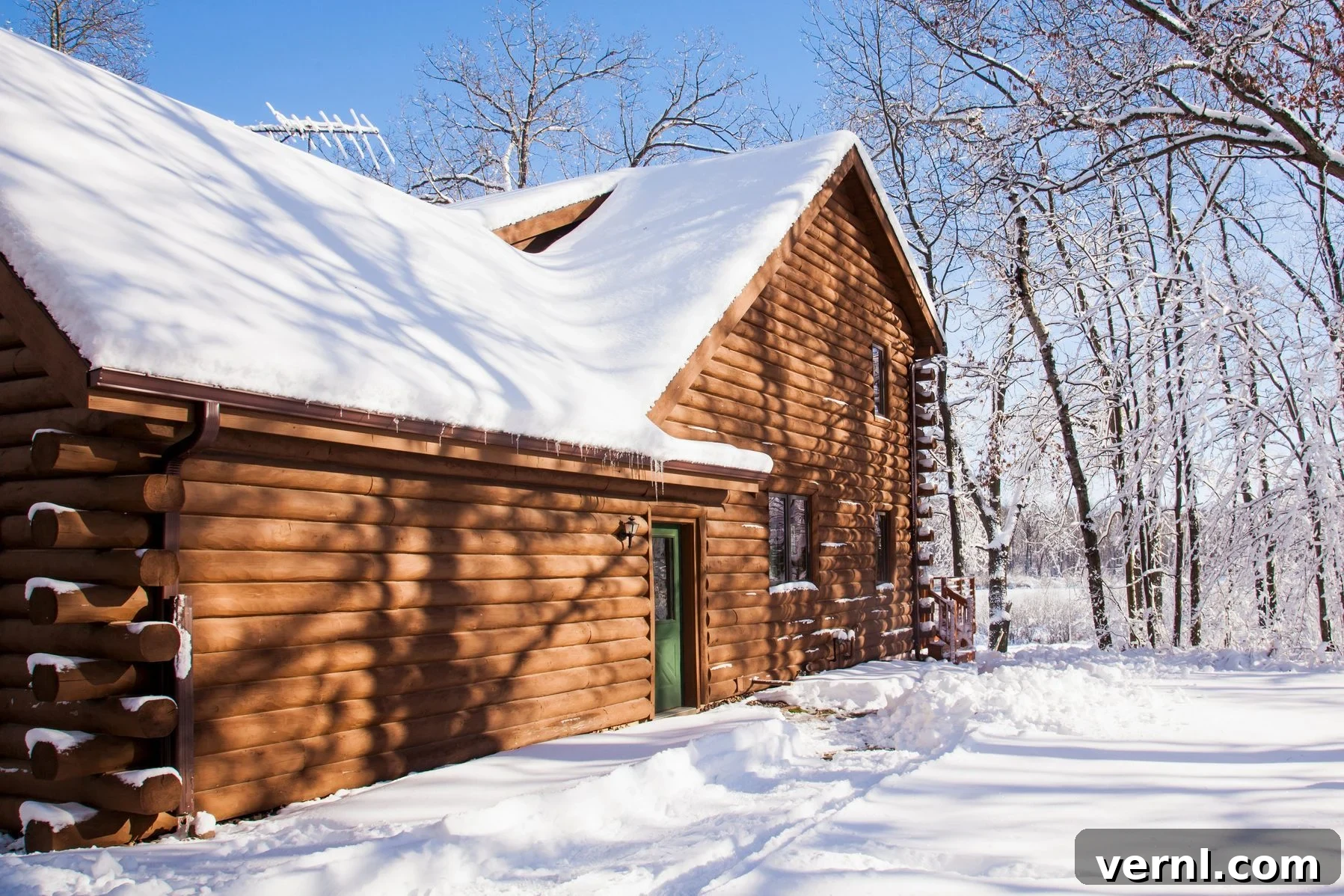
Protecting Your Cabin: A Comprehensive Guide to Preventing Frozen and Burst Pipes
In regions where winter temperatures frequently plummet below freezing, the threat of frozen pipes is a serious concern for homeowners. For year-round residences, annual plumbing winterization before the onset of cold weather is a standard preventative measure. However, for seasonal properties like summer cabins, the risks are significantly amplified due to prolonged vacancy and intermittent use.
Missing the critical window for proper winterization can leave your cabin vulnerable to a cold, windy night’s potential havoc. While homeowners are often present to address a freezing pipe before it bursts, an unattended cabin faces a much higher risk of undiscovered damage. As Bret Hepola, owner of All City Plumbing in Minnestrista, Minn., points out, a frozen or burst pipe in a vacant cabin—such as one left empty from October to April—can easily go unnoticed for months. This oversight can lead to an enormous and costly mess, extending far beyond the initial plumbing failure.
The scale of damage from an undetected burst pipe can be devastating. We’re not just talking about minor leaks; rather, the potential for extensive mold growth, ruined appliances, and widespread water damage affecting floors, cabinets, drywall, and even structural components. In the most severe cases, the entire plumbing system may be compromised, necessitating a complete overhaul.
Why Cabins Are Especially Vulnerable to Frozen Pipes
Cabins often present a unique set of challenges that increase their susceptibility to freezing temperatures. Many older cabins typically feature inadequate insulation, inefficient heating systems, and thinner wall construction compared to modern, year-round homes. According to professional engineer Vincent R. Christofora, Jr., owner of Woodstock Hardware in Woodstock, New York, these factors collectively intensify already unfavorable cold-weather conditions, making pipes particularly prone to freezing.
Furthermore, shifting global weather patterns and increased storm activity expose some cabins to harsher winds and more extreme freezing temperatures than in previous years. Christofora emphasizes that this environmental exposure makes them significantly more susceptible to frozen pipes than an average house that is consistently maintained and occupied throughout the year.
In the unfortunate event of a major burst pipe incident, the worst-case scenario often involves hiring a specialized restoration company. These professionals are tasked with remediating the damage, eliminating mold, and making the cabin safe and habitable once more. This extensive restoration process is exponentially more expensive and time-consuming than implementing preventative measures in the first place.
The financial implications can be staggering. Nationally, the cost for professional water damage restoration can range from $3.75 to $7 per square foot, as reported by Thumbtack, a platform connecting homeowners with local home improvement experts. For a modest 1,000-square-foot cabin, this translates to an estimated cost of $3,750 on the low end, potentially soaring to $7,000 or more for comprehensive repairs.
While undertaking the restoration work yourself can save on labor costs, it comes at a significant price in terms of personal time and effort. The hours spent on arduous repairs will inevitably cut into precious leisure time, meaning less relaxing on your cabin’s front porch during the next season. Moreover, water damage often creates hazardous conditions, as it can quickly lead to mold and mildew growth, which poses serious health risks and requires careful handling.
Does Homeowners Insurance Cover Frozen and Burst Pipes?
It’s a common misconception that standard homeowners insurance will automatically cover the full cost of a frozen pipe disaster at your cabin. According to Terra Gross, an Illinois-based attorney specializing in homeowners policies, coverage is not always guaranteed and depends heavily on the specifics of your individual policy. It’s crucial to read and understand your policy thoroughly—ideally before you even sign up for it.
Even if your policy does include coverage for frozen pipes, insurance companies will often require proof that you took reasonable and proactive steps to prevent the disaster. This “due diligence” clause is standard and aims to ensure homeowners are not negligent in their property maintenance. The specific steps required for coverage can vary by policy and insurer, but they generally align with widely accepted preventative measures. Fortunately, these are often actions you should be taking anyway to protect your investment.
To fully understand your protection, it’s also wise to research cabin insurance specifically, as policies for vacation homes may differ significantly from primary residence coverage. Some policies may have exclusions for properties left vacant for extended periods without specific checks or winterization procedures. Taking preventative action is not only wise for protecting your property but also for ensuring your insurance policy provides the coverage you expect.
Essential Winterization Strategies: Safeguarding Your Cabin’s Plumbing
Protecting your cabin from the devastating effects of frozen and burst pipes during the long, cold winter requires a multi-faceted approach. Here are the most effective strategies you can implement:
1. Insulate Your Pipes Thoroughly
Think of pipe insulation as a warm, protective blanket for your plumbing. It’s one of the most fundamental and effective preventative measures against freezing. Mike Mushinski, president of bluefrog Plumbing + Drain, advises, “Any pipes that are exposed to air should be insulated before a freeze.” This includes pipes in unheated basements, crawl spaces, attics, and those running along exterior walls.
Fortunately, insulating pipes is a relatively straightforward DIY task for those with some experience. If you’re unsure about the best materials, Vincent R. Christofora, Jr. recommends using a high-quality fiberglass insulation wrap or a self-sealing polyethylene foam wrap. These materials create a thermal barrier that slows down heat loss from the water inside the pipes, significantly extending the time it takes for them to freeze. For highly vulnerable sections, pipe heat tape (also known as heat cable) can be an excellent supplementary option. Heat tape contains an electric heating element that automatically activates when temperatures drop, providing direct warmth to the pipes. However, due to the electrical component, it’s advisable to consult with a plumber and/or electrician to determine if heat tape is the right, safe solution for your specific cabin setup.
2. Maintain a Minimum Interior Temperature
While insulation is vital, Bret Hepola offers a crucial word of caution: “Insulation will help, but it will not stop a pipe from freezing indefinitely.” He strongly recommends keeping the heat on in your cabin throughout the winter, if at all possible. You don’t need to keep the interior toasty warm; a setting of 50 to 55 degrees Fahrenheit (10 to 13 degrees Celsius) is generally sufficient to prevent pipes from freezing, even those within walls. The incremental heating costs over the winter are negligible when compared to the enormous financial and emotional headache of dealing with a burst pipe and subsequent water damage. Many modern smart thermostats allow you to monitor and adjust your cabin’s temperature remotely, providing peace of mind and the ability to react to sudden cold snaps.
3. Implement the “Drip” Method (with caveats)
Another option to consider, especially during short-term cold spells or for pipes that cannot be easily drained, is to allow faucets at your cabin to drip ever so slightly. Christofora suggests allowing them to drip to a “light stream” rather than a full blast. The scientific principle behind this is simple: it takes significantly colder temperatures to freeze moving water compared to stagnant water. The continuous flow, even a slow one, prevents ice from forming and building up within the pipe.
However, this method is not without its drawbacks. Leaving water running, even at a minimal drip, can lead to substantial water waste over several months, which can be costly and environmentally irresponsible. Therefore, while effective for short periods, for a cabin that will be vacant for an entire winter, the next tip offers a more comprehensive and sustainable solution.
4. Shut Off and Completely Drain Your Water System
For seasonal cabins that will remain unoccupied for extended periods during freezing temperatures, perhaps the most effective and foolproof prevention method is to turn off the main water supply and completely drain your entire plumbing system. This eliminates any water within the pipes that could potentially freeze and cause damage. Mike Mushinski affirms, “This is helpful if you will be [away] for long periods of time during freezing temperatures, to ensure that there is no still water in the pipes that could freeze and cause damage.”
To execute this properly:
- Locate and close the main water shut-off valve: This is typically found where the main water line enters your cabin.
- Drain your hot water heater: Turn off the power or gas to the water heater, then open the drain valve at the bottom of the tank.
- Open all faucets: Go through your cabin and open every hot and cold water faucet, including those in sinks, tubs, and showers. This releases pressure and allows the water in the lines to drain out.
- Use an air compressor: For maximum effectiveness, connect an air compressor to a hose bib or other accessible point in your plumbing system and use it to blow out any residual water from the lines. This ensures virtually all water is expelled.
- Flush all toilets: After opening faucets, flush each toilet to empty the tanks and bowls.
By removing all water from the system, you eliminate the risk of freezing entirely.
5. Keep Kitchen and Bathroom Cabinet Doors Open
Pipes located within kitchen and bathroom cabinets, especially those situated along uninsulated exterior walls, are particularly susceptible to freezing. These enclosed spaces are often much colder than the main living areas of the cabin. If you are keeping the heat on in your cabin, simply leaving these cabinet doors open will allow the ambient warm air to circulate around the pipes. This seemingly minor action can significantly help to maintain a slightly warmer temperature for the pipes, reducing their vulnerability to freezing temperatures.
6. Treat Drains and Fixtures with RV Antifreeze
Even after draining your water system, P-traps (the curved sections of pipe under sinks) and toilet bowls will still contain a small amount of water. To prevent this remaining water from freezing and cracking fixtures, you’ll need a jug of RV antifreeze and a good set of instructions to winterize cabin plumbing. It is crucial to use only RV/marine antifreeze, which is non-toxic and specifically designed for plumbing systems. Never use regular automotive antifreeze, as it contains toxic chemicals that can damage your plumbing and contaminate your septic system or the environment.
The process involves pouring diluted RV antifreeze down the drains of your tubs, sinks, and showers. This liquid will settle in the P-traps, preventing any water remaining there from freezing and bursting the pipes. For your toilets, first, drain the tank (if you haven’t already by flushing after turning off the water supply), then pour the RV antifreeze directly into the bowl. This displaces the water and creates a non-freezing barrier. Remember that proper disposal of antifreeze (even RV antifreeze) is important if you collect it later.
7. Leverage Smart Home Technology for Remote Monitoring
While all the above steps significantly reduce risk, nothing is entirely foolproof. For an extra layer of security and peace of mind, consider integrating smart home technology into your cabin. Installing a WiFi-enabled smart thermostat is an excellent starting point. These devices allow you to remotely monitor your cabin’s interior temperature and receive alerts via an app on your smartphone if the temperature drops below a user-defined threshold. If an alert is triggered, you can often remotely adjust the thermostat to crank up the heat until the cold snap passes, potentially averting a crisis.
Beyond smart thermostats, consider installing smart water leak detectors in critical areas like under sinks, near water heaters, and in basements. These sensors can notify you immediately if water is detected, allowing for rapid intervention even if you’re miles away. Some systems also offer temperature sensors that can be placed strategically around the cabin to monitor specific cold spots. This level of remote oversight provides invaluable reassurance, especially for properties left unattended for extended periods.
Beyond the Basics: Additional Prevention Tips for Cabin Owners
- Seal Air Leaks: Even with good insulation, drafts can cause pipes to freeze. Inspect your cabin for air leaks around windows, doors, and utility penetrations. Seal these gaps with caulk or weatherstripping to keep cold air out.
- Know Your Main Shut-Off Valve: Ensure you (or anyone caring for your cabin) know the exact location of the main water shut-off valve and how to operate it. In an emergency, quickly cutting off the water supply can significantly reduce damage.
- Regular Inspections: If possible, arrange for a trusted neighbor or local caretaker to perform periodic checks on your cabin, especially during extreme cold. They can look for obvious signs of trouble and confirm preventative measures are holding.
Conclusion
The risks associated with frozen and burst pipes in seasonal cabins are substantial, ranging from extensive water damage and mold growth to massive financial burdens and loss of enjoyment. However, with a proactive and comprehensive winterization strategy, you can significantly mitigate these threats. By properly insulating pipes, maintaining a minimum interior temperature, completely draining your water system, treating fixtures with RV antifreeze, and leveraging smart home technology, you invest in the longevity and integrity of your beloved cabin.
Remember, prevention is always more cost-effective and far less stressful than repair. Taking the necessary steps now will ensure your cabin remains a cherished retreat for years to come, ready for you to enjoy worry-free when the warmer seasons return.