Decoding Your Car’s Brake Noises: When to Worry and When to Relax
Your car’s braking system is arguably its most critical safety feature, directly impacting your ability to control and stop the vehicle effectively. A properly functioning brake system ensures peace of mind on every journey. While some brake noises are perfectly normal and no cause for concern, others can be a critical warning sign that your brake system components are wearing out or in urgent need of professional servicing. Understanding the different types of sounds your brakes might make can help you identify potential issues early, preventing more costly repairs and, more importantly, ensuring your safety on the road. This comprehensive guide will help you distinguish between routine brake sounds and those that warrant immediate attention from a trusted mechanic.
Types of Brake Noise and What They Mean
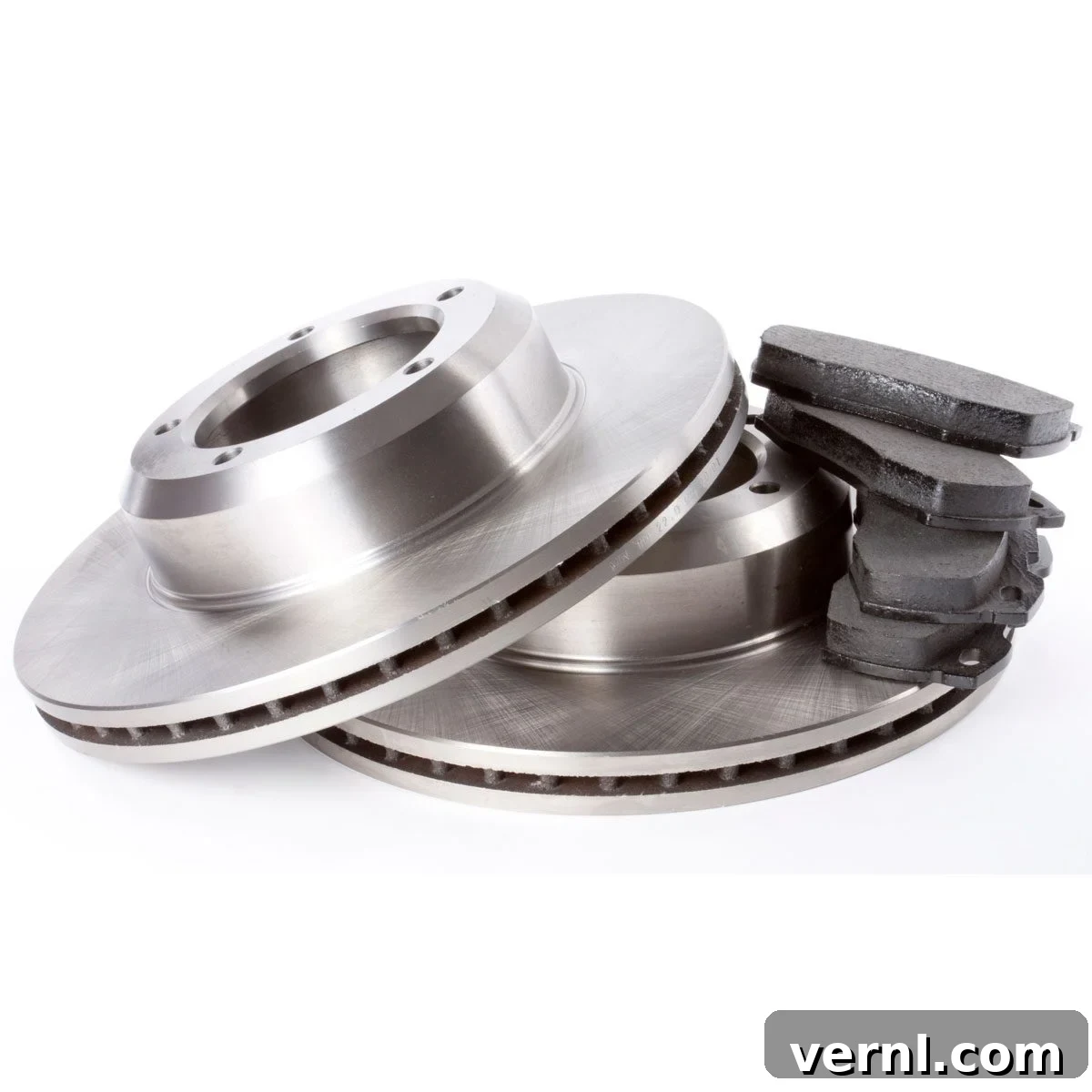
Modern vehicles primarily utilize disc brakes, which consist of a cast-iron disc (rotor) that rotates with the wheel. When you press the brake pedal, a brake caliper clamps two brake pads, lined with high-friction material, against the rotor. This friction generates heat, slowing the wheel’s rotation and bringing your vehicle to a stop. Disruptions in this carefully engineered process often manifest as noticeable sounds. Let’s delve into the most common brake noises and their potential origins.
Squeaking Brakes: A Common Yet Sometimes Concerning Sound
Brake squeaking is arguably the most frequently encountered “bad” brake noise, and its causes can range from benign to serious. This high-pitched sound is typically a result of high-frequency vibrations occurring between the brake pads, rotors, and calipers. The specific tone of the squeak often remains constant due to the mass of the rotor, but its volume can fluctuate with vehicle speed and the amount of brake force applied.
One common cause of squeaking, especially in the mornings or after rain, is a thin layer of surface rust that forms on the rotors overnight due to moisture. This rust is typically scraped off by the brake pads after a few gentle stops, and the noise quickly disappears. This type of squeak is normal and nothing to worry about. Similarly, new brake pads sometimes squeak slightly during their initial break-in period as they “bed” to the rotors, a process that ensures optimal contact and performance.
However, persistent or loud squeaking can indicate a problem. One primary culprit is brake pads or rotors that are worn below manufacturer specifications. As brake pads wear down, the friction material diminishes, leading to metal-on-metal contact or activating a built-in wear indicator. Many modern brake pads include a small metal tab designed to produce a loud, distinct squeal when the friction material reaches a critically low level, serving as an audible warning that it’s time for replacement. Ignoring this warning can lead to rotor damage and significantly reduced braking effectiveness.
Another cause is “glazing” of the brake pads or rotors. Glazing occurs when excessive heat causes the friction material on the pads to harden, developing a smooth, shiny surface that reduces their ability to grip the rotor effectively. Rotors can also become glazed or warped, meaning their surface is no longer perfectly flat. Both glazed and warped components cannot dissipate heat efficiently, leading to overheating and vibrations that manifest as squeaking. This can be caused by aggressive braking habits, improper break-in procedures, or even prolonged periods in heavy stop-and-go traffic. Contaminants like dirt, dust, or even certain chemicals can also get lodged between the pad and rotor, causing temporary squeals. If the squeaking is consistent, loud, and not resolving after a few stops, it’s a clear signal that a professional inspection is needed to diagnose the underlying issue.
Rattling Brakes: Loose Components and Neglected Hardware
A rattling noise from your brakes, often heard when pressing or releasing the brake pedal, points directly to issues with the brake mounting hardware. This hardware, though small, plays a crucial role in securing the brake pads and ensuring smooth, quiet operation. Specifically, components like brake anti-rattle clips, caliper slide pins, or shims are designed to hold the pads snugly in place and allow the caliper to move freely. When these components become worn, loose, defective, or are simply missing or unlubricated, the brake pads can move around excessively within the caliper assembly, causing a distinct rattling sound.
The consequences of worn brake hardware extend beyond just an irritating noise. Loose or rattling pads can drag on the rotors even when the brakes are not engaged, leading to premature wear of both the pads and rotors. This constant friction generates excess heat, contributing to glazing and uneven wear patterns. Over time, this can compromise braking performance, reduce the lifespan of your brake components, and even lead to more severe issues if left unaddressed. During any brake service, it’s vital that mechanics not only replace the pads and rotors but also inspect and, if necessary, replace and properly lubricate all associated hardware. Proper lubrication of caliper slide pins, for instance, is essential for the caliper to float correctly, ensuring even pad wear and preventing rattling.
Grinding Brakes: A Serious Warning Sign
Grinding brakes are often the most alarming sound a driver can hear, and it usually signals a serious problem that requires immediate attention. While there are a few less critical reasons for a grinding noise, most instances demand prompt professional inspection.
As mentioned, a light layer of rust can form on a rotor overnight due to humidity. This creates a temporary grinding sound on your first few stops, which typically disappears as the pads clear the rust. This is considered normal and is not usually a concern. However, if the grinding persists or is loud and metallic, it’s a critical indicator of deeper issues.
The most common and severe reason for loud grinding when stopping is that the brake pad friction material has completely worn away. This results in the pad’s metal backing plate grinding directly against the rotor. This metal-on-metal contact not only produces an intense, harsh noise but also rapidly damages the brake rotors, causing deep scoring and potentially making them unusable. If you hear this, it’s crucial to have your brakes inspected and repaired immediately to prevent further damage and maintain stopping power.
Beyond critically worn pads, other factors can cause grinding. A rotor surface with excessive rust or pitting, often due to prolonged exposure to moisture, mud, or road salt, can also create a grinding sensation as the pads struggle to maintain even contact. Similarly, a faulty wheel (hub) bearing can cause excessive rotor runout – a wobble in the rotor’s rotation. This vibration transfers to the brake caliper and pads, leading to grinding or squealing and potentially causing your car to pull to one side when stopping. This issue affects both braking performance and overall vehicle stability.
Lastly, foreign debris can also cause grinding. A small stone, gravel, or even a piece of rust trapped between the rotor and the brake backing plate or dust shield can produce a continuous grinding sound while driving or braking. This debris can score the rotor and cause significant damage if not removed promptly. Any persistent grinding sound should be treated as an urgent matter and addressed by a qualified technician to diagnose the precise cause and restore your braking system to optimal condition.
Brake Fade: A Dangerous Loss of Stopping Power
Brake fade is a particularly dangerous condition characterized by a significant loss of braking power. This occurs when the brake pads and rotors become severely overheated and are unable to generate sufficient friction to effectively slow down or stop a vehicle. While overheated brakes often manifest with squeaking and squealing sounds, the primary concern with brake fade is the reduced ability to stop the car, which can lead to extended stopping distances and potentially catastrophic accidents.
Several scenarios can lead to brake fade. Prolonged or aggressive braking, such as driving down long, steep hills or repeated hard stops, can overwhelm the braking system’s ability to dissipate heat. Hauling large loads or towing a heavy trailer also puts immense strain on the brakes, causing them to heat up quickly. Issues like a brake caliper not fully retracting can cause constant, light friction between the pads and rotors, leading to continuous heat buildup and eventual fade. Even getting stuck in heavy, stop-and-go traffic on a hot summer day can contribute to brake overheating.
A critical component affected by excessive heat is the brake fluid. Brake fluid is hygroscopic, meaning it absorbs moisture from the air over time. While modern brake fluid has a high boiling point, this point significantly lowers with increased moisture content. When severely overheated, the moisture trapped in the brake fluid can boil, producing air bubbles within the hydraulic system. Air, unlike fluid, is compressible. When you step on the brake pedal, instead of directly transferring pressure to the calipers, a spongy pedal feel results as the air bubbles compress. In extreme cases, the pedal can drop right to the floor, dramatically increasing stopping distances and potentially leading to a complete loss of braking ability. This is an extremely dangerous situation that demands immediate attention.
If you experience your car taking an unusually long time to stop, or if the brake pedal feels soft, spongy, or goes to the floor, it is imperative to pull over safely and allow the brakes to cool down. Disregarding brake fade can lead to permanent damage to your brake components, including deteriorated brake pad friction material, cracked rotors, or severely glazed surfaces that will never regain full effectiveness. It’s crucial to take your vehicle to qualified professionals immediately if you experience excessive brake fade. Your technician should thoroughly inspect all brake components, and importantly, test the brake fluid’s moisture level to determine if a brake fluid flush and replacement are necessary.
The Importance of Timely Brake Maintenance
Your vehicle’s brakes are a complex system designed to keep you safe. While some noises are benign, others are clear indicators of problems that can quickly escalate from minor annoyances to major safety hazards and expensive repairs. Ignoring unusual brake noises is never advisable. The “better safe than sorry” adage truly applies here.
Regular brake inspections, typically recommended at least once a year or every 12,000 miles, are crucial for maintaining the health of your braking system. During these inspections, a qualified mechanic will check the thickness of your brake pads, the condition of your rotors, the functionality of your calipers, the integrity of your brake lines, and the quality of your brake fluid. Proactive maintenance allows for the early detection and correction of issues before they become critical.
Don’t hesitate to seek professional help if you notice persistent squeaking, rattling, grinding, a spongy pedal, or any significant change in your car’s stopping performance. Investing in timely brake service is an investment in your safety and the longevity of your vehicle. Drive confidently, knowing your brakes are in optimal condition.