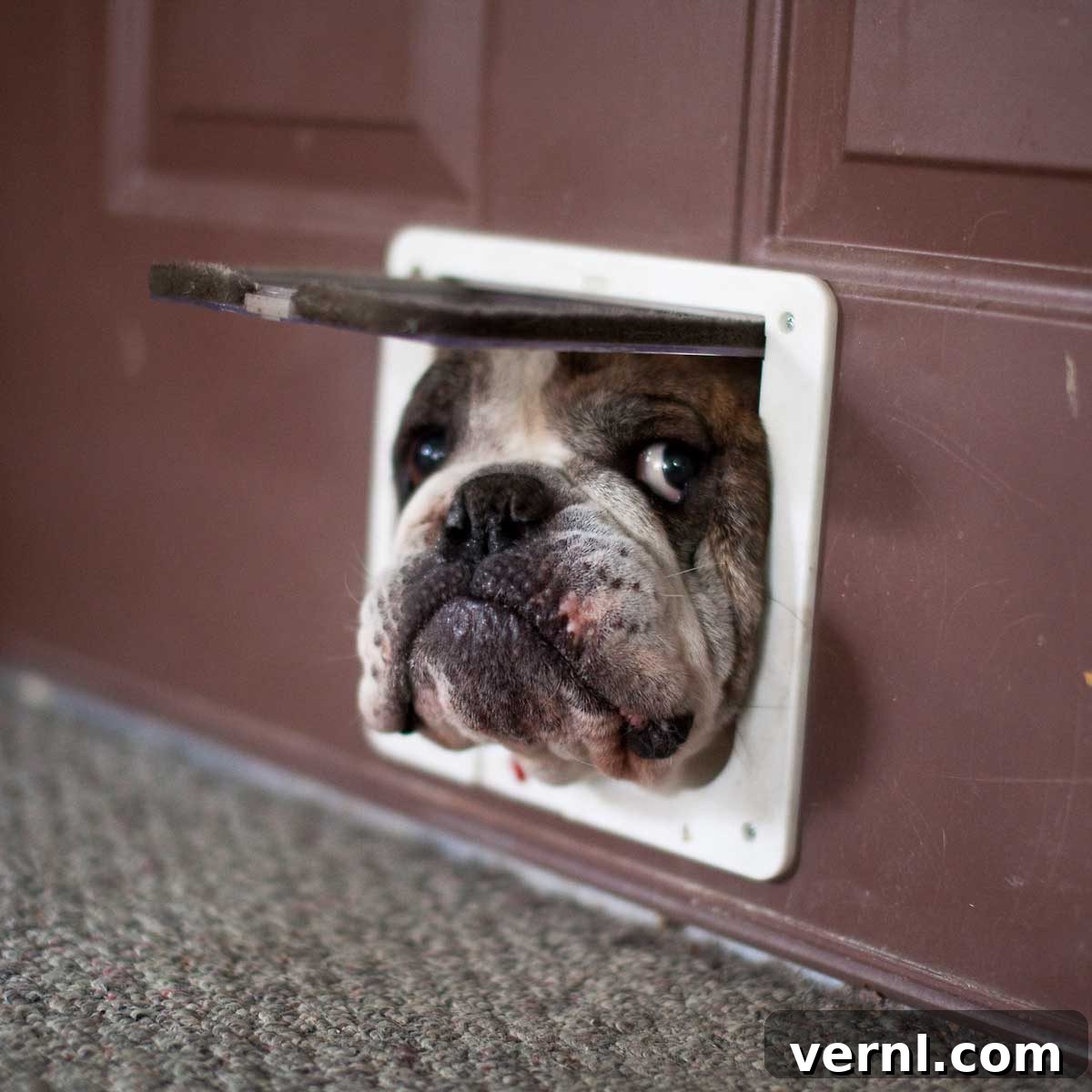
Pet doors, often known as dog doors, are specialized openings typically installed near the bottom of exterior doors, allowing pets to freely enter and exit a home without requiring human assistance. This innovative solution offers a significant boost to a pet’s independence and convenience for their owners. The growing popularity of these products is evident, with sales in the U.S. alone surpassing $450 million in 2019, highlighting how much pet owners value the freedom and flexibility they provide. From reducing accidents indoors to allowing pets to enjoy the outdoors at their leisure, a well-chosen and properly installed pet door can be a game-changer for many households.
Do Pet Doors Compromise Your Home’s Energy Efficiency?
While the convenience offered by pet doors is undeniable, they can, unfortunately, create vulnerabilities in your home’s thermal envelope. For pet lovers residing in regions prone to harsh, cold winters, the very entry point designed for your furry friend might inadvertently be a source of significant heat loss. This constant leakage of warm air from your home directly translates to an increase in your energy bill, making your heating system work harder and less efficiently. The good news is that you don’t have to choose between your pet’s freedom and an energy-efficient home. With the right strategies and product choices, it’s entirely possible to enjoy minimal heat loss while providing maximum convenience for your beloved companion. Understanding the mechanisms of heat transfer, such as conduction and convection, can help homeowners appreciate why a standard pet door might be problematic and how modern designs aim to mitigate these issues.
Choosing the Best Dog Doors for Cold Climates
If you’re in the market for a new pet door and have energy efficiency at the forefront of your concerns, opting for a model specifically engineered for cold climates is your smartest move. Traditional pet doors, often featuring a single, thin plastic flap that swings freely, are notorious for allowing warm air to escape and cold air to infiltrate. A study by Green Builder Media indicated that these standard doors can escalate annual heating costs by six percent or even more. However, modern, energy-efficient pet doors incorporate several key features designed to drastically minimize heat loss and maintain your home’s thermal comfort. When evaluating options, look for these critical design elements:
Robust Magnetic Weatherstripping for Optimal Seal
Effective weatherstripping is paramount for an energy-efficient pet door. High-quality magnetic weatherstripping ensures that the dog door flap remains securely sealed when not in use. This robust seal is crucial for preventing warm indoor air from escaping and cold outdoor air from entering your home. Unlike simple brush seals or non-magnetic flaps that can easily be nudged open by wind or slight pressure, a strong magnetic seal creates a virtually airtight barrier. This magnetic closure mechanism works by pulling the flap firmly back into its frame after your pet has passed through, effectively stopping drafts and maintaining a consistent indoor temperature. The quality of the magnets and the weatherstripping material directly impact the door’s ability to withstand extreme temperatures and strong winds, making it a non-negotiable feature for cold climates.
Durable and Weatherproof Flap Materials
The material of the flap, which your pet pushes open to pass through, plays a significant role in both durability and thermal performance. For superior weather resistance, always choose a door with a fully weatherproof rubber or sturdy plastic flap. These materials are not only designed to withstand repeated use but also to shed water and resist cracking in freezing temperatures. Unlike thin vinyl or fabric flaps, robust rubber or specialized plastic flaps retain their flexibility in cold weather, ensuring they seal properly every time. Furthermore, these materials offer a better insulation value than thinner alternatives, providing an initial barrier against the external environment. Considerations for flap material also include resistance to UV degradation and overall longevity, ensuring your investment stands the test of time and weather.
The Superiority of Double Layer Flaps for Insulation
Regardless of how effectively your pet door seals against drafts and repels water, a single layer of material separating your indoor sanctuary from the outdoor elements is often insufficient in colder climates. Heat will transfer through a single layer surprisingly quickly, potentially causing your energy bills to soar throughout the winter months. This is where the innovation of a double-flap design truly shines.
At a minimum, opt for a door featuring two flexible rubber flaps, ideally separated by an air gap. This trapped air acts as a natural insulator, significantly reducing thermal transfer. Think of it like a double-pane window; the air space between the layers dramatically improves insulation. Even better are doors with a rigid double-layer door where insulation material or air is permanently sealed between the layers. This design provides an even more robust thermal barrier, offering superior protection against extreme temperatures. The “thermal break” created by these multiple layers significantly slows down the rate at which heat moves from a warmer space to a colder one, proving invaluable in maintaining indoor comfort and reducing energy consumption.
For those prioritizing an absolutely airtight seal and concerned about preventing unwanted wildlife from entering their home, an electronic smart dog door that seals automatically offers an advanced solution. These high-tech electronic dog doors operate using a microchip or RFID tag worn on your pet’s collar, allowing the door to unlock only when your authorized pet approaches. This technology provides a distinct advantage over conventional dog doors: a consistently reliable seal between the indoors and outdoors, which is only briefly interrupted when your pet passes through. Beyond energy savings, these smart doors offer enhanced security, preventing stray animals or even small intruders from gaining access to your home. While the initial investment might be higher, the long-term benefits in terms of energy savings, security, and peace of mind can make them a worthwhile upgrade for many pet owners.
The Importance of Professional Installation for Energy Efficiency
Even the most energy-efficient dog door won’t perform optimally if it’s not installed correctly. Proper installation is just as crucial as the features of the door itself. Any gaps or poorly sealed areas around the frame of the pet door opening can become significant sources of air leakage. It’s essential to ensure that the cut-out in your main door or wall is precisely measured and that all edges are thoroughly sealed with appropriate caulking and insulation. A professional installation can prevent common issues like drafts, moisture intrusion, and structural compromises, maximizing the thermal performance of your new pet door. Investing in a quality installation ensures that your energy-efficient pet door delivers on its promise of reduced heat loss and increased comfort.
Winterizing an Existing Dog Door for Enhanced Performance
If you already have a dog door installed and are not looking to replace it, there are several effective strategies you can employ to significantly improve its winter performance and reduce heat loss. Winterizing your existing pet door is a cost-effective way to achieve better energy efficiency without a full replacement. Here are some practical steps to get your dog door ready for the cold season:
- **Seal Air Gaps with Silicone Caulk:** Over time, gaps can form around the pet door frame or between its components. Use a high-quality silicone caulk to meticulously seal any visible air gaps, cracks, or holes. Silicone caulk offers excellent flexibility and durability, making it ideal for outdoor applications and resisting extreme temperature changes.
- **Add or Upgrade Weatherstripping:** Apply new or reinforce existing weatherstripping around the perimeter of the pet door frame. This creates a tighter seal when the flap is closed, blocking drafts. Choose foam, rubber, or V-strip weatherstripping designed for exterior use, ensuring it compresses well to create a snug fit without impeding the flap’s movement.
- **Reinforce Flap Closure with Additional Magnets:** If your pet door flaps don’t seal tightly enough, consider adding extra magnets to the bottom edge of the flaps and corresponding points on the door frame. Stronger or more strategically placed magnets will ensure the flaps remain securely in place, even in windy conditions, thereby helping to significantly reduce heat loss. Neodymium magnets are particularly effective for this purpose due to their strong magnetic field.
- **Reinforce Flimsy Door Flaps:** For older or less robust flaps, reinforcing them can improve insulation. You can achieve this by adding a layer of durable, clear industrial plastic curtain material to the existing flap. This adds weight and rigidity, helping the flap resist wind and maintain its seal while also providing an extra layer of insulation. Ensure the material is pet-safe and won’t hinder your pet’s ability to use the door.
- **Install a Second Door Flap:** If your pet door only features a single flap, installing a second one can dramatically improve its insulating properties. Many manufacturers offer accessory flaps or you can custom-fit a second flap from suitable material, creating an insulating air pocket between the two layers, similar to the benefits of a factory-made double-flap door.
Ongoing Maintenance for Peak Performance
Beyond winterization, regular maintenance is key to ensuring your pet door remains energy-efficient and functional year-round. Periodically inspect the flaps for cracks, tears, or warping, especially after extreme weather. Clean the flaps and seals regularly to prevent dirt and debris from compromising their sealing ability. Check the integrity of the weatherstripping and caulk, replacing them as needed. Lubricate any hinges or moving parts on rigid door systems. Consistent maintenance not only prolongs the life of your pet door but also ensures it continues to provide optimal thermal performance and convenience for your cherished pet.
Balancing Pet Freedom with Home Comfort
Ultimately, a pet door represents a wonderful balance between giving your pets the freedom they deserve and enjoying the comfort of your home. With the advancements in design and materials, modern pet doors, particularly those optimized for cold climates, offer robust solutions that minimize heat loss and maximize energy efficiency. Whether you choose a smart electronic door, a high-quality double-flap model, or opt to enhance your existing pet door through strategic winterization, you can ensure your furry companion enjoys unrestricted access to the outdoors without negatively impacting your home’s energy performance or your heating budget. Investing in the right pet door and maintaining it properly allows you to provide the best for your pets while keeping your home cozy and energy-efficient, no matter how harsh the winter may be.