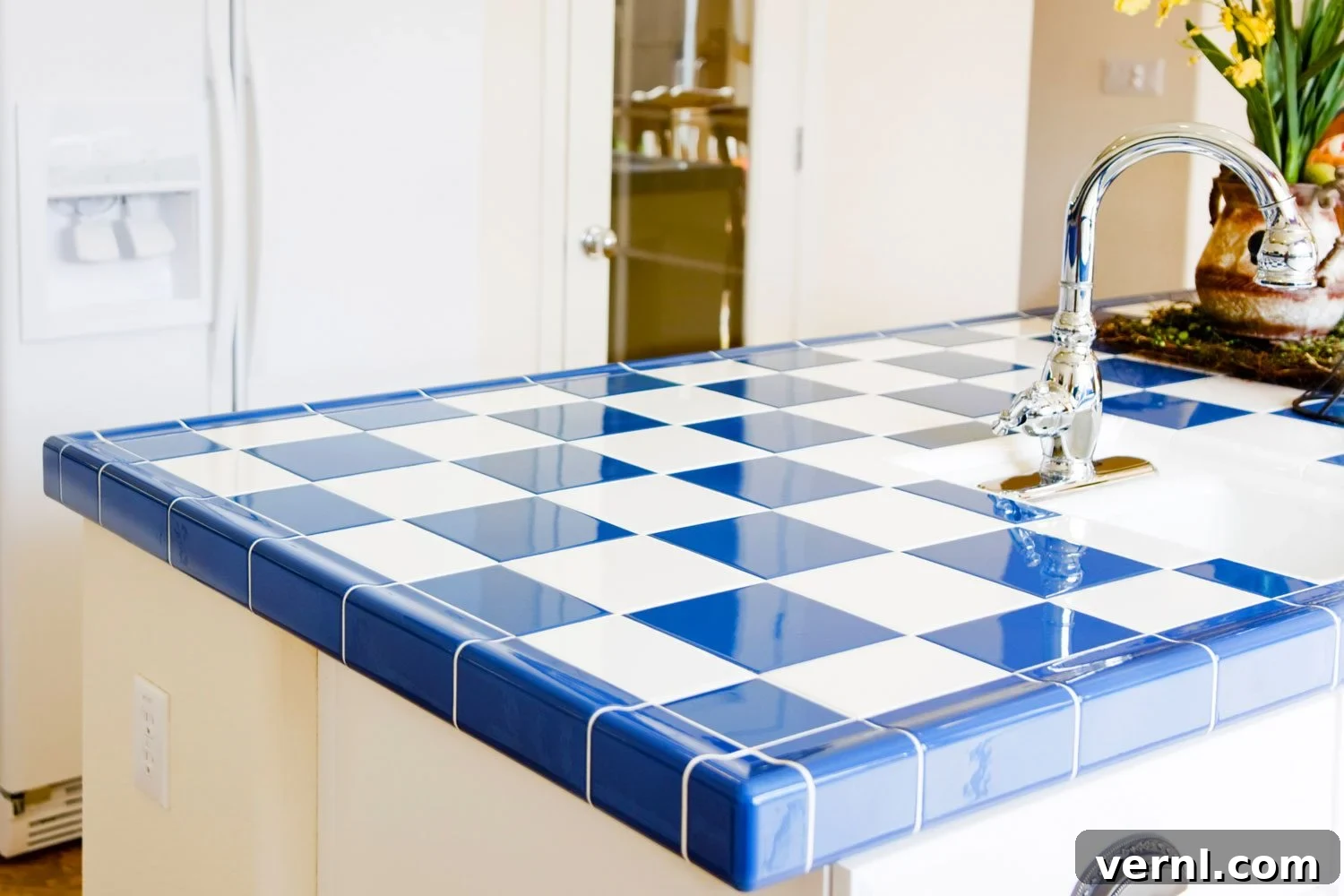
For many years, the mention of tile countertops conjured images of outdated kitchens from the 1990s or early 2000s: small, often chipped tiles, and grout lines that seemed perpetually stained and impossible to maintain. This less-than-flattering perception led many homeowners and designers to consider tile countertops a relic best left in the past, opting instead for sleek slabs of granite, quartz, or solid surface materials. However, in a surprising turn of events within the ever-evolving world of home decor, tile countertops are experiencing a remarkable resurgence, capturing the attention of millions on social media platforms like TikTok and inspiring a new generation of home remodelers.
With a staggering number of views and countless designers weighing in on this renewed trend, homeowners everywhere are asking: Is it time for tile countertops to make a grand return to my kitchen? If you’re pondering this exciting possibility and standing on the fence, this comprehensive guide is designed to walk you through the evolution and appeal of modern tile countertops, offering insights into why they might be the perfect fit for your contemporary kitchen.
The Rebirth of Tile Countertops: Why Now?
The return of tile countertops isn’t just a fleeting trend; it’s a testament to innovation in materials and design aesthetics. Modern tile applications address many of the issues that plagued their predecessors, offering enhanced durability, easier maintenance, and limitless design flexibility. This revival is fueled by several factors:
- Social Media Influence: Platforms like TikTok have become powerful incubators for design trends, showcasing stunning transformations and creative DIY projects that highlight the versatility and beauty of modern tiles.
- Desire for Customization: Homeowners are increasingly seeking unique, personalized spaces that reflect their individual style, moving away from cookie-cutter designs. Tile offers unparalleled opportunities for custom patterns, colors, and textures.
- Budget-Friendly Options: Compared to high-end slab materials, many modern tiles, especially porcelain, offer a more cost-effective way to achieve a high-end look without breaking the bank.
- Sustainability Focus: Many tile materials are durable and long-lasting, aligning with a growing demand for sustainable and resilient home solutions.
Key Features Defining Modern Tile Countertops
Today’s kitchen tile countertops bear little resemblance to their outdated ancestors. They differentiate themselves through significant advancements in size, shape, material composition, and overall aesthetic. Let’s delve into these critical distinctions that elevate modern tile to a sophisticated choice for any kitchen.
Revolutionary Tile Size: Bigger is Better
One of the most striking changes in contemporary tile countertops is the dramatic increase in tile size. Unlike the small, often 4×4-inch tiles prevalent in past decades, modern designs embrace much larger formats. We’re talking about substantial tiles, sometimes measuring 24×48 inches or even larger. This shift has profound implications for both aesthetics and practicality.
For instance, design enthusiasts, like TikToker Eden of @bottegavendetta, proudly showcase their kitchens featuring these expansive tiles. Eden highlights how her impressive 24×48-inch porcelain tiles dramatically reduce the number of grout lines compared to traditional small-tile applications. This creates a visually simpler, more cohesive surface that mimics the seamless appearance of slab countertops. Fewer grout lines not only contribute to a sleeker, more contemporary look but also significantly simplify cleaning and maintenance, addressing one of the primary historical drawbacks of tile countertops.
Innovative Tile Shapes: Beyond the Rectangle
While large format tiles offer a minimalist appeal, homeowners who prefer smaller tiles are now opting for unique and intricate shapes that add character and visual interest. The days of solely relying on standard rectangular or square tiles are long gone. Modern designers and DIY enthusiasts are exploring a rich palette of geometric patterns.
Content creators, such as Remodel School (@remodelschool) on TikTok, demonstrate stunning examples of countertops adorned with hexagonal, diamond-shaped, or even more complex tessellated tiles. This creative approach represents a significant departure from the classic rectangular subway-type tiles that once dominated kitchens. These distinctive shapes transform the countertop into a focal point, a work of art that reflects contemporary design sensibilities and a desire for individuality.
Advanced Tile Materials: Durability Meets Design
The material composition of modern tiles also marks a considerable evolution. While natural stone tiles like granite tiles and marble remain popular for their inherent beauty, a growing number of homeowners are turning to porcelain tiles. As explained by Remodel School, porcelain offers a compelling budget-friendly alternative to large, expensive slabs of natural stone.
Modern porcelain tiles are engineered for exceptional durability, resistance to stains, scratches, and heat, making them ideal for high-traffic kitchen environments. They also boast incredible versatility, capable of mimicking the appearance of natural stone, wood, concrete, or even metal, often with uncanny realism. This technological advancement allows for luxurious aesthetics at a fraction of the cost, making sophisticated designs accessible to a wider audience. These advanced porcelain options also stand in stark contrast to the more fragile or dated glass mosaic versions that might have been used in the past, offering superior performance and longevity.
Beyond porcelain, homeowners can also explore ceramic tiles, known for their vast array of colors and glazes, or even recycled glass tiles for an eco-conscious touch. Each material brings its own unique set of properties and aesthetic possibilities to the kitchen countertop.
Sophisticated Tile Colors and Textures: A Feast for the Eyes
The aesthetic appeal of modern tile countertops extends beyond just size and shape to encompass a rich spectrum of colors and textures. Homeowners are now looking to update their kitchen surfaces with tactile interest and dynamic visual elements. In a clear nod to broader interior design trends, such as the popularity of bold veining in natural stone, contemporary tiles often feature intricate patterns and nuanced finishes.
For example, Eden, the proud tile countertop owner mentioned earlier, utilized pale blue veined porcelain tiles. This choice adds a layer of sophisticated intrigue to her kitchen, transforming a functional surface into a stylish statement piece. The veining creates depth and movement, emulating the luxurious appearance of marble or quartzite. Additionally, matte finishes are gaining popularity, offering a soft, contemporary look that reduces glare and fingerprinted appearance, while glazed tiles continue to provide vibrant colors and easy-to-clean surfaces. The ability to combine different textures – perhaps a smooth countertop with a textured backsplash – further enhances the customizability of modern tile applications.
Important Considerations Before Installing Tile Countertops
While the allure of modern tile countertops is undeniable, there are several practical factors to carefully consider before committing to installation. Understanding these aspects will help ensure your new countertops meet both your aesthetic desires and functional needs.
Edge Treatment: The Art of the Miter
One crucial design detail often overlooked in earlier tile countertop installations is the edge treatment. Modern tile countertops necessitate precise finishing, particularly around their edges. As Remodel School illustrates, the countertop edges must typically be mitered. This involves cutting tiles at a 45-degree angle to create a crisp, seamless corner that wraps around the countertop’s thickness, presenting a polished and integrated look. This level of craftsmanship stands in contrast to the often bulky or unfinished edges of older tile installations, and it’s a key differentiator from stone slab countertops, which are inherently thicker and typically feature a simpler edge profile, albeit at a higher cost. Proper mitered edges are vital for durability and a high-end appearance.
Grout Maintenance: A Reality Check
The inherent nature of tile countertops means they will always feature grout lines, which require regular cleaning and maintenance. This is arguably the most significant consideration for homeowners. Grout, by its porous nature, can be susceptible to staining, discoloration, and mildew if not properly cared for. Your tolerance for cleaning is a critical factor in deciding if tile countertops are right for you.
It’s important to bear in mind that the smaller the individual tiles, the greater the total surface area of grout you will have to maintain. Large format tiles significantly reduce the amount of grout, thereby reducing cleaning efforts. Regardless of tile size, diligent sealing of grout lines after installation and periodic re-sealing is paramount to protect against stains and moisture. If you are prepared for the task, familiarize yourself with effective grout cleaning tips and best practices before embarking on your new tile countertop project. Regular wiping with a damp cloth and mild cleaner, coupled with occasional deep cleaning, will keep your grout looking fresh.
Advantages of Choosing Modern Tile Countertops
Beyond their aesthetic appeal and budget-friendly aspects, modern tile countertops offer a range of practical benefits that make them a compelling choice for today’s kitchens:
- Unmatched Customization: Tile offers an almost limitless array of colors, patterns, textures, and sizes. This allows for truly bespoke designs that perfectly match your kitchen’s style, from rustic farmhouse to sleek minimalist.
- Cost-Effectiveness: While high-end tiles can be pricey, many porcelain and ceramic options provide a luxurious look at a fraction of the cost of natural stone or engineered quartz slabs. This makes a significant design impact accessible to more budgets.
- Durability and Resilience: Modern tiles, especially porcelain, are incredibly durable. They are highly resistant to scratches, chips, heat, and moisture, standing up well to the rigors of daily kitchen use.
- Ease of Repair: Unlike a cracked slab countertop that often requires full replacement, individual damaged tiles can typically be replaced without disturbing the entire surface, making repairs more manageable and less costly.
- Heat Resistance: Most ceramic and porcelain tiles are inherently heat resistant, allowing hot pots and pans to be placed directly on the surface without fear of scorching or damage, a significant advantage in a busy kitchen.
Maintaining Your Stylish Tile Countertops
Proper maintenance is key to preserving the beauty and longevity of your modern tile countertops. While grout can be a concern, with the right approach, keeping your tile surfaces pristine is straightforward:
- Daily Cleaning: Wipe down your countertops daily with a soft cloth or sponge and a mild, pH-neutral cleaner. Avoid abrasive cleaners or harsh chemicals that can damage grout or tile finishes.
- Grout Sealing: After installation, ensure all grout lines are properly sealed with a high-quality penetrating grout sealer. Reapply the sealer periodically, typically every 1-3 years, depending on traffic and product specifications. This acts as a barrier against stains and moisture absorption.
- Deep Cleaning Grout: For stubborn grout stains, use a dedicated grout cleaner or a paste made from baking soda and water, applied with a soft brush. For heavily soiled grout, a steam cleaner can be highly effective at lifting dirt and grime without chemicals.
- Address Spills Promptly: Wipe up spills immediately, especially acidic liquids like citrus juices, wine, or vinegar, which can etch unsealed grout or certain tile materials.
- Protect from Impact: While durable, heavy impacts can still chip tiles. Use cutting boards for food preparation and avoid dropping heavy objects directly onto the surface.
Inspiring Design Ideas for Your Modern Tile Kitchen
The versatility of tile countertops allows them to seamlessly integrate into virtually any kitchen aesthetic. Here are a few ideas to spark your imagination:
- Minimalist Chic: Opt for large format, solid-colored porcelain tiles in neutral tones like white, grey, or black. Pair with sleek, handle-less cabinetry for a clean, contemporary look.
- Bohemian Charm: Experiment with Moroccan-inspired patterns, intricate geometric shapes, or vibrant, hand-painted ceramic tiles. These can be combined with natural wood elements and open shelving.
- Industrial Edge: Choose tiles that mimic the look of concrete or aged metal. Consider dark, matte finishes and pair them with exposed brick, steel accents, and minimalist lighting.
- Farmhouse Fresh: Classic subway tiles, especially in larger formats or with a slightly textured finish, can perfectly complement a farmhouse kitchen. Think soft whites, creams, or even light blue hues, paired with shiplap and rustic wood.
- Luxurious Grandeur: Select large porcelain tiles with dramatic veining that replicates high-end marble or quartzite. This creates an opulent feel without the significant cost and maintenance of natural stone slabs.
Conclusion: Embracing the Modern Tile Revolution
The journey of tile countertops from perceived obsolescence to a celebrated modern design choice is a compelling story of innovation and evolving tastes. Far from the chipped, hard-to-clean surfaces of the past, today’s tile countertops offer a sophisticated, durable, and incredibly customizable solution for any kitchen renovation. By embracing larger formats, unique shapes, advanced materials like porcelain, and a refined approach to design, homeowners can achieve a high-end look that is both practical and stunning. If you’re seeking a unique kitchen that combines aesthetic appeal with robust functionality, it might just be the perfect time to explore the vast potential of modern tile countertops and join the revolution.