
Welcome to New Homeowner Bootcamp: Your Essential Guide to a Smart Home Purchase
Welcome to New Homeowner Bootcamp, Family Handyman’s comprehensive guide designed to equip you with the knowledge and confidence to navigate the intricate journey of homeownership. From uncovering little-known post-purchase responsibilities to mastering money-saving maintenance techniques and smart upgrades, this bootcamp is your first step towards becoming a truly savvy homeowner. Understanding your new abode starts even before you close the deal, with a crucial focus on a thorough home inspection.
When you’re embarking on the exciting adventure of buying a home – or even preparing to sell one – the single most important preliminary step you can take is ensuring a meticulous home inspection. While professional home inspectors are indispensable for uncovering hidden issues, conducting your own preliminary walkthrough can be incredibly empowering. It allows you to identify potential concerns you might have overlooked during a quick showing and prepares you to ask the right questions when the professional arrives. This proactive approach not only saves time but also puts you in a stronger negotiating position.
It’s vital to reiterate: nothing in this guide suggests you should skip hiring a certified home inspector. Engaging a professional is undeniably one of the wisest decisions any home buyer can make. Their expertise provides an in-depth analysis that a layperson simply cannot replicate. However, arming yourself with the ability to conduct an initial, detailed self-inspection can significantly enhance the overall process. To guide you through this DIY inspection, we’ve enlisted the invaluable insights of professional inspector Paula Camarena, who shares expert tips on key areas you can confidently assess on your own.
Key Areas for Your DIY Home Inspection Checklist
Plumbing System: Checking for Leaks and Efficiency
According to inspector Camarena, understanding how to inspect your home’s plumbing system is paramount. “Leaky, broken, or misdirected pipes can wreak havoc on a home’s infrastructure and sewer system, leading to extensive damage and costly repairs if left unchecked,” she cautions. Start your plumbing assessment by systematically running all faucets and checking all drains throughout the house. Observe how quickly water drains; slow drainage is a clear indicator of potential clogs or blockages. As the water runs, visually inspect under sinks, around toilets, and near appliances like dishwashers and washing machines for any signs of leaks – even small drips. Pay attention to water pressure from each faucet; inconsistent or weak pressure could suggest underlying issues. Don’t forget to flush toilets and listen for proper filling and draining. Visible water stains, dampness, or a persistent musty odor often point to hidden leaks that require immediate attention.
Walls, Ceilings, and Flooring: Spotting the Silent Signs of Trouble
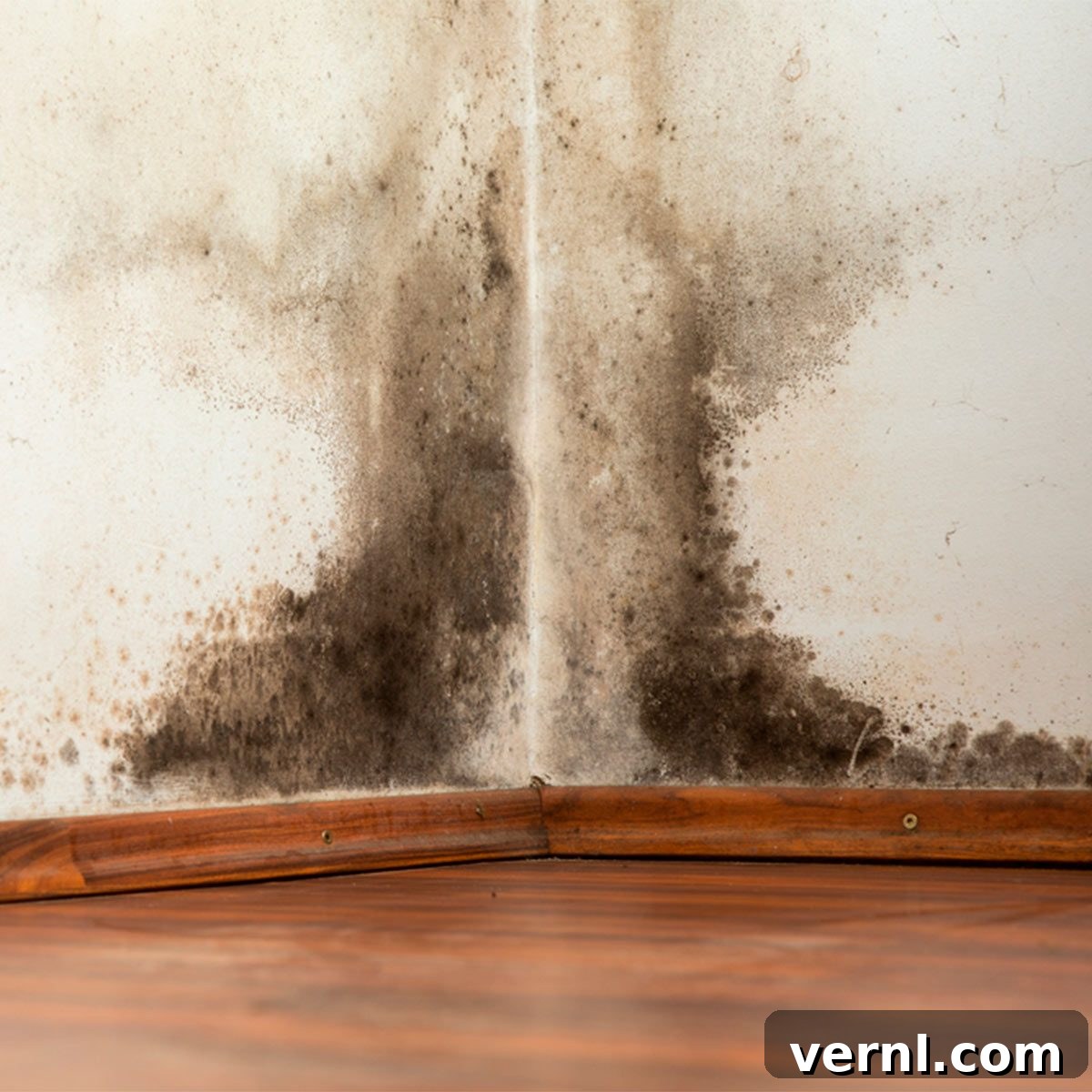
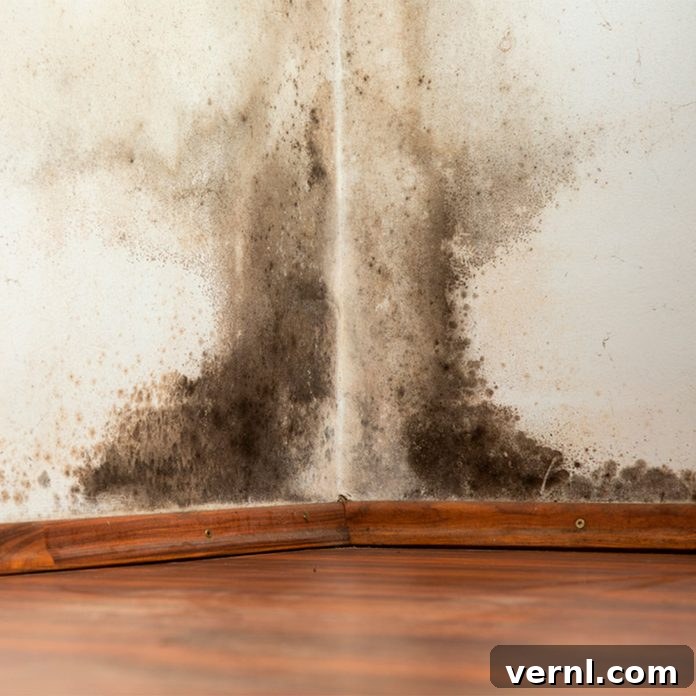
When examining the interior surfaces of your potential new home, your primary focus should be on detecting any evidence of water damage, mold, or mildew. These issues often manifest as discolored spots – yellow, brown, or dark patches – on walls, ceilings, or flooring. Such anomalies should always be treated as serious warning signs. Paula Camarena emphasizes, “Any number of underlying issues, from a leaky roof to a compromised foundation or internal pipe leaks, can cause damage to the walls, floors, and ceilings of a property.”
Beyond discoloration, look for other physical signs: peeling paint, bubbling wallpaper, sagging ceiling sections, or soft spots in the flooring when you step on them. Even subtle distortions or unevenness in drywall can indicate water infiltration. A musty or damp smell, even without visible signs, is a strong indicator of mold or mildew growth, often hidden behind walls or under carpets. Investigate every suspicious spot; visible water damage is rarely superficial and typically points to more significant problems within the walls, insulation, or structural components of the home, demanding a professional follow-up to pinpoint the exact cause and extent of the damage.
Roofing System: Your Home’s First Line of Defense
While internal plumbing issues can cause water damage, a far more common culprit, and often a more expensive one to fix, is a compromised roof. “Past damage to your home may not always appear in the immediate living spaces, but evidence is frequently found on the roof or in the attic,” states Camarena. A thorough roof inspection, if conducted safely, is an invaluable use of your time to identify potential leaks or the need for extensive roof repairs.
From the ground, use binoculars to scan for missing, cracked, curling, or blistered shingles. Look for excessive granule loss from asphalt shingles, which often collects in gutters. Check for sagging sections of the roofline, especially around valleys or eaves. Inside the attic, use a flashlight to look for water stains, dark streaks, or any daylight peeking through the roof sheathing. Examine the flashing around chimneys, vents, and skyllights for signs of deterioration or improper sealing. While a professional will climb onto the roof, your ground-level and attic inspection can reveal crucial clues about its overall condition and lifespan, alerting you to potential costly repairs down the line.
Foundation: The Bedrock of Your Home’s Stability
The foundation of a home is its most critical structural component, and while a comprehensive inspection is best left to experts, homeowners can certainly look for telltale signs of trouble. “Inspectors meticulously look for cracks, uneven floors, and signs of shifting,” advises Camarena.
Begin by closely examining all floors. Are they level, or do you feel a noticeable tilt or slope in certain areas? Look for cracked tiles, particularly in grout lines, or separating hardwood planks. These can often be indicators of foundation movement. Move to the walls: uneven drywall, especially along seams, or stair-step cracks in brickwork or concrete blocks are significant red flags. Pay close attention to doors and windows; if they stick, jam, or don’t latch properly, it’s not always a sign of a cheap door, but rather a potential symptom of foundational shifting causing the frames to distort.
On the exterior, observe the foundation walls for any visible cracks. While hairline cracks are common and usually benign, larger, horizontal, or diagonal cracks wider than a quarter-inch, especially those that extend through the wall, demand professional evaluation. Also, look for bulges in foundation walls, which can indicate excessive pressure from soil or hydrostatic forces. If you are considering buying an older house, issues like bulging or settlement cracks may be more prevalent and require careful consideration. Ensure exterior drainage directs water away from the foundation, as poor drainage is a leading cause of foundation problems.
Basement: A Key Indicator of Water Intrusion and Humidity
The basement is a critical area for inspection, particularly concerning water damage, which can originate from two distinct sources: indoor humidity leading to condensation on cold surfaces, or direct water intrusion from the outside. Being especially wary of water damage in the basement is crucial for avoiding future headaches and costly repairs.
Start by looking for visible water stains on walls or floors, puddles, or damp spots. Check for efflorescence – a white, powdery substance on concrete or masonry walls – which indicates water has passed through, leaving mineral deposits behind. A persistent musty smell is a strong signal of mold or mildew, often thriving in damp basement environments. If you observe water actively coming through the walls or floor from outside, this is a clear sign that the foundation drainage system (e.g., perimeter drains or waterproofing) may not be functioning properly. This could indicate serious issues with external grading or subsurface water management.
Conversely, if you’re primarily seeing moisture due to high humidity and condensation – often evidenced by sweating pipes or condensation on windows – the solution is typically improved ventilation and dehumidification. Addressing humidity promptly prevents the growth of mold, which can lead to significant health issues and structural damage over time. Understanding the source of the water problem is key to finding an effective and lasting solution.
Electrical System: Safety First
Most prospective homeowners perform a basic check of the electrical system by simply flipping lights on and off. While this provides a rudimentary assessment, a truly effective electrical inspection is far more detailed and safety-focused. According to professional inspector Paula Camarena, a comprehensive electrical inspection should involve:
- Inspecting for proper installation and the use of appropriate wire types, especially critical in older homes where outdated or compromised wiring can pose significant fire hazards.
- Checking for proper installation of outlets, ensuring GFCI (Ground Fault Circuit Interrupter) protection in required areas (kitchens, bathrooms, outdoors), and verifying the absence of any damaged, loose, or improperly installed components.
- Inspecting the main electrical panel for proper labeling, correct breaker placement, and overall condition. Look for signs of scorching, rust, or a buzzing sound, which could indicate overloaded circuits or loose connections.
- Ensuring proper grounding throughout the home to prevent electrocution hazards and protect sensitive electronics from power surges.
While conducting a full, professional-level electrical inspection yourself is not advisable or typically possible without specialized tools and expertise, you can certainly keep a keen eye on the electrical outlets and switches. If you notice outlets or switches that appear brand new, particularly in older homes, this might suggest recent rewiring in that specific room or area. In such cases, it’s highly recommended to use a simple receptacle tester (easily found at hardware stores) to verify that everything has been wired correctly. Problems like reverse polarity (where hot and neutral wires are swapped) or a lack of proper grounding are serious safety concerns and absolute red flags that you must communicate to a licensed electrical inspector. These issues can lead to appliance damage, electrical shocks, or even fires.
The HVAC System: Ensuring Comfort and Efficiency
The Heating, Ventilation, and Air Conditioning (HVAC) system is crucial for your home’s comfort and indoor air quality. Camarena explains the thoroughness of a professional HVAC inspection: “The inspector will visually check the condition of the furnace, heat pump, air conditioner, and other related equipment, diligently looking for signs of rust, corrosion, leaks, or any visible damage. Furthermore, the inspector will actively test the system’s ability to heat and cool, meticulously noting whether the system is operating correctly and if it is delivering the desired temperature efficiently. Crucially, inspectors also prioritize checking for any safety concerns, such as ensuring proper combustion of fuel for gas-powered furnaces, and confirming that all electrical connections are secure and safe.”
Just like electrical inspections, leaving the detailed assessment of HVAC systems to qualified professionals is generally the safest and most effective approach. However, there are several basic, non-invasive checks you can perform to gather valuable information. One of the most important factors is the age of the furnace and air conditioning units. A typical furnace has a lifespan of approximately 20-25 years, though a rigorously maintained unit might extend to 30 or even 40 years. Look for manufacturer date labels or stickers that document routine service, as these provide a crucial timeline for the unit’s operational history. Older units, even if currently functional, will likely require replacement sooner, representing a significant future expense.
Beyond age, you should inspect all filters for cleanliness; dirty filters significantly impede efficiency and airflow. Listen carefully for any strange sounds when the system is running – banging, rattling, squealing, or persistent humming can indicate worn-out parts, motor issues, or a need for professional servicing. Check the thermostat for proper functionality and ensure that all vents and returns are clear of obstructions. These simple checks can reveal a great deal about the HVAC system’s current condition and potential future needs, helping you make a more informed purchasing decision.
Your DIY Home Inspection Toolkit and Next Steps
As you embark on this self-home inspection journey, having a few essential DIY home inspection tools will significantly enhance your ability to identify potential issues. A reliable flashlight is indispensable for peering into dark corners, attics, and basements. A moisture meter can help detect hidden dampness in walls or under floors. A small level can quickly check for uneven surfaces, and a simple receptacle tester is invaluable for electrical outlets. Don’t forget a notepad and camera or smartphone to document all your findings, take detailed photos, and jot down questions for your professional inspector. Being thorough in your preliminary inspection ensures you are well-prepared to discuss specific concerns, ultimately contributing to a safer and more informed home purchase or sale.
Frequently Asked Questions About Home Inspections
Should I get an inspection from a professional before buying a new home?
Absolutely, unequivocally yes. Engaging a professional home inspector before finalizing the purchase of a new home is not just highly recommended; it’s often a mandatory requirement by lenders. Beyond satisfying mortgage conditions, a comprehensive professional inspection provides invaluable leverage during price negotiations. It equips you with a detailed understanding of the home’s condition, allowing you to request repairs, price adjustments, or concessions from the seller. More importantly, it offers immense peace of mind. Knowing the true state of the property, including potential major issues or future maintenance needs, allows you to anticipate and budget for challenges that might affect your quality of life and financial stability while living in the home. It helps prevent unforeseen and costly surprises down the line.
Once you hire your inspector, make a concerted effort to walk through the entire inspection process with them. This hands-on experience is incredibly educational. By being present as they discover and explain various findings – from minor deficiencies to significant structural concerns – you gain a deeper understanding of your home’s systems, potential vulnerabilities, and critical maintenance requirements. It’s a prime opportunity to learn directly from an expert and ask specific questions about your future home.
What should I do if my DIY inspection uncovers major issues?
If your preliminary DIY inspection reveals significant concerns – such as widespread water damage, large foundation cracks, or serious electrical hazards – do not panic, but take them seriously. These findings are precisely why you’re doing a pre-inspection. Document everything meticulously with photos and detailed notes. These are critical pieces of information to share immediately with your professional home inspector. They will be able to perform a more in-depth analysis, determine the severity of the issues, and provide expert recommendations. Major problems discovered at this stage give you significant negotiation power with the seller or might even prompt you to reconsider the purchase if the issues are too extensive or costly to resolve.
About the Expert
- Paula Camarena is the esteemed owner of Pillar To Post Home Inspectors of Orange County, CA, bringing years of expertise and invaluable insights to homeowners and buyers.