Castle vs. Palace: Unveiling the Differences Between Royal Residences and Fortified Strongholds
For centuries, the grand structures where monarchs and nobility resided have captivated our imaginations. From fairy tales to historical dramas, images of kings and queens living in majestic buildings are deeply ingrained in our collective consciousness. But while many might use the terms “castle” and “palace” interchangeably, there are fundamental distinctions that set these architectural marvels apart. Understanding these differences not only enriches our appreciation for history but also sheds light on the evolving needs and priorities of those who built and inhabited them. This comprehensive guide will delve into the origins, architectural characteristics, and primary functions of both castles and palaces, helping you discern the unique purpose behind each magnificent structure.
The Etymological Roots: Tracing Back ‘Castle’ and ‘Palace’
To truly grasp the distinction between a castle and a palace, it’s helpful to trace their linguistic origins. The very names hint at their initial primary functions.
What Defines a Castle?
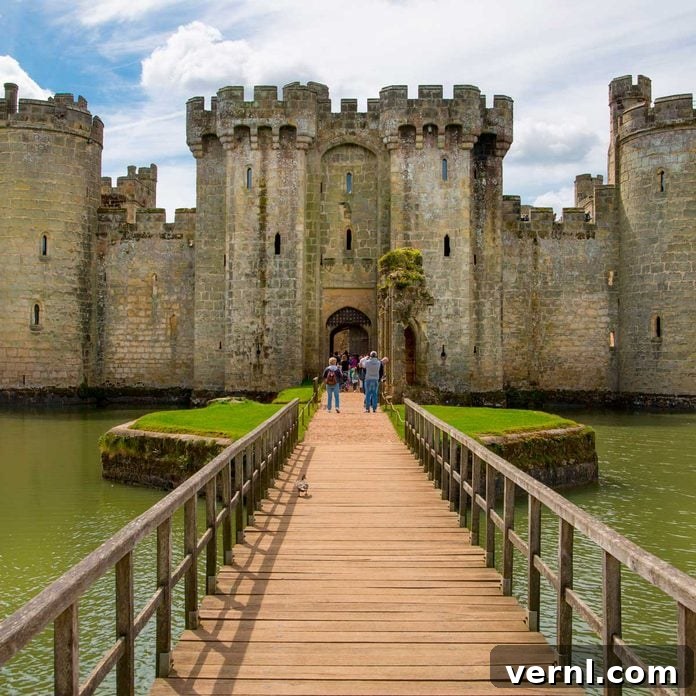
The word ‘castle’ has a robust and ancient lineage, stemming from the Anglo-Norman French term ‘castel’. This, in turn, is derived from the Latin word ‘castellum’, which means ‘fortified place’ or ‘fort’. This etymology immediately tells us the core purpose: a castle is fundamentally a fortified dwelling. While many types of fortifications existed for defense, a castle specifically combined residential functions with strong defensive capabilities. It was a private stronghold, typically built and occupied by a lord, knight, or monarch, serving as a personal fortress and administrative center. In the tumultuous medieval era, castles were not merely homes; they were vital instruments of power, protection, and control over territories. They stood as visible symbols of authority, deterring invaders and safeguarding their inhabitants from constant threats of warfare and siege. (Pictured here is Bodiam Castle, a classic example of a moated castle in England.)
What Defines a Palace?
The term ‘palace’ has a much more elegant, albeit equally ancient, origin. It takes its name from Rome’s Palatine Hill (Palatium in Latin). This was one of the seven hills of Rome, historically considered the most central and prestigious. During the Roman Republic and Empire, the Palatine Hill became the preferred residential area for the city’s elite, including emperors and wealthy aristocrats, who constructed their opulent and elaborate homes there. Over time, any grand, stately residence belonging to a sovereign, head of state, or high-ranking dignitary became known as a ‘palace’. The crucial difference here, as highlighted by its origin, is that a palace is not primarily fortified. Its design emphasizes luxury, grandeur, and aesthetic appeal rather than defensive strength. While it might have security measures, these are secondary to its role as a magnificent residence and a symbol of wealth and power.
The Architectural DNA: Characteristics of a Castle
Castles, as we recognize them today, truly began to proliferate across Europe from the eleventh and twelfth centuries onwards, often evolving from earlier timber-and-earth fortifications. Their design was intrinsically linked to the military realities of the Middle Ages. Every architectural choice was made with defense in mind, creating structures that were both formidable and functional.
Defensive Strongholds by Design
- Strategic Location: Castles were meticulously positioned in easily defensible locations. This often meant atop a high hill (like Edinburgh Castle), on a promontory, or protected by natural barriers such as rivers or cliffs. Such placements made them difficult to approach and gave defenders a clear view of any approaching enemy.
- Robust Materials: Early castles might have been timber ‘motte-and-bailey’ structures, but as building technology advanced, castles were constructed primarily of strong, thick stone walls. These walls could withstand prolonged sieges and bombardment from early siege weapons.
- Moats: A common and highly effective defensive feature was the moat, a deep, wide ditch encircling the castle, often filled with water. Moats served multiple purposes: they made tunneling under walls impossible, complicated the use of siege towers and battering rams, and created an initial barrier that attackers had to overcome.
- Crenellated Walls and Towers: The iconic silhouette of a castle with its battlements (alternating high sections called merlons and low sections called crenels) provided soldiers with shelter while allowing them to fire arrows or drop projectiles on attackers. Towers were strategically placed along the walls to provide flanking fire and eliminate blind spots.
- Narrow Windows and Arrow Slits: Unlike the large, expansive windows of a palace, castle windows were deliberately narrow. These arrow slits or loopholes allowed archers to fire out at the enemy with minimal risk to their own safety, restricting the enemy’s ability to return fire effectively.
- Impenetrable Gatehouses: The main entrance to a castle was its most vulnerable point, and thus, its most heavily defended. Gatehouses were complex structures often featuring multiple layers of defense:
- Drawbridges: Raised to deny access across the moat.
- Portcullises: Heavy, vertically dropping grilles, usually made of wood reinforced with iron, that could be quickly lowered to block the entrance. Castles often had several in succession.
- Murder-Holes (Machicolations): Openings in the ceiling of the gate passage, or projecting from the top of walls, through which defenders could pour boiling oil, hot sand, heavy stones, or other nasty deterrents onto invading troops trapped below.
- Interior Courtyard Traps: The main gate often led into an interior courtyard or a constricted passage (the “killing ground”) where incoming troops could be trapped and attacked from all sides.
- Spiral Staircases: Often winding clockwise, these staircases were a subtle yet ingenious defensive feature. This design allowed right-handed defenders, who constituted the majority, to use their strong right arm freely with their sword, while forcing attackers ascending the stairs to press against the central pillar, making it difficult for them to swing their swords effectively with their right arm. Furthermore, these stairs sometimes had uneven steps, specifically designed to trip up unfamiliar opponents.
Beyond defense, castles also served as administrative centers, housing the lord’s court, a chapel, a great hall for feasting and governance, and living quarters for the noble family, soldiers, and servants. They were self-sufficient communities, often with wells, storerooms, and workshops within their walls.
The Epitome of Opulence: Characteristics of a Palace
If castles were built for survival and control, palaces were constructed for comfort, grandeur, and to conspicuously display power and wealth. The essence of a palace can be encapsulated in one word: luxury. Palaces emerged more prominently as societies became more stable, and the need for constant fortification diminished, especially for rulers whose authority was well-established.
Residences of Unrivaled Magnificence
- Grandeur and Aesthetics: Palaces were designed to impress from every angle. Their architecture typically features elaborate facades, symmetrical designs, vast courtyards, and often intricate ornamentation such as sculptures, carvings, and frescoes. The emphasis is on beauty, scale, and artistic expression rather than defensive pragmatism.
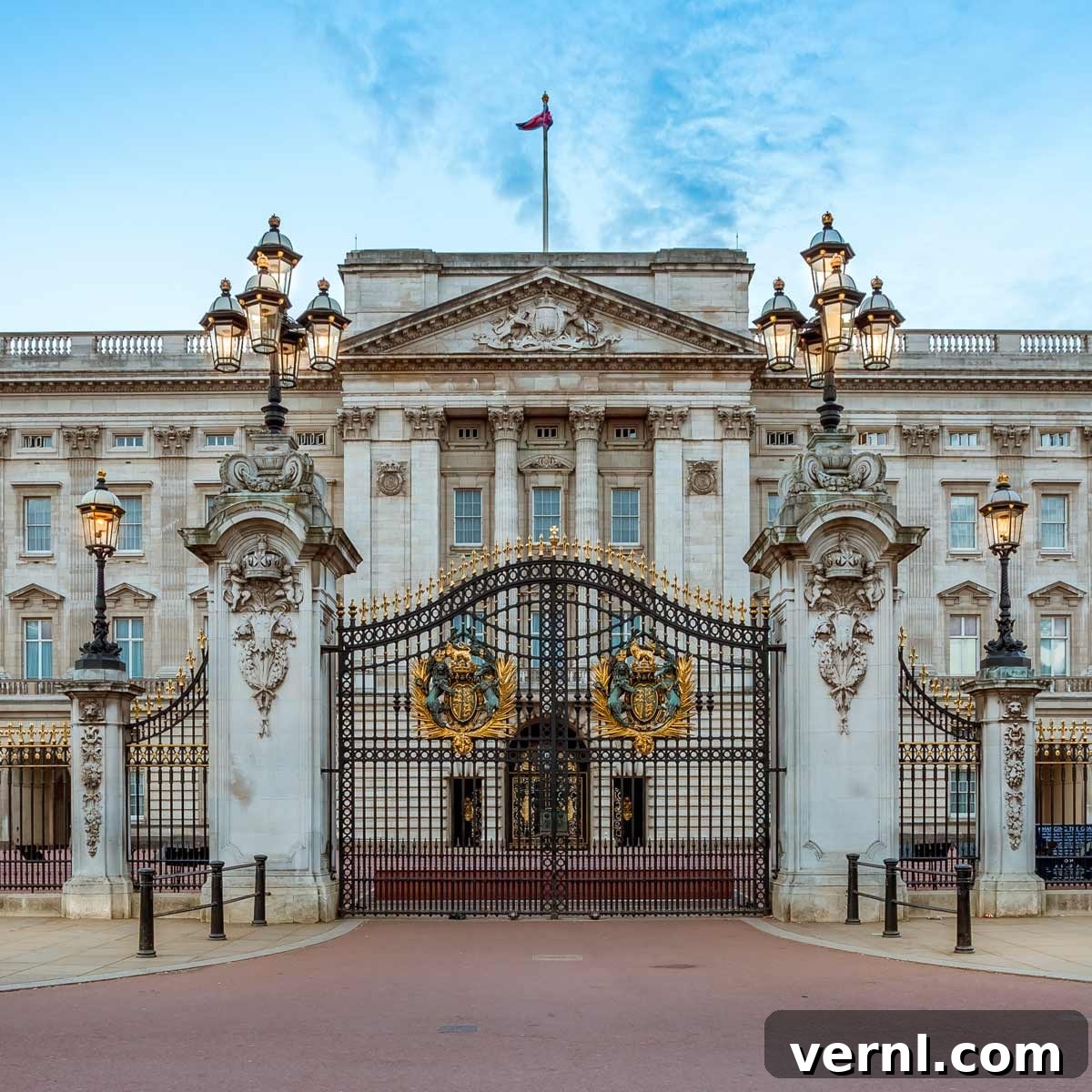
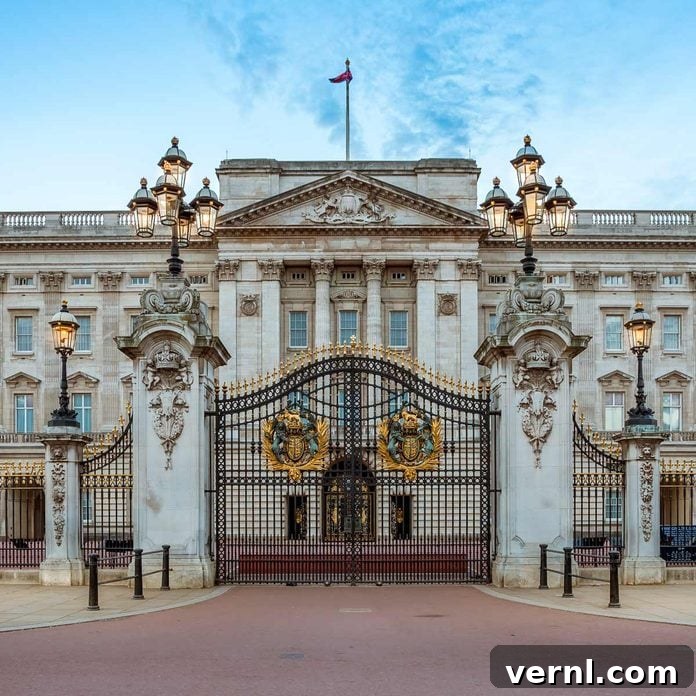
- Expansive Interiors: The sheer scale of palaces is often staggering. They are characterized by numerous, often specialized, rooms designed for specific functions: vast ballrooms, opulent state rooms for receiving dignitaries, throne rooms, private apartments for the royal family, grand dining halls, extensive art galleries, and libraries. For instance, the Palace of Versailles in France famously boasts 2,300 rooms, while Buckingham Palace (shown at the beginning of this article), the official London residence of the British monarch, has a more modest but still immense “only” 800 rooms.
- Luxurious Materials and Furnishings: Interiors were adorned with the finest materials available: marble, intricate wood paneling, gilded accents, silk tapestries, and priceless artwork. Every detail, from the ceilings to the floors, was crafted to exude opulence and reinforce the status of the residents. Did you know Buckingham Palace is currently undergoing extensive renovations to preserve its grandeur? Take a peek at the staggering numbers involved in this monumental undertaking.
- Elaborate Gardens: Beyond the building itself, palaces are often famed for their meticulously designed and expansive gardens. These are not merely decorative but are integral to the palace’s overall design, featuring intricate parterres, fountains, sculptures, labyrinths, and carefully planned vistas. The gardens of Versailles, for example, are as famous as the palace itself, symbolizing human control over nature and serving as a setting for grand social events. Many of these historical gardens survive to this day, enchanting visitors with their timeless beauty.
- Symbol of Authority and Culture: Palaces served not only as residences but also as centers of government, diplomacy, and culture. They were where state affairs were conducted, treaties were signed, and where art, music, and learning often flourished under royal patronage. They project an image of stability, wealth, and sophisticated living.
The earliest known surviving palace is believed to be the Palace of Knossos on Crete, which dates back to around 1950 BCE. This makes it an astounding almost 4,000 years old, showcasing humanity’s long-standing desire for grand, non-fortified residential structures.
The Evolving Landscape: Overlaps and Modern Relevance
While the distinctions between castles and palaces are clear in their archetypal forms, history often presents structures that blur the lines. Some grand residential castles, particularly those from later medieval periods, incorporated more luxurious elements, especially after their primary defensive purpose diminished. Conversely, some palaces might have had fortified sections or perimeter walls for security, though not on the scale of a true castle.
The transition from the fortified castle to the opulent palace reflects a broader societal shift: from an era of constant warfare and decentralized power to periods of relative peace, consolidated monarchical power, and the rise of sophisticated court culture. As gunpowder technology advanced, rendering traditional castle defenses less effective, and as political stability grew, the need for a personal fortress waned, giving way to the desire for residences that projected wealth, status, and refined living.
Experience History: Visiting Castles and Palaces Today
Today, many of these magnificent structures are no longer private residences but serve as museums, heritage sites, and major tourist attractions. Visiting them offers a tangible connection to history, allowing us to walk in the footsteps of kings, queens, lords, and ladies. Exploring a medieval castle provides a visceral understanding of life during a turbulent era, while wandering through a grand palace offers a glimpse into the lavish lifestyles of royalty and the artistry of past centuries.
Many U.K. castles and palaces are open to the public, offering a diverse range of historical experiences. From the formidable walls of Warwick Castle to the regal apartments of Hampton Court Palace, there is a wealth of history to explore. If you’re planning a trip to the UK, consider incorporating a visit to one of these iconic sites into your itinerary. And, for those who appreciate the beauty of cultivated landscapes, these are some of the best flower shows to attend in the UK, often set against the backdrop of historical estates, providing another layer of cultural enrichment.
Ultimately, whether a fortified castle or a luxurious palace, these structures stand as enduring testaments to human ambition, ingenuity, and the pursuit of power and beauty throughout history. Their stories are etched in stone, inviting us to learn and marvel at the legacies they represent.