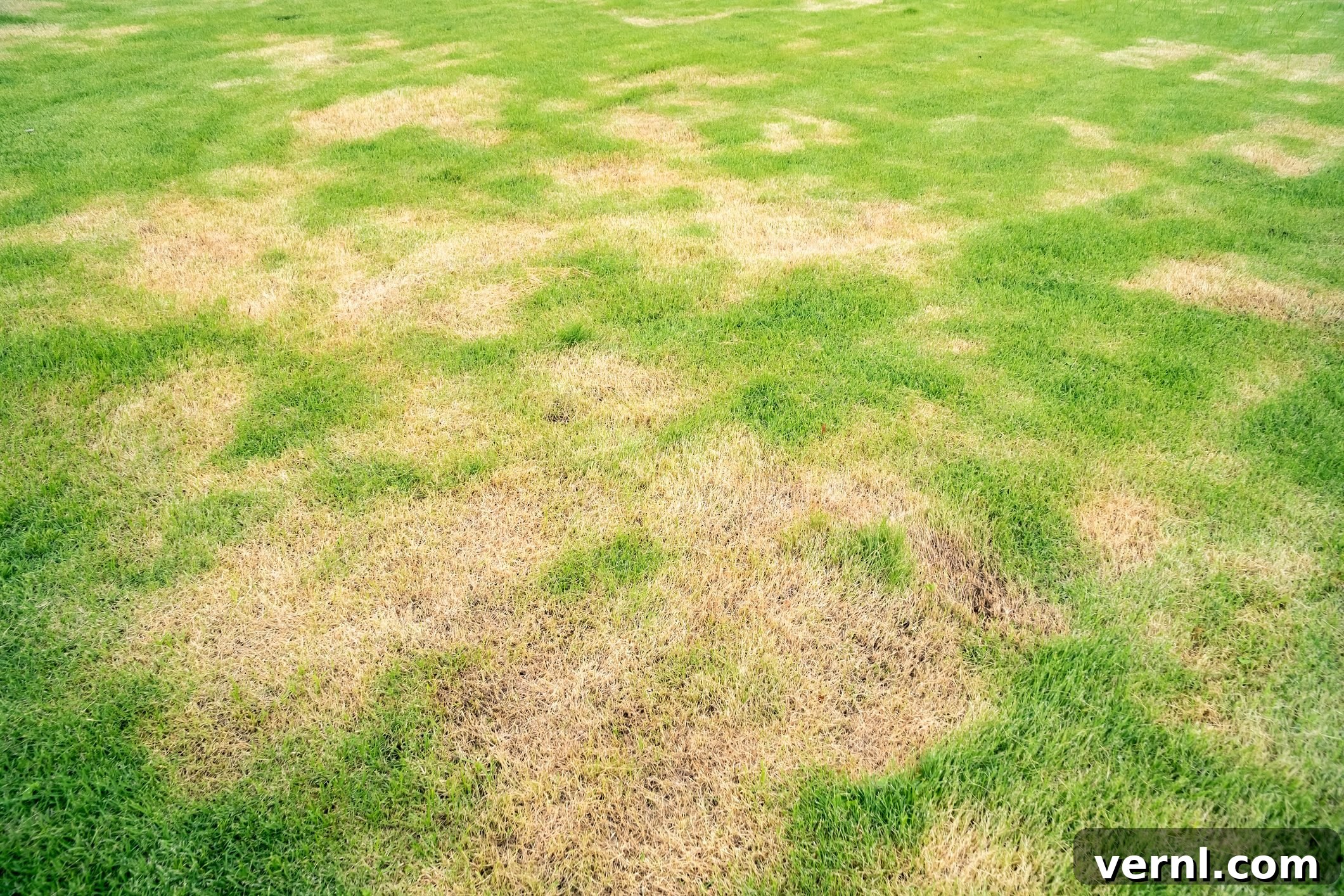
Revitalizing Your Lawn: Understanding and Fixing Yellow Grass
The pursuit of a lush, vibrant green lawn is a common endeavor for many homeowners. We spend countless hours mowing, watering, and tending to our yards, dreaming of that perfect emerald carpet. Yet, despite our best efforts, a familiar and frustrating problem often emerges: yellow grass. This unsightly discoloration can transform your envisioned masterpiece into a patchy, dull landscape, leaving you wondering where you went wrong. Worse still, these yellow blemishes can seem to spread, taking on a life of their own and threatening the health and beauty of your entire lawn.
Understanding why your once-green turf is turning yellow is the first crucial step toward restoring its vitality. Yellowing grass is a clear indicator that something is amiss, whether it’s a nutrient deficiency, a pest infestation, or an environmental stressor. Identifying the root cause quickly and accurately is essential for implementing the correct treatment and preventing further damage. This comprehensive guide will explore the most common culprits behind yellow grass, delving into their specific symptoms, preventative measures, and proven solutions to help you achieve and maintain the healthy, green lawn you desire.
From common mistakes like over-fertilizing to more insidious threats like soil compaction or hidden pests, we’ll uncover the secrets to a vibrant lawn. We’ll also provide practical, actionable tips and detailed fix-it strategies for each problem, ensuring you have all the knowledge necessary to diagnose and treat your discolored grass effectively. Say goodbye to yellow patches and hello to a thriving, verdant outdoor space with our expert advice on tackling this pervasive lawn problem.
1. Over-Fertilizing: The Burn of Too Much Love
Fertilizer is designed to nourish your lawn, providing essential nutrients that promote robust growth and that coveted deep green color. However, like many good things, too much can be detrimental. Applying an excessive amount of fertilizer, especially those with high concentrations of synthetic chemicals, can paradoxically cause your grass to turn yellow or even brown. This phenomenon is often referred to as “fertilizer burn.”
Fertilizer burn occurs because most synthetic fertilizers contain salts. When these salts are applied in high concentrations, they draw moisture out of the grass blades and roots, effectively dehydrating and burning the plant tissue. This can lead to yellowing, browning, and even the death of grass patches. The damage is particularly noticeable with fast-release granular fertilizers, which dump a large amount of nutrients and salts onto the grass all at once. Even organic fertilizers, while generally safer, can cause issues if applied in extreme excess.
Symptoms of Over-Fertilizing: Look for yellow or brown streaks and patches where the fertilizer was applied too heavily. The affected grass often appears crispy or scorched, and the damage can sometimes follow the pattern of your spreader if it wasn’t calibrated correctly or if passes overlapped excessively.
The Fix for Over-Fertilizing:
- Immediate Action: Flush the Area. If you realize you’ve over-fertilized soon after application, the most critical first step is to thoroughly water the affected area. This helps to dissolve and dilute the excess salts, washing them deeper into the soil profile, away from the grass roots. Water deeply for at least 20-30 minutes, or until the soil is saturated.
- Remove Visible Excess. If there are still visible granules of fertilizer on the grass blades, gently sweep or rake them away before watering to prevent further concentration and damage.
- Assess and Reseed. For areas where the grass has already died due to severe burning, the only solution is to remove the dead turf. Rake out the affected sections and prepare the soil for reseeding. Plant new grass seed appropriate for your region and soil type, following recommended planting guidelines carefully.
- Care for New Growth. Once new grass begins to sprout, care for the grass diligently, ensuring it receives adequate water and light fertilization tailored for new seedlings.
- Prevent Future Burns. Always calibrate your spreader, read fertilizer labels carefully, and apply at the recommended rates. Consider splitting larger applications into two smaller ones a few weeks apart, and always water your lawn after applying granular fertilizer to help it settle and prevent burn. Opting for slow-release fertilizers can also significantly reduce the risk of burn.
2. Dog Urine: The Lawn’s Nemesis
For pet owners, yellow patches on the lawn are an all too common and frustrating sight. If your beloved canine companion has a favorite spot for doing its business, you’ll likely notice circular yellow or brown spots appearing in those areas. This damage is primarily caused by the high concentration of nitrogenous salts present in dog urine. While nitrogen is a vital nutrient for grass health (as we’ll discuss later), in concentrated amounts, it acts like a potent liquid fertilizer burn, drawing out moisture and essentially scorching the grass roots.
The characteristic appearance of dog urine spots is often a brown or yellow patch surrounded by a ring of unusually dark green grass. The dark green ring occurs because the urine at the very edge of the concentrated spot is diluted enough to act as a beneficial nitrogen dose, promoting vigorous growth. The central area, however, receives too much nitrogen and salts, leading to its demise. These dead areas are particularly noticeable in spring after snow melts, revealing the winter’s accumulation of damage, or during dry periods when the grass is already stressed.
Symptoms of Dog Urine Damage: Circular yellow or brown spots with a distinct dark green halo around the perimeter. The grass in the center of the spot will often be dead or very sparse.
The Fix for Dog Urine:
- Remove Damaged Grass. Begin by thoroughly raking out the dead or severely yellowed grass from the affected spots. This clears the area for treatment and new growth.
- Aerate and Prepare Soil. Using a small hand tool like a Garden Weasel Cultivator or a trowel, gently work up the exposed soil. This helps break up any compaction and allows for better penetration of amendments.
- Apply Gypsum to Neutralize Salts. Gypsum (calcium sulfate) is highly effective at neutralizing the salt damage left by urine. Apply a generous amount of granular gypsum to the affected area, working it into the top one to two inches of soil. This amendment helps to leach salts away from the root zone and improve soil structure.
- Flush the Area Thoroughly. After applying gypsum, flush the spot with a copious amount of water. This helps the gypsum deep into the soil and further washes away residual salts, preparing the area for new grass.
- Reseed with Quality Mix. Once the soil has settled and is workable, overseed the area with a quality grass seed mix suitable for your climate and sun exposure. Consider using a convenient all-in-one lawn repair kit that often contains seed, mulch, and a small amount of starter fertilizer, making the process simpler.
- Prevention is Key. To prevent future spots, consider training your dog to use a designated area (like a mulched bed), diluting urine spots with water immediately after your dog urinates, or even exploring pet-safe lawn treatments or dog food supplements designed to mitigate urine damage (consult your vet first).
3. Soil Compaction: The Silent Killer of Grass
Beneath the surface of your lawn, the soil structure plays a critical role in the health and vitality of your grass. When soil becomes compacted, it can lead to all sorts of lawn problems, including unsightly yellowing. Soil compaction occurs when soil particles are pressed together, reducing the pore space between them. Common culprits include heavy foot traffic, vehicles, construction machinery, and even repeatedly mowing in the same pattern week after week.
When soil is compacted, it chokes off the supply of essential life-support elements to your grass roots. The reduced pore space means water, oxygen, and vital nutrients cannot penetrate deeply into the soil. Grass roots struggle to grow in dense soil, becoming shallow and less efficient at absorbing what little moisture and nutrients are available. This leads to stressed, weakened grass that eventually turns yellow, struggles to grow, and becomes more susceptible to disease and pest infestations.
Symptoms of Soil Compaction: Beyond yellowing, you might notice water puddling on the surface after rain, slow drainage, thinning grass, stunted growth, and areas where the soil feels hard and impenetrable. If you try to push a screwdriver into the ground, it will be very difficult in compacted areas.
The Fix for Soil Compaction:
- Core Aeration. The most effective solution for soil compaction is core aeration. This process involves a machine that pulls small plugs (cores) of soil from your lawn, creating channels for air, water, and nutrients to reach the root zone. You can rent a core aerator from most equipment rental stores for around $65 for a half-day, which is usually sufficient for an average-sized yard.
- Optimal Aeration Timing. Aerate your lawn when the soil is moist but not soaking wet. Soft soil allows the aerator’s coring tines to penetrate deeper, maximizing effectiveness. Make several passes over the yellowed grass, aiming for at least 12 holes per square foot. Don’t be afraid to be aggressive; you won’t harm the grass by thoroughly aerating.
- Break Down and Distribute Cores. After the soil cores have dried (usually a day or two), gently break them up with a rake or by running over them with your lawnmower. This distributes the nutrient-rich soil back into the lawn, improving surface soil quality.
- Reseed and Top-Dress. Following aeration, it’s an excellent time to reseed the area. The newly created holes provide ideal pockets for grass seeds to germinate and establish. Use a high-quality seed mix that is well-suited for your local climate and the specific site conditions (sun/shade). Lightly top-dress the seeded area with a thin layer of weed-free soil or compost to provide an optimal environment for germination and add organic matter.
- Consistent Watering. Water lightly and frequently as the grass germinates and begins to grow, keeping the top layer of soil consistently moist without overwatering.
- Preventative Measures. To prevent future compaction, vary your mowing patterns, avoid heavy equipment on the lawn, and consider pathways for high-traffic areas. Annual aeration, especially in high-traffic zones, can also be a valuable preventative measure.
4. Spilled Chemicals: Accidental Lawn Assassins
It’s an unfortunate scenario many homeowners have experienced: a moment of distraction while filling a sprayer, and suddenly, a potent weed killer or other lawn chemical is spilled directly onto your pristine turf. While these chemicals are designed to eliminate unwanted plants, an accidental spill will almost certainly kill your grass in the affected area, leaving a distinct yellow or brown patch. The damage can be rapid and severe, turning vibrant green blades into lifeless husks within hours or days, depending on the chemical’s strength and type.
Herbicides, pesticides, and even strong cleaning agents can be incredibly damaging to grass when applied improperly or in excessive concentrations. The chemicals work by interfering with the plant’s biological processes, leading to its demise. The key to minimizing damage from a chemical spill is acting quickly and correctly. Improper intervention, such as flushing with water, can inadvertently spread the problem, making a small localized issue into a much larger, more challenging one.
Symptoms of Chemical Spills: Rapid yellowing or browning, often in an irregular or splash pattern corresponding to the spill. The grass will appear completely dead, without any green recovery, and the affected area will be clearly delineated from healthy turf.
The Fix for Spilled Chemicals:
- Immediate Containment and Absorption. Act quickly! If the spill is fresh and there’s still liquid on the surface, the top priority is to absorb it. Apply a highly absorbent material directly onto the spill. Excellent options include kitty litter (non-clumping), sawdust, calcined clay, or even paper towels for very small spills. Allow the material to soak up as much of the liquid as possible. Once saturated, carefully scoop the absorbent material into a plastic bag, seal it, and dispose of it according to local hazardous waste guidelines. Do NOT flush these materials down drains.
- Avoid Flushing with Water. This is crucial: resist the temptation to flush the spill area with water. While it might seem intuitive, flushing will only spread the chemical over a larger area, exacerbating the problem and causing more widespread damage to your lawn. The goal is to remove the chemical, not dilute and spread it.
- Excavate Contaminated Soil. For most significant chemical spills, you will need to physically remove the contaminated soil. Dig out the affected area to a depth of six to ten inches, or deeper if the chemical has clearly soaked further into the soil. The depth of excavation depends on the type of pesticide and how deeply it may have permeated. Be thorough to ensure all chemically saturated soil is removed.
- Proper Disposal of Contaminated Soil. Place the excavated, contaminated soil into heavy-duty plastic bags. Contact your local waste management facility or environmental protection agency for guidance on proper disposal, as chemically contaminated soil is often considered hazardous waste and cannot be put out with regular trash.
- Backfill and Reseed. Once the contaminated soil is removed, backfill the hole with fresh, weed-free topsoil or a high-quality soil mix. Level the area and then reseed as described in previous sections, using a grass seed mix appropriate for your conditions. Ensure consistent watering to help the new grass establish.
- Prevention and Safety. Always fill sprayers and mix chemicals on a hard, impermeable surface (like a driveway or concrete patio), away from your lawn. Consider using a tarp or old newspapers as a protective barrier. Store chemicals safely and follow all label instructions meticulously.
5. Grubs and Insects: The Hidden Eaters of Your Lawn
Sometimes, the cause of yellow grass isn’t immediately obvious because the culprits are hidden beneath the surface or camouflaged within the blades. Grub infestations are a prime example. These tiny, C-shaped “worms” are actually the larval stage of various beetles (such as Japanese beetles, June bugs, and chafers). They reside just beneath the soil surface, invisibly munching away at grass roots, effectively severing them from the green blades above ground. This destruction starves the grass of water and nutrients, leading to widespread yellowing, browning, and ultimately, death.
Beyond grubs, other insects can also cause significant damage. Surface-feeding insects like chinch bugs and sod webworms feed on the grass blades themselves rather than the roots. Chinch bugs suck the sap from grass, leaving yellow and brown patches that often appear during hot, dry weather. Sod webworms chew off grass blades close to the soil line, creating irregular brown patches. Both root-feeding and surface-feeding insects can cause severe damage or kill large sections of your lawn, turning it yellow and patchy.
Symptoms of Insect Infestation:
* Grubs: Irregular yellow or brown patches that often grow larger. The grass in affected areas will pull up easily, like a piece of carpet, because the roots have been eaten away. Increased activity from birds, raccoons, or skunks digging up your lawn can also indicate a grub problem, as they feed on grubs.
* Surface Feeders (Chinch Bugs, Webworms): Yellow or brown patches that typically appear in sunny, hot areas. Chinch bug damage often mimics drought stress, but watering doesn’t improve it. Sod webworm damage looks like irregular brown spots and you might see moths flying low over the grass at dusk.
The Fix for Grubs and Insects:
- Preventative Grub Control. Grubs can cause extensive damage if left unchecked. Applying a preventative insecticide in early summer (typically June or July, depending on your region) will target newly hatched grubs, keeping their population at bay before they can cause significant damage. Products containing chlorantraniliprole are highly effective and are often pollinator-friendly, meaning they pose less risk to beneficial insects like bees and butterflies. Always consider using products with this active ingredient, as they are generally safer for the environment, humans, and pets.
- Identify Surface-Feeding Pests. Tiny insects can be hard to see. To determine if you have a heavy infestation of lawn-chewing insects like chinch bugs or sod webworms, try the “coffee can test.” Cut out the bottom of a coffee can or use a metal cylinder, push it a few inches into the grass in a problem area, and fill it with water (add a few drops of dish soap to the water to speed up the process). As the soapy water permeates the soil, surface-dwelling bugs will float to the top. The number of bugs you see will help you determine the severity of the infestation.
- Targeted Insecticide Application. Once you’ve identified the specific pest, choose an appropriate insecticide. For surface feeders, safe lawn insecticides containing bifenthrin or carbaryl can provide good results in eliminating chewing insects. Always ensure the product is labeled for the specific pest you are targeting.
- Understand Product Specificity. It’s important to note that most grub control products only work on grubs, and insecticides for surface feeders target different pests. Always read product labels carefully to ensure you are selecting the correct treatment for your specific insect problem. Applying the wrong product will be ineffective and a waste of time and money.
- Post-Treatment Care. After treatment, you may need to reseed any severely damaged or dead patches of grass. Maintain good lawn care practices, including proper watering and fertilization, to help the lawn recover its vigor and resistance.
6. Lack of Nitrogen: The Hunger Pangs of Your Lawn
Just like any living organism, your lawn needs to be fed consistently to stay healthy and vibrant. When grass starts to turn a pale yellow or yellowish-green, it often signals a simple yet critical problem: a lack of nitrogen. Nitrogen is the most essential nutrient for grass, playing a fundamental role in chlorophyll production, which is responsible for the grass’s green color and its ability to photosynthesize. It’s typically the first number listed in the N-P-K (Nitrogen-Phosphorus-Potassium) analysis on fertilizer bags.
Without sufficient nitrogen, grass cannot produce enough chlorophyll, leading to a visible loss of its deep green hue. Instead, it becomes pale, yellowish, and appears lackluster. A nitrogen deficiency can also result in stunted growth, thinner turf, and an increased susceptibility to weeds and diseases, as the grass simply lacks the energy to thrive and defend itself. This nutrient is crucial for maintaining a dense, actively growing, and visually appealing lawn.
Symptoms of Nitrogen Deficiency: Overall pale green or yellowing of the entire lawn, especially older leaves. The grass may appear to be growing slowly or struggling to fill in thin areas. It’s a general fading of color rather than distinct spots or patterns.
The Fix for Lack of Nitrogen:
- Apply Nitrogen-Rich Fertilizer. The most direct solution is to use a lawn food that contains a high percentage of nitrogen. Look for fertilizers where the first number (N) is significantly higher than the P and K. Many “lawn food” or “lawn builder” products are formulated with a lot of quickly available nitrogen, often fortified with elements like five percent iron, which also contributes to a deeper green color by aiding chlorophyll production.
- Consider Organic Options. If you prefer an organic approach, products like Milorganite Organic Nitrogen Fertilizer are excellent choices. They slowly release nitrogen over time, providing a consistent supply to your lawn, and often contain a healthy dose of iron to boost greening. (Note: Milorganite contains phosphorus. Before using any lawn fertilizer containing phosphorus, always check your state and local regulations, as some areas ban or restrict its use in lawn fertilizers due to environmental concerns.)
- Proper Application and Watering. Apply the chosen fertilizer at the recommended rate specified on the product label. After application, it’s crucial to water the lawn thoroughly. Watering helps to dissolve the fertilizer granules and carry the nutrients down into the soil where the grass roots can absorb them, activating the fertilizer’s greening effects.
- Observe and Reapply as Needed. After fertilizing and watering, you should begin to see your lawn’s color improve within a few days to a week. For sustained health and color, establish a regular fertilization schedule tailored to your grass type and local climate, ensuring your lawn consistently receives the nitrogen it needs.
7. Too Much or Not Enough Water: The Hydration Dilemma
Water is the lifeblood of your lawn, essential for nearly every physiological process within the grass plant. However, striking the right balance can be surprisingly challenging. Both too much or not enough water can lead to stress, causing your lawn to turn yellow, brown, or straw-colored. This seemingly contradictory problem arises from different forms of physiological stress that impede the grass’s ability to thrive.
Overwatering: Excessive watering can be just as damaging as too little. When the soil is constantly saturated, grass roots can essentially “drown.” The soil becomes waterlogged, displacing vital oxygen that roots need to respire and absorb nutrients. This lack of oxygen leads to root rot, disease, and a general decline in health, causing the grass to turn yellow and eventually die. Overwatering also encourages shallow root growth, making the lawn more susceptible to drought stress when conditions dry out.
Underwatering: Conversely, insufficient water leads to drought stress. When grass doesn’t receive enough moisture, its cells lose turgor pressure, causing the blades to wilt and curl. The grass enters a survival mode, shutting down growth and turning yellow or brown as it conserves energy. Prolonged drought will lead to the death of the grass plants.
Symptoms of Water Imbalance:
* Overwatering: Spongy feel underfoot, persistent puddles, moss or algae growth, fungal diseases, and a general pale yellowing or wilting, despite the wet soil.
* Underwatering: Grass blades wilting, curling, or turning a dull bluish-gray before progressing to yellow and then brown or straw-like. Footprints may remain visible in the grass for an extended period after walking across it.
The Fix for Water Imbalance:
- Assess and Adjust Watering Schedule. The first step is to accurately assess how much water your lawn is currently receiving. If you have an automated irrigation system, adjust the frequency and duration of watering cycles to fit current weather conditions, seasonal changes, and your grass type. Aim for deep, infrequent watering rather than shallow, frequent watering, which encourages stronger, deeper root systems.
- Utilize Smart Technology. Pay close attention to your system’s operation. If it runs when it’s raining or when the ground is already moist, adjust the clock timer or invest in smart irrigation controllers that use local weather data. Consider buying a simple and inexpensive soil moisture probe to accurately gauge the moisture level in your soil, helping you avoid both under- and over-watering.
- Manual Watering Strategies. If you rely on manual watering, managing soil moisture can be more challenging. Focus your efforts on watering the dry, yellow grass specifically, rather than soaking the entire lawn if only certain areas are affected. Water deeply until the soil is moist several inches down. There are many hose-end sprinklers available; select a model that best covers the shape and size of your dry area efficiently. For added convenience, you might consider a smart sprinkler device that can automate your hose-and-sprinkler watering process based on programmable schedules or even soil moisture sensors.
- Understand Your Soil Type. Different soil types retain water differently. Sandy soils drain quickly and may need more frequent, lighter watering, while clay soils retain water longer and require less frequent, deeper watering. Understanding your soil type will help you fine-tune your watering practices.
- Morning Watering. Always try to water in the early morning. This allows the grass blades to dry off before evening, reducing the risk of fungal diseases, and minimizes water loss to evaporation during the hottest parts of the day.
Addressing yellow grass can seem like a daunting task, but with the right knowledge and timely intervention, your lawn can regain its vibrant green color and health. By understanding these common causes—from fertilization mishaps and pet damage to hidden pests and improper watering—you’re better equipped to diagnose the problem accurately and apply the most effective solutions. Remember that a healthy lawn is often a reflection of consistent care, keen observation, and proactive management.
Don’t let yellow patches diminish the beauty of your outdoor space. Take the time to regularly inspect your lawn, pay attention to subtle changes, and implement the preventative measures outlined in this guide. With patience and consistent effort, you’ll be well on your way to enjoying a dense, weed-free, and most importantly, brilliantly green lawn that enhances your home’s curb appeal and provides a beautiful setting for outdoor activities. Happy lawn care!