
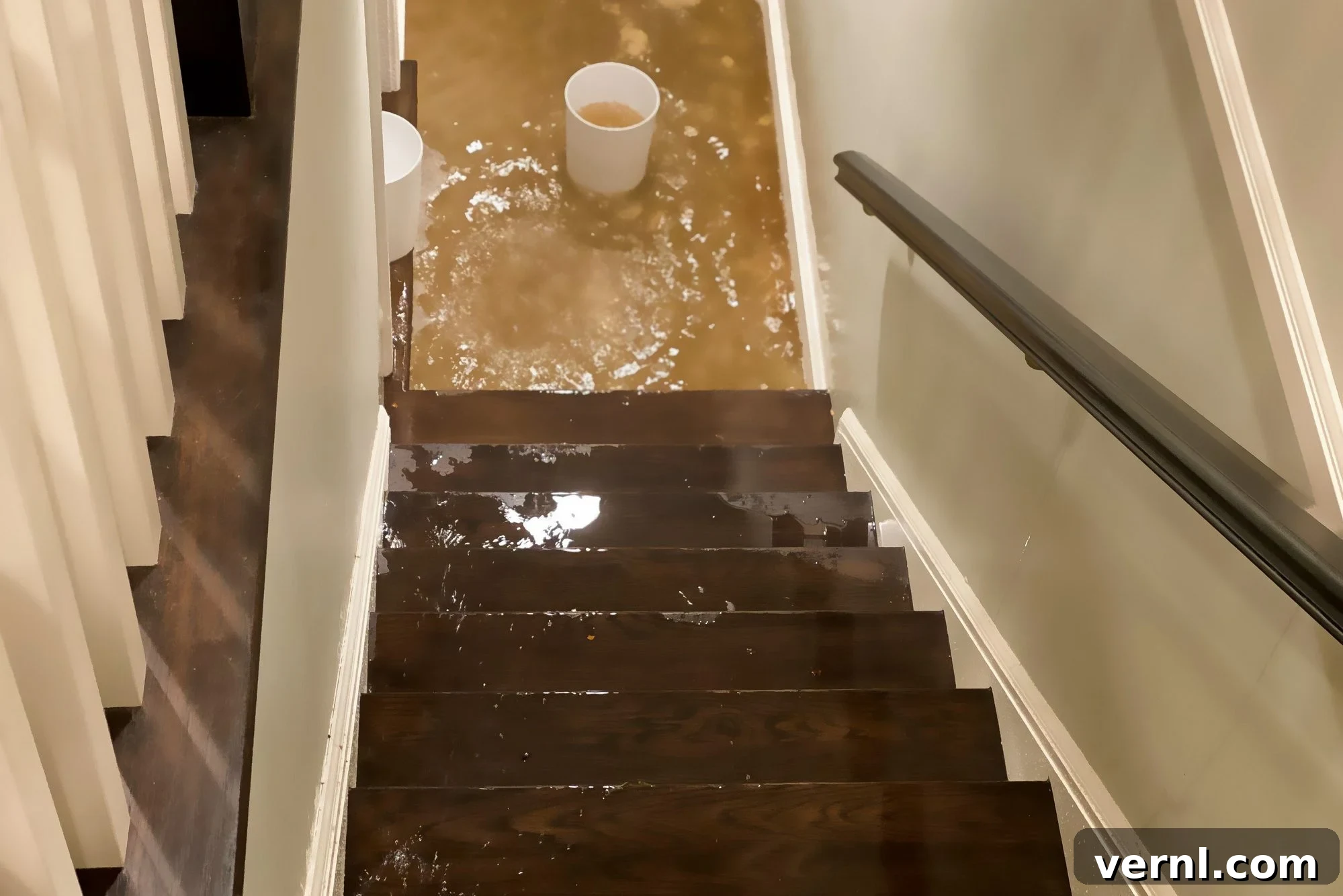
The exhilaration of buying a new home often comes with the understanding that some compromises are inevitable, especially in a fiercely competitive seller’s market. For us, the reality of these compromises manifested rather dramatically after the first significant downpour, when a corner of our basement succumbed to an unexpected flood. While this initial encounter with water intrusion wasn’t entirely unforeseen, it certainly underscored the urgent need for a reliable solution. Our immediate response, installing a new, efficient gutter system, proved to be a simple yet crucial step in safeguarding our home.
Indeed, basement flooding is a far more prevalent issue than many homeowners realize. While certain geographical regions are undeniably more susceptible to flooding due to their topography or proximity to water bodies, the Federal Emergency Management Agency (FEMA) issues a stark reminder: every single region across the United States faces some degree of flood risk. The causes of basement flooding after heavy rainfall are numerous, ranging from overwhelmed drainage systems to compromised foundations, but critically, almost all are preventable. Implementing the right preventative measures can save you from significant financial loss, extensive structural damage, health hazards from mold, and the sheer stress of dealing with a waterlogged basement. This comprehensive guide will walk you through essential strategies and actionable steps to protect your home and prevent your basement from flooding during heavy rain.
Install a Robust Gutter System
For any homeowner embarking on the journey of flood prevention, the installation of a comprehensive gutter system stands as the foundational first step, especially if your home currently lacks one. Gutters are not merely decorative elements; they are critical components of your home’s exterior drainage infrastructure, designed to perform a vital function: collecting rainwater as it cascades off your roof and efficiently channeling it away from your home’s foundation. Without a properly functioning gutter system, every drop of rain that lands on your roof will simply fall directly onto the ground immediately surrounding your home’s foundation. Over time, this constant deluge will oversaturate the soil, turning it into a soggy sponge.
When the ground around your foundation becomes excessively saturated, water pressure builds up. Eventually, this water will seek the path of least resistance, inexorably finding its way through any tiny crack, porous section, or vulnerable point in your basement walls or floor. This leads directly to basement flooding and, more insidiously, can inflict severe, long-term damage to your home’s structural integrity. Beyond preventing water intrusion, a robust gutter system also helps protect your landscaping, prevents unsightly splash-back onto siding, and can even reduce erosion around your property. Consider the material options available, such as durable aluminum, cost-effective vinyl, or the classic appeal of copper, and choose a style that complements your home’s aesthetic while offering maximum functionality. While a DIY installation is possible for experienced homeowners, consulting with a professional ensures proper sizing, pitch, and secure attachment for optimal performance.
Maintain and Clean Existing Gutter Systems
The efficacy of even the most expertly installed gutter system is entirely dependent on its proper function, which, in turn, hinges on regular maintenance. A gutter system choked with an accumulation of leaves, twigs, dirt, and other debris cannot fulfill its purpose. When gutters are clogged, rainwater has nowhere to go; instead of flowing away, it overflows, often cascading directly down the side of your house and pooling around the foundation – precisely the problem you are trying to avoid. Neglecting gutter cleaning transforms a protective system into a potential liability, creating conditions ripe for basement flooding, fascia damage, and even ice dam formation in colder climates.
Integrating regular gutter cleanings into your routine home maintenance schedule is therefore paramount. The frequency of cleaning will largely depend on your home’s surroundings; properties with numerous deciduous trees will naturally require more frequent attention, often two to four times a year, typically in spring and fall. Homeowners can certainly undertake this task themselves, which can be a cost-effective option. If you opt for DIY, ensure you prioritize safety by using a sturdy ladder, wearing appropriate gloves, and having a helper nearby. Alternatively, hiring a professional gutter cleaning service offers convenience and peace of mind, especially if heights or ladder work present a challenge. For homes surrounded by an abundance of leaf-shedding trees, a smart investment would be the addition of leaf guards or gutter covers. These screens or covers fit securely over your existing gutters, allowing rainwater to filter through while effectively blocking leaves, twigs, and other larger debris. This significantly reduces the frequency of manual cleanings and helps ensure uninterrupted water flow.
Extend Gutter Downspouts Effectively
Even with clean and functional gutters, their effectiveness can be severely compromised if the water they collect isn’t discharged far enough away from your home. This is where the crucial role of gutter downspouts comes into play. These vertical pipes are designed to carry the water collected by the horizontal gutters down to ground level. However, if your downspouts are too short, they will simply dump large volumes of water directly onto the soil adjacent to your foundation, creating concentrated areas of saturation. This concentrated pooling of water can rapidly seep into your basement, especially if the ground doesn’t slope correctly.
Therefore, a critical step in basement flood prevention involves inspecting the termination points of your downspouts and assessing where water permeates your basement. If water intrusion is observed near a downspout, it’s a clear indicator that the downspout needs extending. Extension pieces are readily available and simple to install, allowing you to direct water a safe distance from your home. As a general rule, downspout extensions should project at least five feet away from the foundation. However, the optimal length can vary significantly depending on the natural slope of your property. On flat or inwardly sloping land, you might need even longer extensions or specialized buried systems to ensure water is channeled effectively away from the building envelope. Options range from simple splash blocks that spread water over a wider area to flexible roll-out extensions that can be retracted when not needed, or even permanent buried drainage lines that connect to a storm drain or dry well. Proper downspout extension is a low-cost, high-impact solution that dramatically reduces the risk of foundation saturation and subsequent basement flooding.
Ensure Your Yard Slopes Away From the House (Proper Grading)
While an efficient gutter system captures the majority of rainfall from your roof, it’s important to remember that not every drop of rain will make it into the gutters. Rain falling directly onto the ground around your home, or overflowing from clogged gutters, can still pose a significant threat if your yard isn’t properly graded. When the ground immediately surrounding your house slopes toward the foundation, it acts as a funnel, directing rainwater directly into your basement. This creates an insidious problem, allowing water to accumulate and exert hydrostatic pressure against your basement walls, eventually finding or creating pathways to seep inside.
The fundamental principle of proper yard grading, also known as positive grading, dictates that the ground around your home should gently slope away from the foundation. This natural gradient ensures that rainwater drains naturally and efficiently away from the building envelope, preventing pooling and saturation. The ideal slope is typically considered to be a drop of at least six inches for every ten feet extending away from the foundation. In many instances, correcting an improper slope can be a manageable weekend project for a dedicated homeowner. You’ll need essential tools such as shovels, a sturdy tamping tool for compaction, and compactable fill material, often a mixture of soil, sand, and gravel. Begin by clearing any existing landscaping or debris, then gradually build up the grade near the foundation, ensuring a consistent slope outward. Compact the fill material thoroughly in layers to prevent settling. For more significant grading challenges or extensive property adjustments, consulting with a landscaping contractor or an excavation professional is advisable to ensure the job is done correctly and effectively. This investment in proper grading is a long-term safeguard against water intrusion and foundation damage.
Maintain Landscaping Near the House
The lush greenery of trees and shrubs can beautifully frame your home, enhancing its curb appeal and providing shade. However, if not properly managed, this same landscaping can inadvertently become a primary culprit behind basement flooding. The root systems of trees and large shrubs, particularly those planted too close to the foundation, actively seek out moisture. As they grow, these roots can exert immense pressure on basement walls, leading to the development of hairline cracks or even significant structural fractures. These cracks then serve as direct conduits, allowing groundwater to easily seep into your basement.
Beyond root intrusion, overgrown shrubs and dense foliage planted directly against your home can also create microclimates that trap moisture against the foundation. This constant dampness can compromise the integrity of waterproofing materials and encourage water penetration. To mitigate these risks, it’s essential to regularly trim the branches and roots of trees and shrubs situated close to your basement. For plants that are consistently overgrown, require excessive maintenance to stay contained, or are known for aggressive root systems, consider relocating them to a more suitable area on your property, a safe distance away from the foundation. As a general guideline, larger trees should be planted at a distance equal to their mature canopy width, and shrubs at least 2-3 feet away. Prioritizing strategic landscaping choices and consistent maintenance is crucial for preventing root damage and maintaining a dry basement.
Install a French Drain System
Despite diligent efforts in managing surface water through effective gutter systems and proper yard grading, some homes continue to experience persistent basement flooding or significant water pooling in certain areas of the yard. This often indicates a problem with subsurface water, particularly a high water table or concentrated underground water flow. In such scenarios, installing a French drain emerges as a highly effective solution. A French drain is an ingenious subsurface drainage system designed to collect and redirect groundwater before it can reach your foundation or saturate low-lying areas.
At its core, a French drain consists of a trench excavated in a problematic area, lined with permeable landscape fabric, filled with gravel, and housing a perforated drainage pipe. As rainwater permeates the ground, instead of pooling or pressing against your foundation, it filters through the gravel and enters the perforated pipe. The pipe, laid with a gentle slope, then efficiently carries this collected water away to a designated discharge point, such as a storm drain, a dry well, or a natural ditch located a safe distance from your home. French drains can be installed around the perimeter of your house (exterior French drain) or even inside the basement (interior French drain) to address different types of water issues. While installing a French drain can be a challenging weekend DIY project for those with strong excavation skills and attention to detail, many homeowners opt to contact a local landscaping or drainage contractor. Professionals possess the necessary equipment and expertise to correctly assess the water flow, determine the optimal trench location and depth, and ensure proper slope and discharge for long-lasting effectiveness.
Seal Basement Walls and Floors
Even after implementing robust exterior water management strategies, water has a remarkable ability to find its way inside through the smallest of imperfections. Whether it’s a hairline crack in a basement wall, a tiny hole in the concrete floor, a worn-out gap in weather stripping around a basement window, or a missing strip of caulk around a pipe penetration – if an opening exists, water will eventually exploit it. Therefore, sealing all potential entry points is a crucial line of defense in comprehensive basement waterproofing, acting as a final barrier against moisture intrusion.
A thorough inspection of your basement’s interior and exterior perimeter is the first step. Look for any visible cracks, gaps, or signs of moisture. Once identified, a multi-faceted approach to sealing can be employed:
- Cracks in Walls and Floors: For non-structural cracks, epoxy resins or hydraulic cement can be injected or applied to fill and seal them effectively. Epoxy not only stops water but also bonds the concrete, adding structural integrity.
- Basement Windows and Doors: Replace worn or degraded weather stripping around basement windows and exterior doors. Re-caulk any gaps around window frames, door jambs, and where utilities enter the home.
- Wall Coatings: Applying a specialized waterproof coating or paint to interior basement walls can create an additional barrier against moisture, especially useful for dampness seeping through porous concrete or masonry. However, it’s important to note that these coatings are generally a secondary measure, best used after external issues have been addressed, as they can sometimes trap moisture behind the coating if the source of the water is not resolved.
- Floor Sealing: Concrete sealers can be applied to basement floors to reduce moisture vapor transmission and prevent minor seepage through the slab.
While many of these sealing tasks can be undertaken as DIY projects, if the sheer number of openings feels overwhelming, or if you suspect larger structural issues, a specialty basement waterproofing company can provide invaluable expertise. They can conduct a comprehensive assessment, pinpoint the exact sources of water intrusion, and recommend the most effective and durable sealing and waterproofing solutions tailored to your home’s specific needs, ensuring a dry and healthy basement environment.
Install a Sump Pump System
When all other exterior water mitigation efforts – from diligent gutter maintenance and proper yard grading to French drain installations and thorough crack sealing – still fail to keep your basement completely dry, or if your home is situated in an area with a consistently high water table, installing a sump pump could very well be your ultimate saving grace. A sump pump represents the final, internal line of defense against basement flooding, actively removing water that has managed to collect within your basement before it can cause significant damage.
The principle behind a sump pump is straightforward yet highly effective: it is designed to collect and automatically discharge water from a designated pit, known as a sump pit, to an external drainage system. Typically, this sump pit is excavated at the lowest point of your basement floor. As groundwater or seepage collects in the pit, a float switch activates the pump, which then draws the water out and expels it away from your home through a discharge pipe. There are two primary types of sump pumps: submersible pumps, which are fully submerged in the sump pit and are quieter and more efficient, and pedestal pumps, where the motor is above the water, making them easier to access for maintenance. Modern sump pump systems often include features like battery backups to ensure operation during power outages, and alarms to alert homeowners to potential malfunctions.
While an experienced DIYer might tackle a sump pump installation, most homeowners will find it more prudent to engage a professional. The process involves significant excavation for the sump pit, proper plumbing for the discharge line, and critical electrical wiring. Furthermore, many municipalities require building permits for sump pump installations to ensure compliance with local codes, particularly regarding discharge regulations. A professional installation ensures the pump is correctly sized for your basement’s needs, installed safely, and operates reliably when you need it most, providing invaluable peace of mind against the threat of significant water damage.
Protecting your basement from the ravages of heavy rainfall requires a proactive and multi-layered approach. As we’ve explored, each strategy—from ensuring proper gutter functionality and yard grading to installing French drains, sealing cracks, and deploying sump pumps—plays a vital role in creating a robust defense against water intrusion. Ignoring these preventative measures can lead to costly repairs, health hazards from mold, and significant stress. By understanding the causes of basement flooding and implementing these proven solutions, homeowners can significantly reduce their risk, safeguarding their property’s value and, more importantly, securing their peace of mind. Don’t wait for the next heavy storm to assess your home’s vulnerability; act today to ensure your basement remains dry, safe, and sound.