
Navigating Storm Damage: A Homeowner’s Comprehensive Guide to Hail, Wind, and Insurance Claims
For homeowners across the country, the threat of severe weather looms large, and with it, the potential for significant property damage. According to data compiled by the Insurance Information Institute, claims related to hail and wind damage collectively represent a staggering 38 percent of all homeowners insurance claims. This category encompasses a wide range of weather events, including the devastating impact of hurricanes, tropical storms, and tornadoes. When these forces strike, the financial repercussions can be substantial.
In fact, wind and hail damage claims are ranked as the fourth most costly type of claim, with an average payout reaching an estimated $10,182 per incident, based on information from the III. These figures underscore the critical importance of being prepared and informed when your home is impacted by a storm. But what steps should you take when the storm passes, and a wave of roofing contractors begins knocking on your door?
Immediate Steps After Storm Damage: What Every Homeowner Needs to Do
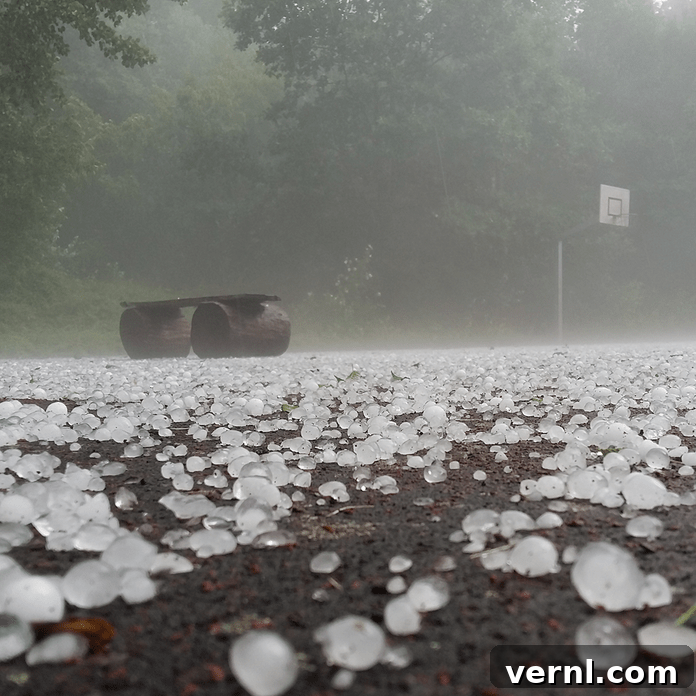
The immediate aftermath of a severe storm can be a chaotic and stressful time. You might have endured the terrifying sounds of golf ball-sized hail pelting your roof, the ominous crack of a tree branch, or the unsettling jingle of breaking glass. Once the immediate danger subsides and you venture out to assess the damage, a new challenge often arises: the influx of “storm-chasing” contractors. These individuals, sometimes arriving before the last raindrop falls, are often monitoring weather reports and hail activity, eager to capitalize on new opportunities.
While their rapid response might seem helpful, it’s crucial for homeowners to approach these situations with caution and a clear strategy. Your primary goal is to protect your property from further damage and navigate the repair and insurance process effectively. Here’s what you should focus on:
- Ensure Safety First: Before anything else, check on the safety of your family and pets. Avoid areas with downed power lines or visible structural instability.
- Document Everything: Take extensive photos and videos of all visible damage from multiple angles. This documentation will be invaluable for your insurance claim. Don’t forget to photograph areas that might seem minor but could indicate underlying issues, like your car, windows, and surrounding property.
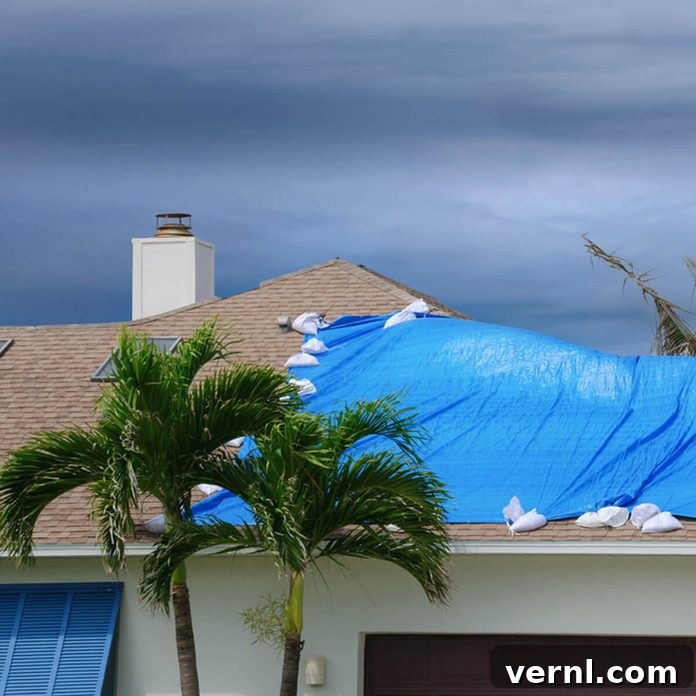
- Prevent Further Damage: If safe to do so, take temporary measures to prevent additional damage. This might involve covering broken windows with plywood or placing tarps over damaged roof sections. Keep receipts for any materials you purchase for these emergency repairs.
- Contact Your Insurance Company: Notify your insurance provider about the damage as soon as possible. They can guide you through their specific claims process.
- Beware of Scammers: While reputable local businesses do exist, the post-storm environment is also a breeding ground for fraudulent contractors. Be wary of anyone pressuring you into signing documents immediately or demanding upfront cash payments.

Understanding the “Knock, Knock” Phenomenon: Vetting Post-Storm Contractors
The sight of contractors knocking on doors in a storm-affected neighborhood is common. It’s important to understand that not every company engaging in door-to-door solicitation is disreputable. Even established local businesses, frustrated by losing work to out-of-town firms, have adopted this aggressive sales tactic. However, the cardinal rule for homeowners remains: NEVER sign any document without conducting thorough due diligence.
Many companies specializing in storm damage are not locally based; they follow severe weather patterns across the country. While they might offer quick repairs, a significant concern is their long-term accountability. If your newly repaired roof begins to leak months later, or if other issues arise, will that out-of-state company still be around to honor their warranty or address your concerns? This potential lack of long-term support makes it imperative to choose a contractor wisely.
The Typical Playbook of Storm Damage Contractors
Understanding how these contractors operate can help you avoid common pitfalls. Here’s a typical scenario you might encounter:
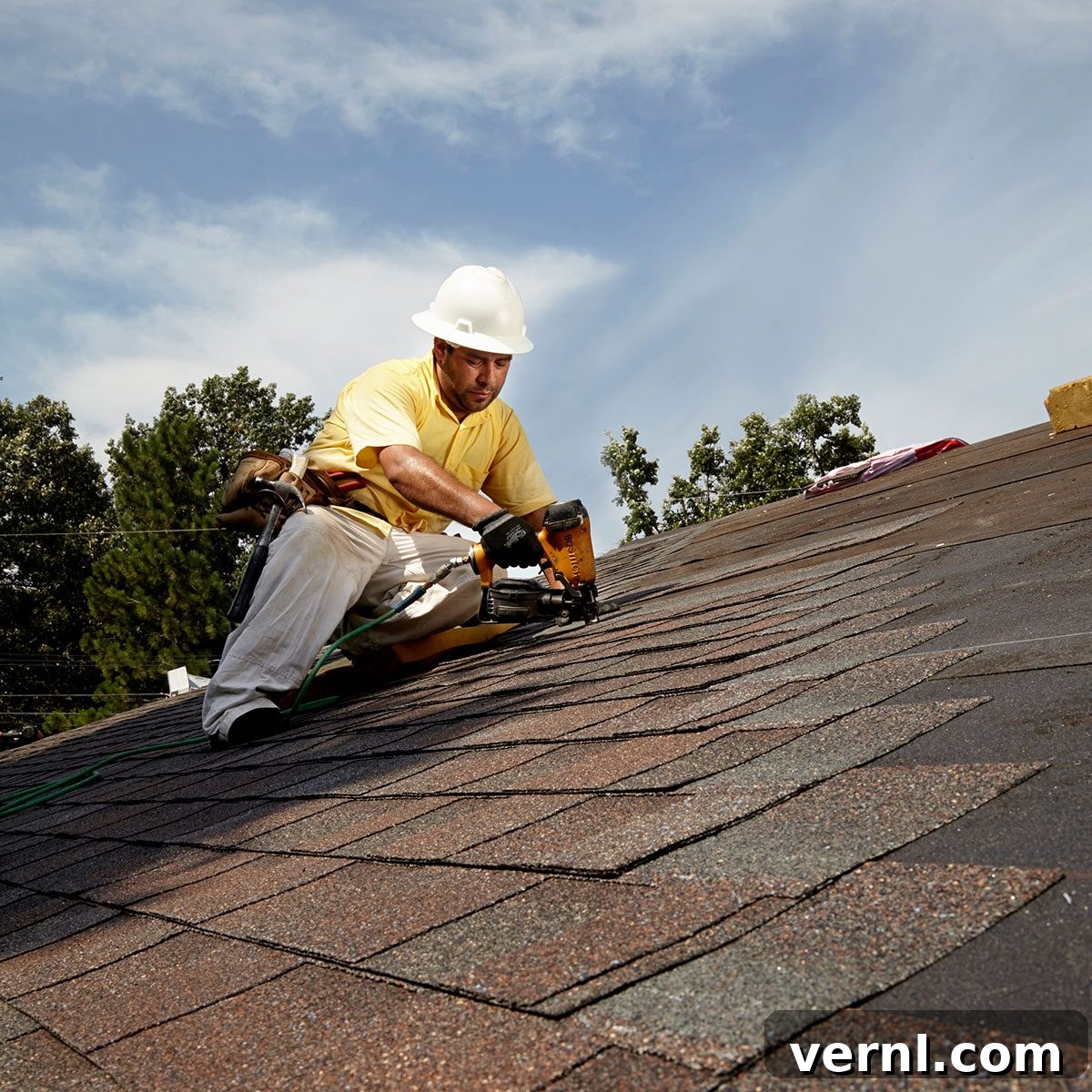
- The Free Inspection Offer: Shortly after a storm, a representative will arrive at your door, offering a complimentary roof inspection. This seems appealing, especially since most homeowners aren’t equipped to assess hail or wind damage on their own.
- Damage Confirmation & Insurance Expertise: After their inspection, the contractor will inevitably report finding damage. They will then position themselves as experts in navigating insurance claims, assuring you they can work directly with your adjuster on your behalf.
- The “Insurance Commitment Form”: Next, they will present a document, often referred to as an “insurance commitment form” or “contingency agreement.” They’ll explain it as merely a permission slip to speak with your insurance company, stating that if your claim is approved, you agree to use their services for the repairs. If the claim is denied, you supposedly owe nothing.
On the surface, this proposition can seem reasonable. A “free” inspection, a contractor who handles the insurance paperwork, and no money out of your pocket beyond your deductible—what’s not to like? However, this is where many homeowners make critical mistakes.
Why Caution is Paramount When Choosing a Contractor
The “why not” in this situation is significant. If the company is not local, they may move on to the next storm-hit area once the current job market is exhausted. Choosing a storm damage contractor should be no different from selecting a contractor for any other home improvement project. Prioritize local companies with a proven track record and longevity in your community. A local business is far more likely to be available for follow-up issues, warranty claims, or future maintenance needs.
Always examine the contractor’s labor or “workmanship” warranty carefully. Research their reputation by reading online reviews, checking with local consumer protection agencies, and consulting the Better Business Bureau (BBB). If possible, ask for references and take the time to inspect previous projects they have completed. Entrusting your roof repair to the first person who knocks on your door, despite the apparent convenience, is a major decision that demands careful consideration.
Unmasking Storm-Chasers: Beyond the Local Facade
As homeowners have become savvier about asking if a company is local, storm-chasing operations have adapted their strategies. Some out-of-state companies now establish temporary affiliations with local businesses, operating under their name. The local company receives a percentage of the profits and ostensibly handles any future service needs. This arrangement can make it challenging to discern a genuinely local contractor from a transient one.
For example, you might encounter a salesperson with an unfamiliar accent claiming to work for a company that has been established in your state for decades. While it’s possible it’s a legitimate national company that deploys resources from various regions during major storm events, it’s also a common tactic of storm-chasers. To protect yourself, always ask detailed questions: “Where is your main office located?” “How long has this specific branch been operating in this area?” “Can I speak to a local client you’ve served recently?” Thorough research and direct inquiries are your best tools for verifying a contractor’s true local presence and commitment.
Permission Slip vs. Binding Contract: Read Before You Sign!
A frequent point of deception involves the initial document presented by contractors. Many salespeople will downplay its significance, claiming it’s merely a “permission slip” to communicate with your insurance company. However, they may gloss over crucial clauses that essentially bind you to use their company for repairs if the claim is approved. This subtle misrepresentation can trap homeowners into agreements they don’t fully understand.
Our strongest advice is to insist that the salesperson leave their proposed form with you for review. A reputable company will always allow you time to read and understand any document before signing. If a contractor pressures you for an immediate signature or refuses to leave the document, consider that a significant red flag, and politely send them on their way. An even safer approach is to bypass door-knockers altogether. Instead, proactively contact a few local, reputable roofing companies yourself to schedule inspections. This puts YOU in control of the decision-making process, ensuring you select a contractor you trust.
Beyond the Roof: Addressing Window Damage in Your Claim
When assessing storm damage, it’s easy to focus solely on the roof and siding. However, windows are highly susceptible to hail and wind damage and should never be overlooked. Many contractors, driven by the quicker turnaround and higher profit margins of roofing or siding projects, may ignore or downplay window damage. Windows can be more labor-intensive to inspect, custom-sizing can delay orders and final payments, and for many roofers, window repair or replacement falls outside their primary expertise.
If your home has aluminum-clad windows, ensure they receive a meticulous inspection. Severe hail and wind can compromise the seals of double-pane windows, leading to a “cloudy” or foggy appearance that cannot be cleaned, often with visible condensation between the panes. This is a clear indicator of seal failure and warrants replacement. Ensure that your comprehensive inspection covers all exterior components of your home, including every window, for any signs of damage.
Navigating window claims can also be distinct. While insurance companies often have relatively standardized pricing for roofing and siding materials, window pricing varies wildly due to the vast array of brands, styles, and custom sizes. This often requires the contractor to provide a detailed quote, leading to a negotiation process between the contractor and the insurance company to agree on a fair price.
Contractors vs. Adjusters: Understanding the Dynamics
It’s important to recognize that some storm-chasing contractors may claim you have damage even when it’s minimal or non-existent. Their strategy often involves playing the odds, hoping that a less experienced insurance adjuster might approve the claim. Insurance adjusters are typically well-versed in these tactics and often recognize certain companies known for exaggerated claims, sometimes expressing disapproval when they learn which contractor a homeowner has chosen.
If an adjuster denies a claim, some contractors might pressure you to threaten your insurance company with taking your business elsewhere. This can quickly escalate into an unpleasant situation. In such cases, if you find yourself witnessing a dispute between your contractor and the adjuster, insist that the contractor clearly show you the damage they are identifying. If you’re uncomfortable getting on the roof, ask them to take detailed, close-up photographs. While there are certainly instances where contractors are correct and insurance companies are unfairly denying legitimate damage, be aware that some contractors operate on the premise that “every house has damage” after a storm.
What Homeowners Need to Know About Insurance Policies After a Storm
While homeowners must be vigilant about contractor practices, it’s equally important to understand that insurance companies also have their complexities. Sometimes, your insurance agent might subtly discourage you from filing a claim, or the initial estimate provided by the company could be significantly lower than the actual cost of repairs. In these scenarios, reputable contractors often have to work diligently to submit “supplements” — additional documentation and cost breakdowns — to ensure the job can be completed profitably and to standard. Obtaining multiple quotes from different contractors can quickly illuminate whether your insurance company is overpaying or underpaying for the scope of work required.
Furthermore, an initial adjuster might overlook obvious damage, necessitating the contractor to schedule a re-adjustment to get the necessary repairs approved. Even more concerning, some insurance companies may alter the terms of your coverage without your explicit knowledge.

Crucial: Paying Attention to Home Insurance Policy Changes
A critical, yet often overlooked, aspect of homeownership is staying abreast of changes to your insurance policy. In some states, laws mandate “full house replacement” for siding or roofing if a specific product line is damaged and no longer manufactured. This means if even a portion of your siding is damaged, and the original material is unavailable, your insurer must cover the cost of replacing all the siding to ensure a uniform appearance.
However, some insurance companies may bury a clause within the annual 20-plus page policy document, stating that this “matching clause” is no longer valid unless you add a low-cost rider to your coverage. Most homeowners would gladly pay this small additional premium to ensure full coverage, but they often remain unaware of such a change until it’s too late. When you receive your annual policy booklet, make it a habit to call your agent and ask if any significant changes have been made that you should be aware of. Alternatively, dedicate time to thoroughly read the entire document, as tedious as it may seem.
Failing to do so could leave you in a predicament where your insurance company only covers the repair of individual damaged shingles or siding panels, forcing you to find the “closest match available.” This can result in a “checkerboard” or mismatched appearance on your home, significantly impacting its curb appeal and value. Being prepared for the next storm by understanding which parts of your home are most susceptible to winter storm damage and how your policy protects you is an essential part of responsible homeownership.
Understanding Roof Replacement Warranties
When it comes to roof replacement, warranties are a vital consideration. Most reputable contractors will provide a workmanship warranty, in addition to the manufacturer’s warranty on materials. However, a significant challenge arises if a contractor is only repairing a portion of your roof. It becomes exceedingly difficult to find a contractor willing to offer a comprehensive warranty on a roof they’ve only partially repaired, as they won’t want to be held liable for leaks or issues in sections they didn’t touch.
This reinforces the importance of a thorough initial inspection that identifies all storm-related damage. Don’t hesitate to call your insurance agent to discuss these specific scenarios and understand how your individual policy addresses partial roof repairs and associated warranties.
Final Thoughts: Empowering Homeowners Against Storm Damage
Severe weather events are an inevitable part of homeownership. When a major storm impacts your area, take a deep breath and resist the immediate pressure from a flurry of door-knocking contractors. Prioritize gathering information, understanding your rights, and making informed decisions. Your home is one of your most valuable assets, and protecting it from the dual challenges of storm damage and predatory practices requires diligence and an educated approach.
A smart homeowner, much like a savvy neighbor, can even opt for a proactive approach by placing a polite sign near their door, perhaps stating, “Please leave your flyers here!” with an arrow pointing to a designated receptacle. This simple gesture can help manage unwanted solicitations and allow you to focus on choosing the right path for your home’s recovery.
Beyond your home, remember to assess other assets. Learn how much hail damage can impact a car’s value and consider your vehicle’s protection in your overall storm preparedness plan.