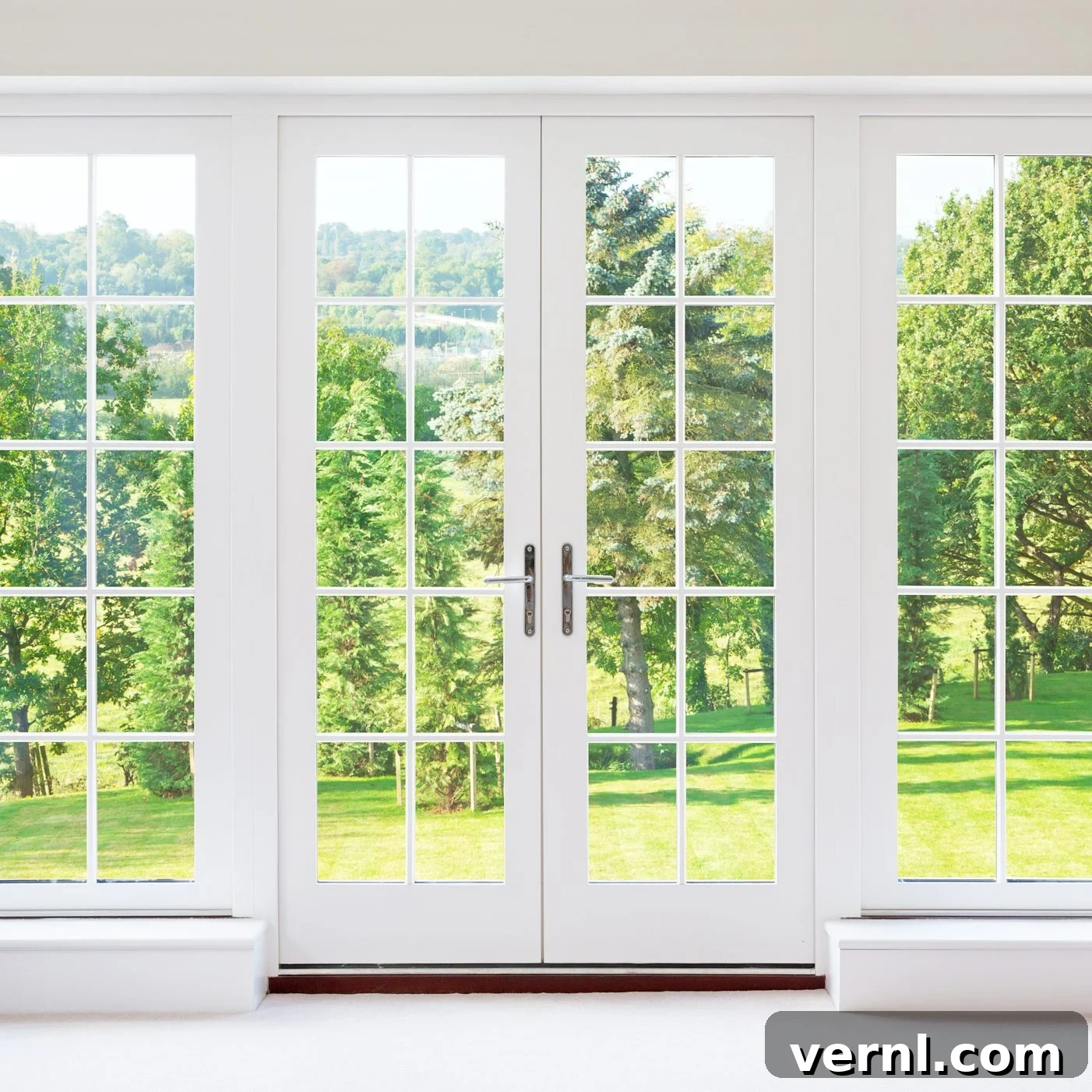
Transforming your home’s connection to the outdoors has become more important than ever, especially in a world where functional and inviting outdoor spaces serve as vital extensions of our living areas. Patios, decks, and balconies offer invaluable opportunities for relaxation, socialization, and connecting with friends and family. The recent global shifts have only amplified the desire for well-designed outdoor zones, making them a central focus in modern home improvement.
According to a recent study conducted by the International Casual Furnishings Association, a remarkable ninety percent of Americans who possess outdoor living spaces are utilizing their decks, porches, and patios more frequently. This trend underscores a collective recognition that these outdoor areas are more valuable now than at any previous time. Central to maximizing these spaces are the right patio doors, serving as the gateway to seamless indoor-outdoor living.
Reese Freeman, president and construction manager of Steamboat Springs Construction Co., highlights this growing emphasis, noting that homeowners are increasingly thoughtful about both the aesthetic appeal and practical functionality of their patio doors. “There has been an increased focus on maximizing glass and integrating indoor and outdoor experiences, placing patio door selection at the top of important design decisions,” Freeman explains. These architectural elements are far more than mere entry points; they are pivotal in shaping the flow, light, and overall ambiance of your home.
Patio doors are designed to create a natural and effortless transition from your interior living spaces to your outdoor retreats. Their generous width and intelligent design not only facilitate easy movement for people but also simplify the transportation of larger items, from extra seating for guests to substantial furniture and even new appliances into your home. This guide will walk you through the essential considerations and popular types of patio doors, helping you make an informed choice for your home. You can also learn how to replace your existing patio doors if you’re undertaking a renovation project.
Key Considerations When Selecting Patio Doors
Choosing the perfect patio door involves evaluating several critical factors that extend beyond mere aesthetics. A thoughtful selection process ensures that your new door enhances your home’s functionality, energy efficiency, security, and overall appeal. Keep these considerations in mind when exploring your options:
- Swing Space and Layout: For hinged patio doors, meticulously measure the area where the door will open. Ensure there’s ample room for the door to swing fully without obstructing furniture, planters, or foot traffic. Sliding and bifold doors offer distinct advantages in tight spaces, but even they require careful planning regarding their stacking or gliding paths.
- Visibility and Views: If your primary goal is to capture a breathtaking scenic view or flood your interior with natural light, prioritize doors featuring large, expansive, and uninterrupted panes of glass. Minimal framing and clear glass options are ideal for maximizing your connection to the outdoor landscape. Consider specialized glass options like low-emissivity (Low-E) coatings for improved energy performance without sacrificing clarity.
- Architectural Style and Home Décor: Your patio door should seamlessly integrate with your home’s existing architectural style and interior design. Installing an ultra-modern, sleek aluminum door in a traditionally styled home, for instance, could create a jarring mismatch. Consider the materials, finishes, and hardware that complement your home’s character, whether it’s contemporary, rustic, classic, or traditional.
- Cost and Budget: Factor in not only the price of the door itself but also the professional installation costs if you’re not planning a DIY project. High-end materials, advanced features like multi-point locking systems, and custom sizing can significantly impact the final price. While it’s tempting to opt for the cheapest option, remember that a quality patio door is an investment in your home’s value, energy efficiency, and long-term comfort.
- Energy Efficiency: A crucial factor for both comfort and utility savings. Look for doors with features like double or triple-pane insulated glass, Low-E coatings, argon gas fills between panes, and robust weatherstripping. These elements help maintain indoor temperatures, reducing heating and cooling costs and minimizing drafts. Understanding U-factors and Solar Heat Gain Coefficients (SHGC) can guide your choice towards energy-efficient models.
- Security Features: Patio doors can be a vulnerable point in a home if not properly secured. Investigate the locking mechanisms available. Look for multi-point locking systems that secure the door frame at several points, impact-resistant glass, and sturdy frame materials. Ensuring peace of mind is paramount.
- Material Durability and Maintenance: Patio doors are exposed to the elements, so material choice is critical. Common options include vinyl (low maintenance, good insulation), wood (classic aesthetic, requires more upkeep), fiberglass (durable, energy-efficient, often paintable), and aluminum (strong, sleek, often used in modern designs). Consider your climate and how much maintenance you’re willing to undertake.
Sliding Patio Doors: The Classic Space Saver
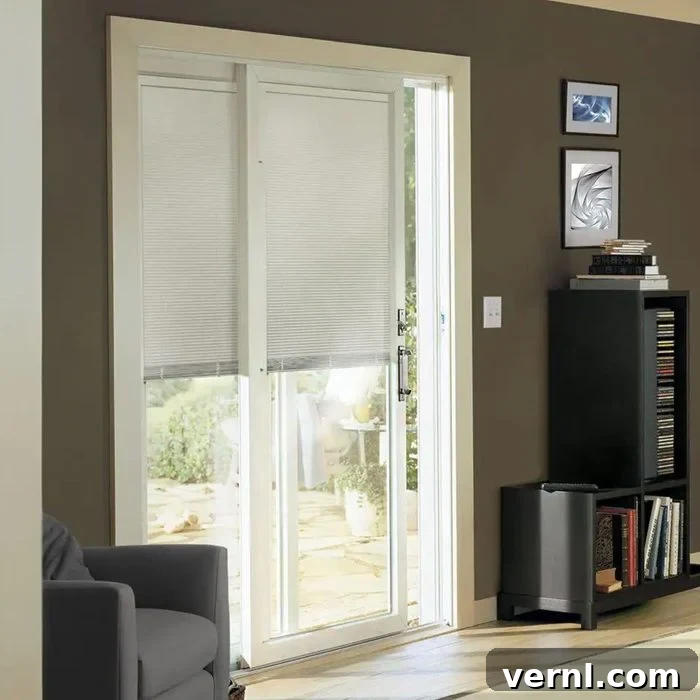
Sliding patio doors, often referred to as gliding doors, represent the most common and widely recognized style of patio door. This design typically consists of two or more large panes of glass mounted within a track system. The fundamental operation involves one pane remaining stationary while the other pane glides smoothly behind it, opening up access to the outdoors. Some advanced models even allow both panels to slide independently, offering greater flexibility in opening configurations.
One of the primary advantages of sliding patio doors is their space-saving design. Unlike hinged doors that require clearance to swing inward or outward, sliding doors operate within their own frame, making them an ideal choice for homes with limited interior or exterior space. However, as Reese Freeman points out, while they save on swing space, the actual open passage may not always be as wide as some homeowners desire, as one panel always remains closed.
Modern sliding patio doors have evolved to offer enhanced energy efficiency and security features. Many models come with advanced weatherstripping, multi-pane insulated glass, and secure locking mechanisms. The Anderson 200 Series White Perma-Shield Gliding Patio Door is an excellent example, often including the complete door frame and all necessary hardware for installation, backed by a substantial 20-year limited warranty on its glass components.
Pros of Sliding Patio Doors:
- Exceptional Space Efficiency: Requires virtually zero swing space, making them perfect for smaller patios, balconies, or rooms where furniture placement is a concern.
- Effortless Operation: Designed for smooth and easy gliding, making them user-friendly for all ages.
- Cost-Effective: Generally more affordable than French or bifold doors, offering great value for homeowners.
- DIY-Friendly Installation: Experienced DIYers with proper tools and assistance can often tackle the installation, potentially saving on labor costs.
- Maximized Views: Large glass panels provide expansive, unobstructed views of your outdoor environment when closed.
- Good Natural Light: Allows ample sunlight to penetrate your living space, brightening rooms and potentially reducing the need for artificial lighting during the day.
Cons of Sliding Patio Doors:
- Narrower Opening: Because one panel typically remains stationary, the actual walk-through opening is narrower compared to French or bifold doors that open fully.
- Track Maintenance: The tracks can accumulate dirt, dust, and debris, which can impede smooth operation and require regular cleaning to ensure longevity.
- Potential for Less Ventilation: While they offer some ventilation, the full opening capacity is limited, which might not be ideal for maximizing airflow on hot days.
- Aesthetic Limitations: While versatile, they may not offer the same “grand entrance” aesthetic as French doors or the dramatic opening of bifold doors.
French Patio Doors: Elegance and Grandeur
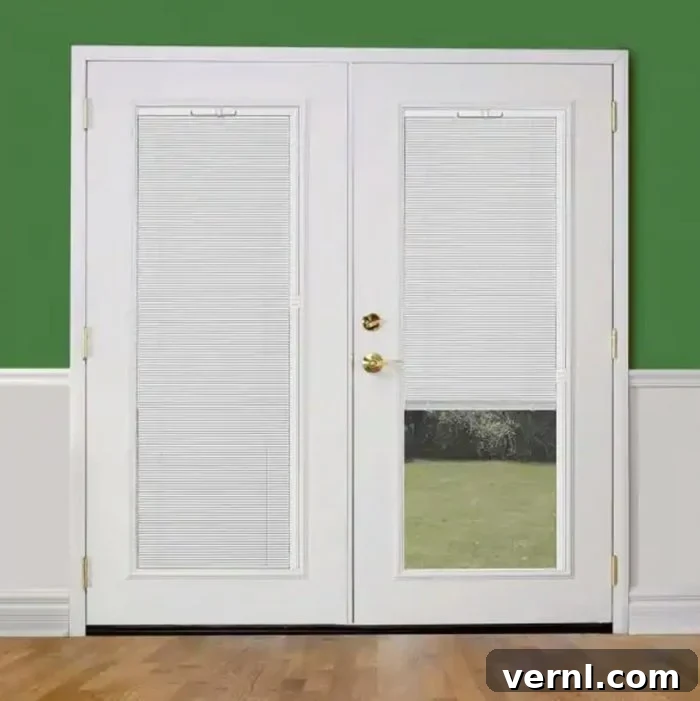
French patio doors are synonymous with classic elegance, offering a sophisticated and often grand entrance to your outdoor living space. Characterized by their hinged design, these doors typically consist of two panels that attach to either side of the door frame. A key distinguishing feature is the absence of a central support or mullion when both doors are closed, allowing for a completely unobstructed, wide opening when both panels are swung open.
This expansive opening capability is a significant advantage, providing an inviting entryway for guests and making it remarkably easy to move large pieces of furniture, appliances, or even artwork in and out of your home. However, this full swing also comes with a specific requirement: sufficient space. As Reese Freeman advises, French patio doors are “not ideal for tighter spaces that cannot accommodate the three-foot swing direction” of each door panel. Homeowners must carefully assess their patio or interior layout to ensure adequate clearance for the doors to operate freely.
Beyond their functionality, French patio doors are highly customizable. They can be adorned with decorative grilles, varying hardware finishes, and a range of materials like wood, fiberglass, or steel, allowing them to complement diverse architectural styles from traditional to contemporary. The Masonite Steel Patio Door is an example of a robust option, often featuring built-in mini-blinds for privacy and durable steel construction designed for long-lasting performance.
Pros of French Patio Doors:
- Customizable Aesthetics: Offers extensive options for decorative elements like grilles, hardware, and finishes, allowing for a personalized touch that enhances your home’s curb appeal.
- Timeless Style and Elegance: Provides a classic, sophisticated aesthetic that can elevate the perceived value and design of any home.
- Relatively Simple DIY Installation: For experienced DIYers, installing French patio doors can be a manageable project, though precise leveling and sealing are crucial.
- Enhanced Security Features: Most models come equipped with robust locking mechanisms, often including a deadbolt and an integrated door lock, providing significant security. Multi-point locking systems are also available for added peace of mind.
- Wide, Unobstructed Opening: When both panels are open, they create a generous and inviting gateway, ideal for entertaining or moving large items.
- Excellent Natural Light and Ventilation: The large glass panels maximize natural light, and the ability to open both doors provides superior ventilation and airflow.
Cons of French Patio Doors:
- Significant Swing Space Required: The primary drawback is the need for considerable clearance for the door panels to swing open, both indoors and outdoors, which limits their suitability for smaller spaces.
- Potential for Drafts: If not properly installed and sealed, French doors can be more prone to drafts than tightly sealed sliding doors, impacting energy efficiency.
- Security Concerns for Glass: While locks are strong, the large glass panels could be a security vulnerability if not made with tempered or laminated glass.
- Higher Cost: Typically more expensive than basic sliding doors, especially for custom designs or premium materials.
Bifold Patio Doors: The Ultimate Open Concept
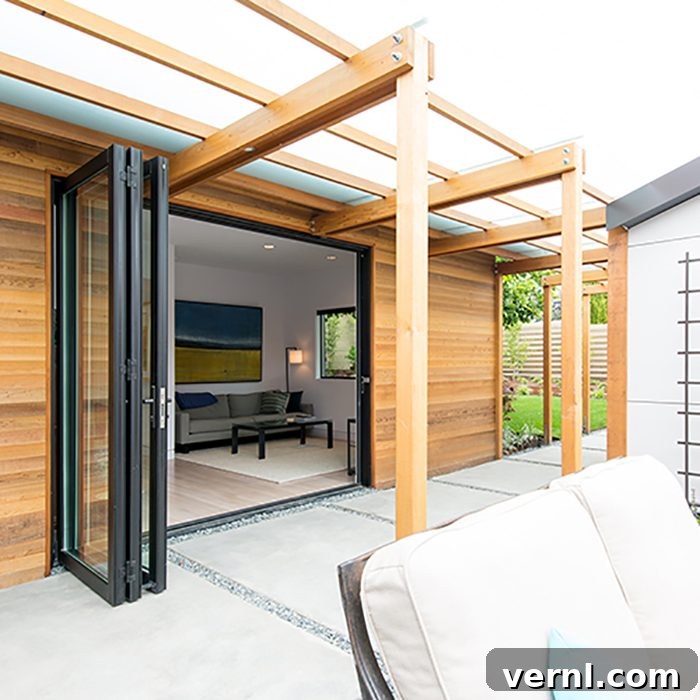
Bifold patio doors represent the pinnacle of indoor-outdoor living, designed to create expansive, seamless openings that truly merge your home with its exterior environment. These sophisticated door systems feature multiple panels, often ranging from two up to eight or even more, that fold neatly to the side in an accordion-like fashion. When fully open, bifold doors create an impressively wide, virtually unobstructed passage, transforming an entire wall into an open portal.
This dramatic opening capability is ideal for homeowners who love to entertain or desire the ultimate open-concept living experience. It allows for an unparalleled flow of air and light, making even modest spaces feel much larger and more connected to nature. However, similar to French doors, the “accordion” action of bifold doors requires a significant amount of stacking space at one or both ends of the opening when they are fully retracted. You’ll need to account for a door’s length of space for the panels to stack, which needs careful planning to ensure it doesn’t obstruct adjacent features.
While bifold doors offer an unparalleled panoramic view when open, it’s important to consider their appearance when closed. The multiple frames that make up the individual panels can break up the overall view, creating a more segmented look compared to the single, large glass panes of a sliding door. Furthermore, operating bifold doors, especially larger systems, can require more effort than the effortless glide of a sliding door or the simple swing of French doors, due to the number of panels and their intricate tracking system.
Given their complex design and precision engineering, bifold doors are generally considered a challenging project for DIY enthusiasts. Professional installation is highly recommended to ensure proper alignment, smooth operation, and long-term durability. Unsurprisingly, this complexity and the high-end materials typically used make bifold doors the most expensive option among patio door types.
If you decide to invest in this premium solution, working with a seasoned professional is crucial for selecting the optimal configuration and ensuring flawless installation. Reese Freeman specifically recommends exploring options from LaCantina, a well-regarded manufacturer known for their high-quality bifold door systems.
Pros of Bifold Patio Doors:
- High-End, Luxurious Aesthetic: Provides a “wow” factor and a premium, contemporary look that significantly enhances the architectural appeal of any home.
- Unrivaled Wide, Unobstructed Opening: Offers the largest possible opening among all patio door types, creating a truly seamless transition between indoor and outdoor spaces.
- Ability to Span Massive Openings: Can be customized to fit exceptionally wide openings, transforming entire walls into retractable glass features.
- Exceptional Natural Light and Ventilation: When fully open, they allow for maximum light penetration and superior airflow, ideal for large gatherings and warm weather.
Cons of Bifold Patio Doors:
- Significantly More Expensive: Bifold doors are the priciest option due to their complex engineering, specialized hardware, and high-quality materials.
- Difficult for DIYers to Install: The intricate tracking system and multiple panels demand professional expertise for precise installation, making it unsuitable for most DIY projects.
- Multiple Panes Break Up the View When Closed: While offering grand views when open, the numerous frames create a segmented view when the doors are closed, which some homeowners might find visually busy.
- Requires Ample Stacking Space: The folded panels require a dedicated space to stack when open, which must be factored into the overall design and layout.
- Maintenance of Multiple Components: With more moving parts and hinges, bifold doors may require more diligent maintenance to ensure smooth, long-term operation.