
For millions of homeowners living beyond municipal sewer lines, a septic system is a critical component of their property’s infrastructure. These self-contained wastewater treatment systems are remarkably efficient when properly managed, but they are also frequently misunderstood. Over time, various pieces of misinformation and old wives’ tales have circulated, leading many homeowners to adopt practices that could inadvertently harm their systems and lead to costly repairs. Understanding how your septic system truly operates and what it needs to thrive is essential for its longevity and your peace of mind.
In this comprehensive guide, we’ll delve into the most pervasive septic system myths, separating fact from fiction. By dispelling these common misconceptions, we aim to equip you with the accurate knowledge needed to maintain a healthy, functional septic system for years to come. Let’s uncover the truth behind these five enduring septic system fallacies.
Septic Myth #1: Regular Pump-Outs Are an Unnecessary Expense
One of the most dangerous and widely believed myths about septic systems is that they never need to be pumped. This often stems from companies marketing “miracle” septic additives, claiming these products’ microbes and enzymes can completely digest sewage, thus eliminating the need for pumping. While appealing, this idea is fundamentally flawed and risky.
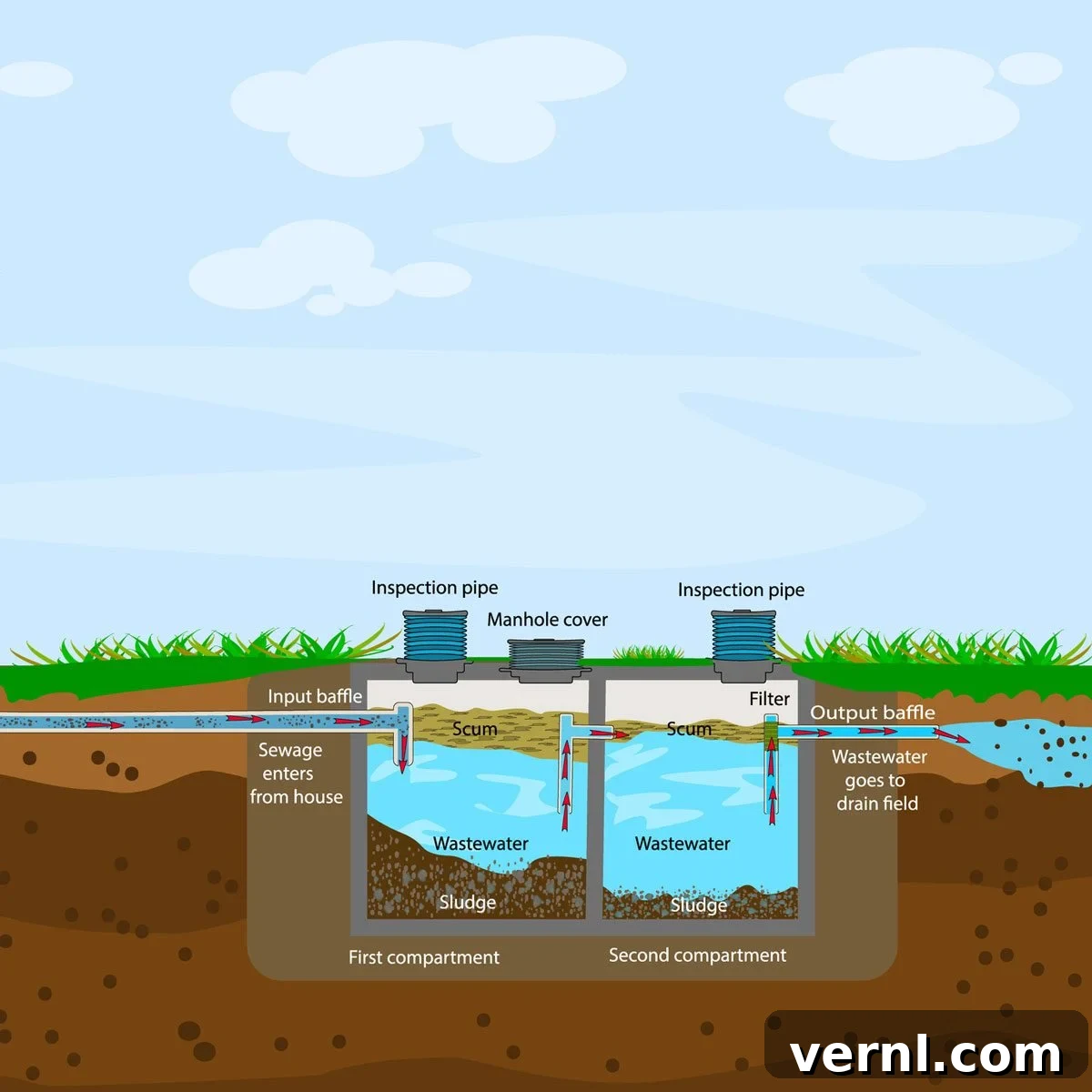
A septic tank’s primary function is to separate solids from liquid wastewater. Even with natural bacterial action, indigestible sludge—comprising materials like hair, laundry lint, grease, and non-biodegradable particles—will inevitably accumulate at the tank’s bottom. Septic additives cannot fully break down these solids. If left unpumped, this sludge layer will grow, reducing tank capacity and eventually flowing out into the drainfield. This migration of solids causes irreversible clogging of the drainfield’s leaching pipes and soil, leading to system backups, foul odors, and premature failure.
The truth is, regular septic tank pump-outs, typically every two to three years depending on usage, are the most effective and economical way to ensure your system’s long-term health. Professional pumping safely removes accumulated solids, preventing costly drainfield damage and saving you from far more expensive repairs. Prioritize proven septic system maintenance practices over unverified additive claims.
Septic Myth #2: Anything That Goes Down the Drain Is Fine for Your Septic System
It’s a common and dangerous misconception that a septic system can handle anything flushed or poured down the drain. In reality, what enters your septic system directly impacts its performance and longevity. Septic tanks rely on a delicate balance of beneficial bacteria to break down organic waste. Introducing harmful substances can severely disrupt this biological process.
Chemicals, Non-Biodegradables, and Food Waste: The Biggest Threats
Harsh chemicals, such as strong drain cleaners, aggressive disinfectants, and antibacterial products, are detrimental. Even a single cup of household bleach can significantly reduce the microbial population in a 1,000-gallon tank, impairing sewage digestion. Similarly, “flushable” wipes, feminine hygiene products, paper towels, and dental floss do not break down and contribute to solid buildup. Food waste, especially fats, oils, and grease (FOG), solidifies and creates stubborn clogs. Items like coffee grounds and eggshells also contribute to indigestible sludge, threatening the drainfield’s porous soil.
To maintain a healthy septic system, remember the golden rule: only human waste and toilet paper should be flushed. Be mindful of kitchen and bathroom drains; dispose of food scraps in the trash or compost. By understanding how septic tanks work and adopting responsible disposal habits, you can prevent costly issues and significantly extend your system’s life.
Septic Myth #3: Flushing a Dead Mouse Down the Toilet Boosts Septic Health
This peculiar myth suggests that a dead mouse, when flushed, introduces unique microbes that enhance septic system performance. This claim is entirely unfounded. Your septic system already receives a continuous and ample supply of beneficial bacteria every time you use the toilet for its intended purpose. These microorganisms are precisely what your system relies on to break down organic waste. A few ounces of dead animal matter adds nothing essential or unique that isn’t already present.
Furthermore, flushing non-biodegradable items, including dead animals, simply adds unnecessary solids to the tank, increasing the frequency of required pump-outs. Most septic additives, whether commercial or “natural” remedies like this, are ineffective and can create a false sense of security, leading homeowners to neglect essential maintenance. Rather than experimenting with dubious methods like flushing dead mice down the toilet, focus on proven septic care. Ensure only human waste and approved toilet paper enter your system for optimal function and longevity.
Septic Myth #4: A Septic System Has a Fixed Lifespan, Usually Under 20 Years
The belief that septic systems inevitably fail after 15 to 20 years is a common misconception. While no system lasts forever, many septic systems, with proper care, can function perfectly well for far longer than two decades—often exceeding 30, 40, or even 50 years. The lifespan of a septic system is primarily determined by its management and maintenance, not by an arbitrary expiration date.
Keys to Septic System Longevity
I’ve seen systems fail in as little as five years due to neglect, while others thrive for half a century with diligent care. Extending your septic system’s working life hinges on a few fundamental practices:
- Regular Septic Tank Pumping: Essential every 2-3 years to prevent solids from clogging the drainfield.
- Mindful Waste Disposal: Avoid chemicals, non-biodegradables, and excessive fats, oils, and grease (FOG) that harm beneficial bacteria and clog pipes.
- Drainfield Protection: Never drive heavy vehicles or build structures over the drainfield. Keep your leaching bed mowed and free of deep-rooted trees and shrubs, which can damage pipes.
- Water Conservation: Prevent system overload by reducing excessive water usage.
By adhering to these proactive septic system maintenance tips, homeowners can significantly extend their system’s functional life, proving that longevity is a result of consistent care, not chance.
Septic Myth #5: A Clogged Septic System Always Requires Full Replacement
Many homeowners assume a clogged or failing septic system immediately means a costly complete replacement. Fortunately, this is often a myth. While severe, irreparable damage necessitates replacement, numerous clogged septic systems can be effectively restored through targeted maintenance, saving significant expense and disruption.
Common Clog Causes and the “Jetting” Solution
Typical culprits behind septic clogs include:
- Indigestible Solids: Neglecting pump-outs allows solids to flow into and clog the drainfield’s leaching pipes and soil.
- Biomat Growth: Excessive biological mat (biomat) can thicken and block perforations in drainfield pipes.
- Tree Root Intrusion: Tree roots physically clogging the leaching pipes seeking water and nutrients.
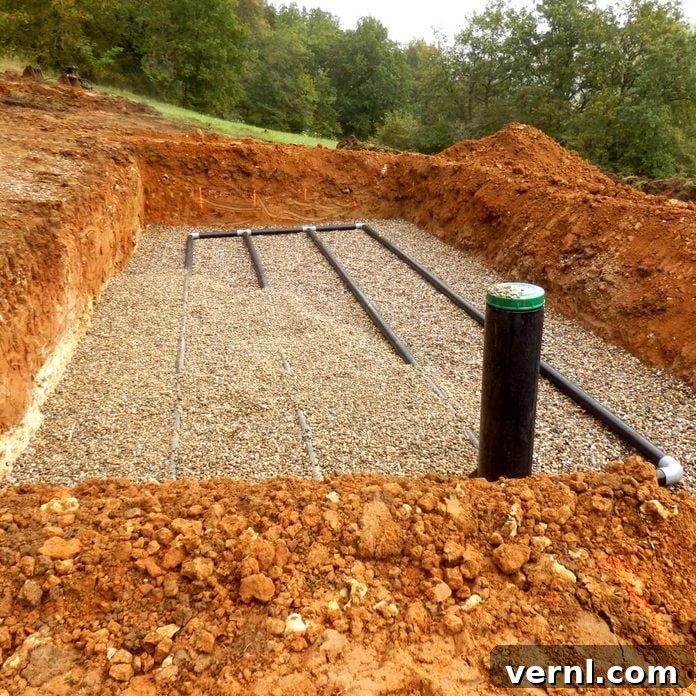
Many of these issues are treatable without a full system overhaul. “Jetting,” or hydro-jetting, is a highly effective restoration method. This process involves using specialized, high-pressure water streams to thoroughly pressure-wash the internal surfaces of the leaching pipes, breaking up biomat, dislodging solids, and clearing root intrusions. Installing access ports facilitates efficient jetting. Regular professional jetting every few years can keep leaching pipes and the drainfield functioning optimally, potentially allowing a septic system to operate indefinitely.
I’ve personally witnessed systems severely backed up—even with a foot of raw sewage above the tank—be fully restored and function perfectly for years after professional jetting. Beyond routine septic tank pumping, jetting is a powerful, cost-effective solution for rehabilitating a struggling system, emphasizing that informed intervention often prevents the need for complete, expensive replacement.
Conclusion: Empowering Homeowners Through Septic System Knowledge
Understanding and dispelling these common septic system myths is crucial for any homeowner relying on this vital wastewater solution. By recognizing the importance of regular septic tank pumping, being mindful of what goes down your drains, protecting your drainfield, and knowing that clogs can often be resolved without full replacement, you empower yourself to be a responsible and effective steward of your home’s infrastructure. Don’t let misinformation lead to costly repairs or premature system failure. Embrace proactive maintenance and informed decisions to ensure your septic system provides reliable, long-lasting service, contributing to both your property’s value and environmental health.