
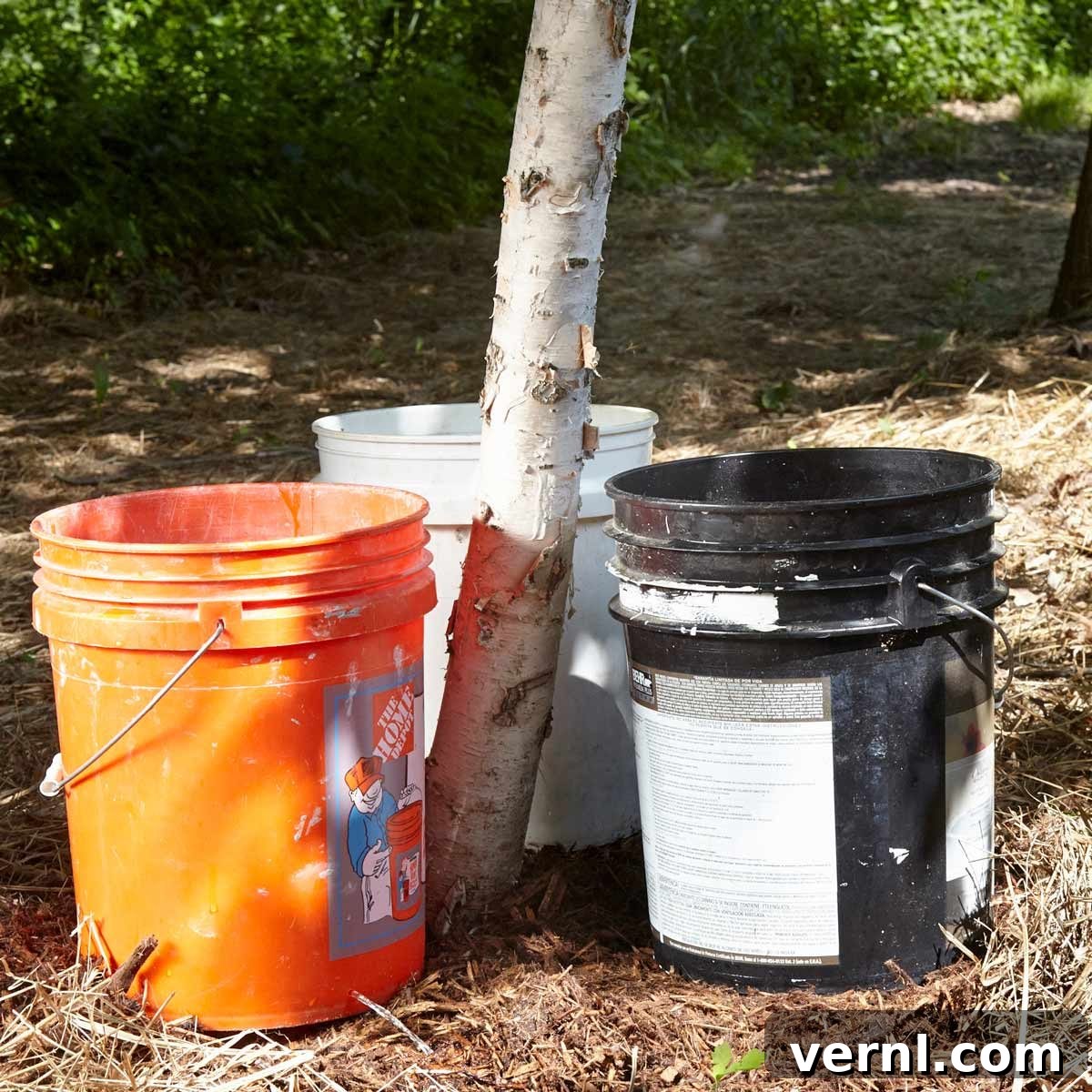
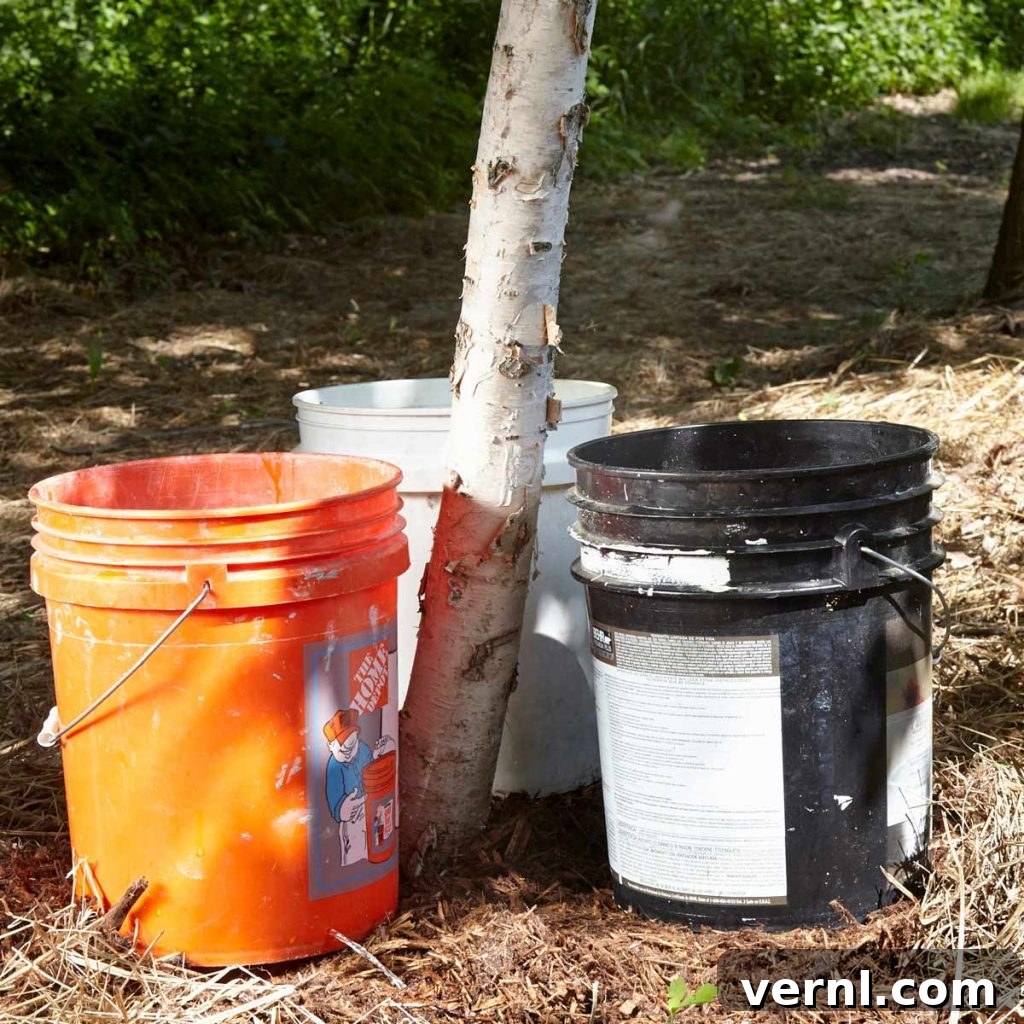
Revolutionize Your Tree Care: The Ultimate Guide to Efficient & Deep Tree Watering
Nurturing healthy trees is a cornerstone of a vibrant garden and a thriving ecosystem. However, many gardeners and homeowners face a common challenge: ensuring their trees receive adequate and effective hydration. Traditional watering methods often lead to wasted water, shallow root systems, and ultimately, less resilient trees. This comprehensive guide will delve into the science of optimal tree watering, unveil an ingenious DIY solution, and equip you with the knowledge to foster deep, strong root growth for years to come.
The Underrated Importance of Deep Tree Watering
Trees, especially young ones or those in dry climates, require more than just a quick sprinkle with a hose. Their survival and long-term health depend on water penetrating deep into the soil to encourage the development of extensive, robust root systems. Shallow watering, characterized by frequent, light applications, often results in:
- Surface Runoff: A significant portion of the water never reaches the roots, flowing away or evaporating before it can be absorbed. This is particularly true for compacted soils or sloped areas.
- Shallow Root Growth: When water is consistently available only at the surface, tree roots tend to grow upwards, seeking out moisture near the soil line. These shallow roots are highly vulnerable to drought, heat stress, and nutrient deficiencies.
- Inefficient Water Use: Wasted water not only impacts your utility bill but also goes against principles of sustainable gardening.
- Increased Stress: Trees with underdeveloped root systems are more susceptible to diseases, pests, and environmental stressors, leading to stunted growth or even premature decline.
The goal, therefore, is to deliver water slowly and deeply, allowing it to percolate through the soil profile and reach the entire root zone, promoting a healthy, drought-resistant foundation for your trees.
David Radtke’s Ingenious DIY Solution: The Slow-Release Watering Bucket
Frustration with inefficient watering methods is a common catalyst for innovation. David Radtke, like many gardeners, grew tired of the endless cycle of hauling heavy buckets of water to his distant trees, only to watch it quickly run off the surface without truly benefiting the roots. His simple yet highly effective solution harnesses the power of controlled, slow-release irrigation using readily available materials. This method ensures every precious drop of water is absorbed where it’s needed most: by the tree’s root system.
How the DIY Slow-Release Watering Bucket Works
The principle behind Radtke’s method is straightforward: deliver water at a pace that the soil can absorb, preventing runoff and encouraging deep saturation. By modifying a standard 5-gallon bucket, you create a mini-drip irrigation system that works passively and effectively.
Here’s a breakdown of its effectiveness:
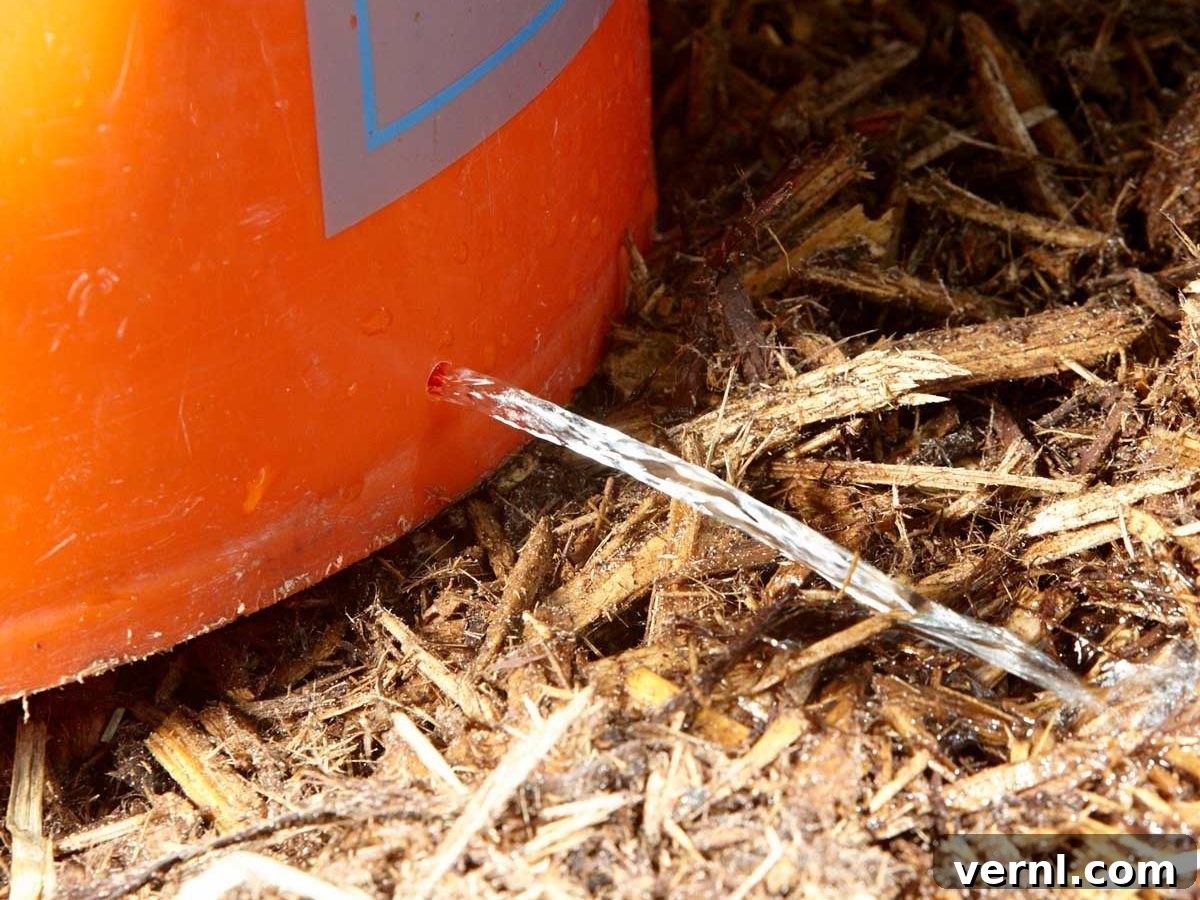
- Controlled Flow: A small hole near the bottom of the bucket ensures a steady, slow drip, rather than a gush. This slow release minimizes surface tension and allows water to gradually infiltrate the soil.
- Deep Penetration: As water is released slowly over several minutes, it has ample time to seep downwards, saturating the soil profile to a greater depth than rapid watering.
- Reduced Evaporation: By delivering water directly to the soil surface (or even slightly below if mulched), less water is lost to evaporation compared to overhead sprinklers.
- Targeted Application: The bucket can be placed precisely at the tree’s drip line (the area where the outermost branches extend), ensuring water reaches the feeder roots responsible for nutrient uptake.
- Convenience: While requiring initial setup, the system significantly reduces the need for constant monitoring during watering and saves repeated trips with heavy buckets.
Step-by-Step Guide to Crafting Your Own Slow-Release Watering Buckets
Transforming ordinary 5-gallon buckets into powerful tree watering tools is a simple project that requires minimal effort and cost. Here’s how to do it:
- Gather Your Materials:
- Several clean 5-gallon buckets (the number will depend on how many trees you want to water simultaneously).
- A drill with a 1/4-inch drill bit (or slightly smaller, 3/16-inch, for even slower release, or slightly larger, 3/8-inch, for faster release on very thirsty trees or sandy soil).
- Wooden dowels or corks that fit snugly into the drilled holes. Wine corks are often perfect. You can also use rubber stoppers.
- A utility knife or saw (if you need to cut dowels to size).
- A wheelbarrow or garden cart for easy transport of filled buckets.
- Drill the Drainage Hole:
- Choose a spot near the bottom of each bucket, about 1-2 inches up from the base. This placement ensures maximum water utilization without collecting excessive sediment.
- Carefully drill a single 1/4-inch hole. Ensure the hole is clean and free of plastic burrs that could impede drainage.
- Prepare Your Plugs:
- Test your dowel or cork in the drilled hole. It should fit snugly enough to prevent leakage but be easy enough to remove with a gentle tug.
- If using dowels, cut them to a length that allows you to easily insert and remove them. You might want to notch the end slightly for a better grip.
- Fill and Transport:
- Before moving, insert the dowels or corks firmly into the holes to plug them.
- Fill the buckets with water. This is where a garden hose comes in handy.
- Load the filled buckets into your wheelbarrow. This greatly simplifies the task of moving heavy loads of water to your distant trees, saving your back and multiple trips.
- Position and Release:
- Once at the tree, place the bucket at the tree’s drip line. For young trees, place it closer to the trunk but not directly against it. For mature trees, multiple buckets around the drip line may be beneficial.
- Carefully remove the dowel or cork from the hole. The water will begin to drip out slowly.
- Monitor the drainage. Depending on soil type and hole size, it may take several minutes to over an hour for a 5-gallon bucket to completely drain, allowing ample time for the soil to soak up every drop.
- Repeat as Needed:
- After the buckets are empty, you can either collect them for refilling and relocation or leave them in place, ready for the next watering cycle.
- The frequency of watering will depend on your tree’s needs, soil type, and weather conditions.
This ingenious method, championed by David Radtke, transforms a tiresome chore into an efficient, tree-friendly practice, guaranteeing your trees receive the deep, nourishing hydration they deserve.
Beyond the Bucket: Comprehensive Tree Watering Best Practices
While the DIY bucket system is a fantastic tool, a holistic approach to tree watering involves understanding broader principles that apply to all methods. By combining Radtke’s innovation with these best practices, you can ensure unparalleled tree health.
When to Water Your Trees: Timing is Everything
- Early Morning: This is generally the best time to water. It allows water to penetrate before the heat of the day causes excessive evaporation, and foliage has time to dry, reducing the risk of fungal diseases.
- Late Evening: A second-best option, though be cautious not to water so late that foliage remains wet overnight, especially in humid conditions.
- Monitor Soil Moisture: Don’t just water on a schedule. Use a moisture meter, a trowel, or simply your finger to check the soil moisture. If the soil feels dry a few inches down, it’s time to water.
- Observe Your Trees: Wilting leaves, yellowing foliage, or premature leaf drop are all signs of drought stress. Learn to recognize these indicators.
How Much Water Do Trees Need? Factors to Consider
There’s no one-size-fits-all answer, as water requirements vary based on several key factors:
- Tree Age and Size: Young trees (first 2-5 years) have developing root systems and need consistent moisture. Mature trees have deeper, more extensive roots but still require supplemental watering during dry periods.
- Tree Species: Some trees are naturally drought-tolerant (e.g., oaks, pines), while others are water-lovers (e.g., willows, birches). Research your specific tree’s needs.
- Soil Type: Sandy soils drain quickly and require more frequent watering. Clay soils retain water longer but can become compacted, hindering penetration; they need slower watering. Loamy soils are ideal, offering good drainage and retention.
- Climate and Weather: Hot, dry, windy weather increases water loss through evapotranspiration. Adjust watering frequency and volume accordingly.
- Mulch: A 2-4 inch layer of organic mulch (like wood chips) around the tree’s base significantly conserves soil moisture, reduces weeds, and regulates soil temperature. Keep mulch a few inches away from the trunk.
A general rule of thumb for young trees is 10-15 gallons of water per week per inch of trunk diameter during dry periods. For mature trees, ensure the top 12-18 inches of soil are moistened.
Optimal Watering Techniques for Different Situations
While David Radtke’s bucket system is excellent, other methods can complement it or be used in different scenarios:
- Soaker Hoses: These porous hoses release water slowly along their length, making them ideal for rows of trees or establishing a semi-permanent slow-release system. They are efficient and reduce runoff.
- Drip Irrigation Systems: For larger landscapes or multiple trees, a dedicated drip irrigation system with emitters placed at the tree’s drip line offers precise, automated, and highly efficient watering.
- Tree Watering Bags: These commercially available bags wrap around the base of young trees, slowly releasing water over several hours. They are particularly useful for newly planted trees.
- Conventional Hosing (with caution): If using a standard hose, remove the nozzle and let the water trickle slowly at the tree’s drip line for an extended period (e.g., 30 minutes to an hour for small trees, longer for large ones). Avoid high-pressure sprays, which compact soil and lead to runoff.
Special Considerations for Different Tree Types
- Newly Planted Trees: These are the most vulnerable. Water frequently (2-3 times a week, or daily in very hot weather) for the first few months, ensuring the entire root ball remains moist. Reduce frequency as the tree establishes.
- Established Trees: Once a tree is mature (3-5 years post-planting), its roots are deeper and more self-sufficient. Supplemental watering is usually only needed during extended dry spells or droughts.
- Containerized Trees: Trees in pots dry out much faster than those in the ground. They will require more frequent watering, often daily in warm weather.
The Holistic Approach to Tree Health: Beyond Just Water
While proper watering is paramount, it’s part of a larger picture of tree care. Combining effective hydration with other good practices will maximize your trees’ potential:
- Mulching: As mentioned, a 2-4 inch layer of organic mulch (wood chips, shredded bark) around the base of the tree (keeping it away from the trunk) significantly reduces water evaporation, suppresses weeds that compete for water and nutrients, and regulates soil temperature.
- Soil Health: Healthy soil with good structure and organic matter content will retain moisture better and facilitate deeper root growth. Consider soil amendments if your soil is poor.
- Proper Fertilization: Only fertilize when necessary and based on soil test results. Over-fertilization can stress trees and increase their water demands.
- Pruning: Removing dead, diseased, or crossing branches helps the tree direct its energy and resources more efficiently, including water uptake.
Environmental and Economic Benefits of Efficient Watering
Adopting smart tree watering practices like David Radtke’s DIY bucket system offers advantages beyond just healthier trees:
- Water Conservation: By minimizing runoff and evaporation, you significantly reduce water waste, a critical concern in many regions.
- Lower Water Bills: Efficient watering means using less water overall, translating into noticeable savings on your utility bills.
- Sustainable Gardening: Contributing to responsible water use supports broader environmental sustainability goals.
- Enhanced Ecosystem: Healthy trees contribute to local biodiversity, provide shade, improve air quality, and support wildlife.
Conclusion: Cultivating a Greener Future, One Drop at a Time
The journey to cultivating truly healthy and resilient trees begins with understanding and implementing effective watering strategies. David Radtke’s simple yet brilliant modification of the humble 5-gallon bucket offers an accessible, cost-effective, and highly efficient solution to a common gardening challenge. By embracing slow, deep watering techniques, whether with DIY buckets, soaker hoses, or drip systems, you empower your trees to develop the strong root systems necessary to thrive, even in challenging conditions. So, put down the rapidly flowing hose, pick up a drill, and start revolutionizing your tree care today. Your trees, your landscape, and the environment will thank you for every precious, deeply absorbed drop.