
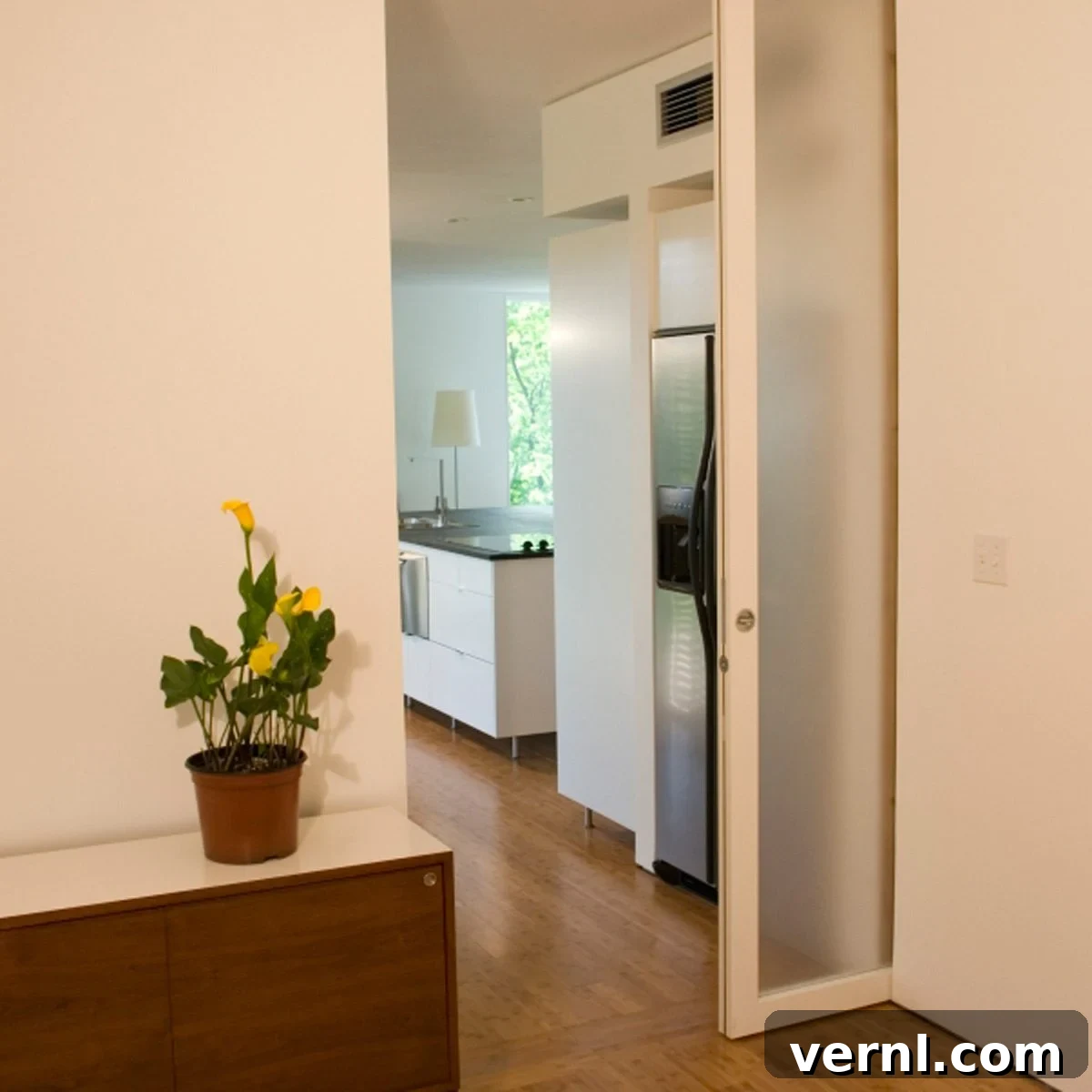
Embrace Space and Style: The Ultimate Guide to Pocket Doors
In the realm of modern interior design, where every square foot counts, pocket doors stand out as an ingenious solution for optimizing space without compromising on style. Loved by architects, interior designers, and homeowners alike, these innovative doors offer a seamless blend of functionality and aesthetic appeal. Unlike traditional swing doors that demand precious floor and wall space, pocket doors elegantly slide into a hidden compartment within the wall, vanishing from sight and transforming your living areas. If you’re seeking to create a more open, fluid, and uncluttered environment in your home, understanding the unique benefits and considerations of pocket doors is essential.
This comprehensive guide delves deep into the world of pocket doors, exploring their mechanism, design versatility, advantages, and potential drawbacks. Whether you’re embarking on a new construction project, planning a home renovation, or simply looking for smart space-saving ideas, discover how pocket doors can redefine your home’s functionality and visual charm, helping you achieve a more spacious and contemporary living experience.
What Exactly Are Pocket Doors? Unveiling the Mechanism
At their core, pocket doors are a type of interior sliding door that operates on a sophisticated track system mounted inside a wall cavity. Instead of swinging open on hinges, the door panel glides horizontally, completely disappearing into a specially framed opening within the wall. This unique design eliminates the need for door swing clearance, freeing up significant floor and wall space that would otherwise be unusable by conventional hinged doors. Made from standard slab doors, which are readily available in a vast array of styles, materials, and finishes at any home improvement center, pocket doors can also be custom-ordered to perfectly match your specific design vision and aesthetic requirements.
The magic behind a pocket door lies in its hardware: a robust overhead track system and durable rollers that ensure smooth, quiet operation. The door itself is suspended from this top-mounted track, rather than sitting on a floor track, which prevents obstructions and maintains a clean, uninterrupted floor line. When fully open, the door panel is completely concealed within the wall, creating an uninterrupted flow between rooms and offering a remarkably clean, minimalist aesthetic. This innovative mechanism is what makes pocket doors such a popular choice for homeowners looking to maximize both space and style.
The Undeniable Advantages of Integrating Pocket Doors in Your Home
The growing popularity of pocket doors is not merely a fleeting trend; it’s a testament to their practical and aesthetic superiority in many contemporary homes. They address common design challenges by offering solutions that enhance both the functionality and visual appeal of a space. Here’s a closer look at the compelling benefits these versatile doors offer:
1. Maximized Space Utilization: Reclaim Every Square Foot
Perhaps the most celebrated advantage of pocket doors is their unparalleled ability to save space. In an era where living spaces, especially in urban environments, are becoming increasingly compact, every inch matters. Traditional hinged doors require an arc of clearance to swing open, rendering the area on both sides of the door unusable for furniture placement, artwork, or other fixtures. Pocket doors eliminate this swing radius entirely, liberating valuable floor and wall space. This liberation of space is particularly impactful in:
- Small Bathrooms: Especially Jack-and-Jill bathrooms, powder rooms, or master bathroom ensuites where a swing door would awkwardly clash with fixtures like toilets, vanities, or showers. A pocket door allows for a more efficient layout and improved maneuverability, making the room feel larger and more functional. Discover more space-saving tips for master bathrooms, including effective pocket door integration.
- Compact Bedrooms: Freeing up wall space for larger dressers, desks, nightstands, or even built-in shelving, making even the coziest bedroom feel more expansive and functional by maximizing furniture placement options.
- Laundry Rooms and Pantries: Where every bit of storage and maneuvering room is crucial, a pocket door ensures seamless access to appliances or shelving without blocking pathways or reducing valuable storage space.
- Hallways and Entryways: Preventing doors from obstructing narrow corridors or creating awkward traffic flow, leading to a more open and inviting entrance to your home.
This reclaimed space not only enhances the practicality of a room but also contributes significantly to a more open, airy, and spacious feel throughout your entire home, promoting a sense of calm and order.
2. Enhanced Aesthetic Appeal: A Clean, Modern, and Seamless Look
Beyond their purely functional benefits, pocket doors are champions of modern design, offering a sleek, uncluttered visual aesthetic that traditional hinged doors simply cannot match. When open, they completely disappear into the wall, creating an uninterrupted wall surface and a seamless transition between rooms. This contributes significantly to:
- Minimalist Interiors: Perfect for contemporary homes where clean lines, an absence of visual clutter, and an emphasis on open space are paramount. Open pocket doors maintain an uncluttered look, fostering a sense of calm, sophistication, and order.
- Unobstructed Wall Space: Unlike swing doors that obscure a portion of the wall when open, pocket doors leave the entire wall available for hanging art, mirrors, shelving, or even showcasing a statement wallpaper. This allows for greater design flexibility, enabling you to highlight your decor without interruption and utilize every inch of your wall space.
- Improved Flow and Openness: By dissolving the visual barrier of a door, pocket doors promote a more fluid connection between adjacent spaces. This can make smaller homes feel larger and more interconnected, fostering an inviting and expansive atmosphere that enhances the overall living experience. They create an effortless transition from one area to another.
3. Versatility in Design and Application
Pocket doors are not limited to a single style or function; their adaptability makes them suitable for a wide range of applications and design preferences, allowing for true customization:
- Variety of Door Slabs: You can use almost any standard interior door slab – from solid wood for a traditional feel to frosted glass panels for light diffusion and modern appeal – as a pocket door. This allows you to perfectly match your home’s existing aesthetic, create a bold new statement, or integrate seamlessly with your desired interior style.
- Multiple Configurations: While single pocket doors are the most common for standard doorways, double pocket doors (two doors meeting in the middle of a wide opening) or even converging pocket doors (two doors sliding into opposite walls within the same cavity) can be used to create grand entrances or divide large spaces flexibly.
- Room Dividers: Large pocket doors can serve as elegant and highly functional room dividers, allowing you to easily open up or close off areas like living rooms and dining rooms, or home offices and guest rooms, with effortless grace, providing privacy when needed and openness when desired.
Considerations and Potential Drawbacks of Pocket Doors
While pocket doors offer numerous advantages that can significantly enhance a home, it’s crucial to be aware of their potential challenges and limitations to determine if they are the right fit for your specific needs and situation. Informed decision-making will ensure a successful and satisfying integration into your home’s design.
1. Installation Complexity and Cost
Installing a pocket door, especially in an existing wall, is generally more complex and often more costly than installing a traditional hinged door. This is primarily because:
- Wall Cavity Requirement: A dedicated wall cavity needs to be constructed within the existing wall, or significant modifications must be made. This involves removing drywall, re-framing the opening, and meticulously checking for any electrical wires, plumbing pipes, or HVAC ducts running through the proposed pocket space. Encountering these obstructions can significantly increase the complexity, time, and expense of the project, potentially requiring professional trades.
- Structural Integrity: The pocket frame needs to be structurally sound and precisely aligned to support the door’s weight and ensure smooth, trouble-free operation. This often requires professional expertise, particularly if the chosen wall is load-bearing, to ensure safety and long-term functionality.
- New Construction vs. Retrofit: Installation is significantly easier and more cost-effective during new construction or a major renovation when walls are open and accessible. Retrofitting a pocket door into an existing, finished wall is more involved, requiring more extensive demolition, framing adjustments, and subsequent repair work to the drywall and finishes.
2. Hardware Quality and Maintenance: A Critical Investment
Since pocket doors operate entirely on a track system, the quality of the hardware is paramount to their performance and longevity. Opting for cheap or subpar hardware can lead to premature wear, noisy operation, sticking, and frustrating repairs down the line. To prevent problems and ensure reliable functionality:
- Invest in High-Quality Hardware: Purchase the best-quality track, rollers, and hangers you can afford. Look for robust, heavy-duty components made from durable materials that are designed for frequent use. These will offer significantly smoother, quieter operation and much greater durability, providing peace of mind.
- Potential for Difficult Repairs: When something inevitably goes wrong with the hardware – a roller comes off the track, the door gets sticky, or the track becomes damaged – repairs can be more challenging than with a traditional door. Accessing the internal track often requires removing trim or even portions of the drywall to reach the mechanism, making repairs more intrusive and potentially costly. This emphasizes the critical importance of quality installation and hardware selection from the outset. Learn how to diagnose and effectively fix common pocket door issues, such as sticking or noisy operation, with practical step-by-step guidance.
- Routine Maintenance: While generally considered low maintenance, occasional cleaning and lubrication of the track can significantly help ensure continued smooth and quiet operation, extending the lifespan of your pocket door system.
3. Privacy and Sound Transmission
Pocket doors typically offer less soundproofing and privacy compared to solid core traditional swing doors. This is due to several inherent design characteristics:
- Wall Cavity as a Sound Tunnel: The open cavity within the wall, which houses the door, can inadvertently act as a sound tunnel, allowing noise to travel more easily between rooms compared to a solid wall.
- Gaps Around the Door: There are often small gaps around the edges of a pocket door when closed, particularly at the bottom and sides, which can further reduce sound insulation and allow light and odors to pass through.
While specialized seals and weather stripping can mitigate sound and light transmission to some extent, it’s an important consideration for rooms where privacy and sound control are crucial, such as bedrooms, home offices, or bathrooms. For these areas, a solid core door slab combined with good quality seals and potentially sound-dampening wall insulation might offer the best compromise.
4. Operation and Accessibility Considerations
While generally easy to operate for most people, some individuals may find pocket doors less convenient than traditional swing doors, depending on their physical capabilities and the hardware chosen. Specifically:
- Door Pulls and Latches: Pocket doors often utilize recessed pulls, flush pulls, or edge pulls, which can be harder for individuals with limited dexterity, arthritis, or mobility issues to grasp and operate compared to standard lever handles found on hinged doors. Ensure you thoroughly check out the operation of the hardware before installation to confirm it meets your comfort and accessibility needs, especially for privacy locks.
- Automatic Closers: While available, automatic closing mechanisms are less common or more complex to integrate for pocket doors than for their hinged counterparts, which might be a consideration in some commercial or specialized residential settings.
- Removal for Replacement: While not a frequent task, removing a pocket door for replacement or major repair can be more involved and time-consuming than simply taking a hinged door off its frame. Watch this video for a clear, step-by-step guide on how to efficiently remove and install a new pocket door.
5. Limitations on Wall Usage
Once a wall is designated for a pocket door, that specific section of the wall cannot be used for essential fixtures such as electrical outlets, light switches, plumbing lines, or any structural elements that would interfere with the door’s travel. This requires meticulous planning and coordination during the design and installation phases to ensure all functional requirements of the room are met without compromising the pocket door’s operation.
Exploring the Diverse Types of Pocket Doors to Consider
Beyond the standard single pocket door, several configurations cater to different space requirements, functional needs, and aesthetic preferences, offering even greater versatility:
- Single Pocket Door: This is the most common type, where one door panel slides into a single wall cavity. It is ideal for standard doorways in smaller bathrooms, closets, home offices, or any room where space is at a premium and a traditional swing door would be impractical.
- Double Pocket Doors (Meeting): Featuring two door panels that slide into separate wall cavities on either side of a wider opening, these doors meet precisely in the middle when closed. They are perfect for dividing larger living spaces, such as connecting a living room to a dining area, or creating grand, expansive entrances that can be closed off for privacy.
- Converging Pocket Doors: Similar in concept to double pocket doors, but with a unique twist: both door panels slide into the same, wider wall cavity from opposite sides. This configuration requires a broader single wall cavity but offers a distinctive aesthetic and can be a clever solution for very wide openings where two separate wall pockets aren’t feasible.
- Bypass Pocket Doors: In this setup, two or more doors hang on parallel tracks, allowing them to slide past each other. While they don’t disappear completely into the wall, they offer excellent access to wider openings, often used for closets or wardrobes where a full, unobstructed opening isn’t always needed, but flexible access is desired.
Where Do Pocket Doors Shine Brightest? Ideal Applications in Your Home
Identifying the ideal locations for pocket doors is key to maximizing their aesthetic and practical benefits. Their ability to conserve space and provide a clean visual makes them perfect for various settings:
- Bathrooms (especially small ones): As highlighted, pocket doors are a game-changer for compact bathrooms, allowing for better fixture placement, enhanced mobility, and a more comfortable user experience without the hindrance of a swinging door.
- Closets and Pantries: Say goodbye to closet doors that swing out and block hallways or other storage. Pocket doors make accessing clothes, linens, or food items effortless and discreet, maximizing floor space in adjacent areas.
- Home Offices: Create a quiet, dedicated workspace when needed, then effortlessly open it up to integrate with the rest of your home’s living areas, providing flexibility for work-life balance.
- Kitchens: Connect a kitchen to a dining room or formal living area, allowing you to elegantly close it off during meal preparation to contain noise and odors, or open it up seamlessly for entertaining guests.
- Laundry Rooms: Keep the laundry area discreetly hidden behind a sleek pocket door until needed, without sacrificing valuable space that a swing door would consume, making the space feel tidier.
- Room Dividers: For open-plan living arrangements, large double or converging pocket doors can provide flexible separation for various zones, allowing you to create distinct areas for dining, lounging, or entertainment as needed.
Making the Right Choice for Your Home: A Thoughtful Decision
Deciding whether a pocket door is right for you involves carefully weighing its incredible space-saving and aesthetic advantages against the practicalities of installation, specific privacy needs, and long-term maintenance considerations. While they often demand a more involved installation process and careful consideration of hardware quality, the long-term benefits of a more open, functional, and visually appealing home can be immense.
By thoroughly understanding the pros and cons, carefully assessing your specific spatial requirements, and investing in quality materials and professional installation where necessary, you can successfully integrate pocket doors to significantly enhance your home’s design and livability. It can be done! Thinking creatively about your space allows for innovative solutions. Here’s how to make a small bathroom feel big, leveraging clever design choices like pocket doors.
Ultimately, pocket doors are more than just a functional element; they are a design statement that speaks to thoughtful living, efficient use of space, and a desire for modern elegance. Embrace their transformative potential to redefine your home into a haven of modern style, practicality, and serene openness.