
Unlock the Hidden Value of Fall Leaves: A Sustainable Guide for Your Yard and Garden
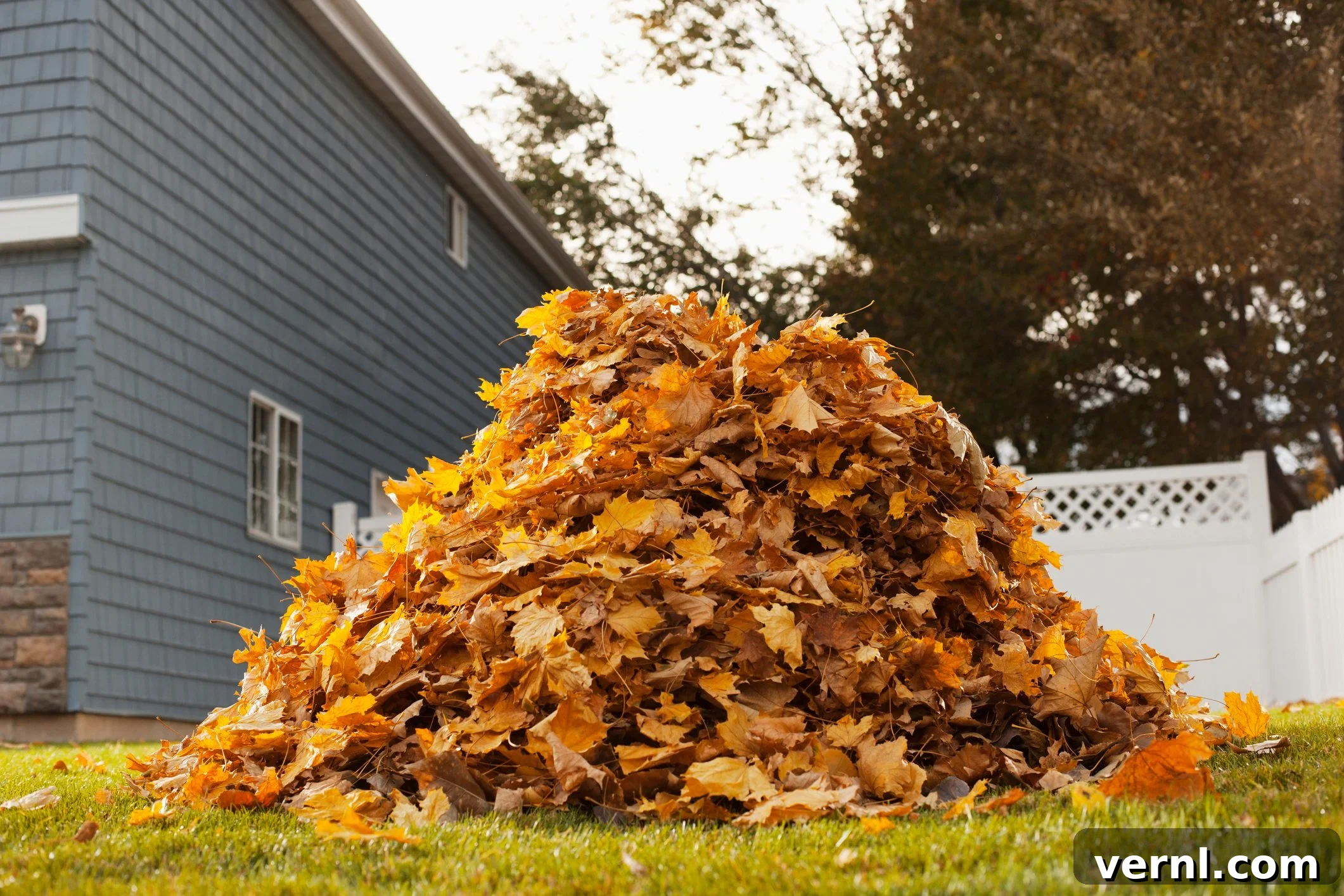
Autumn brings with it a breathtaking display of colors, but also a significant task for homeowners: managing fallen leaves. While the conventional approach often involves raking, bagging, and disposing of leaves, leading to millions of tons ending up in landfills annually, there’s a more environmentally conscious and beneficial path. In natural forests, trees ingeniously reclaim over half of their essential nutrients from decomposing fallen leaves. This natural cycle is often disrupted in urban and suburban landscapes, where leaves are removed. However, you can replicate this vital process in your own yard, transforming these “waste” materials into a rich source of free fertilizer and invaluable mulch. By adopting sustainable leaf management practices, you not only save considerable time on raking and money on yard care materials but also play a crucial role in reducing landfill waste and fostering a healthier planet.
“It’s doing a good thing for nature,” explains David Mizejewski, a seasoned naturalist with the National Wildlife Federation. He highlights the detrimental impact of traditional leaf disposal methods: “Typical ways of getting rid of them — mowing them, leaf blowing them, bagging them and sending them to the landfill — have layers and layers of badness when it comes to the health of the planet.” These methods contribute to carbon emissions from machinery and transportation, occupy valuable landfill space, and prevent the natural return of organic matter to the soil, disrupting ecological balance. Embrace the wisdom of nature and discover the myriad ways to repurpose your yard full of dry leaves, turning an autumn chore into an environmental boon.
Editor’s Tip: As fall arrives, bringing with it the inevitable blanket of leaves on your lawn and flowerbeds, having the right tools can make all the difference. Explore these incredibly useful tools that will help you efficiently collect leaves, making your sustainable leaf management efforts much easier.
The excellent news is that dry leaves are exceptionally versatile and useful for a variety of ecological and practical purposes. Here are some innovative and eco-friendly ways to reuse your dry leaves, enhancing your landscape’s health and contributing to a greener future.
Shred Dry Leaves for a Healthier Lawn with Your Mower
Transforming your fallen leaves into a nutrient-rich top dressing for your lawn is one of the simplest and most effective ways to repurpose them. By shredding leaves with a mower, you create a fine, organic material that readily breaks down, releasing essential nutrients directly back into your soil. This process significantly enhances your lawn’s health, providing a natural, slow-release fertilizer that will give it a vital boost when spring arrives. To ensure optimal benefits without suffocating your grass, maintain a thin layer of shredded leaves, allowing ample sunlight to reach the lawn beneath. This practice also helps suppress weeds and improves soil structure.
Tammy Sons, owner of Tennessee Wholesale Nursery, emphasizes the importance of proper application: “It is good to leave mulched leaves on the ground, but leaving piles of leaves on the ground over winter can be bad for your lawn.” She cautions against excessive accumulation, explaining, “Too many leaves can smother the lawn and the leaves won’t break down, leaving you with a mess after winter.” When leaves are left in thick, matted layers, they can block sunlight and air circulation, creating an anaerobic environment that harms grass and fosters fungal growth. Shredding them into smaller pieces accelerates decomposition and prevents this issue.
For an added environmental benefit, consider using a push mower to shred your leaves, reducing fossil fuel consumption and noise pollution. Regardless of the mower type, it’s crucial to wait until the leaves are completely dry before shredding. Wet leaves are not only too heavy and slippery to distribute evenly but can also clog your mower, making the task inefficient and frustrating. Dry leaves, on the other hand, are easily pulverized into tiny flakes that sift down to the soil, where they can begin their work of enrichment. This simple step can transform your autumn cleanup into a foundational practice for a vibrant, healthy lawn year after year.
Rake Dry Leaves Around Trees and Shrubs for Natural Mulch
Harnessing the natural protective and nourishing qualities of fallen leaves around your trees and shrubs is another brilliant way to repurpose them. When strategically placed, these leaves act as a powerful, multi-functional mulch, regulating soil moisture and temperature while slowly releasing vital nutrients as they break down over time. This mimics the natural forest floor, where a continuous layer of leaf litter protects and feeds the underlying ecosystem.
To maximize their benefits, create piles of dry leaves around the base of your trees and shrubs, aiming for a consistent layer three to six inches high. It’s best to keep the mulch a few inches away from the trunk or stem to prevent moisture buildup that could lead to rot. If the leaves have already fallen naturally in these areas and are not on your grass, there’s often no need to rake them at all; simply leave them where they are to decompose naturally. This ‘leave them be’ approach is the least labor-intensive and highly effective.
David Mizejewski eloquently describes this ecological synergy: “That leaf layer is actually critically important. The plants lose their leaves, which fall to the root zone of those plants, where they break down and return nutrients to the tree.” This continuous cycle is essential for maintaining soil fertility and supporting the long-term health and vigor of your woody plants. The leaf layer also insulates plant roots from extreme temperature fluctuations, protecting them from both harsh winter freezes and scorching summer heat. Furthermore, it conserves soil moisture by reducing evaporation, meaning your trees and shrubs may require less watering. As the leaves decompose, they improve soil structure, enhancing drainage in heavy clay soils and increasing water retention in sandy soils, while simultaneously fostering a thriving community of beneficial soil microorganisms and earthworms.
Leave the Leaves for Wildlife: Creating Essential Backyard Habitats
From an ecological standpoint, one of the most impactful things you can do with your fallen leaves is often the simplest: leave them be. Nature has an intricate and efficient system for reusing dry leaves, making them an indispensable component of local ecosystems. Allowing leaves to remain whole where they fall, or gathering them into loose piles in designated areas of your yard, creates critically important microhabitats that support a vast array of wildlife.
This natural leaf layer forms a vital ecosystem, a haven for countless creatures throughout the colder months and into spring. It provides shelter, foraging grounds, and overwintering sites for a diverse group of animals, including various bird species, chipmunks, wood frogs, shrews, salamanders, and especially insects and other invertebrates. Among the most significant beneficiaries are moth caterpillars and other insects. An astonishing ninety-four percent of moth species rely on this leaf layer to complete their life cycle, often pupating or laying eggs within the protective cover of fallen leaves. The importance of these insects extends far up the food chain, as ninety-six percent of backyard birds depend on moth caterpillars as their primary food source for feeding their chicks during the crucial nesting season. Without this essential food source, bird populations can decline.
Mizejewski elaborates on this profound connection: “Some animals live their entire life in that leaf litter.” He challenges common perceptions, noting, “People tend not to care about bugs, but when you know that those insects and spiders are a really important piece of the food web, critically important for those birds you want to attract, it can change your thinking. If you want to see a lot of beautiful birds in your yard, you have to create a space that invites insects.” By choosing to leave your leaves, you are actively cultivating biodiversity, providing crucial shelter for overwintering pollinators, and ensuring a healthy food supply for birds and other wildlife. Designate certain areas of your yard, perhaps under trees or along fences, as “no-rake zones” where leaves can accumulate naturally, creating a thriving, low-maintenance wildlife sanctuary.
Add Dry Leaves to the Garden for Enriched Soil and Suppressed Weeds
Dry leaves are an invaluable asset to any garden, offering multiple benefits that enhance soil fertility, improve structure, and reduce maintenance. You can incorporate them into your garden beds in a couple of highly effective ways, either by mixing them directly into the soil or using them as a protective top layer.
When mixed directly into the soil, whole or shredded leaves gradually disintegrate, releasing a wealth of nutrients that feed your plants. This process also significantly improves soil structure; it lightens heavy clay soils, improving drainage and aeration, and adds organic matter to sandy soils, enhancing their water retention capabilities. Furthermore, incorporating leaves creates an inviting habitat for earthworms and other beneficial soil invertebrates, which tirelessly aerate the soil and break down organic matter, further enriching the garden ecosystem. These busy creatures contribute to the natural cycling of nutrients, making them more available to plant roots.
Alternatively, dry leaves make an excellent top mulch for garden beds. Applied as a protective layer, they shield plant roots from extreme temperatures, conserve soil moisture by reducing evaporation, and, perhaps most notably, suppress weeds by blocking their access to sunlight. For mulching purposes, shredded leaves are generally superior to whole ones. Whole leaves tend to mat down and form a dense, impenetrable layer that can hinder water and air penetration. Shredded leaves, however, allow water and air to pass through more easily, decompose faster, and provide a more aesthetically pleasing, uniform look. If you live in a windy area, shredded leaves are also less likely to blow away, ensuring your mulch stays where it’s most needed.
Pro tip: Don’t overlook the potential of dry leaves in potted plants, too. A thin layer of shredded leaves on top of the soil in containers can help retain moisture, regulate soil temperature, and provide a slow-release nutrient boost, keeping your container plants healthier and happier. Just ensure the leaves are finely shredded to prevent them from compacting.
Turn Dry Leaves Into Nutrient-Rich Soil with Composting
Composting is a cornerstone of sustainable gardening, and your leftover dry leaves are a goldmine for creating rich, healthy soil. Integrating leaves into your compost bin is an excellent way to recycle them, transforming them into a powerful soil amendment that will supercharge your garden’s growth and vitality.
Leaves are considered “brown” material in composting terms, meaning they are rich in carbon. To achieve optimal decomposition, it’s essential to balance them with “green” materials, which are high in nitrogen. A good composting strategy involves alternating layers of dry leaves with other nitrogen-rich additions like grass clippings, fresh food leftovers (excluding meat, dairy, and oily foods), and green plant trimmings. This layering ensures a diverse microbial diet, speeding up the decomposition process. Regularly turning or stirring your compost pile introduces oxygen, which is crucial for the aerobic bacteria that do the heavy lifting in breaking down organic matter. Shredded leaves will compost significantly faster than whole leaves because their increased surface area provides more entry points for microorganisms to begin their work.
If you find yourself with an abundance of leaves that exceeds the capacity of your compost pile, don’t despair. You can store them dry in trash cans or large bags until the spring. By spring, you’ll likely have a fresh supply of wet green materials from your garden and lawn that can be mixed with your stored dry leaves, ensuring a balanced compost recipe. This allows you to process all your leaves eventually without overwhelming your system. For those without the space or means to compost in their own yard, many communities offer convenient options. Check with your local municipality; your city might have a dedicated facility where you can compost your leaves, contributing to community-wide sustainable practices.
Make Leaves Into Leaf Mold: The Forest’s Secret to Soil Enrichment
Beyond traditional composting, dry leaves offer the opportunity to create a truly remarkable soil amendment known as leaf mold. This earthy, dark, and crumbly substance is what gives forest floors their distinctive rich smell and incredible fertility. Unlike compost, which involves a mix of green and brown materials and often a hotter decomposition process, leaf mold is created solely from leaves, decomposing slowly through fungal action. The result is a humus-rich material that dramatically improves soil structure and its capacity to retain moisture, making it invaluable for gardeners.
The process of making leaf mold is incredibly simple and requires minimal effort. All you need to do is gather your leaves into a large pile. You can contain them in a simple wire mesh bin or even a designated corner of your yard. The key is patience; allow the leaves to do their thing for six months to a year, or even longer for a finer product. While the leaves are decomposing, it’s beneficial to ensure they remain consistently moist, especially during dry spells. Periodically adding water will help the fungal networks thrive and accelerate the breakdown process. Shredding the leaves before piling them will also hasten decomposition, potentially yielding leaf mold in a shorter timeframe.
Leaf mold is celebrated for its unique benefits. It significantly increases the water-holding capacity of soil, making it ideal for thirsty plants and reducing the need for frequent watering. It also improves soil aeration, drainage, and provides a perfect habitat for beneficial soil organisms, including earthworms. It’s an excellent soil conditioner, especially for seed-starting mixes, potting blends, or simply dug into garden beds to boost overall soil health. While leaf mold is generally considered safe to handle and is a natural product, it can, like any organic material, aggravate allergies in some sensitive individuals due to mold spores. If you have concerns or known allergies, wearing a mask while handling large quantities of leaf mold is a simple and effective precautionary measure.
Show Off Artistic Skills with Dry Leaves: Creative Autumn Activities
Beyond their practical uses in the garden, dry fall leaves also offer a wonderful medium for creativity, allowing you to embrace the beauty of the season through various artistic endeavors. Revel in the vibrant colors and unique textures of autumn by transforming these natural treasures into charming decorations and engaging crafts for all ages.
Begin by creating stunning seasonal leaf decor. Collect a variety of leaves to craft intricate wreaths for your front door, elegant garlands to drape over mantels, or beautiful table centerpieces that capture the essence of fall. You could even arrange them in decorative bowls or use them to embellish candles or picture frames. And of course, no autumn yard is complete without a whimsical scarecrow, which can be easily adorned with dried leaves for added texture and charm.
For more reflective and artistic pursuits, try leaf nature journaling. This involves carefully observing the leaves – their shape, venation, color changes, and unique characteristics – and documenting them through sketches, notes, and even pressing them into your journal. Another classic and beloved craft is leaf rubbing art. This simple yet satisfying activity entails placing dried leaves beneath a sheet of paper and then gently shading over them with colored pencils, crayons, or pastels. The veins and intricate patterns of the leaves magically emerge on the paper, creating beautiful, textured prints. Experiment with different colors and leaf shapes to create unique compositions, or layer rubbings to build complex patterns. You can also use preserved leaves to create a charming scrapbook or photo album, adding a touch of natural elegance to your cherished memories.
To ensure your artistic creations last, proper leaf preservation is key. One common method involves pressing leaves between two sheets of wax paper. Once arranged, place a heavy book on top and let them sit for a couple of weeks until they are thoroughly dry and flattened. For a more immediate preservation technique, after pressing, you can place a thin towel over the wax paper sandwich and briefly iron it on a low setting. The heat will melt the wax, sealing the leaf and helping to preserve its color and structure. Other methods include pressing leaves in glycerin or using a clear sealant spray for durable decorations.
And remember, as you celebrate the season’s bounty and your eco-friendly efforts, don’t forget the simple, unadulterated joy that fall leaves bring. Let everyone, including your furry canine friends, experience the nostalgic delight of jumping into a freshly raked, fluffy pile of leaves. It’s a timeless tradition that connects us to nature and the simple pleasures of autumn!