
There’s a unique satisfaction that comes with having a private well. The taste of fresh, untreated water is often unparalleled, and the independence from municipal water bills is a significant perk. However, years of experience living with well systems have taught me that this privilege comes with a profound responsibility: ensuring a consistent and safe water supply is never a given. From the sudden anxiety of frozen pipes and unexpected leaks to the frustration of a faulty pressure tank, or the broader concern of a regional drought, I’ve witnessed firsthand the many ways a well system can falter.
The good news is that most of these potential issues are preventable. A proactive approach to well maintenance, coupled with a fundamental understanding of how your private well system operates, can safeguard your water supply for decades. As Charlene Bean, wellcare program supervisor at the Water Systems Council (WSC), aptly states, “Taking good care of your water well is essential to ensuring your family has a consistent supply of high quality drinking water for years to come.”
To help you maintain a reliable and safe private water supply, we’ve compiled expert advice on essential well care practices. By following these guidelines, you can ensure your well continues to provide clean, fresh water for your household.
Prioritize Regular Well Water Testing
One of the most critical aspects of private well ownership is regular water testing. Unlike municipal water systems, which are routinely monitored for contaminants, the quality of your well water is solely your responsibility. It’s imperative to test your well water at least annually for common contaminants such as bacteria (like coliform and E. coli), nitrates, and arsenic. Additionally, it’s wise to test for local contaminants of concern, which can vary significantly by region and geological conditions. These might include lead, pesticides, or emerging contaminants like PFAS.
Initial testing, especially if you’ve never had your well evaluated or if it’s been over five years since the last test, should be comprehensive. A more in-depth analysis from a certified local laboratory or a reputable testing service like Tap Score is recommended. This thorough examination can detect a wider range of inorganic chemicals, volatile organic compounds, and heavy metals that might be present in your groundwater.
Situational testing is also crucial. If you’ve experienced a major weather event such as flooding, an earthquake, or a significant drought, the integrity of your well or the surrounding groundwater can be compromised, necessitating an immediate retest. Similarly, if there are unexplained illnesses in your household, changes in your water’s taste, odor, or clarity, or if nearby land use changes (e.g., new agricultural activity, construction), you should schedule prompt testing.
David Traut, president of the National Ground Water Association (NGWA), advises, “If you have what can be called a vulnerable well, typically one in shallow sands or karst, which is broken rock geology, or you can see a large swing in nitrate concentrations during wet or very dry seasons, you should consider testing more often.” Vulnerable wells are more susceptible to surface water contamination and fluctuations in groundwater chemistry. Common sources of nitrates, for instance, often originate from agricultural fertilizers, septic system effluent, and animal waste, highlighting the importance of understanding your local environment.
Regular testing not only safeguards your family’s health by identifying potential threats but also provides a baseline for future comparisons, allowing you to track changes in water quality over time and address issues before they become critical.
Conduct Regular Visual Well Inspections
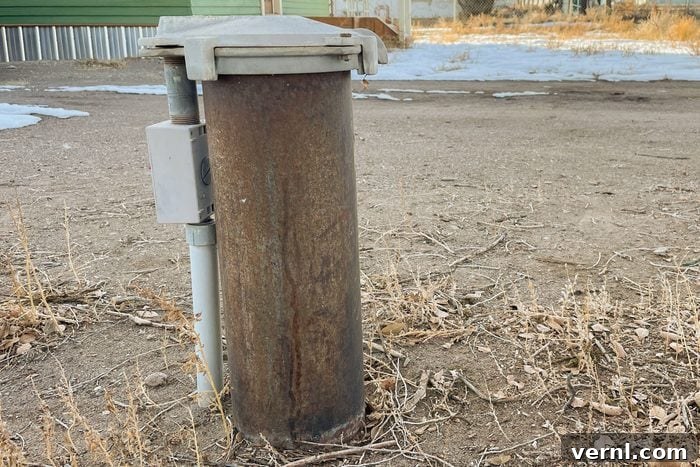
Beyond chemical testing, routine visual inspection of your well and its components is a simple yet effective maintenance step. Several times a year, take the time to walk around your wellhead and observe its condition. Look for signs of trouble such as puddling water on the surface around the casing, which could indicate a leak. Pay attention to the wellhead itself; is it tilted, cracked, or otherwise damaged? Are any above-ground components, like vent pipes, electrical conduits, or caps, broken or loose? These seemingly minor issues can have significant consequences.
“Those can allow for dirt, dust and critters to enter the well,” warns Traut. “Insects, reptiles and small animals can and will find access into a well.” Any breach in the well’s protective barrier creates an open pathway for bacteria, viruses, and other contaminants to enter your drinking water supply. Furthermore, inspect the surrounding area for erosion that might expose the casing or compromise its stability.
While homeowners can perform basic visual checks, a professional inspection is invaluable. The NGWA recommends hiring a licensed well contractor to inspect your entire well system annually. These professionals can perform a comprehensive evaluation, checking critical aspects like the pump’s capacity and flow rate, the integrity of valves, the electrical conductance of the motor, and the well’s static and pumping water levels. This detailed assessment helps identify wear and tear, potential electrical problems, and any issues affecting water quantity.
In contrast, the WSC suggests that professional inspections every five years are sufficient, provided there are no immediate concerns or noticeable changes in water quality or quantity. The frequency often depends on the age of your well, local conditions, and your personal comfort level with monitoring its performance.
If you’ve noticed a drop in water pressure, a contractor can also investigate the pump for signs of wear or mineral buildup inside the pump casing. Traut emphasizes the long-term benefits: “Over the years, this will give insight on water levels, quality and quantity, plus provide some forward vision as to when you might experience a pump failure.” Proactive inspections can extend the life of your system, prevent costly emergency repairs, and ensure a continuous supply of water.
Understand and Maintain Your Pressure Tank
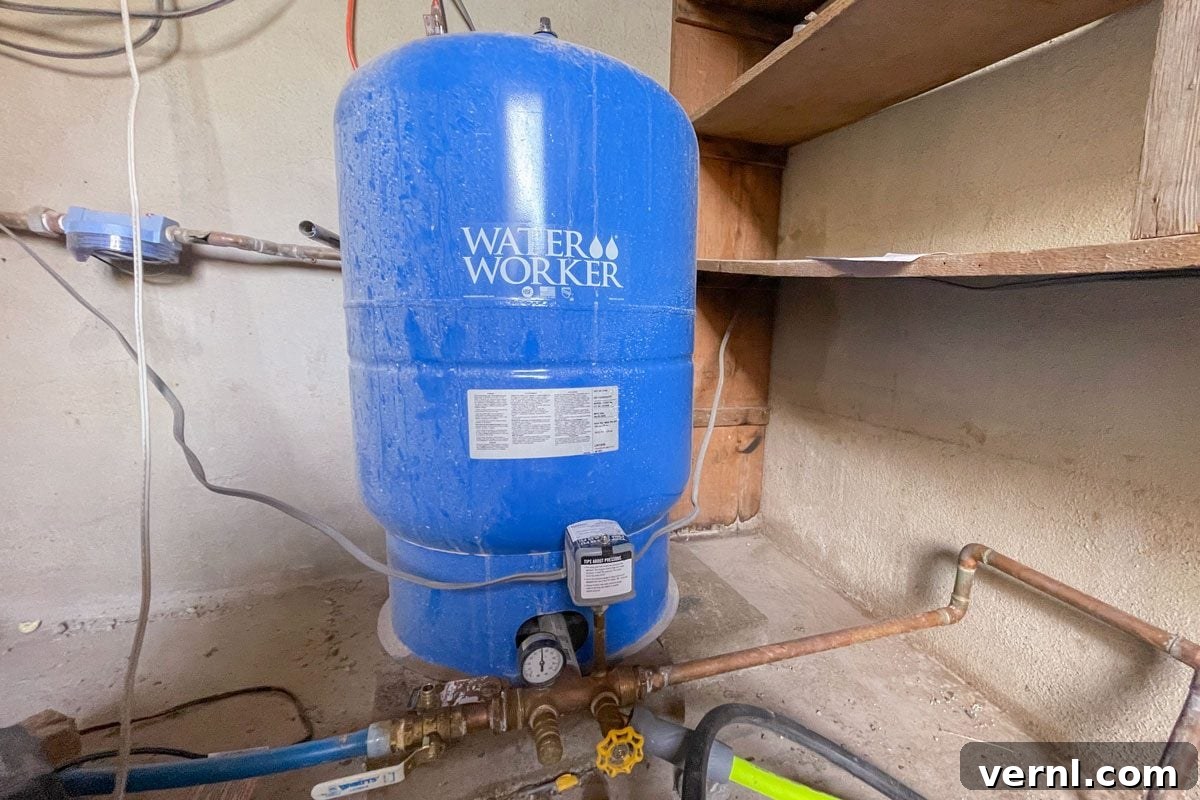
The pressure tank is an unsung hero in your well water system, often operating silently in the background until a problem arises. You might notice slight fluctuations in water pressure, especially during extended use like a shower – this is usually the pressure tank doing its job, refilling with water. Its primary function is to store a pressurized supply of water, reducing the frequency with which your well pump needs to turn on. This not only helps regulate and maintain consistent water pressure throughout your home but also significantly prolongs the lifespan of your expensive well pump by minimizing “short cycling.”
However, pressure tanks aren’t maintenance-free. If you start hearing a distinct clunking sound coming from the tank, if your well pump runs almost constantly, or if your water pressure becomes noticeably low and inconsistent, these are red flags. Such symptoms often indicate that there’s insufficient air pressure in the tank. Over time, the air cushion inside the tank can diminish, leading to a “waterlogged” tank where the pump cycles on and off rapidly. This rapid cycling puts immense strain on the pump, leading to premature failure and increased electricity consumption.
Periodically checking and recharging the air pressure in your tank (typically performed by a professional or a knowledgeable homeowner following specific safety instructions) is crucial. Ensure the tank’s pressure matches the pump’s cut-in pressure setting, usually about 2 PSI below the pump’s cut-in point. Familiarizing yourself with the location of your pressure tank, its gauges, and the signs of a potential issue can save you from significant inconvenience and repair costs down the line.
Regular Maintenance for Water Treatment Systems
Many private well owners rely on additional water treatment systems to address specific water quality concerns. These can range from water softeners to iron filters, sediment filters, UV purification systems, or even reverse osmosis units. To ensure their continued effectiveness and protect your overall water system, it’s vital to develop and adhere to a regular maintenance plan for all installed components.
For example, if you have a septic system, standard maintenance typically involves annual or biennial inspections and pumping every three to five years, depending on household size and usage. Neglecting septic maintenance can lead to system failure and potential contamination of your well water.
Water softeners are particularly common companions to well systems, especially in regions with hard water. Groundwater often contains high concentrations of minerals like calcium and magnesium, which can lead to unsightly scale buildup on fixtures, clog showerheads, and drastically reduce the efficiency and lifespan of water heaters, dishwashers, and other appliances. Regular replenishment of salt in the brine tank and periodic cleaning of the resin bed (as outlined in the manufacturer’s recommendations) are essential for a softener to work effectively.
Similarly, house-wide filters (sediment, carbon, iron filters) and point-of-use tap filters require consistent attention. Follow the manufacturer’s guidelines for filter replacement schedules. A clogged filter can reduce water pressure, become a breeding ground for bacteria, or simply cease to effectively remove contaminants.
Charlene Bean of WSC emphasizes a crucial point: “It is important to note that not all well systems need treatment and homeowners should not diagnose water quality concerns on their own. Always test your water first and seek guidance from a certified water treatment professional before installing treatment.” Installing unnecessary or incorrect treatment systems can be a costly mistake and may not address the actual problems in your water. A professional will analyze your water test results and recommend a tailored solution.
Practice Water Conservation Diligently
While well water might seem like an inexhaustible resource, the reality is far from it. “Many people believe they have an endless supply of water,” says Bean. However, groundwater levels are not static; they fluctuate based on rainfall, snowmelt, and withdrawal rates. Depleted groundwater levels are becoming a significant problem in many parts of the U.S. and globally. This issue directly impacts well owners.
When the water table drops, your well pump has to work harder to lift water from a greater depth. This increased effort leads to higher electricity consumption, more wear and tear on your pump, and potentially a noticeable drop in water pressure. In severe cases, especially during prolonged droughts or periods of over-pumping, wells can dry up entirely, leaving you without a water source until the aquifer recharges, which can take a significant amount of time.
To mitigate these risks, it’s essential to be mindful of water usage and practice diligent water conservation. Pay close attention to drought conditions and water advisories in your area. Implement water-saving habits both indoors and outdoors: fix leaky faucets and toilets promptly, take shorter showers, run full loads in dishwashers and washing machines, use water-efficient appliances, and consider drought-tolerant landscaping. Every drop saved contributes to the sustainability of your well and the local aquifer, helping to ensure a consistent water supply for your household and community.
Can You Fix Your Own Well? Expert Advice on DIY Repairs
The allure of saving money by tackling home repairs yourself is strong, but when it comes to your private well system, experts strongly recommend caution and often advise hiring a professional. While some basic tasks like visual inspections or checking pressure tank air can be homeowner-managed, anything involving opening the well casing, working with electrical components, or making significant adjustments to the pump or plumbing system should be left to certified well contractors.
Johnny Pujol, a water quality engineer at Tap Score, underscores this point: “When it comes to private wells, the most important thing to remember is that you are the only one responsible for keeping an eye on your water quality.” Professionals possess specialized equipment, in-depth knowledge of well hydraulics and geology, and expertise in ensuring repairs meet safety and health standards. Attempting complex repairs without proper training can lead to further damage to expensive equipment, potential contamination of your water supply, or even serious personal injury due to high pressures or electrical hazards.
Pujol concludes, “Proper installation and maintenance, the right treatment and yearly lab testing all work together to keep your well water safe, clean and hopefully delicious.” Investing in professional expertise for installation, critical repairs, and comprehensive inspections is an investment in the long-term health and safety of your well system and your family’s drinking water.
Frequently Asked Questions (FAQs) About Well Water Systems
How does a well water system work?
A well water system harnesses groundwater, naturally stored in underground aquifers, to supply water to your home. The basic process involves a pump, typically a submersible pump located deep within the well, drawing water from the aquifer. This water is then delivered through a well casing and tubing into a pressure tank inside your home. The pressure tank maintains a constant water pressure throughout your plumbing system, reducing the pump’s cycling and ensuring water is readily available whenever you open a faucet. The system also includes a well screen to filter out sediment and debris, and a pressure switch that automatically turns the pump on and off to maintain optimal pressure levels within the tank.
How much does it cost to replace a well water system?
The cost of installing a new well water system, including drilling a well, can vary significantly, ranging from a few thousand dollars to well over $20,000. Several factors influence this cost: the depth required to reach the aquifer, the local geology (e.g., rock vs. soil), the type of pump chosen (submersible pumps are generally more expensive but more efficient for deep wells), the size and type of pressure tank, the complexity of the plumbing, and local permitting fees. For instance, drilling through solid rock will be considerably more expensive than through softer soil. It’s best to obtain multiple quotes from licensed well contractors in your area for an accurate estimate.
How many years does well water last?
This question can be interpreted in two ways: the lifespan of the well structure itself, and the duration of the water supply. The physical well structure (casing, screen) can last anywhere from 20 to 50 years, or even longer, with proper installation and regular maintenance. However, the availability of well water depends heavily on your geographical location, the health of the local aquifer, and regional hydrological conditions (rainfall, drought). While the aquifer itself is a natural resource, continuous over-pumping or prolonged droughts can lead to the water table dropping below the pump’s intake, effectively making the well dry. Regular monitoring of local groundwater levels and water conservation practices are crucial for the long-term sustainability of your water supply.
Can you run out of water in a well?
Yes, it is absolutely possible for a well to run out of water. This occurs when the water table (the upper level of the groundwater in the aquifer) drops below the intake of your well pump. This can happen due to several reasons: prolonged drought conditions reducing groundwater recharge, excessive pumping from your well or neighboring wells, or a natural shift in the underground water veins. When a well runs dry, it will remain so until the groundwater recharges sufficiently or other geological and hydrological conditions change to raise the water table once more. In some cases, a deeper well might need to be drilled, or the existing pump lowered, which can be an expensive undertaking.
How much does a well water pump cost?
If you need to replace the pump within your existing well system, you can typically expect to spend between $1,000 and $2,500 for the pump itself. This cost varies based on the type of pump (submersible pumps are common for deep wells, while jet pumps are used for shallower applications), its horsepower, the brand, and any specific features. On top of the pump cost, you’ll need to factor in labor for installation, which can significantly add to the total. Installation costs can range from several hundred to over a thousand dollars, depending on the complexity of the removal of the old pump and installation of the new one, especially if the well is very deep.
How often do you need to replace a well tank?
Pressure tanks, which are vital components located between your well pump and your household water pipes, have a variable life expectancy, typically ranging from 5 to 30 years. This wide range depends on several factors: the quality and type of the tank (e.g., diaphragm, bladder, or traditional air-over-water tanks), the water quality (high mineral content can cause internal corrosion), the frequency of pump cycling, and how well it has been maintained. Regular checks of the tank’s air pressure and addressing any issues promptly can extend its life. Signs that your pressure tank may need replacement include constant pump cycling, fluctuating water pressure, or water leaking from the tank.
About the Experts
- Charlene Bean is the wellcare program supervisor for the Water Systems Council (WSC), a non-profit organization dedicated to ensuring the 23 million Americans who rely on water wells have access to safe, reliable drinking water. The WSC is also responsible for publishing the comprehensive Well Owner’s Manual and maintaining a valuable list of certified water professionals.
- David Traut is the founder of Traut Companies, a reputable well water contractor based in St. Joseph, Minnesota, and currently serves as the president of the National Ground Water Association (NGWA). He holds the prestigious designation of Master Groundwater Contractor, the highest certification awarded by the NGWA, reflecting his extensive expertise in the field. The NWGA also provides an invaluable resource for well owners.
- Johnny Pujol is a water quality engineer at Tap Score, a company that offers comprehensive water testing services. Tap Score provides useful information for well owners, including a detailed well maintenance calendar and additional resources for maintaining private wells.
Additional Resources
- Centers for Disease Control and Prevention (CDC), Well Maintenance.
- Environmental Protection Agency (EPA), Protect Your Home’s Water.
Understanding and proactively managing your private well system is key to enjoying safe, reliable, and delicious water for years to come. By following these expert-backed maintenance tips, you ensure the longevity and efficiency of your well, giving you peace of mind.