Safe Leaf Disposal: Why Burning Leaves is a Bad Idea and What to Do Instead
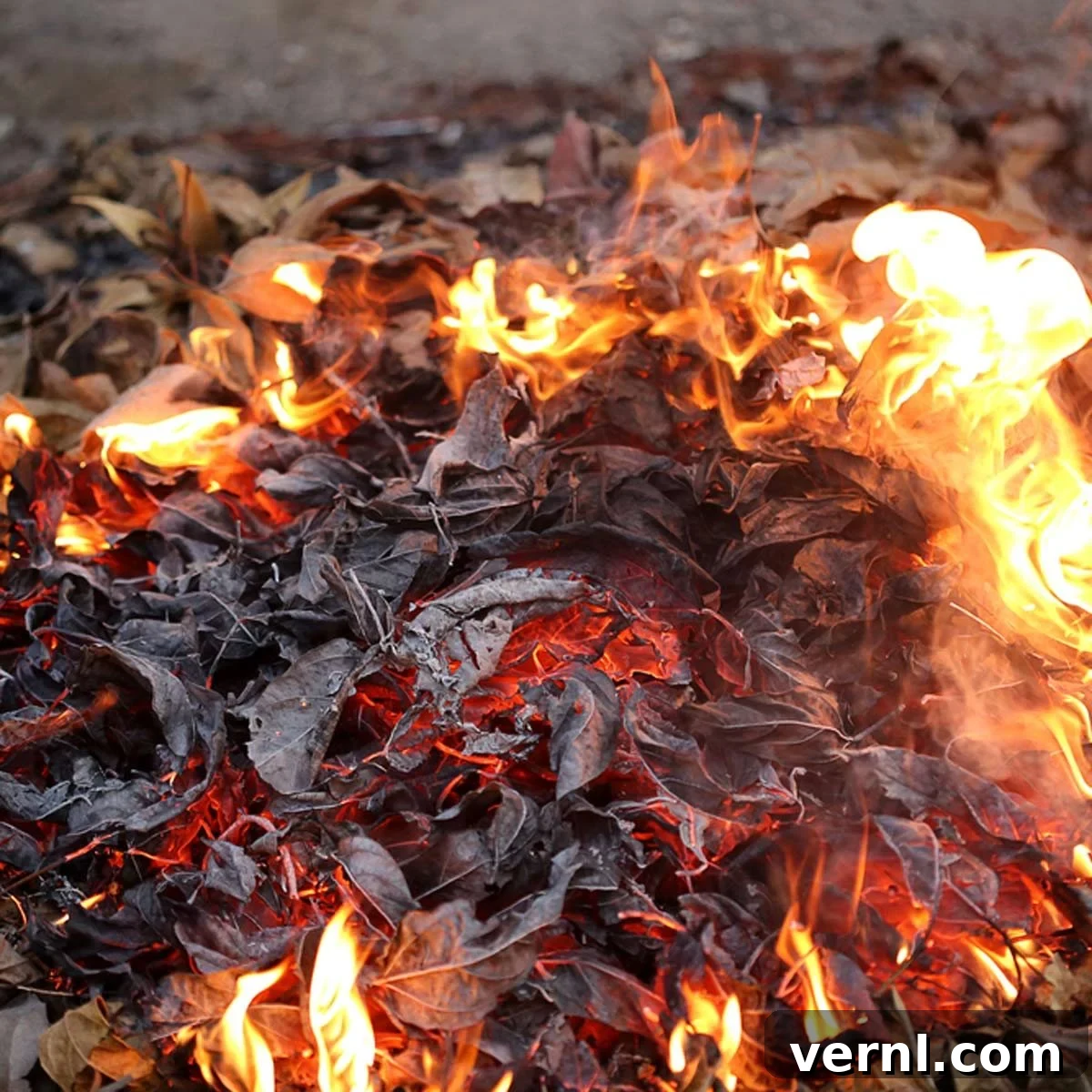
As autumn arrives, bringing with it a picturesque tapestry of red, orange, and gold, it also heralds the annual challenge of fallen leaves. For many homeowners, the sheer volume of leaves accumulating in their yards can feel overwhelming. In the face of this autumnal deluge, the temptation to simply gather them into a pile and set them ablaze can be strong, seemingly offering a quick and easy solution to a daunting task. However, what appears to be a simple fix carries a multitude of hidden dangers and significant drawbacks that far outweigh any perceived convenience. Burning leaves is not only detrimental to your health and a potential fire hazard, but it can also be illegal in your area and harmful to the environment.
This comprehensive guide will delve into the critical reasons why you should never burn your leaves. We’ll explore the serious health implications of inhaling leaf smoke, the genuine risk of uncontrolled fires, the legal ramifications you might face, and the broader environmental consequences. More importantly, we’ll provide you with practical, safe, and eco-friendly alternatives that will help you manage your fall foliage responsibly, turning a seasonal chore into an opportunity to enrich your garden and protect your community.
The Hidden Dangers: Health Risks Associated with Burning Leaves
While the visual of crackling autumn leaves might evoke a nostalgic feeling, the reality of leaf smoke is far from pleasant or harmless. Burning leaves, especially in open piles, releases a potent cocktail of irritants and toxic compounds into the air that pose serious risks to human health. This isn’t merely about an unpleasant smell; it’s about microscopic particles and hazardous chemicals that can penetrate deep into your respiratory system and beyond.
Understanding Particulate Matter
One of the primary health concerns is the release of particulate matter (PM). When leaves undergo incomplete combustion, they produce tiny particles of soot, ash, and other unburnt organic materials. These microscopic particles, often invisible to the naked eye, are small enough to bypass the body’s natural defenses and travel deep into the lungs. Once inhaled, they can cause inflammation, irritation, and significant damage to lung tissue. According to the U.S. Environmental Protection Agency (EPA), exposure to particulate matter can exacerbate existing respiratory conditions and contribute to the development of new ones.
Respiratory Problems and Vulnerable Populations
For individuals with pre-existing respiratory conditions such as asthma, bronchitis, emphysema, or Chronic Obstructive Pulmonary Disease (COPD), leaf smoke can trigger severe attacks and worsen symptoms, leading to emergency room visits. Even healthy individuals can experience coughing, wheezing, shortness of breath, and chest pain. Long-term or repeated exposure can impair lung function, making individuals more susceptible to respiratory infections like pneumonia and influenza. Children, whose lungs are still developing, and the elderly, who often have weaker immune systems and pre-existing health issues, are particularly vulnerable to these airborne irritants.
Toxic Compounds and Carcinogens
Beyond particulate matter, leaf smoke contains a variety of toxic, irritant, and carcinogenic (cancer-causing) compounds. These include:
- Polycyclic Aromatic Hydrocarbons (PAHs): These are a group of chemicals that occur naturally in coal, crude oil, and gasoline. They are also produced when organic substances are burned. Many PAHs are known or suspected carcinogens.
- Benzene: A known human carcinogen, benzene can affect the bone marrow and lead to anemia and leukemia.
- Acrolein: A highly irritating chemical that can cause severe irritation to the eyes, skin, and respiratory tract.
- Formaldehyde: Another known carcinogen and strong irritant to the eyes, nose, and throat.
- Carbon Monoxide (CO): Piles of burning leaves, especially smoldering ones, can release significant amounts of carbon monoxide. This odorless, colorless gas is extremely dangerous because it reduces the blood’s ability to carry oxygen. Symptoms of carbon monoxide poisoning include headaches, dizziness, nausea, confusion, and can be fatal, particularly for infants, the elderly, and those with heart conditions, as it can go undetected.
The cumulative effect of these pollutants on air quality impacts not only the individual burning the leaves but also neighbors, pets, and the wider community, turning a simple yard chore into a public health concern.
A Spark Away from Disaster: Understanding Fire Hazards
The image of a contained bonfire might be comforting, but when it comes to burning piles of leaves, control can quickly be lost. The inherent nature of dry, flammable organic matter combined with unpredictable weather conditions makes leaf burning a significant fire hazard, posing risks far beyond your own property line.
The Unpredictability of Embers
Consider this scenario: a pile of leaves, actively burning, sends individual, partially combusted leaves and tiny embers skyward. A sudden gust of wind, even a gentle breeze, can easily catch these smoldering fragments and carry them surprising distances. If you live in an area prone to dry conditions, surrounded by other dry vegetation, or with nearby structures like homes, sheds, fences, or woodpiles, all it takes is one tiny spark landing in the wrong place to ignite a much larger, uncontrollable fire. This isn’t a rare occurrence; countless house fires and brush fires begin from seemingly innocuous backyard burns.
Factors that Increase Risk
Several factors amplify the fire risk associated with burning leaves:
- Dry Conditions: Droughts or extended periods without rain leave surrounding vegetation, groundcover, and even structural materials extremely dry and highly flammable.
- Wind: Even light winds can carry embers, accelerating the spread of fire and making it difficult to control. High winds can turn a small, smoldering pile into a rapidly spreading blaze in moments.
- Proximity to Structures: Homes, garages, sheds, decks, and even fences are all susceptible to ignition from flying embers.
- Vegetation: Dry grass, shrubs, trees, and other plant debris can act as fuel lines for a fire started by runaway embers.
- Lack of Supervision: Leaving a leaf pile burning unattended, even for a short time, dramatically increases the risk of it getting out of control.
- Inadequate Safety Measures: Burning without a water source nearby, without clearing a wide area around the burn pile, or without proper tools to manage the fire (like shovels) are all recipes for disaster.
Community-Wide Threat and Consequences
The risk of burning leaves extends beyond just your property. A fire ignited by your leaf pile could quickly spread to your neighbors’ yards, structures, or even into larger wooded areas, potentially turning into a devastating brush or forest fire. Such events can lead to significant property damage, personal injury, and even fatalities. Fire departments are often stretched thin responding to preventable fires, diverting resources from other emergencies. The environmental consequences of a spreading fire, including destruction of habitat and further air pollution, are also severe. Responsible homeowners understand that fire safety is a community responsibility, and choosing not to burn leaves is a crucial step in preventing widespread disaster.
The Law and Your Lawn: Legality and Regulations Surrounding Leaf Burning
Beyond the health and safety concerns, one of the most compelling reasons not to burn leaves is simply because it’s illegal in many jurisdictions. What might seem like a traditional fall activity could land you in legal trouble, facing fines, penalties, and even liability for damages caused.
Varying Local Ordinances
Regulations concerning open burning, including leaf burning, vary significantly from one location to another. While some rural areas might still permit it under specific conditions, many municipalities, particularly in suburban and urban environments, have outright bans. These regulations are typically put in place to protect air quality, prevent fire hazards, and maintain public health. Local governments often cite concerns about respiratory illnesses caused by smoke, the nuisance it creates for neighbors, and the inherent danger of uncontrolled fires.
How to Determine Legality
The best and only way to ascertain if burning leaves is legal in your specific area is to check with your local authorities. This could involve contacting your:
- Local Fire Department: They are the primary enforcers of burn bans and fire safety regulations.
- City or County Government Offices: Specifically, the department responsible for environmental quality, public works, or code enforcement.
- Local EPA or Air Quality Management District: These agencies often set guidelines for permissible burning activities.
It’s crucial not to rely on assumptions or what a neighbor might be doing. Regulations can change, and ignorance of the law is rarely an acceptable defense.
Types of Regulations and Penalties
Even in areas where burning is technically allowed, it often comes with strict rules and conditions, such as:
- Burn Bans: Temporary bans are frequently issued during dry periods or high winds to prevent wildfires.
- Permit Requirements: Some areas may require a special permit for any open burning.
- Setback Rules: Requirements for how far a burn pile must be from structures, property lines, or wooded areas.
- Time Restrictions: Burning may only be allowed during certain hours or on specific days.
- Material Restrictions: Only certain types of organic waste might be allowed, often excluding leaves due to their smoky nature.
- Supervision Requirements: The burn must be constantly attended.
- Weather Conditions: Burning is often prohibited on windy days or when air quality alerts are in effect.
Violating these regulations can result in hefty fines. Moreover, if your leaf fire causes damage to your own property or, critically, to a neighbor’s property or natural areas, you could be held legally liable for the costs of damage, cleanup, and even personal injury. The potential legal and financial repercussions far outweigh any perceived benefit of burning leaves.
Beyond the Blaze: Environmental Impact of Burning Leaves
While health risks and fire hazards are immediate and tangible concerns, burning leaves also contributes to a broader range of environmental problems. It’s an practice that disrupts natural cycles and contributes to pollution on multiple fronts.
Air Quality Degradation
As discussed, leaf smoke contains particulate matter, carbon monoxide, and a host of volatile organic compounds (VOCs). These pollutants don’t just affect human lungs; they contribute to localized smog formation, haze, and can travel long distances, impacting regional air quality. The release of carbon dioxide, while less significant than industrial emissions, still contributes to greenhouse gas accumulation and climate change. Furthermore, the burning process releases nitrogen oxides, which are precursors to ground-level ozone, another harmful air pollutant.
Loss of Valuable Soil Nutrients
In nature, fallen leaves play a vital role in the ecosystem. As they decompose, they return essential nutrients and organic matter to the soil. This natural mulching process enriches the soil, improves its structure, enhances water retention, and supports a healthy microbial community. When you burn leaves, you incinerate these valuable nutrients, essentially sending them up in smoke. This deprives your soil of a natural, free source of fertility, potentially necessitating the use of artificial fertilizers later on, which have their own environmental footprints.
Impact on Local Ecosystems
Leaf litter provides crucial habitat and insulation for a variety of beneficial insects, microorganisms, and small wildlife throughout the colder months. Burning these leaves destroys these micro-habitats, disrupting the delicate balance of the local ecosystem. Beneficial insects, such as ladybugs and praying mantises, which help control garden pests, rely on leaf litter for overwintering. By burning leaves, you eliminate these natural pest controls, potentially leading to increased reliance on chemical pesticides in the future.
Ash and Water Runoff
The ash left behind after burning, while seemingly inert, can contain concentrated heavy metals and other pollutants from the leaves themselves or from any accidental contaminants. When rain falls, this ash can be washed into storm drains, eventually making its way into local waterways, rivers, and lakes. This can contribute to water pollution, harming aquatic life and potentially affecting drinking water sources.
Choosing not to burn leaves is a simple yet powerful way to support healthier air, richer soil, thriving local ecosystems, and cleaner water – all contributing to a more sustainable environment for everyone.
Smarter Solutions: Safe and Sustainable Leaf Disposal Alternatives
Given the array of problems associated with burning leaves, the logical next question is: what should you do with them instead? Fortunately, there are several effective, environmentally sound, and often beneficial alternatives that can help you manage your fall leaf bounty safely and responsibly.
1. Composting: Nature’s Recycling Program
The EPA strongly recommends composting as one of the most sustainable methods for disposing of fallen leaves. Composting is a natural process where organic materials decompose into a nutrient-rich soil amendment known as compost or “black gold.”
- How it Works: Leaves are an excellent “brown” (carbon-rich) component for a compost pile. You can create a simple compost pile, use a dedicated compost bin, or even create a separate “leaf mold” pile which is just leaves that slowly break down into a wonderful soil conditioner.
- Benefits:
- Enriches Soil: Adds vital organic matter, improves soil structure, aeration, and water retention in gardens and lawns.
- Reduces Waste: Diverts organic material from landfills, where it would otherwise produce methane, a potent greenhouse gas.
- Free Fertilizer: Provides a natural, chemical-free nutrient source for your plants.
- Environmentally Friendly: No smoke, no pollution, just natural decomposition.
- Tips for Composting Leaves: Shredding leaves before adding them to your compost pile will accelerate the decomposition process. Mixing them with “greens” (nitrogen-rich materials like grass clippings or kitchen scraps) helps balance the carbon-to-nitrogen ratio.
2. Mulching: Feed Your Lawn and Garden
Mulching your leaves directly into your lawn or garden beds is another incredibly simple and effective method that offers immediate benefits.
- How it Works for Lawns: Use a lawnmower, ideally one with a mulching blade, to chop fallen leaves into small pieces directly on your lawn. These finely shredded leaves will quickly break down, returning valuable nutrients to the soil and acting as a natural fertilizer. For heavy leaf fall, you might need to make a few passes.
- How it Works for Gardens/Beds: Collect leaves and shred them with a leaf shredder or by running your lawnmower over them in a pile. Spread these shredded leaves as a layer (2-4 inches deep) around plants in your flower beds, vegetable gardens, or under trees and shrubs.
- Benefits:
- Nutrient Return: Fertilizes your lawn and garden naturally.
- Weed Suppression: A layer of mulch helps block sunlight, preventing weed seeds from germinating.
- Moisture Retention: Mulch helps the soil retain moisture, reducing the need for frequent watering.
- Temperature Regulation: Insulates plant roots from extreme temperature fluctuations.
- Improves Soil Health: Adds organic matter, fostering beneficial microbial activity and improving soil structure over time.
3. Bagging for Curbside Collection
Many municipalities offer curbside collection services for yard waste, often specifically for leaves during the fall season. This is a convenient option if you have too many leaves for composting or mulching, or if you prefer a hands-off approach.
- Check Local Services: Inquire with your local waste management department about their leaf collection schedule and requirements (e.g., paper bags vs. plastic bags, specific collection days).
- Use Biodegradable Bags: If possible, opt for biodegradable or paper yard waste bags, as these are often preferred by municipal composting facilities.
- Benefits: Ensures proper disposal, often into large-scale municipal composting operations, which prevents illegal burning and landfill overcrowding.
4. Sharing with Community Gardens or Neighbors
If you have an abundance of leaves and your personal composting efforts can’t keep up, consider reaching out to others in your community. Local community gardens, urban farms, or neighbors who are avid gardeners or composters may be thrilled to take your excess leaves, especially shredded ones, for their own soil enrichment projects.
5. Creating Wildlife Habitats
In a less formal but equally beneficial approach, consider leaving small, undisturbed piles of leaves in inconspicuous areas of your yard, such as under shrubs or at the back of garden beds. These piles can provide shelter for overwintering insects, small mammals, and amphibians, contributing to local biodiversity.
By embracing these alternative methods, you can transform your fall leaf problem into a valuable resource, benefiting your garden, your health, your community, and the environment, all while staying compliant with local regulations.
Conclusion: Making the Responsible Choice for Fall Foliage
The annual task of managing fallen leaves doesn’t have to be a conundrum that tempts you towards harmful practices. As we’ve thoroughly explored, the act of burning leaves, while seemingly a quick solution, carries an unacceptable burden of risks. From directly endangering human health through the release of toxic particulate matter and carcinogens, to posing a severe fire hazard that threatens homes and communities, and contributing to broader environmental degradation, the downsides are profound and far-reaching. Furthermore, with increasingly stringent air quality regulations and fire safety ordinances, burning leaves can easily lead to legal penalties and significant liability.
Fortunately, the alternatives are not only safer and legal but also incredibly beneficial. Composting transforms leaves into a valuable soil amendment, enriching your garden naturally. Mulching provides a protective, nutrient-rich layer for your lawn and plant beds, suppressing weeds and conserving moisture. Municipal collection services offer a convenient way to dispose of excess leaves, channeling them into large-scale composting programs. Each of these methods allows nature to continue its cycle, returning vital organic matter to the earth rather than polluting the air.
As homeowners, we have a responsibility to our families, our neighbors, and the planet to choose practices that promote health, safety, and sustainability. This fall, instead of reaching for a match, embrace a smarter, greener approach to leaf disposal. Make a conscious choice to protect the air we breathe, prevent preventable fires, nourish your soil, and contribute positively to your community and the environment. Your garden, your lungs, and your community will thank you for it.