
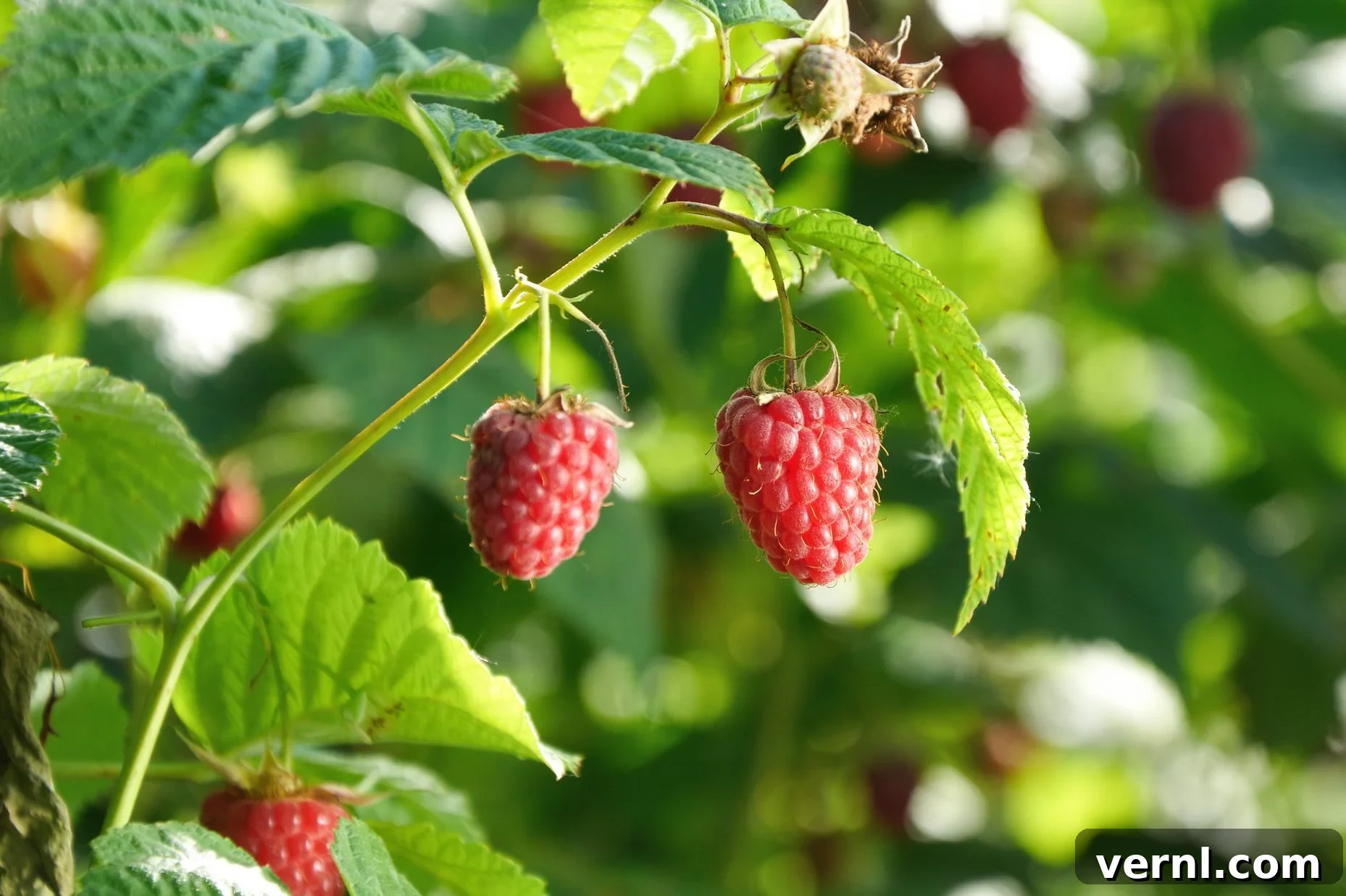
Have you ever dreamt of stepping into your garden and plucking fresh, succulent raspberries right from the cane? Whether you envision vibrant red raspberries or the less common, yet equally delicious, golden variety, the journey to a bountiful harvest might seem daunting at first. Many new gardeners are intimidated by pruning instructions, often perceived as complex and confusing. But as the old adage goes, “If it seems hard, you’re probably doing it wrong.” With a clear understanding of how these resilient plants grow and a few simple pruning techniques, you can confidently cultivate a thriving raspberry patch in your own backyard.
This comprehensive guide will demystify raspberry cultivation, from selecting the right variety and proper planting to essential care, effective pruning, and harvesting your sweet rewards. Get ready to transform your garden into a productive and beautiful source of these delightful berries, making complex gardening tasks a thing of the past.
Understanding Raspberry Varieties: Summer-Bearing vs. Everbearing
Raspberries are fascinating bramble-type plants, renowned for their delectable fruit and relatively straightforward care once you grasp their growth patterns. They are generally hardy in USDA Plant Hardiness Zones 3 to 9, though specific varieties might thrive better at the warmer or colder ends of this spectrum. Without proper management, these vigorous growers can quickly form dense thickets, making pruning an essential practice for both plant health and optimal fruit production.
Before you even begin planting, it’s crucial to understand the two primary types of raspberries, as their growth and fruiting habits dictate their pruning schedule. Within these two main categories, countless varieties offer diverse flavors, colors, and ripening times. When selecting plants, especially if you reside in extreme hardiness zones, prioritize varieties specifically bred for resilience in your local climate to ensure success.
Summer-Bearing Raspberries (Floricane Fruiting)
Summer-bearing raspberries, also known as floricane-fruiting raspberries, produce a single, generous crop of berries typically in mid-summer. The fruit develops exclusively on canes that are in their second year of growth. These two-year-old, slender, woody stems are referred to as ‘floricanes’.
Here’s how their life cycle works: In their first year, these plants send up new shoots from the ground, known as ‘primocanes’. These primocanes grow vigorously throughout the season but do not produce fruit. They overwinter, harden, and then, in their second year, transform into floricanes. It is on these floricanes that the flowers and subsequent berries will form during the summer. After fruiting, these floricanes will die back. A popular example of a hardy summer-bearing red raspberry is ‘Nova Red’, known for its excellent yield and disease resistance.
Everbearing Raspberries (Primocane-Fruiting)
Everbearing raspberries, also known as primocane-fruiting raspberries, offer a distinct advantage by producing two crops each season. This unique characteristic is what makes them ‘everbearing’.
- Summer Crop: The first crop appears in early to mid-summer on the two-year-old floricanes. These are canes that grew as primocanes the previous year, bore fruit in the fall, overwintered, and are now bearing a second crop on the lower parts of the cane.
- Fall Crop: The second, and often more substantial, crop is produced in early fall (late August to October, depending on climate) on the tips of the current year’s growth – the one-year-old canes, or ‘primocanes’. These are new shoots that emerged from the ground in the spring of the current year.
After the fall crop, the portion of the primocane that fruited will die back, but the lower part of the cane, which did not fruit, will overwinter and become a floricane, producing fruit the following summer. This dual fruiting habit provides an extended harvest period, offering fresh raspberries from summer through fall. ‘Carolina’ is an excellent everbearing red raspberry, while ‘Kiwi Gold’ is a highly regarded everbearing golden raspberry, celebrated for its unique color and sweet flavor.
How To Plant Raspberries for Success
Establishing your raspberry patch correctly from the start is paramount for long-term health and productivity. The good news is that both summer-bearing and everbearing raspberry varieties are planted using essentially the same methods, focusing on site preparation and proper spacing.
- Site Selection and Soil Preparation:
- Sunlight is Key: Choose a location that receives at least 6 to 8 hours of direct sunlight daily. Raspberries thrive in full sun, which is crucial for optimal fruit development and flavor. Less sun can lead to fewer berries and increase susceptibility to diseases.
- Well-Drained Soil: Raspberries prefer well-drained, fertile loamy soil. They absolutely detest ‘wet feet,’ meaning soggy conditions can quickly lead to root rot and plant death. If your soil is heavy clay, consider building raised beds or significantly amending it with organic matter to improve drainage.
- Soil Enrichment: Before planting, prepare your soil thoroughly. Dig the planting area to a depth of at least 12-18 inches and incorporate generous amounts of organic matter, such as well-rotted compost or aged manure. This improves soil structure, drainage, and fertility. You may also want to test your soil to determine its pH and nutrient levels. Raspberries generally prefer a slightly acidic to neutral pH (6.0-6.8). A soil test will indicate if you need to adjust the pH or add specific nutrients, as your raspberries will occupy this spot for many years.
- Weed-Free Zone: Ensure the planting area is completely free of weeds, especially perennial weeds, as they compete for nutrients and water and can be challenging to remove once raspberries are established.
- Planting Your Canes:
- Timing: Plant bare-root, dormant raspberries early in the spring as soon as the soil can be worked. If you’ve purchased container-grown plants, they can be planted anytime from spring through fall, though spring planting gives them the most time to establish before winter.
- Spacing: For row planting, space individual raspberry plants about 2 feet apart within the row. Create rows that are 18 to 24 inches wide, leaving ample space (at least 6-8 feet) between rows for walking, tending, and harvesting. This spacing ensures good air circulation, which is vital for disease prevention, and allows sufficient sunlight penetration to all parts of the plants.
- Planting Depth: Plant bare-root canes so that the crown (where the roots meet the stem) is at or slightly below the soil surface. For container-grown plants, plant them at the same depth they were growing in the container. Gently spread the roots outwards, backfill with soil, and water thoroughly to settle the soil around the roots.
- Providing Essential Support:
Raspberry canes, especially when laden with fruit, can become quite heavy and prone to falling over. A sturdy support system, or trellis, is crucial for keeping canes upright, improving air circulation, maximizing sun exposure, and making harvesting easier. One common and effective method is the T-trellis system:
- Posts: Install a strong metal or wooden post at each end of your raspberry row. These posts should be sturdy enough to withstand the weight of the canes and fruit, typically 6-8 feet tall with at least 1-2 feet buried in the ground for stability.
- Crossbars: Attach metal or wooden crossbars to each post. One crossbar should be approximately 2-1/2 feet from the ground, and a second one about 2-1/2 feet above the first (making the top crossbar roughly 5 feet from the ground). The length of these crossbars can vary, but typically 18-24 inches on each side of the post is sufficient.
- Support Wires/Ropes: Run a durable clothesline type rope or sturdy wire from the ends of each crossbar along the length of the row to the corresponding crossbar on the other end post. This creates a double-wire system on both sides of the row at two different heights. The raspberry canes will grow up between these ropes/wires, providing excellent support and keeping the fruiting canes contained and accessible. This method also encourages optimal light penetration and air circulation, reducing the risk of fungal diseases.
How to Grow and Care for Raspberries: Nurturing Your Patch
Once your raspberries are planted, consistent care is essential for healthy growth and abundant harvests. While they are relatively low-maintenance plants, paying attention to their basic needs will yield the best results.
Watering Practices
Proper watering is critical, especially during establishment and key growth phases. When raspberries are first planted, they require consistent moisture to develop a strong root system. If you’re not receiving about an inch of rain per week, supplement with deep watering. Aim to moisten the soil to a depth of 6-8 inches. Avoid frequent, shallow watering, which encourages shallow root growth and can make plants more susceptible to drought.
After the first year, established raspberry plants are quite drought-tolerant. You generally won’t need to water regularly unless you live in an arid region where irrigation is always necessary, or during extended periods of drought. However, during flowering and fruit development, ensure plants receive adequate moisture; water stress at these times can reduce yield and fruit size. A layer of organic mulch around the plants will help retain soil moisture, regulate soil temperature, and suppress weeds.
Weeding and Mulching
Maintaining a weed-free environment is vital for raspberry health. Weeds compete aggressively for water and nutrients, which can significantly stunt your raspberry plants’ growth and reduce fruit production. Regularly pull any weeds, being careful not to disturb the shallow root systems of the raspberry canes or break off new shoots. Hand-weeding is often preferred over hoeing to minimize damage. As mentioned, applying a 2-4 inch layer of organic mulch (such as straw, wood chips, or shredded leaves) around your raspberry plants is highly beneficial. Mulch suppresses weeds, conserves soil moisture, and gradually enriches the soil as it breaks down.
Fertilizing Your Raspberry Plants
Raspberries are generally hungry plants and benefit from regular feeding to support their vigorous growth and prolific fruiting. Fertilize your raspberries early in the spring, just as new growth begins to emerge. Avoid fertilizing too late in the season (after July 1st), as this can encourage tender new growth that is vulnerable to winter damage.
Use a balanced granular fertilizer, such as a 10-10-10 (equal parts nitrogen, phosphorus, and potassium), or an organic equivalent. Nitrogen promotes leafy growth, phosphorus aids in root development and flowering, and potassium contributes to overall plant vigor and fruit quality. Follow the application instructions on the fertilizer package carefully to avoid over-fertilization, which can burn roots or lead to excessive vegetative growth at the expense of fruit production. Spread the fertilizer evenly around the base of the plants, keeping it a few inches away from the canes, and then water it in thoroughly.
Insect and Disease Prevention: Keeping Canes Healthy
Maintaining healthy raspberry plants is your best defense against pests and diseases. Start with prevention:
- Certified Disease-Free Stock: Always purchase raspberry plants that are certified disease-free from reputable nurseries. This is the single most important step to prevent introducing diseases like viruses or fungal infections into your garden.
- Good Cultural Practices: Healthy, vigorous plants are inherently more resistant to pests and can often withstand minor insect damage without significant impact on fruit production.
- Pruning for Health: Regular and proper pruning plays a crucial role in disease prevention. Removing spindly, weak, or diseased canes improves air circulation within the plant, which reduces humidity and discourages fungal growth. Promptly pruning out canes that have finished fruiting is also essential, as these canes will die back and can become entry points for pathogens or harbor pests. Remember, a cane that has fruited will not produce more fruit; its purpose is served.
- Sanitation: Keep your raspberry patch clean. Remove any fallen leaves, berries, or plant debris, as these can harbor disease spores and overwintering pests.
- Pest Monitoring: Regularly inspect your plants for signs of pests like aphids, spider mites, or Japanese beetles. Early detection allows for targeted, often organic, interventions before infestations become severe. For example, a strong spray of water can dislodge aphids, and horticultural oils or insecticidal soaps can manage various soft-bodied insects.
How To Prune Raspberries: Mastering the Art
Pruning is often the most intimidating aspect of raspberry care for many gardeners, but it’s arguably the most critical for consistent fruit production and plant health. Raspberries are brambles that naturally send out ‘runners’ or ‘suckers’ from their root system, which can quickly lead to an unruly thicket. To keep your rows manageable and productive, consistently pull out any runners that emerge too far from the center of your designated row, ensuring you remove them root and all. They should pull out relatively easily when young and can then be cut or discarded. Beyond managing runners, the specific pruning techniques depend entirely on whether you are growing summer-bearing or everbearing varieties.
Pruning Summer-Bearing Raspberry Varieties (Floricane-Fruiting)
Summer-bearing raspberries produce fruit on floricanes (second-year canes). Their pruning cycle is straightforward:
- First Year: When you first plant summer-bearing raspberries, do not prune them. Allow all new canes (primocanes) to grow freely to establish a strong root system.
- Second Year and Subsequent Years:
- After Harvest Pruning: Once the summer harvest is complete (typically in mid-to-late summer), immediately identify and cut back all the canes that produced berries (floricanes) down to the ground. These canes are now spent and will not produce fruit again. Use sharp hand pruners or loppers for clean cuts. Removing them promptly allows the plant to direct its energy into developing strong new primocanes for the following year’s crop and improves air circulation.
- Thinning in Spring: Each spring, as new primocanes emerge, thin out the smaller, weaker, or spindly canes. Aim to leave 8-12 of the strongest, most vigorous new primocanes per linear foot of row. This prevents overcrowding, ensures good light penetration, and allows remaining canes to become robust, leading to larger, healthier berries.
Pruning Everbearing Raspberry Varieties (Primocane-Fruiting)
Everbearing raspberries offer two distinct pruning approaches, depending on whether you want one large fall crop or two smaller crops (summer and fall).
Option 1: For a Single, Large Fall Crop (Simplified Pruning)
This is the simplest method and often yields a heavier, more concentrated fall harvest. Many gardeners prefer this for its ease and productivity.
- First Year: Similar to summer-bearing types, do not prune everbearing raspberries in their first year. Allow all canes to grow and produce their first fall crop.
- Second Year and Subsequent Years (Late Winter/Early Spring): In late winter or very early spring, before new growth begins, simply cut ALL raspberry canes down to the ground. This means you are sacrificing the potential early summer crop to maximize the fall crop. New primocanes will emerge in spring, grow throughout the summer, and then produce fruit on their tips in the fall. This method eliminates the need to distinguish between primocanes and floricanes and greatly simplifies pruning.
Option 2: For Two Crops (Summer and Fall)
This method allows you to enjoy both a summer and a fall harvest, though each individual crop might be slightly smaller than a single-crop system.
- First Year: Do not prune in the first year. Allow canes to establish and produce their initial fall crop on the primocane tips.
- Second Year and Subsequent Years:
- After Summer Harvest (June/July): After you’ve picked the summer berries from the floricanes (the canes that overwintered and fruited low down), cut these spent floricanes down to the ground. These canes have completed their life cycle.
- After Fall Harvest (Late Fall/Early Winter): The canes that produced fruit on their tips in September (primocanes) will still have un-fruited portions lower down. In late fall or early winter, after the fall harvest, prune only the very tips of these primocanes that have already fruited. The remaining lower portion of these canes will overwinter and become floricanes for the following summer’s crop.
- Spring Thinning: Every spring, just as growth begins, inspect your patch. Thin out smaller, weaker, or spindly canes to prevent overcrowding. Aim for 8-12 strong canes per linear foot of row. Additionally, identify the canes that fruited on their lower portions the previous fall (these are now floricanes) and cut them back by about half their height. This encourages bushier growth and better fruit production for the upcoming summer crop.
Regardless of the type or method, always use clean, sharp pruning tools to make precise cuts and minimize stress on the plants. Regular pruning not only ensures a healthier, more productive raspberry patch but also keeps it tidy and manageable.
How To Harvest Raspberries and Enjoy the Bounty
The moment of truth arrives when your raspberry canes are laden with ripe, juicy berries! Harvesting raspberries is a delightful experience, and knowing when and how to pick them ensures the best flavor and quality.
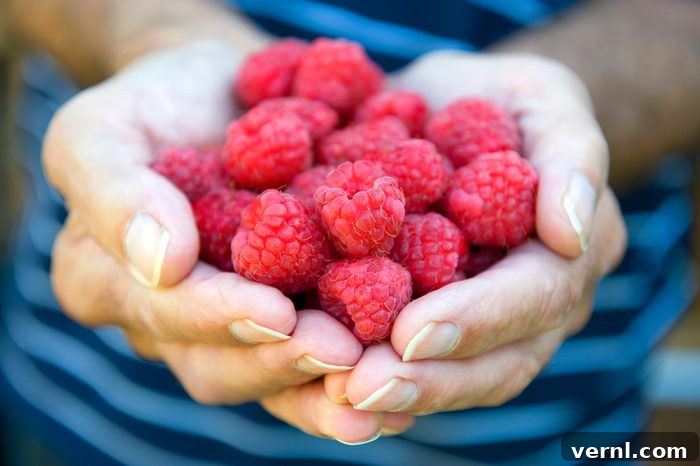
- Signs of Ripeness: Raspberries are ready to pick when their color is fully developed (bright red for red varieties, golden for yellow varieties, or deep purple for black raspberries) and, most importantly, when they easily slip off the stem with a gentle tug. If you have to pull hard, the berry is not quite ripe and will lack its full sweetness and flavor. Ripe berries will feel plump and soft but not mushy.
- When to Pick: The best time to pick raspberries is on a dry morning, after the dew has evaporated but before the heat of the day fully sets in. This helps the berries maintain their firmness and extends their shelf life.
- Gentle Handling: Raspberries are delicate. Pick them gently, holding the stem with one hand and lightly cupping the berry with the other. Avoid squeezing or bruising them. Place them directly into shallow containers to prevent crushing.
- Regular Harvesting: During peak season, you may need to harvest every day or every other day, as berries ripen quickly. Frequent picking encourages the plant to produce more fruit.
- Fresh Enjoyment: Once harvested, wash your raspberries gently under cool water right before consumption. They are exquisite eaten fresh, tossed into salads, layered in parfaits, or as a topping for yogurt and desserts.
- Storage: Fresh raspberries have a relatively short shelf life. Store them unwashed in a single layer (if possible) in a shallow container in the refrigerator for a few days. Avoid packing them too tightly, as this can encourage mold growth.
- Preserving the Harvest: If your raspberry patch yields a generous bounty, consider preserving them to enjoy throughout the year:
- Freezing: For longer storage, spread clean, dry raspberries in a single layer on a baking sheet and freeze until solid. Once frozen, transfer them to freezer-safe bags or containers. This method prevents them from clumping together, allowing you to easily portion them out later for smoothies, baking, or sauces.
- Jam and Jelly: Raspberries make exceptional jams, jellies, and preserves. Their natural pectin content often makes them ideal for these delicious culinary creations.
- Other Uses: Incorporate them into pies, tarts, sauces, or even homemade raspberry vinegar.
Growing your own raspberries offers immense satisfaction and a continuous supply of healthy, flavorful fruit. By understanding their needs and implementing these simple care and pruning techniques, you’ll soon be enjoying a rewarding harvest, proving that cultivating these delightful berries is far from difficult.