

Decoding Your Car’s Noises: A Comprehensive Guide to What Those Strange Sounds Mean
Every seasoned driver knows that their car communicates in more ways than just dashboard lights. Oftentimes, the most telling signs of a brewing problem come in the form of unusual sounds – a rattling, grinding, hissing, or a sudden squeal. These auditory clues are your vehicle’s way of signaling that something might be amiss, ranging from a minor adjustment to a serious mechanical failure.
“Any kind of a different noise your car starts making, it doesn’t mean there’s a problem, but it doesn’t mean it’s OK either,” advises Tom Piippo, mechanical division director for the Automotive Service Association and owner of Tri-County Motors in Rudyard, Michigan. Ignoring these sounds can lead to escalated repair costs, decreased performance, and even safety hazards. This comprehensive guide will help you understand common car noises, their potential causes, and when it’s crucial to seek professional attention.
The Importance of Listening to Your Car
Your vehicle is a complex machine with hundreds of moving parts, and each component operates within a specific tolerance. When something deviates from its normal operation, it often produces an audible change. Becoming attuned to your car’s regular sounds allows you to quickly identify anything out of the ordinary. Early detection of a problem can save you from more extensive and expensive repairs down the line, ensuring your car remains reliable and safe on the road.
Let’s dive into some of the most frequently reported car noises and what they might indicate:
Squeaking: Often a Warning from Your Brakes
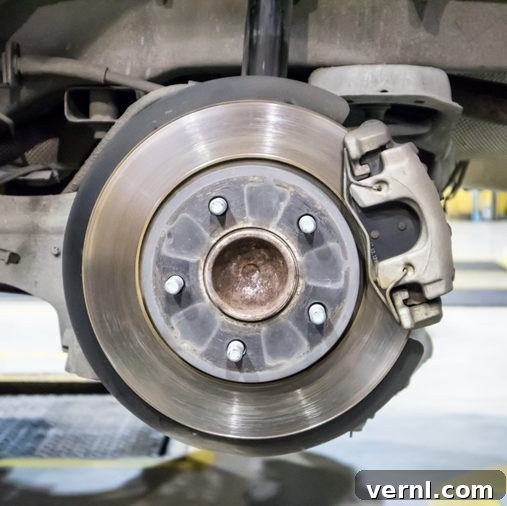
A high-pitched squeaking sound, especially when you apply the brakes, is one of the most common and clear warnings your car provides. This sound typically indicates that your brake pads are wearing thin. Many modern brake pads come equipped with a small metal tab designed to rub against the rotor when the pad material reaches a critical thickness, producing that characteristic squeak.
John Burkhauser, an auto repair specialist and director of educational programs for Bolt On Technology, explains, “Brakes wear out over time. The first sound you’re going to hear that indicates that is squeaking, then eventually a grinding sound. Then that’s going to turn into a heavy rumble. That’s one of the things you don’t want to play with because brakes are safety.”
Beyond Brakes: Other Squeaking Sources
- Brake Rotor Issues: If the squeaking is accompanied by a pulsation or vibration, your rotors might be warped or unevenly worn, requiring replacement or resurfacing.
- Suspension Bushings: Squeaking over bumps or when turning can point to worn or dry rubber bushings in your suspension system, such as those in control arms or sway bars.
- Loose Belts: While often a squeal, a loose or worn serpentine belt can sometimes produce a high-pitched squeak, especially upon cold start or acceleration.
Action: If you hear brake squealing, have your brakes inspected by a professional immediately. Ignoring it can lead to metal-on-metal grinding, damaging rotors, calipers, and significantly compromising your vehicle’s stopping power and overall safety.
Ticking and Tapping: Engine Oil Levels and Beyond
A persistent ticking or tapping sound emanating from under the hood, particularly from the engine, is a significant indicator that your vehicle’s most vital component might be in distress. While suggested oil change intervals have extended over the years, neglecting regular oil checks and changes can lead to severe consequences. Engine oil is the lifeblood of your vehicle, lubricating moving parts, reducing friction, and dissipating heat.
Burkhauser stresses the importance of oil: “A rambling sound out of the engine is usually one of the indicators that hey, I’m running out of oil. And of course, that’s the heart of the vehicle. The engine will go bad really fast without oil.”
Common Causes of Ticking/Tapping:
- Low Engine Oil: Insufficient oil can prevent hydraulic valve lifters from functioning correctly, causing them to “tap” as they struggle to maintain proper valve clearance. This is the most common reason for a ticking engine.
- Worn Valve Train Components: Beyond low oil, worn lifters, rocker arms, or camshaft lobes can also create a ticking noise.
- Exhaust Leaks: A small leak in the exhaust manifold can sometimes produce a ticking sound, particularly when the engine is cold, which might lessen as the engine warms up and the metal expands.
- Fuel Injectors: The normal operation of fuel injectors can sometimes create a light ticking sound, which is usually benign. However, if it becomes noticeably louder or more irregular, it could indicate an issue.
Action: Check your engine oil level immediately. If it’s low, top it off and monitor for leaks. If the sound persists, or if the oil level is normal, a professional diagnosis is crucial to prevent catastrophic engine damage. In addition to unusual sounds, mechanics also find plenty of strange things in cars.
Rattling: Loose Components and Exhaust Issues
Rattling is a somewhat ambiguous sound that can originate from various parts of your car, indicating anything from a minor inconvenience to a significant problem. The location and conditions under which you hear the rattle can help pinpoint its source.
For drivers with front-wheel drive vehicles, a rattling noise during hard turns or acceleration often points to issues with the constant velocity (CV) joints. These joints allow your tires to turn and move smoothly. “Water can get into the joints that allow your tires to turn, causing them to rot. It’s pretty obvious,” Burkhauser notes. “I hear a lot of cars drive by me, and I immediately know what it is.”
Other Sources of Rattling:
- Loose Heat Shields: As Piippo points out, “Exhaust pipes (which can cause car backfire) protected by heat shields that sometimes come loose and rattle.” These metal shields protect undercarriage components from the hot exhaust system.
- Exhaust System Components: A loose or damaged muffler, catalytic converter, or exhaust pipe hanger can cause rattling, especially over bumps or when accelerating.
- Suspension Components: Worn sway bar links, bushings, or loose mounting hardware in the suspension can create a rattling noise as the car moves.
- Loose Interior/Exterior Trim: Sometimes, the rattle might be as simple as a loose plastic panel in the dashboard, a misplaced item in the glove compartment, or a loose piece of trim on the exterior.
Action: Identify when and where the rattle occurs. If it’s related to turns or acceleration, especially in a front-wheel-drive car, get the CV joints checked. If it’s under the car, inspect the exhaust system and heat shields. Any persistent rattling should be investigated to prevent more significant damage.
Booms, Clunks, and Thuds: Suspension Troubles
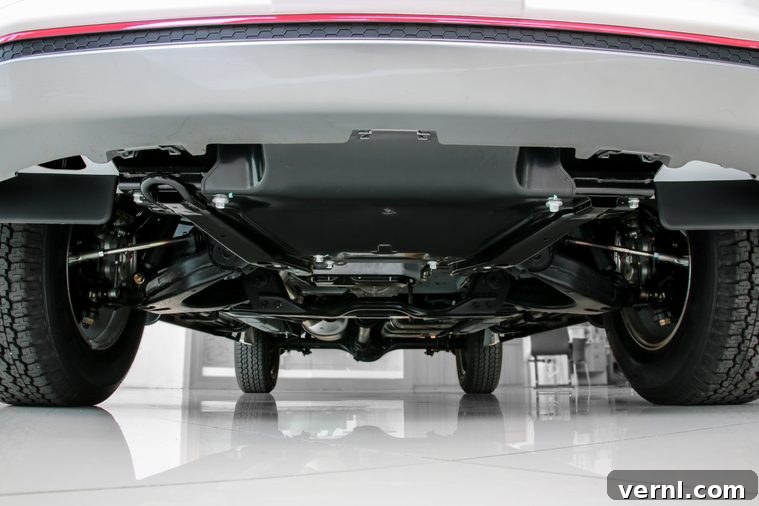
If you start hearing a deep “boom boom boom” or a solid “clunk” sound, especially when driving over bumps, potholes, or uneven surfaces, it’s usually a strong indicator of a problem within your vehicle’s suspension system. The suspension system is crucial for a comfortable ride, stable handling, and overall safety.
Burkhauser emphasizes the urgency: “Again, that’s something you want to get addressed because the struts and shocks help give you control while you’re driving the vehicle.” These components absorb impacts and maintain tire contact with the road. A sudden loud boom could even signify something has physically broken in your car, such as a ball joint or a major suspension component, which could lead to a loss of control.
Potential Causes of Booms/Clunks:
- Worn Shocks or Struts: These components dampen spring oscillation. When they fail, the vehicle’s body can “bottom out” over bumps, creating a booming sound.
- Damaged Ball Joints: Ball joints connect the control arms to the steering knuckles, allowing the wheel to move. A failing ball joint can cause a loud clunk, especially when turning or going over bumps, and is a significant safety concern.
- Worn Control Arm Bushings: Rubber bushings isolate metal components. When they wear out, metal-on-metal contact occurs, leading to clunking.
- Loose Suspension Mounting Hardware: Over time, bolts and nuts holding suspension components can loosen, resulting in noise and improper alignment.
- Sway Bar Links/Bushings: These components help reduce body roll. Worn links or bushings can cause clunking when turning or driving over uneven surfaces.
Action: Any booming or clunking from the suspension should be investigated immediately. Problems with suspension components can severely impair handling, braking stability, and steering control, creating dangerous driving conditions.
Whining: A Red Flag for Your Transmission
While some subtle transmission noises can be normal, a distinct whining sound, especially one that changes with acceleration or gear shifts, is generally a cause for concern. The transmission is one of the most complex and expensive components to repair or replace in a vehicle.
Burkhauser advises, “When you put it in gear, you shouldn’t get any clunks or a hard bang when it happens. And when you’re driving the vehicle, you shouldn’t hear any whining. Any of those things are signs that something is wrong with the transmission.”
Causes of Whining:
- Low Transmission Fluid: Insufficient or degraded transmission fluid can lead to increased friction and wear, producing a whining sound.
- Worn Gears or Bearings: Internal transmission components, such as gears or bearings, can wear down over time, resulting in a whining or howling noise. This often indicates significant internal damage.
- Torque Converter Issues: Problems with the torque converter, which transfers power from the engine to the transmission, can also manifest as a whining sound.
- Power Steering Pump: While not transmission-related, a failing power steering pump can also produce a whining or groaning sound, especially when turning the steering wheel.
- Differential/Transfer Case: In all-wheel or four-wheel drive vehicles, a whining can also come from the differential or transfer case if fluid levels are low or components are worn.
Action: Check your transmission fluid level and condition (refer to your owner’s manual for proper checking procedures, as some modern transmissions are sealed). If the fluid is low, top it off. If the fluid appears dark, burnt, or has metal shavings, or if the whining persists, seek professional transmission diagnostics immediately. This could prevent a complete transmission failure, which is often one of the most expensive car repairs. There are ways, however, that you could be wasting money on your car if you don’t address these issues proactively.
Unusual Tire Noise: Beyond Just a Flat
Drivers often become accustomed to the normal sounds their cars make, including the familiar hum of their tires on the road. This familiarity can sometimes make it difficult to notice gradual changes. However, unusual noises coming from your tires or wheels can signal important issues related to alignment, suspension, or tire wear itself.
Burkhauser suggests, “It’s a good idea to occasionally take a passenger who doesn’t often travel in your car for a ride to see if they notice any unusual noises you may have become accustomed to.” A fresh pair of ears can often catch what you’ve started to filter out.
Sources of Tire/Wheel Noise:
- Uneven Tire Wear: Cupping, feathering, or scalloping on tires can produce a rhythmic hum or rumble that changes with speed. This is often caused by misalignment or worn suspension components.
- Wheel Bearing Failure: A bad wheel bearing typically produces a growling or humming noise that gets louder with speed and may change when turning. This is a critical issue as a completely failed bearing can cause a wheel to seize or even detach.
- Alignment Issues: Misaligned wheels can cause tires to scrub against the road, leading to a distinct noise and accelerated, uneven wear.
- Tire Pressure: While not a direct noise cause, improper tire pressure can exacerbate wear patterns and subtly affect road noise.
Action: Inspect your tires for unusual wear patterns. If you suspect a wheel bearing issue, have it checked promptly. Regular tire rotations and alignment checks are essential preventative measures.
Hissing: Leaks Under the Hood
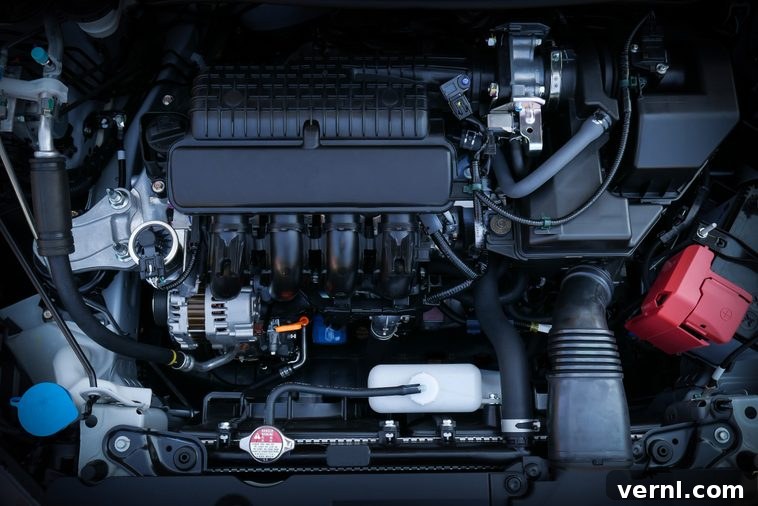
A distinct hissing sound, often high-pitched and coming from the engine bay, is usually indicative of a leak. The type of leak can vary, but any unexpected hiss warrants immediate attention to prevent engine overheating, performance issues, or fluid loss.
Burkhauser explains that “a high-pitched squeak or a hissing noise can reveal that there’s a problem with the hoses around the engine.” Piippo adds that it “could be either a hose off or a vacuum leak or an air leak… or it could be something with the belt system again.”
Common Sources of Hissing:
- Vacuum Leaks: The vacuum system is crucial for various engine functions. A leak in a vacuum hose or component can cause a noticeable hiss, leading to rough idling, poor fuel economy, and dashboard warning lights.
- Coolant Leaks: Hissing, especially when the engine is hot, can indicate a coolant leak from a hose, radiator, or reservoir. This often comes with the smell of sweet antifreeze and possibly steam.
- Air Conditioning Refrigerant Leaks: If your AC system is losing its cooling ability and you hear a hiss, it might be a leak of refrigerant, often from a hose, O-ring, or the compressor.
- Exhaust Leaks: A small crack in the exhaust manifold or a loose connection can sometimes produce a hissing sound, particularly under acceleration.
Action: Safely pull over and inspect under the hood (only when the engine is cool enough to touch safely). Look for disconnected hoses, drips of fluid, or visible steam. Any coolant leak should be addressed immediately to prevent overheating. Vacuum leaks can impact engine performance and emissions, so a prompt diagnosis is recommended. That said, there are some things your mechanic might not tell you, so being informed helps.
Grinding: Metal-on-Metal Distress
The sound of grinding is perhaps one of the most alarming noises a car can make. If you hear grinding, it almost invariably means that metal is rubbing up against metal somewhere, causing friction, wear, and potentially irreversible damage. This sound demands immediate attention.
Where Grinding Occurs and What It Means:
- Brakes: As mentioned with squeaking, if you ignore the early warning signs of worn brake pads, the friction material will completely disappear, leading to the metal backing plate grinding directly against the brake rotor. This is extremely dangerous and causes significant damage to the rotors.
- Under the Hood (Engine Bay):
- Water Pump: A failing water pump bearing can grind, indicating it’s about to seize or has already begun to.
- Alternator: Worn bearings within the alternator can also produce a grinding noise.
- Drive Belt Pulleys: Any of the pulleys (alternator, power steering pump, AC compressor, idler pulley) associated with the serpentine belt can have failing bearings that grind.
- Transmission: Grinding sounds when shifting gears, particularly in a manual transmission, indicate worn clutch components or transmission synchronizers. In an automatic, it points to severe internal damage.
- Wheels: Similar to a bad wheel bearing, if a wheel bearing completely fails, it can produce a severe grinding noise from the wheel area.
Action: If you hear grinding, especially from the brakes, stop driving immediately and have your vehicle towed to a repair shop. Any grinding under the hood also requires prompt professional diagnosis to prevent further, more costly damage or complete component failure.
Squealing: The Belt System’s Cry for Help
A loud, high-pitched squealing sound, particularly noticeable during acceleration or when starting the car, is most often related to your vehicle’s belt system. Modern cars typically have a single serpentine belt that drives multiple accessories.
Piippo warns, “These cars only have one belt, and if that belt breaks, you’re stranded.” The serpentine belt powers crucial components like the alternator (for charging the battery), the power steering pump, the air conditioning compressor, and the water pump (for engine cooling). A failing belt can lead to a quick cascade of problems.
Causes of Squealing:
- Worn or Loose Serpentine Belt: Over time, the rubber belt can stretch, crack, or become glazed, losing its grip on the pulleys. This slippage causes the squealing.
- Contaminated Belt: Oil, coolant, or other fluids on the belt can reduce friction and cause it to squeal.
- Failing Pulleys/Bearings: One of the accessories driven by the belt (alternator, power steering pump, AC compressor, idler pulley, tensioner pulley) may have a worn-out bearing that causes the belt to slip or squeal.
Action: Have the serpentine belt and its associated pulleys inspected by a mechanic. A loose or worn belt can be adjusted or replaced relatively easily and inexpensively, preventing a roadside breakdown and damage to other components. Want to prevent yourself from spending a lot on getting your car fixed? Check out these car brands that cost the least to repair.
Knocking: A Serious Engine Concern
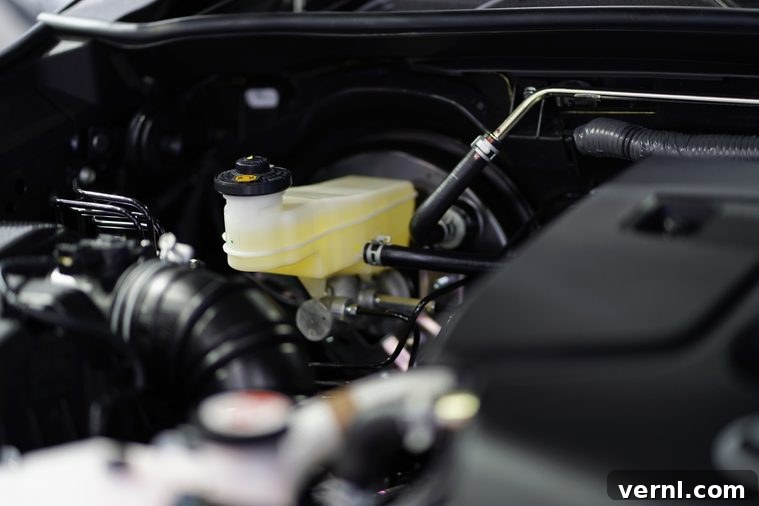
A deep, rhythmic knocking sound from the engine is perhaps the most dreaded noise for any car owner. Unlike a light tick, a heavy knock signifies serious internal engine trouble and should never be ignored. This sound indicates metal-on-metal contact within the engine’s core components.
Serious Causes of Engine Knocking:
- Low Engine Fluids: While less common for a heavy knock, extremely low oil levels can lead to severe engine damage, including bearing wear that results in knocking.
- Rod Bearing Failure: This is a very common cause of a deep engine knock. The rod bearings cushion the connection between the crankshaft and connecting rods. When they wear out, the rod has excessive play, hitting the crankshaft. This often sounds like a hammer hitting the engine block.
- Main Bearing Failure: Similar to rod bearings, main bearings support the crankshaft. Their failure also leads to a deep knocking sound.
- Piston Slap: In some engines, particularly when cold, worn pistons can “slap” against the cylinder walls. While less immediately critical than bearing failure, it indicates significant wear.
- Pre-ignition/Detonation: This is when fuel ignites prematurely in the combustion chamber. It can be caused by using incorrect octane fuel, excessive carbon buildup, or faulty engine sensors, leading to a “pinging” or knocking sound. Severe detonation can damage pistons and valves.
Action: If you hear a heavy knocking sound from your engine, cease driving immediately. Continuing to drive with a severe engine knock can lead to complete engine failure, often necessitating a costly engine replacement. Have the car towed to a trusted mechanic for an immediate and thorough diagnosis.
General Tips for Addressing Car Noises
- Don’t Ignore It: Even a minor, intermittent noise can be the precursor to a major problem.
- Note the Details: When does the noise occur? (e.g., accelerating, braking, turning, over bumps, at a specific speed, when cold/hot). Where does it seem to come from? What does it sound like? (e.g., metallic, muffled, rhythmic). These details are invaluable for your mechanic.
- Regular Maintenance: Preventative maintenance, including oil changes, fluid checks, and routine inspections, can often catch potential issues before they become audible. As Piippo says, “With regular maintenance, you’ll get the small problems before they get big.”
- Consult a Professional: While this guide helps you understand potential causes, accurately diagnosing car noises often requires specialized tools and expertise. When in doubt, always seek professional help.
Conclusion: Your Car’s Health in Your Hands
Your car is an investment and a crucial part of your daily life. Learning to interpret its unique language, especially its various noises, empowers you to take proactive steps to maintain its health and ensure your safety. From the tell-tale squeak of worn brake pads to the ominous knock of an ailing engine, each sound carries a message.
By being attentive and acting promptly, you can often prevent minor issues from escalating into major, expensive repairs. Don’t let your car’s whispers turn into shouts; listen, learn, and if necessary, consult an expert. Staying vigilant with your vehicle’s auditory cues is a key component of responsible car ownership.
Next, check out 100 car maintenance tasks you can do on your own.