
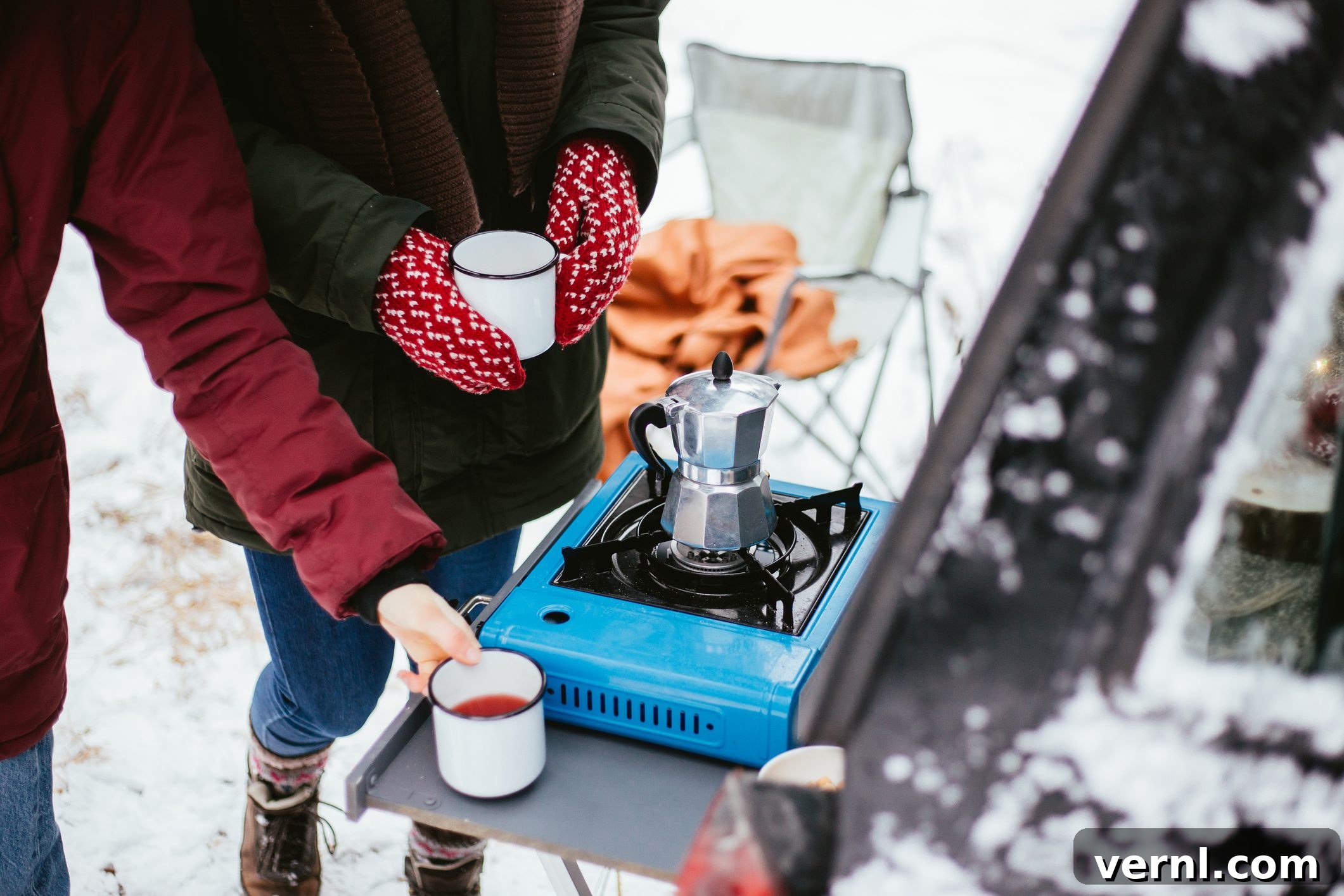
The Ultimate Guide to Portable Stoves: Your Essential Companion for Outdoor and Emergency Cooking
In an increasingly mobile world, the traditional kitchen range often takes a backseat to more adaptable cooking solutions. Over recent years, I’ve found myself relying on portable stoves far more than my conventional kitchen setup. From navigating extensive home renovations that left us without basic utilities to embracing a nomadic lifestyle in a camper van or making do in a studio apartment without a dedicated kitchen, portable stoves have become an indispensable part of my daily life.
My journey with these versatile appliances spans far beyond personal convenience. I’ve utilized them in hurricane recovery zones to boil water for sanitation, on backpacking expeditions where every ounce counts, and in various unconventional housing scenarios. This extensive experience has fostered a deep appreciation and dependence on all kinds of portable stoves. However, their suitability varies greatly from person to person. This comprehensive guide will help you determine if a portable stove is the right addition to your toolkit and, if so, which type best fits your lifestyle.
What Exactly Is a Portable Stove?
A portable stove is essentially any cooking appliance designed for easy transportation and compact storage. Unlike stationary kitchen ranges, these devices are built to be light, durable, and self-contained, often running on either propane, butane, or electricity. Their flexibility makes them invaluable for a wide array of situations where a conventional kitchen isn’t available or practical. They empower you to prepare hot meals, boil water, and enjoy culinary freedom wherever your adventures take you.
Portable stoves excel in numerous applications, making them a fantastic investment for anyone seeking culinary independence:
- Outdoor Adventures: Perfect for picnicking, extended camping trips, and backpacking, providing hot meals in remote locations.
- Work Sites: A convenient way for construction workers or tradespeople to enjoy a warm lunch on the job.
- Supplemental Cooking: Ideal for holiday gatherings or large parties when your main kitchen range needs extra cooking surfaces.
- Boating and RVing: Essential for preparing meals on the go, offering flexibility whether docked or on the road.
- Tailgating Events: Elevate your game day experience with hot food cooked right at the stadium parking lot.
- Catering and Buffets: Keep food warm or cook on-site for professional events, adding a touch of live cooking.
- Road Trips: Enables cooking at hotels or rest stops, saving money and offering healthier meal options away from home.
- Home Canning: Provides an additional burner for large canning projects, keeping the heat out of your main kitchen.
- Home Brewing: A dedicated heat source for brewing beer or other beverages, offering precise temperature control.
- Emergency Backup: A crucial resource for cooking and boiling water when the power grid fails.
- Disaster Relief: Vital for humanitarian efforts, especially for sterilizing water to make it potable in emergency zones.
Exploring the Diverse Types of Portable Stoves
The choice between a gas-burning and an electric portable stove largely depends on your specific use case, access to power, and ventilation. Both categories offer distinct advantages and considerations. While some gas burners are rated for indoor use, they generally require good ventilation to maintain air quality. In environments without electrical access, gas stoves are undeniably the most practical and efficient choice.
Gas Portable Stoves: Power and Portability for the Outdoors
Gas-powered portable stoves are renowned for their robust performance and independence from electrical outlets, making them a staple for outdoor enthusiasts and emergency preparedness. They typically run on easily obtainable fuel canisters or larger propane tanks.
- Classic Camping Stoves: These are the quintessential outdoor cooking companions. Most commonly featuring two burners, they often come equipped with integrated windscreens that fold up and tuck away under a protective lid. They primarily operate on small, disposable green propane canisters, but many models can be easily adapted with an adapter hose to connect to larger, more economical barbecue-grill-sized propane tanks, offering extended cooking times without frequent fuel changes.
- Fixed-Base Single-Burner Stoves: Designed for stability and versatility, these stoves feature a square or round base that sits securely on any flat surface, like a picnic table. They typically use propane or butane as fuel. Lacking integrated sides or windscreens, they can comfortably accommodate larger pots and pans, making them suitable for more substantial cooking tasks, though their performance can be affected on very windy days.
- Canister-Base Single-Burner Stoves: Characterized by their lightweight and ultra-compact design, these stoves feature the cooking surface resting directly atop the fuel canister. This configuration makes them incredibly popular for backpacking, ultralight camping, and emergency kits due to their minimal footprint. However, their inherent design makes them less stable, particularly when supporting larger or heavier pots, requiring careful placement and use.
- Portable Grills: While not traditional stoves in the sense of boiling or simmering, portable grills, especially those designed for boats and RVs, are excellent for certain types of outdoor cooking. Running on propane, they excel at grilling meats and vegetables, offering that distinctive smoky flavor. However, they are generally not suitable for tasks requiring precise temperature control, like simmering, or for boiling large quantities of water. You’ll also need heat-resistant cookware appropriate for grilling.
- Specialty Propane Stoves: Innovation in portable cooking has led to a variety of specialized appliances. Examples include Solo Stove’s Pi propane or wood-fired pizza oven, designed for gourmet outdoor pizza; robust tabletop outdoor griddles from brands like Blackstone, perfect for large breakfast spreads; and powerful large freestanding burners by companies like FireDisc, ideal for deep frying or cooking large batches of food.
- Stoves Using Specialty Fuels: While propane is the most common fuel, some portable burners utilize other combustible liquids or gases such as alcohol, kerosene, isobutane, or pure butane. Each fuel type has its own advantages, including better performance in cold weather (isobutane), lower cost (alcohol), or higher energy density (kerosene), catering to specific user needs and environmental conditions.
Electric Portable Stoves: Convenience and Control Indoors
Electric portable stoves offer a clean, flameless cooking experience, making them ideal for indoor use, small apartments, dorms, and situations where gas flames are restricted or undesirable. They require access to an electrical outlet but often provide superior temperature control and safety features.
- Conventional Coil Burners: Often the most budget-friendly electric option, these traditional coil burners operate much like a standard electric stovetop element. While affordable, they generally have lower weight capacity, are less energy-efficient, and can be challenging to clean due to their exposed coil design. Temperature control can also be less precise compared to other electric types.
- Portable Hot Plates: Mechanically similar to conventional coil burners, hot plates distinguish themselves with a smooth, flat cooking surface, often made of ceramic or cast iron. This design not only gives them a sleek, modern appearance but also makes them significantly easier to clean than exposed coils. They offer a good balance of affordability and convenience for everyday tasks.
- Induction Burners: These cutting-edge appliances generate heat through magnetic induction, directly heating the ferromagnetic pot or pan rather than the burner surface itself. This results in exceptional energy efficiency, incredibly precise temperature control, and astonishingly fast boil times. With a smooth, cool-to-the-touch surface, they are also safer and release less ambient heat into the room. A key consideration is that induction burners only work with cookware that has a ferrous (iron-containing) base.
- Infrared Burners: Utilizing infrared technology, these burners heat up quickly and radiate heat directly to the cookware. While generally not as energy-efficient as induction, they have the significant advantage of working with virtually any type of pot or pan. Like hot plates and induction units, their smooth glass-ceramic tops make them very easy to wipe clean, offering a convenient and versatile electric cooking solution.
Key Features to Consider When Shopping for a Portable Stove
Choosing the perfect portable stove involves weighing several factors beyond just gas versus electric. A thoughtful evaluation of these features will ensure your chosen appliance aligns perfectly with your cooking habits and environmental needs.
- Price: Consider not just the initial purchase price, but also the long-term cost of fuel or electricity, as well as potential replacement parts. A higher-priced model might offer greater efficiency, superior durability, and better cooking performance (especially for gas stoves that can simmer more effectively), ultimately saving you money and frustration in the long run if you plan on frequent use.
- Portability: Evaluate the stove’s weight, dimensions, and overall compactness against how often and how far you intend to carry it. Some models are designed for ultralight backpacking, while others prioritize burner space and stability for car camping or home use. Look for integrated handles or carrying cases for added convenience.
- Burner Size and Configuration: Ideally, the burner should closely match the diameter of your most frequently used pots and pans for optimal heat distribution and efficiency. Many electric models feature dual elements, allowing you to efficiently heat different-sized cookware. For double-burner gas stoves, assess whether you can comfortably fit two large pots side-by-side, which is crucial for preparing larger meals.
- BTUs (British Thermal Units) for Gas Stoves: BTU ratings on gas stoves typically range from approximately 7,000 to 20,000 per burner. Higher BTUs translate to faster heating and more intense flames. If you frequently boil large pots of water for pasta or need to rapidly sear food, opt for a model at the higher end of this range. For lighter tasks like frying a few eggs, a lower BTU unit will suffice.
- Wattage for Electric Stoves: Electric units generally range from 1,500 to 2,500 watts, depending on burner size and quality. Insufficient wattage can lead to frustratingly slow cooking times, particularly for boiling water or heating large quantities of food. While higher wattage means faster cooking, also consider your power source; some situations with limited power (e.g., certain RV hookups, older circuits) might necessitate a lower wattage unit to avoid tripping breakers. Always ensure the unit is compatible with a standard 120-volt outlet.
- Safety Features: Prioritize safety, especially with portable devices. Look for features such as automatic shut-off mechanisms in case the stove is knocked over or accidentally left on. For gas stoves, over-pressure protection and flame failure devices are critical. With electric burners, ensure that heat does not transfer excessively to the body or control knobs, a common issue with cheaper models.
- Wind Protection: When cooking outdoors with gas stoves, wind can severely impact efficiency and cooking time. Built-in windscreens or side panels are invaluable for shielding the flame, ensuring consistent heat and reducing fuel consumption. Be aware that wraparound windscreens might limit the size of pots and pans you can use.
- Type and Availability of Fuel: For gas burners, consider the widespread availability and cost of the specific fuel type it uses. Propane is generally easy to find, whereas specialized fuels like isobutane might be harder to source in all locations. If your stove uses disposable propane canisters, ideally look for models that offer an adapter to connect to larger, more cost-effective 5- or 20-pound refillable tanks, which helps reduce waste and ensures longer cooking durations.
- Ease of Cleaning: Smooth, sealed surfaces (common on electric hot plates, induction, and infrared burners) are typically much easier to wipe clean than exposed gas grates or conventional electric coils. For gas stoves, removable grates and drip trays simplify cleanup.
- Durability and Build Quality: A portable stove is an investment, especially if you plan to use it frequently or in rugged environments. Look for sturdy construction, quality materials, and reputable brands known for their reliability.
- Ignition Type (for Gas Stoves): Many modern gas stoves feature a push-button piezo ignition, eliminating the need for matches or a lighter. This is a significant convenience and safety feature, especially in windy or wet conditions.
Our Top Picks for Portable Stoves
Dual-Burner Propane Stove: The Reliable Workhorse
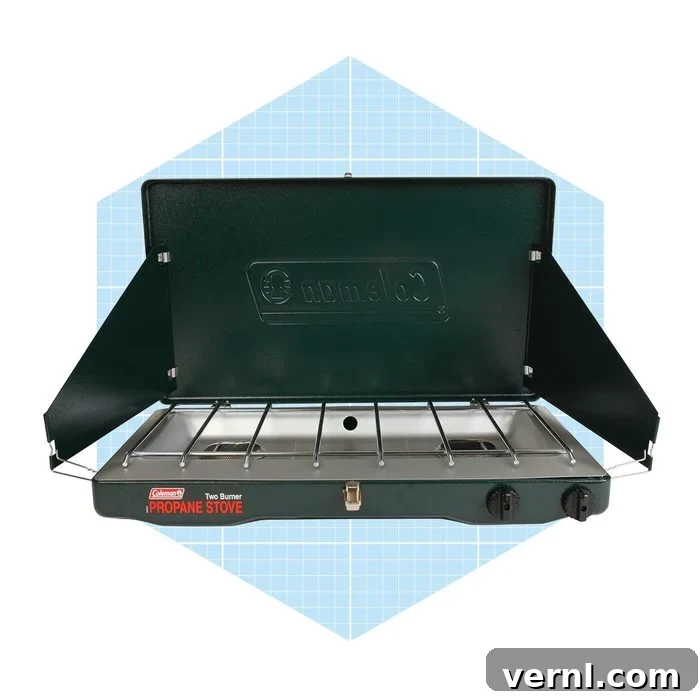
For decades, Coleman has been synonymous with dependable outdoor cooking. Their Classic Propane Gas Camping Stove remains an unparalleled choice, striking the perfect balance between quality, performance, and affordability. While Coleman and other manufacturers offer more advanced models with additional features, this classic design consistently delivers reliable cooking power at a fraction of the cost, making it an excellent entry point for new campers or those seeking a no-frills, robust solution.
Induction Single-Burner Stove: Precision and Efficiency
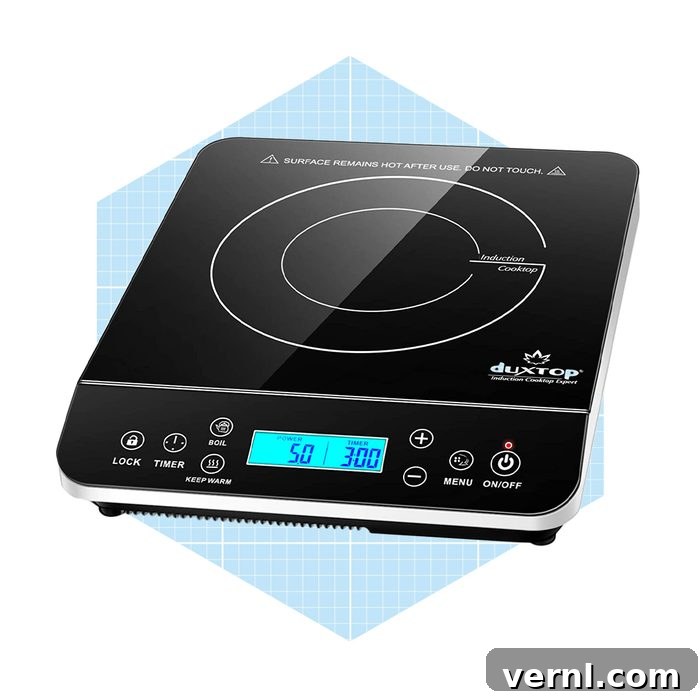
When precision and energy efficiency are paramount, the Duxtop 9600LS induction burner stands out. While not the cheapest option on the market, its impressive features, including 20 power settings and intuitive controls, offer unparalleled culinary accuracy. It’s an ideal choice for compact living spaces or anyone who values precise temperature management for delicate sauces or rapid boiling, all within a minimal footprint.
Compact Stove: The Ultralight Speed Demon
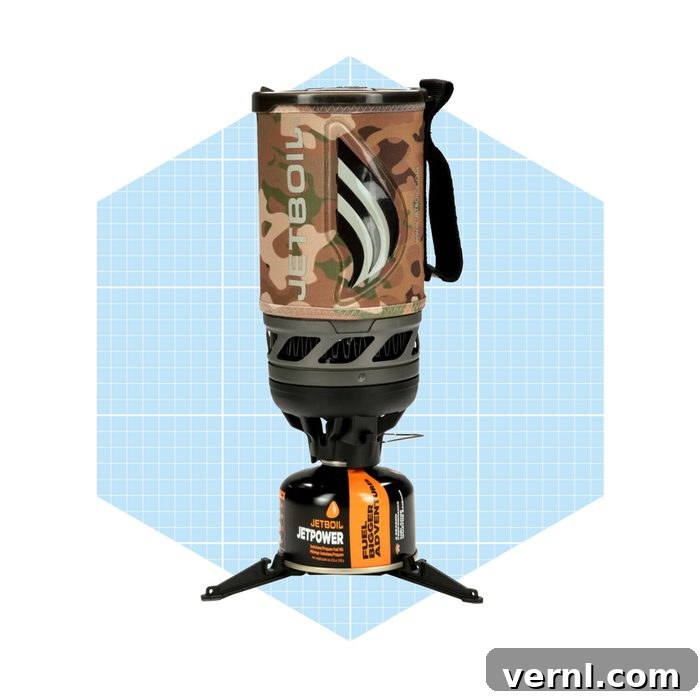
For backpackers, hikers, or anyone needing to boil water rapidly and efficiently in challenging conditions, the Jetboil cooking system is a game-changer. This canister-based single-burner stove is remarkably small and lightweight, yet delivers powerful performance. Its integrated design ensures greater stability than many other ultralight stoves, allowing it to boil water for coffee or heat up soup in mere minutes, even in blustery conditions, making it an essential piece of gear for fast and light adventures.
Final Thoughts: Choosing Your Perfect Portable Cooking Companion
Portable stoves offer unparalleled freedom and flexibility in cooking, extending your kitchen capabilities far beyond the confines of your home. Whether you’re an avid camper, a renovation warrior, a budget-conscious traveler, or simply preparing for emergencies, there’s a portable stove designed to meet your specific needs. By carefully considering the various types, fuel sources, and key features outlined in this guide, you can make an informed decision that enhances your culinary adventures and ensures you’re always prepared for a delicious meal, no matter where life takes you.