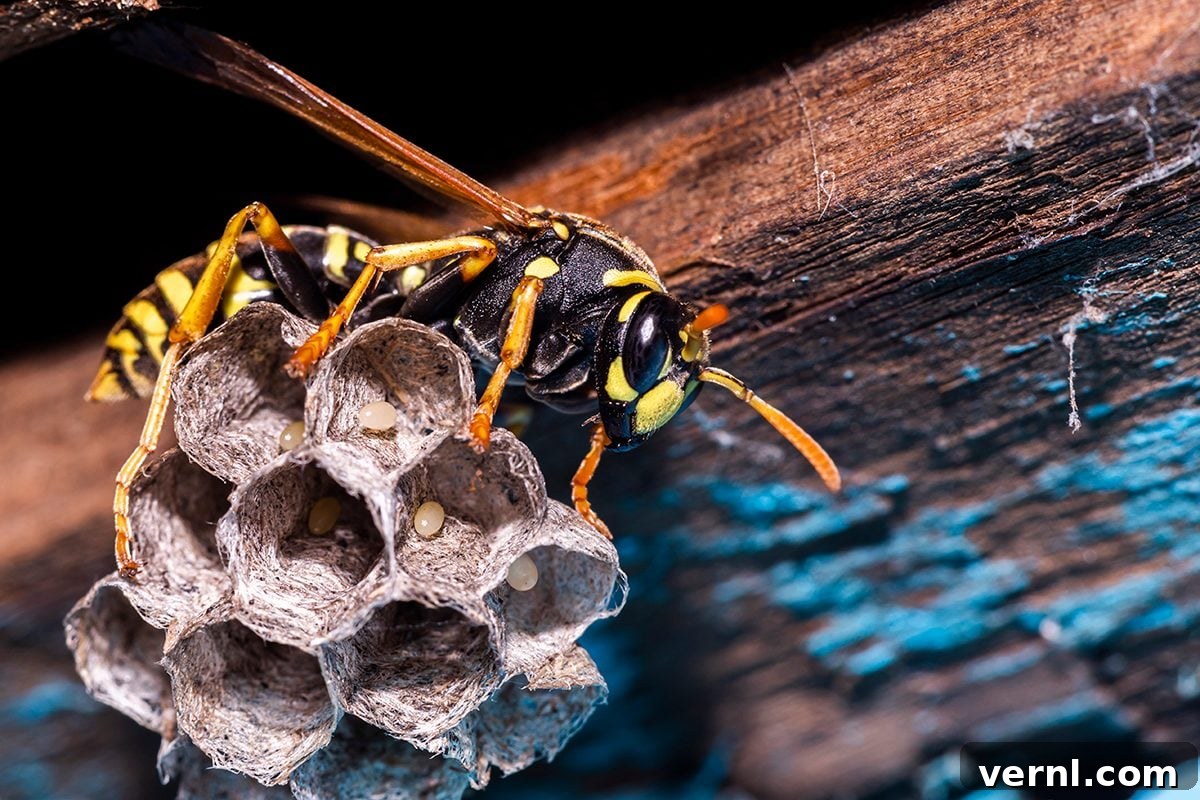
For many, the mere mention of a wasp conjures images of painful stings and unwelcome buzzing during warm summer days. While often confused with bees, wasps present a distinct set of challenges, particularly given their aggressive nature and ability to sting multiple times. Their presence can turn an enjoyable outdoor gathering into a frantic retreat, and for individuals with allergies, a single sting can pose a severe, life-threatening risk. Understanding the life cycle and habits of these common pests is the first crucial step in effectively managing their populations and ensuring a safer environment for everyone. This comprehensive guide will equip you with essential knowledge and practical strategies to better your chances of avoiding unpleasant encounters with wasps, especially by tackling the problem at its source: the queen.
The Seasonal Emergence of the Queen Wasp
As winter’s grip loosens and the natural world awakens, so too do the annual concerns about stinging insects. Late March and early April mark a critical period in the wasp life cycle, signaling the emergence of the queen wasp from her winter slumber. Having successfully endured the harsh, freezing temperatures, these resilient queens begin their quest to establish a new colony. This pivotal moment typically occurs when ambient temperatures consistently reach around 50 degrees Fahrenheit (10 degrees Celsius), prompting the queen to venture out of her secure, protected hibernation spot.
Throughout the colder months, fertilized queen wasps find refuge in various sheltered locations. These can range from cracks and crevices in buildings, hollow logs, and tree stumps, to leaf litter, attics, or even within the soil itself. This remarkable ability to hibernate allows them to survive conditions that are fatal to the rest of the previous year’s colony. Unlike the queens, the female worker wasps and male drones from the preceding season perish with the arrival of the first significant frost. Each established colony, however, produces numerous new queens before its demise, ensuring the continuation of the species into the next year. These newly fertilized queens carry the sole responsibility for founding the next generation of wasps, making their early-season activity a prime target for effective pest management.
The Genesis of a New Wasp Colony
With the arrival of warmer spring weather, the hibernating wasp queens embark on their vital mission: to create new colonies. It’s a common misconception that wasps might reuse old nests; in reality, they meticulously construct entirely new ones each year. While they don’t recycle old structures, queens often gravitate towards similar suitable locations or even the same tree branches or structural elements that proved successful in previous seasons. Once an ideal spot is identified – often a sheltered, dry location offering protection from the elements and potential predators – the arduous task of nest building begins.
The queen’s initial construction phase is a fascinating display of natural engineering. She meticulously gathers wood fibers from various sources, including weathered timber from trees, fallen logs, sturdy plant stems, and even man-made structures like fences, decks, and wooden patio furniture. Chewing and mixing these fibers with her saliva, she creates a pliable, paper-like pulp. This natural composite material is then skillfully molded into the intricate structure of the nascent nest.
Different species of wasps exhibit distinct nesting preferences and architectural styles. Paper wasp nests, for instance, are often characterized by their umbrella-like shape and visible honeycomb cells, typically suspended from horizontal surfaces by a single stalk. Hornets, a larger and often more aggressive type of wasp, construct their nests in various sheltered locations. These can include exposed sites like tree branches, hidden spots under building eaves, within enclosed spaces such as birdhouses, inside mailboxes, or even concealed behind electrical outlet covers. Hornet nests are recognizable by their papery, grey exterior, often resembling a giant football or an inverted, teardrop-shaped bulb, frequently featuring multiple entry and exit holes at the bottom.
Yellow jackets, another prominent and often problematic type of wasp, generally prefer to build their nests in subterranean environments. They frequently utilize existing burrows or holes in the ground, but are also known to excavate their own intricate tunnels. As their colony expands, they efficiently move excavated dirt outside the entrance, leaving a tell-tale mound that can indicate a growing underground nest. These hidden nests often pose a greater risk to unsuspecting individuals, as they are not easily spotted until disturbed.
In the initial weeks of spring, the queen is solely responsible for laying the first batch of eggs. These eggs will hatch into larvae, which she painstakingly feeds until they pupate and emerge as the first generation of sterile female workers. Once these workers mature, they take over the crucial tasks of foraging for food, expanding and maintaining the nest, and caring for subsequent broods of eggs. This division of labor allows the queen to focus exclusively on reproduction, rapidly multiplying the colony’s numbers. According to pest control experts, it takes approximately three weeks for the initial eggs to hatch and for a new colony to begin its exponential growth. As their population swells, so does the likelihood that your outdoor activities, such as a summer barbeque, will become the unwitting focus of their attention.
Wasps are fiercely territorial creatures and will vigorously defend their nests if they perceive a threat. This defensive instinct is often amplified by a chemical alarm system. Some wasp species are known to secrete a specific pheromone when they feel endangered or when a nest is attacked. This powerful chemical signal alerts other wasps within the colony, triggering an aggressive, coordinated attack and sting response from numerous individuals. Wasp stings are notoriously painful due to the venom injected, and for certain individuals, they can elicit a severe, potentially deadly anaphylactic reaction requiring immediate medical attention.
Strategic Wasp Control: How to Catch a Queen Wasp
The most effective and proactive strategy for preventing a summer filled with wasp anxieties is to eliminate the queen or queens before they have the opportunity to establish a burgeoning, stinging dynasty. Fortunately, the methods used to catch queen wasps in the early spring are largely the same successful techniques employed for trapping worker wasps later in the season. Early intervention is key, as each captured queen represents a potentially hundreds-strong colony prevented.
A popular and readily available solution involves the use of store-bought wasp traps. These ingenious devices are designed to lure insects into a confined space from which they cannot escape, ultimately succumbing to dehydration or starvation. The efficacy of these traps hinges on the bait used, which must be highly appealing to wasps. A myriad of substances can effectively entice these insects. Some successful options include protein-rich baits such as wet cat food or canned fish, which are particularly attractive to queens and early-season workers needing protein to feed developing larvae. Other effective attractants include sugary substances like fruit chunks or fruit juice, raw meat or fish, jam, soda, or even a small amount of wine.
Understanding the seasonal dietary needs of wasps is crucial for selecting the most effective bait. In the spring and early fall, when queens are establishing nests and worker wasps are foraging for protein to feed the larvae, protein-rich baits are most effective. As the season progresses into summer, and the colony’s focus shifts from larval rearing to adult sustenance, sweet, sugary baits become significantly more attractive to the adult wasps. Many commercial traps also come with specially formulated attractants that mimic natural wasp pheromones or food sources, further enhancing their drawing power. Whatever bait you choose, consistency is important: ensure you change it out regularly and thoroughly clean the traps. Wasps are discerning and will not be attracted to moldy, rotting, or stale food. For maximum effectiveness, strategically scatter several traps around the perimeter of your yard, focusing on areas where wasp activity is observed or anticipated, such as near garden beds, compost piles, or outdoor dining areas.
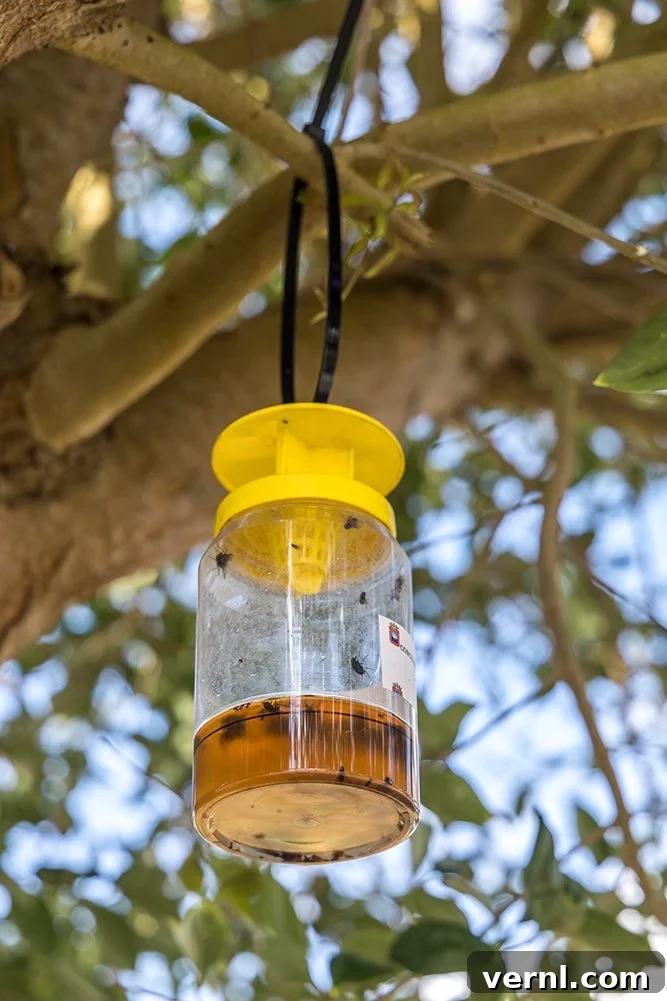
DIY Solutions for Effective Queen Wasp Trapping
For those who prefer a more hands-on approach, crafting an effective DIY wasp trap is surprisingly simple and cost-effective. The fundamental principle behind most successful wasp traps, whether commercial or homemade, is the creation of an enclosure from which the wasp, once entered, cannot escape. A remarkably simple and effective solution involves repurposing an ordinary plastic soda bottle.
To construct this basic yet efficient trap, simply cut a plastic soda bottle in half, typically around the upper third of its body. Once separated, invert the top section (the part with the spout and cap removed) and place it upside down into the bottom half of the bottle. The narrow opening of the bottle’s spout then acts as a funnel, allowing wasps to easily enter to access the bait, but making it extremely difficult for them to find their way back out. The design capitalizes on the wasp’s tendency to fly upwards towards perceived light and escape routes, often missing the smaller entry hole.
Fill the bottom section of this inverted bottle trap with your chosen bait. As discussed, early spring calls for protein-rich options like wet cat food or pieces of raw meat, while summer months will see more success with sugary concoctions such as fruit juice, sugar water, jam diluted with a little water, or even a splash of beer or wine. Once baited, place these homemade traps in areas around your property where you have observed wasp activity, or strategically position them in areas where wasps might be searching for food or nesting sites. Remember to regularly check, clean, and re-bait your DIY traps to maintain their effectiveness throughout the wasp season. This simple, sustainable method provides an excellent way to proactively manage wasp populations and catch those critical queen wasps before they can lay the groundwork for a season of unwelcome buzzing.