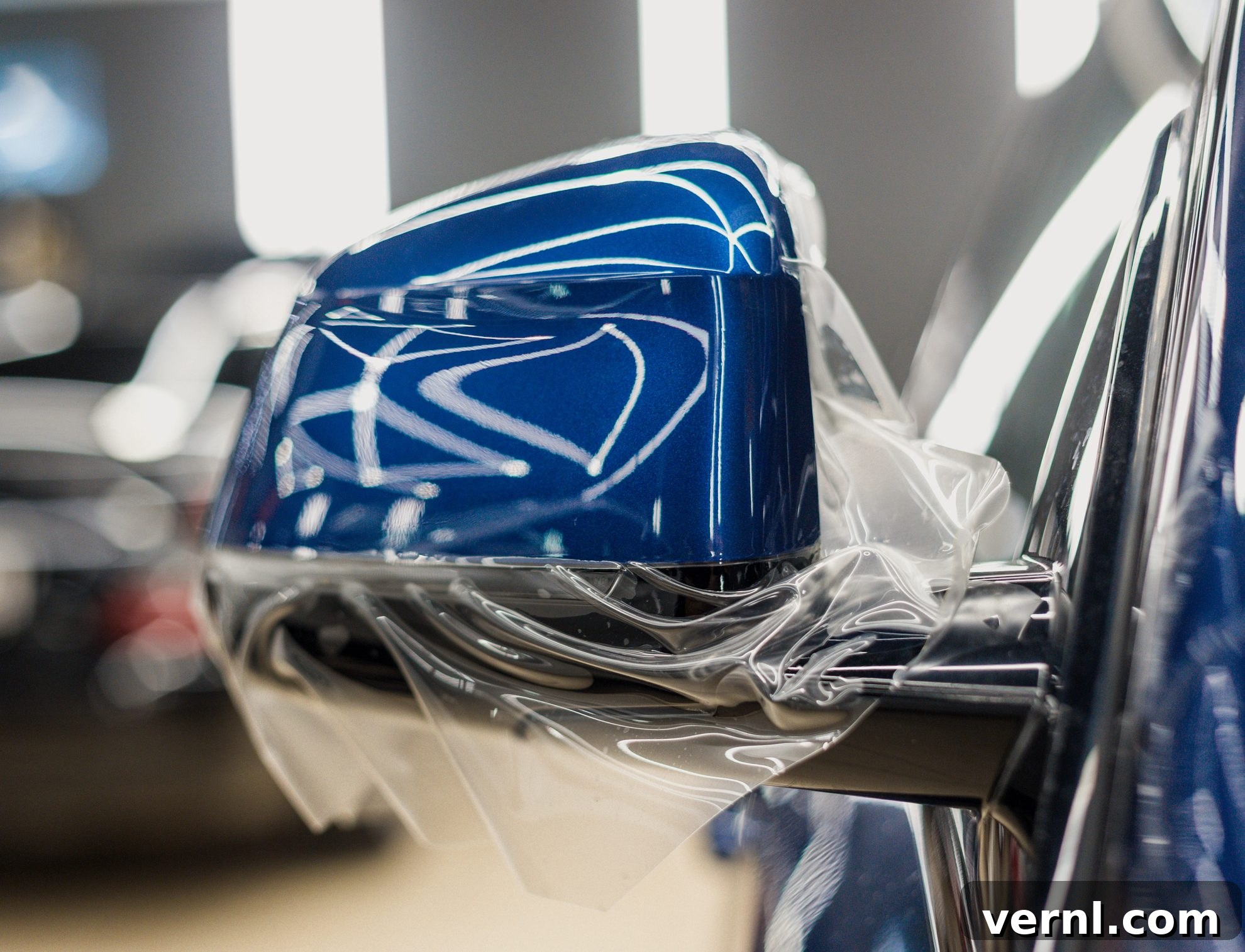
Unlocking Lasting Shine: A Comprehensive Guide to Paint Protection Film (PPF)
As an assistant director at a bustling career and technical center, one of my many duties involved overseeing the maintenance of our fleet of driver’s education vehicles. These cars endured significant wear and tear, not least from the bright yellow “Student Driver” car toppers. Despite careful handling, removing these toppers before car washes invariably left deep, unsightly rusty scratches on the roofs – a persistent aesthetic challenge for our vehicles. Fortunately, our talented students in the auto collision repair program were up to the task. After meticulously repairing the damage, they applied an innovative solution: Paint Protection Film (PPF).
This transparent shield not only restored the cars’ appearance but promised to keep them looking pristine for years to come. The experience highlighted the transformative power of PPF, a technology whose origins trace back to military applications – specifically, shielding helicopter blades from abrasive wear in harsh environments. By the 1980s, PPF began its transition into the automotive world, initially gaining traction for its ability to safeguard clear-coated horizontal paint surfaces from the damaging effects of acid rain and environmental fallout. Fast forward to today, and PPF has evolved into an indispensable automotive accessory, offering comprehensive, bumper-to-bumper protection for vehicles of all types, from daily drivers to luxury exotics.
What Exactly Is Paint Protection Film (PPF)?
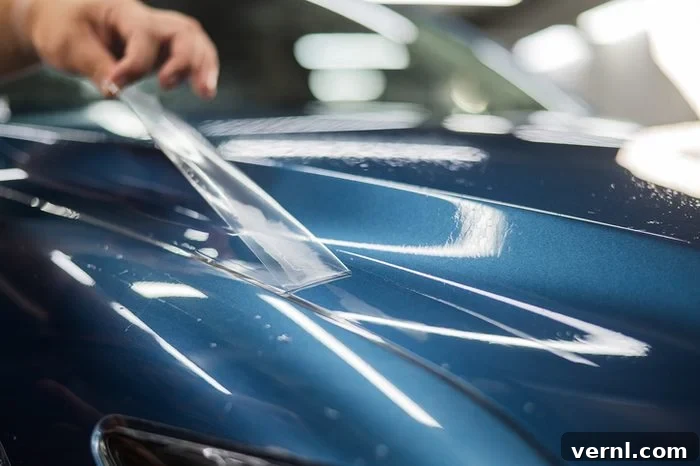
Understanding PPF: More Than Just a “Clear Bra”
Paint Protection Film, often referred to as a “clear bra” or simply “PPF,” is a revolutionary product designed to preserve the aesthetic integrity and underlying value of your vehicle’s paintwork. To gain deeper insight, we consulted Grant Menard, a certified PPF installer and the owner/CEO of Menard Premium Detailing in Warminster, PA. Menard strongly emphasizes the critical distinction between PPF and vinyl wrap, a common point of confusion for many car owners. While both are applied to a vehicle’s exterior, their fundamental compositions, installation methods, and primary functions are vastly different.
At its core, PPF is a multi-layered, transparent urethane film meticulously engineered to create an invisible shield over your vehicle’s painted surfaces. Its primary ingredient, as highlighted by industry leader 3M, is thermoplastic polyurethane (TPU). This advanced material grants PPF its exceptional strength, flexibility, and unique protective qualities. When properly applied, PPF offers robust defense against a myriad of common automotive paint adversaries, including unsightly nicks, abrasive scratches, corrosive chemical stains, the damaging effects of road salt, and the long-term discoloration caused by harmful ultraviolet (UV) radiation from the sun.
PPF vs. Vinyl Wrap: A Clear Distinction
In contrast, vinyl wrap, while offering impressive aesthetic transformation, provides only minimal paint protection. As Vinylinfo.org explains, vinyl is primarily composed of chlorine, ethylene, and various additives tailored for specific properties like flexibility or rigidity, and suitability for different environmental conditions. Vinyl wrap’s main purpose is to allow for extensive color changes, graphic customization, and visual enhancements without the permanence or cost of a full repaint. It’s an artistic medium, whereas PPF is a utilitarian protector. Choosing between the two depends entirely on your objectives: do you prioritize ultimate paint preservation, or a dramatic change in appearance?
Understanding the Value Proposition: Paint Protection Film Pros and Cons
With the average age of cars in the U.S. now exceeding 12 years, ensuring the longevity and pristine condition of a vehicle’s paint finish has become a significant consideration for owners. Over time, maintaining that ‘factory fresh’ look can be both time-consuming and financially demanding. Paint Protection Film presents a compelling solution for preserving this aesthetic appeal and inherent value. However, like any significant automotive investment, PPF comes with its own set of advantages and disadvantages. Evaluating these thoroughly is crucial for determining if it’s the right choice for your specific needs and driving habits.
Advantages of Paint Protection Film (Pros)
- Superior Paint Protection: PPF creates a robust barrier against daily wear and tear. It excels at shielding your paint from environmental aggressors such as bird droppings, insect acids, tree sap, and leaf stains, which can otherwise etch into clear coats. More critically, it defends against common road debris, including stone chips, gravel, and sand, which are notorious for causing unsightly damage.
- Preserves Factory Finish: Beyond preventing immediate damage, PPF plays a crucial role in maintaining the original factory paint finish. It effectively prevents the formation of swirl marks from improper washing, safeguards against fading caused by UV exposure, and minimizes the development of fine surface cracks and oxidation over time, ensuring your car retains its showroom luster.
- Versatile Application: The adhesive properties of PPF allow it to adhere seamlessly to almost any non-porous surface. This versatility means it can be applied not only to body panels but also to more vulnerable areas such as the windshield, headlamps, tail lamps, fog lights, door sills, and even custom wheels and interior trim pieces, providing comprehensive protection.
- Optical Clarity and UV Resistance: Modern PPF is engineered to be virtually invisible once installed, maintaining the original color and gloss of your vehicle’s paint. It is also highly UV resistant, preventing the film itself from yellowing over time, while simultaneously blocking harmful UV rays from degrading the paint underneath.
- Self-Healing Properties: One of the most remarkable features of high-quality PPF is its self-healing capability. Minor scratches, swirl marks, and scuffs on the film’s surface can literally disappear when exposed to heat, whether from the sun, engine warmth, or simply hot water. This thermoplastic polyurethane layer has elastomeric polymers that can reform their structure.
- Compatible with Vinyl Wrap: For those seeking both aesthetic customization and ultimate protection, PPF can be expertly installed over vinyl wraps. This allows owners to personalize their vehicle’s appearance with a vinyl wrap while still benefiting from the superior protective qualities of PPF.
- Exceptional Durability and Longevity: When professionally installed and properly maintained, high-quality PPF can boast an impressive lifespan of up to ten years or even longer. This significantly surpasses the typical lifespan of vinyl wrap, which usually lasts less than five years before needing replacement.
- Flexible Coverage Options: Owners have the flexibility to choose how much of their vehicle they want to protect. Whether it’s just the high-impact areas like the front bumper and hood, or a full bumper-to-bumper wrap, PPF offers tailored solutions to fit different budgets and protection needs.
- Easy and Safe Removal: Despite its strong adhesive, PPF is designed for safe and easy removal by a professional without causing any damage to the underlying factory paint. This preserves the original finish, which is crucial for resale value.
- Diverse Finish Options: Beyond the classic clear, gloss finish, PPF is now available in a variety of aesthetically pleasing options, including satin, matte, high-gloss metallic, and even tinted finishes. This allows for both protection and a degree of personalization.
Potential Drawbacks of Paint Protection Film (Cons)
- Complex Installation Process: Installing PPF is a highly skilled and intricate process. It requires immense precision, specialized tools, and a dust-free environment to achieve a flawless, bubble-free, and invisible application. DIY installation, especially on curved surfaces, is extremely challenging and often leads to unsatisfactory results.
- Insurance Coverage Limitations: In the unfortunate event of an accident, your vehicle’s insurance policy may not fully cover the cost of replacing the PPF. It’s essential to check with your insurance provider beforehand to understand their specific policies regarding PPF replacement.
- Limited Protection at High Speeds: While highly protective, PPF may not entirely prevent all forms of damage, particularly severe stone chipping or impact from larger airborne road debris when traveling at high speeds (e.g., above 60 mph). Extremely sharp or forceful impacts can still penetrate the film.
- Extensive Surface Preparation Required: Before PPF can be applied, the vehicle’s paint must undergo extensive and meticulous surface preparation. This often involves thorough washing, decontamination (clay bar treatment), paint correction (polishing to remove imperfections), and a final IPA wipe-down to ensure perfect adhesion. Any existing paint damage will be sealed in.
- Risk of Improper Installation/Maintenance Issues: If PPF is installed incorrectly (e.g., with trapped dirt, air bubbles, or poor edge seals) or poorly maintained, it can lead to issues such as peeling, discoloration (yellowing), bubbling, or lifting over time, diminishing its protective qualities and aesthetic appeal.
- Potential Need for Ceramic Coating: While PPF offers excellent protection, some owners choose to enhance its properties further by adding a ceramic coating on top. This provides an additional layer of hydrophobic protection, making the surface even easier to clean and maintain, though it adds to the overall cost.
- Does Not Restore Damaged Paint: It’s crucial to understand that PPF is a preventative measure. It cannot repair or restore existing paint damage such as deep scratches, chips, or oxidation. Any imperfections on the paint surface will be sealed underneath the film, becoming visible. Paint correction is necessary before application.
- Specific Washing Requirements: While durable, PPF requires specific, gentle hand-washing techniques to ensure its longevity and maintain its finish. Automated car washes, especially those with harsh brushes, can potentially damage the film or compromise its edges over time.
- Not a New Car Option: PPF is typically an aftermarket installation, meaning it’s not usually offered as a factory-installed option when purchasing a new vehicle. This requires arranging for a separate installation after taking delivery of the car.
DIY or Professional Installation: Weighing Your PPF Options
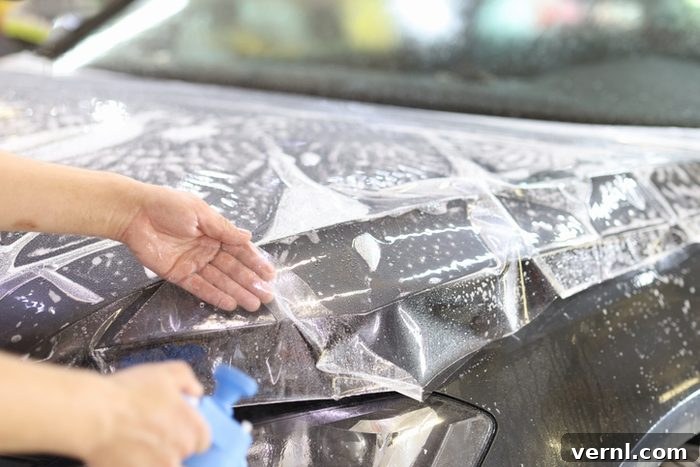
The DIY Approach: A Challenge for the Patient
According to Grant Menard, for those with an abundance of time, extreme patience, and a meticulous approach, paint protection film installation can be a DIY endeavor. He advises starting with simpler, flatter surfaces like the hood or roof to gain experience before attempting the notoriously tricky curved sections such as fenders, bumpers, and complex body lines. Key to any successful PPF application, whether DIY or professional, is impeccable surface preparation and diligent post-installation care – these factors are paramount for maximizing the film’s lifespan and performance. When considering DIY, it’s critical to verify if the PPF manufacturer’s warranty will be honored for self-installed applications, as many high-quality films only offer warranties for certified professional installations. The availability of pre-cut PPF kits in various thicknesses can simplify the DIY process, as they eliminate the need for precise manual cutting.
The Professional Advantage: Precision and Expertise
The benefits of professional PPF installation far outweigh the initial cost for many. Experts like Menard leverage specialized tools and techniques that are beyond the scope of a typical DIY enthusiast. For instance, his shop utilizes programmable plotters – essentially wide-format printers – capable of precisely pre-cutting PPF patterns for a custom, vehicle-specific fit. Furthermore, skilled installers often cut the PPF slightly longer than the panel, allowing them to ‘roll’ the edges. This meticulous technique involves wrapping the film around the panel’s edge, virtually eliminating visible seams around door openings, headlamps, body seams, and other trim areas. While this step significantly increases installation time, the result is a truly seamless, nearly invisible layer of protection that DIY efforts struggle to replicate.
Factors Influencing Professional PPF Costs
The investment for professionally installed PPF varies considerably, influenced by several factors unique to your vehicle and desired coverage level. These include the vehicle’s make and model (complexity of curves), age, the current condition of its paintwork (requiring more or less paint correction), and the extent of coverage you opt for. A reputable and quality installation shop will adhere to a stringent process to ensure optimal results.
- Thorough Paint Decontamination: Before any film is applied, the paint must be meticulously cleaned and decontaminated. This involves carefully removing any embedded contaminants, industrial fallout, or old wax/sealant from the finish to ensure perfect adhesion and prevent imperfections from being trapped under the film.
- Component Removal for Seamlessness: For truly comprehensive and invisible coverage, skilled technicians often remove exterior body trim, emblems, door handles, headlamps, tail lamps, and even wiper arms. This allows the film to be tucked behind components, creating a virtually undetectable and incredibly durable finish, free from exposed edges.
Cost Breakdown: Professional PPF Packages
Professional PPF installation is typically offered in various packages to suit different budgets and protection needs:
- Partial Front Coverage: This entry-level option typically includes the leading edge of the hood, the front bumper, and headlamps. This package is ideal for protecting the most impact-prone areas. Expected cost: $600 to $1,500.
- Full Front-End Coverage: A more comprehensive option, this package extends protection to the entire hood, front fenders, front bumper, headlamps, and side-view mirrors. It offers a significant shield against front-end road debris. Expected cost: $2,000 to $2,500.
- “Track” or “Highway” Package: Designed for enthusiasts or those who frequently drive on highways or tracks, this package builds upon the full front-end coverage, often extending to areas like rocker panels, lower doors, and rear impact zones – essentially, any area prone to rock chips and road debris. Expected cost: $2,800 to $4,000.
- Full Vehicle Coverage: For ultimate protection, a full bumper-to-bumper wrap covers virtually every painted surface of the vehicle. This is the premium option for preserving every inch of your car’s exterior. On average, expect to pay $5,000-plus to fully cover a typical SUV or four-door sedan, with luxury and exotic vehicles potentially costing significantly more due to complex body lines and larger surface areas.
Cost Breakdown: DIY PPF Installation
For those determined to pursue the DIY route, the costs are considerably lower, primarily covering the material itself. However, these figures do not account for specialized tools (squeegees, slip solutions, heat guns, cutting knives) or the significant investment of your own time and potential for costly errors.
- A 6- by 60-inch roll of clear PPF, suitable for protecting smaller sections like door sills or the leading edge of a hood, typically runs approximately $20.
- For comparison, a 5- by 4-foot roll of black vinyl wrap, used for aesthetic changes rather than robust protection, costs $50 to $60. Keep in mind that vinyl wrap’s material cost is often lower because its protective capabilities are minimal compared to PPF.
Understanding PPF’s Unmatched Durability and Longevity
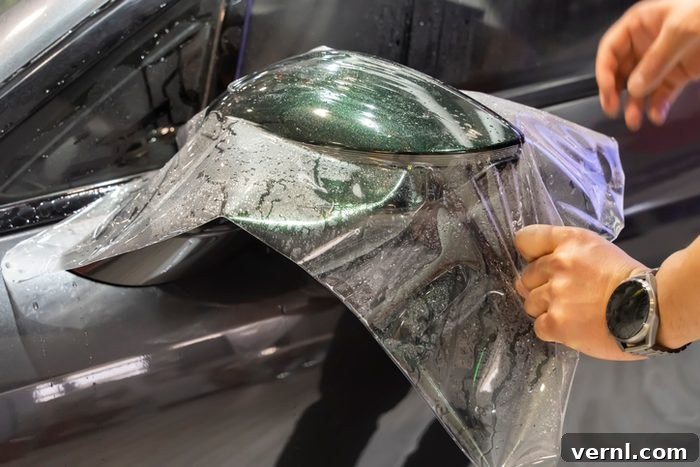
The question of PPF’s durability is a resounding ‘yes.’ Paint Protection Film is not merely a thin plastic sheet; it is a sophisticated, multi-layered protective barrier engineered for extreme resilience and a long lifespan. Its robust construction is a key differentiator from other automotive films.
The Science Behind PPF’s Strength
At its core, premium PPF is constructed from multiple layers of tough, high-grade thermoplastic polyurethane (TPU). This material is renowned for its elasticity, resistance to abrasion, and impact absorption. Typically, a high-quality PPF will feature three distinct polyurethane layers: a top clear coat (for gloss and UV protection), the main urethane layer (for impact resistance and flexibility), and an inner adhesive layer. This entire structure is bonded to the vehicle’s paint with a high-performance, pressure-sensitive acrylic adhesive, designed to bond securely without harming the paint upon removal.
The Marvel of Self-Healing Technology
One of the most impressive advancements in modern PPF technology is its inherent ‘self-healing’ capability. This extraordinary feature is attributed to elastomeric polymers within the film’s top layer. When minor scratches, swirl marks, or light scuffs occur on the surface of the PPF, the film can literally ‘repair’ itself. Exposure to heat – whether from direct sunlight, the vehicle’s engine heat, or even simply pouring hot water over the affected area – causes the polymer structure to revert to its original, smooth state, making the imperfections vanish. This innovative property significantly extends the film’s aesthetic lifespan and reduces the need for costly minor repairs.
Warranty and Long-Term Assurance
The confidence in PPF’s durability is often underscored by comprehensive manufacturer warranties. Many leading PPF brands offer limited warranties, typically spanning 10 years, against common issues such as defects in material, yellowing (discoloration), bubbling, or cracking. However, it’s crucial to note that these warranties are almost exclusively valid when the PPF is installed by an authorized and certified professional contractor. This stipulation highlights the importance of proper installation techniques in ensuring the film’s long-term performance and honoring the manufacturer’s commitment to quality.
Paint Protection Film and Resale Value: A Strategic Investment?
When considering the initial investment in Paint Protection Film, a frequent question arises: how does PPF impact my vehicle’s resale value? The answer, while nuanced, generally leans towards a positive influence, especially for certain types of vehicles.
Preserving Aesthetic Appeal and Market Value
Maintaining a vehicle’s paintwork in pristine, ‘showroom new’ condition is one of the most effective ways to boost its market desirability and, consequently, its resale value. A car that looks meticulously cared for immediately stands out in the used car market. PPF acts as an invisible guardian, preventing the accumulation of scratches, chips, swirl marks, and environmental damage that typically degrade a vehicle’s appearance over time. This preservation of the aesthetic integrity means that years down the line, your vehicle’s exterior will likely present significantly better than a comparable model without PPF.
Targeted Investment: High-End and Classic Vehicles
For owners of classic cars, luxury vehicles, exotic sports cars, or any high-end automotive investment, PPF is almost an indispensable protective measure. These vehicles often command premium prices, and any flaw in their original paint can drastically reduce their value. The cost of PPF on such vehicles is more easily justifiable as a long-term investment that safeguards a substantial asset. The discerning buyer in these segments is often willing to pay a premium for a vehicle with an unblemished original factory finish.
The Cost-Benefit Analysis for Everyday Drivers
For more common make and model vehicles, the calculus can be slightly different. While PPF will undoubtedly preserve the paint and make the car more appealing, the initial cost might be harder to fully recoup dollar-for-dollar in the resale market, depending on the specific vehicle’s depreciation curve. However, it’s not just about direct monetary return; it’s also about marketability and reducing the effort required to sell. A well-maintained exterior can accelerate the selling process and reduce negotiation leverage for buyers pointing out cosmetic flaws.
The Buyer’s Perspective: A Clear Choice
Ultimately, consider the psychology of a used car buyer. All other factors being equal – mileage, mechanical condition, interior – presented with a choice between a used car featuring dull, chipped, faded, or worn paint and one that appears virtually brand new, the choice is almost invariably the latter. The ‘like new’ appearance imparted by PPF eliminates the need for expensive paint correction or detailing prior to sale, and it provides immediate peace of mind to the new owner that the vehicle has been exceptionally cared for. While the return on investment might vary, the enhancement in buyer perception and the ease of sale are undeniable benefits that PPF brings to the table.