
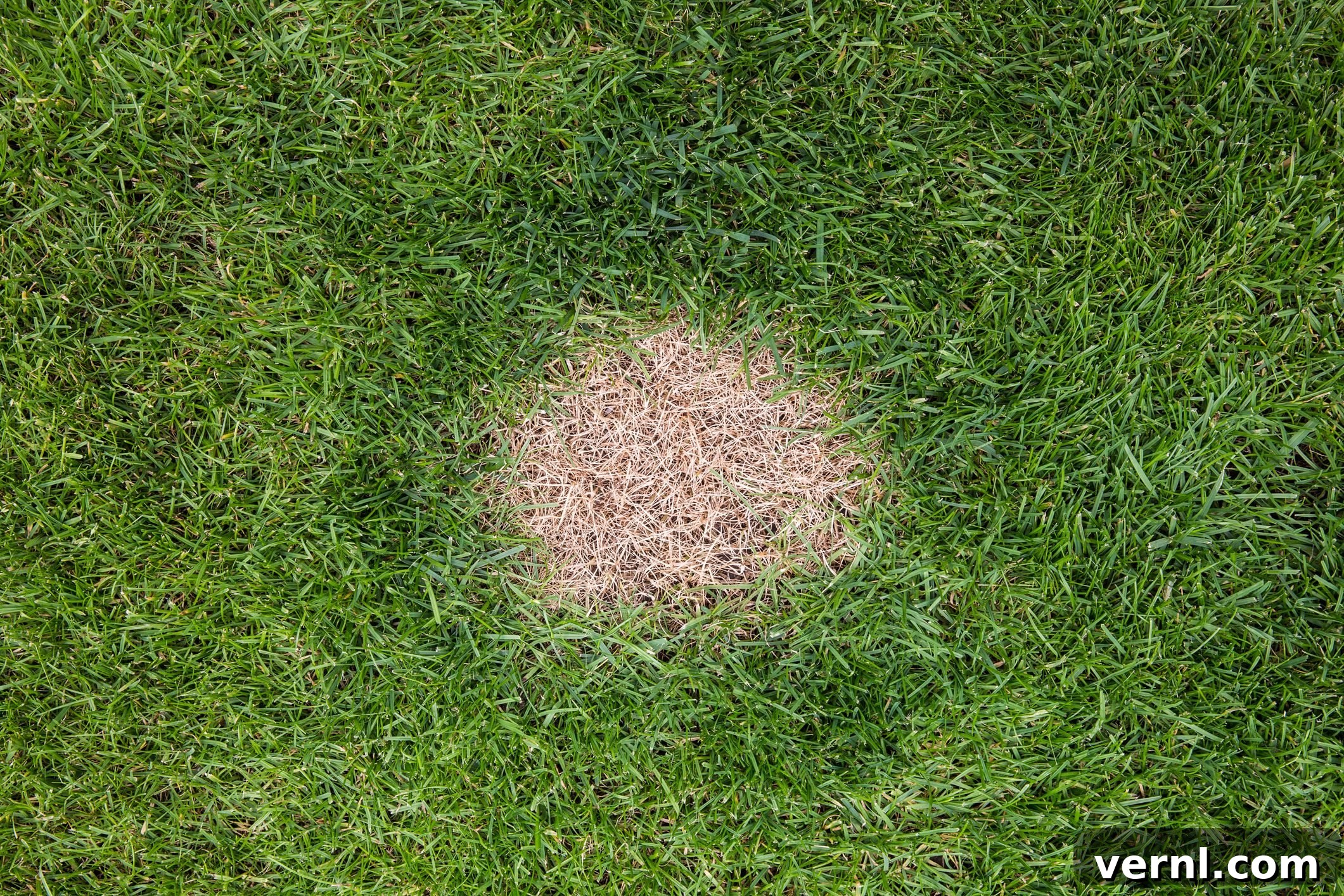
Restore Your Lawn’s Beauty: The Ultimate Guide to Patching Bare Spots with Reseeding
A lush, green lawn is the pride of any homeowner, but bare spots can quickly diminish its appeal. Fortunately, repairing these unsightly patches through reseeding is a straightforward process that anyone can master. While the seeding itself takes mere minutes, consistent watering is the secret ingredient to success, requiring daily attention for at least two weeks. This comprehensive guide will walk you through every step, ensuring your lawn returns to its vibrant best.
Why a Healthy Lawn Matters More Than You Think
Beyond aesthetics, a dense, healthy lawn plays a crucial role in your home’s ecosystem. It acts as a natural air filter, producing oxygen and trapping dust particles. A thick turf also helps prevent soil erosion, absorbs rainwater, and significantly reduces runoff. Furthermore, a well-maintained lawn can increase your property’s value and create a welcoming outdoor space for relaxation and recreation. Bare spots, conversely, are not just an eyesore; they invite weeds to take root, disrupt the soil’s natural balance, and leave your lawn vulnerable to further damage.
Understanding the Root Causes of Bare Spots
Before you begin the reseeding process, it’s beneficial to understand why those bare spots appeared in the first place. Addressing the underlying issue can prevent future recurrences and ensure your repair efforts are long-lasting. Common culprits include:
- Heavy Foot Traffic: Consistent walking, playing, or driving over the same areas compacts the soil and wears down grass blades, making it difficult for new grass to grow.
- Pet Urine: Dog and cat urine is high in nitrogen, which can burn grass and create yellow or bare patches.
- Pests and Diseases: Grubs, chinch bugs, and various fungal diseases can quickly decimate sections of your lawn.
- Weed Competition: Aggressive weeds can outcompete desirable grass for nutrients, water, and sunlight, leading to thinning and bare areas.
- Poor Soil Quality: Compacted soil, nutrient deficiencies, or an imbalanced pH level can hinder grass growth.
- Drought and Water Stress: Insufficient watering, especially during hot, dry spells, can cause grass to dry out and die.
- Chemical Spills: Accidental spills of gasoline, oil, or harsh fertilizers can kill grass instantly.
- Shade Issues: If your lawn receives inadequate sunlight due to trees or structures, the grass may struggle to thrive, leading to sparse patches.
- Improper Mowing: Mowing too short can stress the grass and make it more susceptible to damage.
The Definitive Step-by-Step Guide to Reseeding Bare Spots
Patching bare spots is a straightforward task, but following these steps carefully will maximize your chances of success and help you achieve a seamless, healthy lawn.
Step 1: Thorough Preparation is Your Foundation
This initial stage is critical and sets the tone for the entire reseeding process. Neglecting proper preparation can lead to poor germination and wasted effort.
First, clear the affected area of any debris, including dead grass, leaves, stones, and especially weeds. Weeds will compete with your new grass seedlings for vital nutrients and moisture, so it’s essential to remove them entirely, root and all. A sturdy hand rake or a garden hoe can be effective for this task.
Next, loosen the soil to a depth of 2-4 inches. Compacted soil is a death sentence for new seedlings, as it prevents roots from penetrating and makes it difficult for water and nutrients to reach them. Use a rake, a small hand cultivator, or even a garden fork to break up the top layer of soil. This creates a soft, welcoming bed for the new seeds to nestle into.
If your soil quality is poor – heavy clay, very sandy, or visibly lacking organic matter – consider amending it. Incorporate a thin layer (about 1/2 inch) of high-quality topsoil or nutrient-rich compost into the loosened soil. This will dramatically improve drainage, aeration, and nutrient availability, giving your new grass the best possible start.
Step 2: Choosing the Right Grass Seed for Your Lawn
Selecting the correct grass seed is paramount for a successful patch. The goal is to choose a seed that matches your existing lawn as closely as possible, both in appearance and growth habits, and is suitable for your local climate and specific lawn conditions.
Identify your existing grass type. Is it a cool-season grass like Kentucky Bluegrass, Fescue, or Ryegrass, common in northern climates, or a warm-season grass such as Bermuda, Zoysia, or St. Augustine, typical in southern regions? Using the wrong type will result in an uneven-looking lawn.
Consider the amount of sun the bare spot receives. Some grass varieties thrive in full sun, while others are better suited for shady areas. Many seed manufacturers offer specific blends for “sun” or “shade” conditions. Always check the seed label for germination rates and purity; higher rates mean more seeds will sprout, and a low percentage of “other crop seed” or “weed seed” is crucial.
For convenience and versatility, many homeowners opt for a “lawn patch” or “repair kit” that includes a mix of seed, starter fertilizer, and mulch. While these can be effective, ensure the grass seed varieties in the mix are appropriate for your specific needs.
Step 3: Precisely Applying the Grass Seed
Once your soil is prepared and you’ve chosen your seed, it’s time to apply it. The key here is even distribution and adequate seed-to-soil contact.
Follow the seeding rate instructions on your chosen grass seed package. Over-seeding can be just as detrimental as under-seeding, as too many seedlings will compete for resources and may not thrive. For small patches, you can often sprinkle the seed by hand, ensuring good coverage across the entire bare area. For larger spots, a hand-held spreader can help achieve a more uniform application.
After spreading the seed, lightly rake it into the top 1/8 to 1/4 inch of soil. This ensures good seed-to-soil contact, which is vital for germination. You can also lightly cover the seeded area with a thin layer of peat moss, straw, or a specialized seed-starting mulch. This protective layer helps retain moisture, prevents birds from eating the seeds, and protects them from heavy rain or wind, significantly boosting germination rates.
Step 4: The Crucial Watering Phase — Your Daily Commitment
This is arguably the most critical step and where many DIY lawn repair attempts falter. The original content rightly highlights its importance, and we cannot stress it enough: consistent moisture is non-negotiable for successful seed germination and seedling establishment.
For the first two to three weeks, or until the new grass is visibly established and about 2-3 inches tall, you must water the seeded area every single day. The goal is to keep the top 1-2 inches of soil consistently moist, but not waterlogged. Light, frequent watering is far better than heavy, infrequent watering during this initial phase. Deep watering can wash away seeds or create puddles that drown them.
Depending on your climate, sun exposure, and soil type, you might need to water two or even three times a day during very hot or windy weather. Use a gentle spray from a hose or a sprinkler that delivers fine droplets to avoid disturbing the seeds. Feel the soil surface; if it feels dry, it’s time to water again. This consistent moisture acts as a constant signal to the dormant seeds that it’s safe to sprout.
As the seedlings emerge and begin to grow, you can gradually transition to less frequent but deeper watering. This encourages the new roots to grow deeper into the soil, making the grass more resilient. After about four weeks, you can typically reduce watering to every other day, and eventually, to your regular lawn watering schedule, ensuring the new grass continues to receive adequate hydration.
Step 5: Ongoing Care and Nurturing Your New Grass
Once your new grass has germinated, the work isn’t over. Proper ongoing care will ensure it matures into a strong, healthy part of your lawn.
- First Mow: Wait until your new grass is at least 3-4 inches tall before its first mow. Ensure your mower blades are sharp to avoid tearing the tender new blades. Set your mower to its highest setting for this initial cut, removing no more than one-third of the blade length.
- Fertilization: About 4-6 weeks after seeding, you can apply a starter fertilizer specifically formulated for new grass. These fertilizers are typically high in phosphorus, which promotes strong root development, and low in nitrogen to avoid burning the delicate seedlings. Avoid general lawn fertilizers until the new grass is well-established.
- Weed Control: It’s tempting to tackle any new weeds that emerge, but avoid using pre-emergent herbicides on new grass for at least 60 days, and post-emergent herbicides for even longer (check product labels). These chemicals can harm young seedlings. Hand-pulling weeds is the safest method during this period.
- Protecting the Area: Keep foot traffic and pets off the newly seeded area for as long as possible. The young seedlings are fragile and easily damaged.
For a deeper dive into sustainable lawn practices that complement your reseeding efforts, explore these valuable organic lawn care tips to try this year. Integrating organic methods can lead to a healthier, more resilient lawn in the long run.
Expert Tips for Reseeding Success and Avoiding Common Mistakes
- Timing is Everything: The best times to reseed are early fall (late August to mid-October) or early spring (March to May). Fall is often preferred as cooler temperatures and consistent rainfall aid germination, and there’s less weed competition.
- Don’t Rush the Process: Patience is a virtue in lawn care. Grass seed takes time to germinate and establish. Don’t get discouraged if you don’t see immediate results.
- Calibrate Your Spreader: If using a spreader for larger areas, calibrate it according to the manufacturer’s instructions to ensure even application rates.
- Keep Pets Away: Pets, especially dogs, can dig up newly seeded areas or damage young grass with their urine. Fence off the area if necessary.
- Protect from Erosion: On sloped areas, use erosion control blankets or straw mulch to prevent seeds from washing away during rain.
- Soil Test: If you frequently experience bare spots or poor growth, consider a soil test to identify nutrient deficiencies or pH imbalances. This can provide tailored recommendations for soil amendments.
Embrace a Greener Future for Your Lawn
Patching bare spots through reseeding is a rewarding project that significantly enhances the appearance and health of your lawn. While the initial seeding is quick, remember that the true investment lies in the consistent daily watering for those crucial first two weeks. By diligently following these steps – from meticulous soil preparation and careful seed selection to consistent hydration and ongoing care – you’ll soon enjoy a lush, even carpet of green that makes your outdoor space truly inviting. Your dedication will pay off with a vibrant lawn that stands as a testament to your efforts.