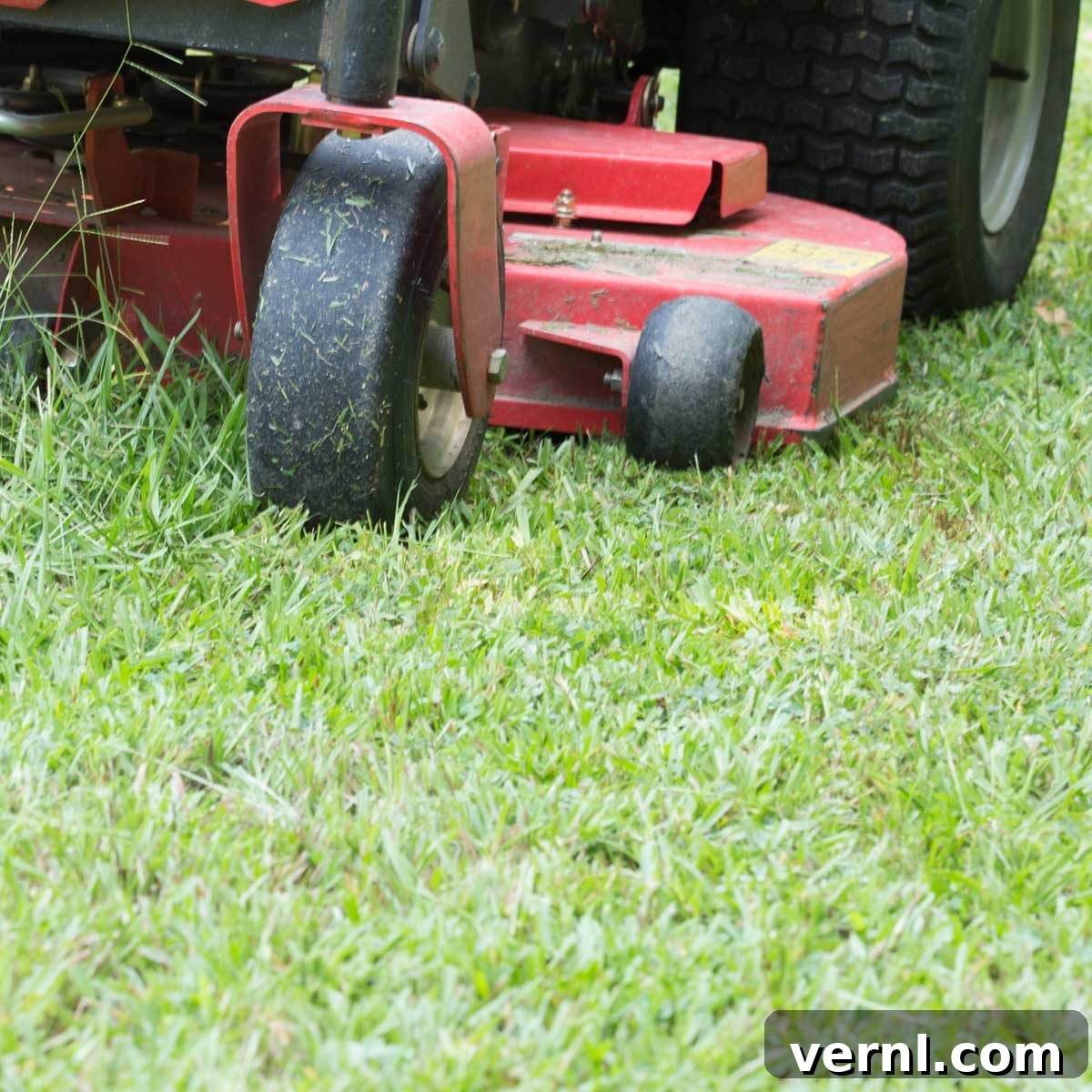
If you’re seeking unparalleled power, exceptional mobility, and incredible speed in your lawn mowing routine, a zero-turn mower is an investment you simply must consider. Perfect for expansive properties dotted with numerous obstacles, these remarkable machines transform the chore of mowing into an effortless and enjoyable task. Boasting wider cutting decks and robust engines, zero-turn mowers can drastically cut down the time you spend on yard work compared to smaller, less capable alternatives. Their signature ability to turn on a dime allows for precise maneuvering around flower beds, trees, and tight fences, ensuring a neat, professional finish every time. Designed with peak efficiency in mind, zero-turn mowers are no longer exclusively for landscaping professionals; they are increasingly becoming the go-to choice for discerning homeowners. This comprehensive guide will break down what makes zero-turn mowers stand out, help you determine if one is the right fit for your needs, and provide insight into what you can expect in terms of cost and features for a new model.
What Exactly is a Zero-Turn Mower?
At first glance, a zero-turn radius (ZTR) riding lawn mower distinguishes itself with its iconic lap bar controls, which are central to its unique operation. These controls offer precision steering combined with independent wheel control, empowering the rider to execute a full 360-degree turn within its own footprint. This innovative design results in impeccably crisp cut patterns – the uniform direction the grass bends after being mowed – and crucially eliminates time-consuming, inefficient turns and redirections commonly associated with traditional riding mowers. This extraordinary mobility, coupled with the impressive speed gained from their typically wider cutting decks, means that ZTRs can complete most lawn care tasks significantly faster than conventional lawnmowers.
Operating a zero-turn mower is an intuitive, albeit learned, skill. Most ZTR mowers are steered by manipulating individual lap-bar levers. Each lever controls the speed and direction of the wheel on its corresponding side of the mower. To move forward in a straight line, you push both levers forward simultaneously, ensuring both wheels rotate at the same rate. To initiate a left turn, you simply push the right lever forward while pulling back slightly on the left lever, effectively slowing or stopping the left wheel. Conversely, to turn right, you perform the opposite action: push the left lever forward and pull back on the right. The front tires on a zero-turn mower are caster wheels; they swivel freely and are not connected to any steering input. This independent speed control over the powered rear wheels is the core mechanism that grants these mowers their exceptional maneuverability and signature zero-turn capability. While incredibly efficient, mastering the controls takes practice, especially when navigating side hills or uneven terrain, where the lack of front-end steering can make a ZTR mower challenging to handle for beginners.
Essential Zero-Turn Mower Features to Consider
Zero-turn mowers are sophisticated pieces of machinery, offering a wide array of options and features designed to enhance performance, comfort, and safety. Among these, safety features stand paramount. As Ben Gillette, owner of Bacon’s Equipment, emphasizes, “Zero-turn mowers have complete operator presence safety features, and all the ones we sell have rollover protection. It’s definitely a safety liability if you don’t.” The increased speed capabilities of ZTR mowers can sometimes embolden users to tackle challenging terrain or inclines more aggressively than recommended. A rollover incident on a ZTR mower is a serious matter, particularly when considering the potential for several hundred pounds of steel and rapidly whirling blades to cause severe injury. A comprehensive rollover protection system (ROPS) typically includes crucial components such as stabilizers, tip-warning systems, a sturdy rollbar, and a seat belt. Many modern ROPS designs are also engineered to fold down easily, simplifying transportation on trailers and storage in compact spaces.
Power and Performance: Engine Types and Horsepower
The engine is the heart of any zero-turn mower, directly impacting its power, speed, and overall performance. ZTRs typically feature robust gasoline engines from reputable manufacturers like Kohler, Kawasaki, and Briggs & Stratton. Engine size is usually measured in horsepower (HP) or cubic centimeters (CC), with higher figures generally indicating more power. For residential use on properties up to three acres, engines in the 20-24 HP range are often sufficient. Larger properties or commercial applications might demand more powerful engines, often exceeding 25 HP, to handle heavier loads and prolonged use. Considerations for engine type also include single-cylinder vs. twin-cylinder designs, with twin-cylinder engines offering smoother operation, less vibration, and often more torque.
Cutting Deck Excellence: Stamped vs. Fabricated
The cutting deck is a critical component that directly influences the quality and consistency of your lawn’s cut. When evaluating a ZTR mower’s cutting deck, you’ll encounter two primary types: stamped and fabricated. Stamped decks are typically made from a single sheet of thinner steel, pressed into shape. These are common in many residential mowers and are generally durable enough for homeowners mowing a few acres once a week. They offer a good balance of cost and performance.
However, if your mowing demands are more rigorous – perhaps you manage many acres, multiple properties, or encounter tough, uneven terrain – a fabricated steel deck might be a worthwhile upgrade, despite the extra cost and weight. Fabricated decks are constructed from multiple pieces of thick-gauge steel (often 10-gauge or thicker) that are seam-welded together. This construction method results in a significantly stronger, more rigid, and more impact-resistant deck, capable of withstanding years of heavy use and challenging conditions. They are less prone to bending or cracking and typically provide superior airflow for a cleaner cut and better bagging performance.
Embracing Eco-Friendly Options: Battery-Powered Zero-Turns
For homeowners keen on reducing their environmental footprint, minimizing noise pollution, or simply avoiding the hassle of storing gasoline, battery-powered zero-turn mowers offer a compelling alternative. While these electric models may come with a slightly higher initial price tag, they are proving to be perfect for properties of four acres or fewer. Manufacturers have made significant strides in battery technology, offering impressive runtimes and power comparable to their gas counterparts. For instance, Ryobi has notably expanded its outdoor tool lineup with a robust selection of battery-powered ZTR mowers, providing various battery platforms and cutting deck sizes to match diverse workload requirements. Other leading brands like Greenworks, EGO, and Cub Cadet also offer competitive electric ZTR models, providing homeowners with more sustainable and quieter lawn care solutions.
Convenience and Utility: Towing, Bagging, and Washing Systems
Utility features significantly enhance the versatility of a zero-turn mower. If you plan to tow accessories, look for models equipped with a receiver hitch. Towing capability is a valuable asset for larger properties where you might need to transport a trailer laden with tools, mulch, or other items to remote corners of your land. Furthermore, a receiver hitch allows you to connect a range of useful tow-behind implements, such as aerators, dethatchers, spreaders, and leaf collection systems, transforming your ZTR into a multi-functional yard maintenance machine.
Similarly, for a pristine lawn, consider models that support bagging attachments or even vacuum systems designed for leaves and other debris. These systems effectively collect grass clippings and yard waste, leaving your lawn immaculate and reducing the need for raking.
Another clever time-saving feature found on many modern zero-turn mowers is an integrated washing system. These systems typically feature a hose connection port on the cutting deck. Once connected to a standard garden hose, they function as a miniature power washer, specifically designed to clean the underside of the deck. This is incredibly useful for dislodging packed-on grass clippings, which, if left to accumulate, can form a hard crust, impeding blade performance and promoting rust. Regular cleaning with such a system extends the life of your deck and maintains optimal cutting efficiency.
Comfort and Ergonomics: Enhancing the Mowing Experience
While speed and performance are crucial, comfort during long mowing sessions should not be overlooked. Many advanced zero-turn mowers incorporate features designed to reduce operator fatigue and enhance the overall experience. Look for models with high-back seats, often with armrests, which provide better lumbar support. Some premium models even include suspension systems, ranging from spring-loaded seats to full-frame suspension, to absorb bumps and vibrations, making for a much smoother ride over uneven terrain. Other comfort-oriented features might include cup holders, storage compartments for personal items, and ergonomic control placements, all contributing to a more enjoyable and less strenuous mowing experience.
Zero-Turn Mower Buying Considerations: Is It Right For You?
The most significant factor influencing your choice of mower should always be the specific nature of your lawn and property. Zero-turn mowers truly excel on larger lawns or properties that feature a moderate number of obstructions, such as bushes, garden beds, or a swimming pool. Expansive, open stretches of lawn are where the enhanced speed of ZTRs genuinely shines, allowing you to cover ground rapidly. Simultaneously, the unparalleled tight-turning radius around obstacles is precisely where the exceptional maneuverability of a zero-turn mower proves its worth, delivering precise cuts and minimizing missed areas.
Conversely, properties characterized by very small or intricately designed hard-to-reach areas might benefit more from mowers with smaller deck sizes, or even from agile push mowers or string trimmers for ultimate precision. A critical, yet often overlooked, consideration for potential zero-turn mower owners is the width of any gate access points on their property. There is no benefit in investing in a powerful mower with a 52-inch cutting deck if your backyard gate is only 35 inches wide! Always measure your narrowest access points and seek out more compact ZTR designs or those with foldable ROPS to ensure easy passage through standard gates and tight spaces.
Lastly, properties that feature extreme slopes – generally defined as gradients exceeding 10 to 15 degrees – are usually better served by a lawn or garden tractor, which typically offers greater stability on inclines due to their different weight distribution and steering mechanisms. However, some specialized ZTR models are engineered with enhanced traction and lower centers of gravity specifically for sloped mowing; if your property has significant hills, it’s crucial to consult with a dealer about models designed for such conditions.
Leading Zero-Turn Mower Brands in the Market
The market for zero-turn mowers is robust, featuring a mix of brands that are household names alongside specialized manufacturers celebrated for their innovative designs and commercial-grade durability. Widely recognized names that homeowners often encounter include trusted brands such as John Deere, known for its extensive range and reliability; Ryobi, a leader in battery-powered outdoor equipment; Husqvarna, celebrated for its robust designs; Cub Cadet, offering a blend of performance and value; and Troy-Bilt, recognized for its residential focus. For those seeking more specialized or high-performance options, manufacturers like Ariens, Swisher, Exmark (a favorite among professionals for its commercial-grade machines), and EGO (another innovator in the electric outdoor power equipment space) consistently deliver cutting-edge technology and exceptional build quality. When choosing a brand, consider not only initial cost but also the availability of local dealerships, parts, and service.
Zero-Turn Mower Accessories and Attachments: Enhance Versatility
One of the great advantages of modern zero-turn mowers is their versatility, significantly extended through a wide array of accessory and attachment options, many of which are similar to those available for traditional lawn tractors. These enhancements transform your mower from a single-purpose machine into a year-round utility vehicle for various lawn and garden tasks.
Common tow-behind accessories include robust baggers for collecting grass clippings, efficient aerators for promoting healthier turf, and effective lawn sweepers for gathering leaves and debris. Other useful tow-behind implements can include utility trailers for hauling materials, dethatchers for removing thatch buildup, and spreaders for applying fertilizer or seed.
Beyond tow-behind options, overhead attachments like sun canopies provide welcome shade and protection from the elements during long mowing sessions. Light kits are available for those who need to work at dawn or dusk, and mulching kits can convert your mower to finely chop clippings and return nutrients to the soil. Most reputable dealerships and outdoor power equipment supply stores stock a comprehensive range of accessories specifically designed for all major ZTR brands, ensuring compatibility and optimal performance. Investing in the right attachments can significantly broaden the utility of your zero-turn mower, making it an even more valuable asset for property maintenance.
Zero-Turn Mower Costs and Financing Options
It’s no secret that zero-turn mowers represent a more substantial investment than most other types of riding lawn mowers. Prices for new models typically range between $2,000 and $5,000, not including accessories or specialized attachments. The highest-ticket ZTRs, often exceeding $10,000, are professional-grade machines built for rigorous daily use by commercial landscapers who manage dozens of properties. For the average homeowner, the sweet spot that balances essential features, robust build quality, and affordability often falls closer to the $2,500 to $4,000 range. This segment typically offers a good balance of cutting deck size, engine power, and comfort features suitable for properties from one to five acres.
Given that a zero-turn mower might cost more than your first car, exploring financing options is a smart approach. Many manufacturers and authorized retailers offer competitive financing plans, including low-interest rates or deferred payment options for qualified buyers. These programs can make ownership more accessible by breaking down the total cost into manageable monthly payments. It’s also wise to research the difference between a zero-turn and a traditional riding mower to ensure you’re investing in the right machine for your specific needs and budget.
Zero-Turn Mower Maintenance and Repair Considerations
Proper maintenance is crucial for extending the lifespan and ensuring the optimal performance of your zero-turn mower. Generally, maintenance on zero-turn mowers involves a routine of cleaning, regular engine tune-ups, and meticulous blade sharpening and eventual replacement. As Ben Gillette advises, “The same as other mowers, you’ll want to change your oil, check any grease fittings, keep it clean and change the air filter once a season or more, depending on hours of usage.” Neglecting these simple steps can lead to decreased efficiency, accelerated wear, and costly repairs down the line.
Beyond these basics, it’s important to routinely check tire pressure, inspect belts for wear, ensure all bolts and fasteners are tight, and lubricate moving parts as recommended by the manufacturer. Keeping the cutting deck free of built-up grass clippings and debris is vital for a consistent cut and to prevent rust.
When it comes to repair, owning a zero-turn mower typically requires a bit more logistical planning. Due to their size and weight, you’ll likely need to invest in a trailer for transportation to and from a service center. Alternatively, many dealerships and repair services offer convenient pickup and delivery options, which can be a valuable service. For the mechanically inclined, taking the DIY maintenance and minor repair route is possible, provided you have the right tools, a service manual, and a willingness to learn. However, for complex engine issues or transmission problems, professional assistance is almost always recommended to prevent further damage. Regular, proactive maintenance will significantly reduce the frequency and cost of major repairs.
Frequently Asked Questions About Zero-Turn Mowers
How often should I service a zero-turn mower?
At a minimum, you should service a zero-turn mower once per season, typically at the beginning of the mowing season, or every 50 hours of running time, whichever comes first. For heavy usage or commercial applications, more frequent servicing may be necessary. This includes oil changes, filter checks, blade inspection, and lubrication.
What size yard is a zero-turn best for?
Zero-turn mowers are best suited for lawns that are at least 1/2-acre in size. They truly excel on properties ranging from one to five acres or more, particularly those with numerous obstacles like trees, garden beds, and fences, where their superior maneuverability can significantly reduce mowing time.
Are zero-turn mowers hard to drive?
Zero-turn mowers have a unique control system using lap bars, which can feel different from traditional steering wheels. While it takes some practice to master, especially precise turns and navigating slopes, most users find them intuitive to learn within a few mowing sessions.
How fast do zero-turn mowers go?
The maximum speed of a zero-turn mower varies by model and engine size. Residential zero-turns typically have top speeds ranging from 6 to 8 mph, while commercial-grade models can reach speeds of 10 to 12 mph or even higher, significantly reducing mowing time on large properties.
What’s the main difference between a zero-turn and a riding mower?
The primary difference lies in their steering and turning radius. Zero-turn mowers use independent wheel control (lap bars) to turn within their own footprint (zero-turn radius), offering superior maneuverability and faster mowing, especially around obstacles. Traditional riding mowers use a steering wheel, similar to a car, resulting in a wider turning radius and more time spent making turns.
About the Expert
- Ben Gillette is the owner of Bacon’s Equipment in Williamsburg, Massachusetts, a trusted local expert in outdoor power equipment.