Can Your Car Pass an Emissions Inspection with the Check Engine Light On?
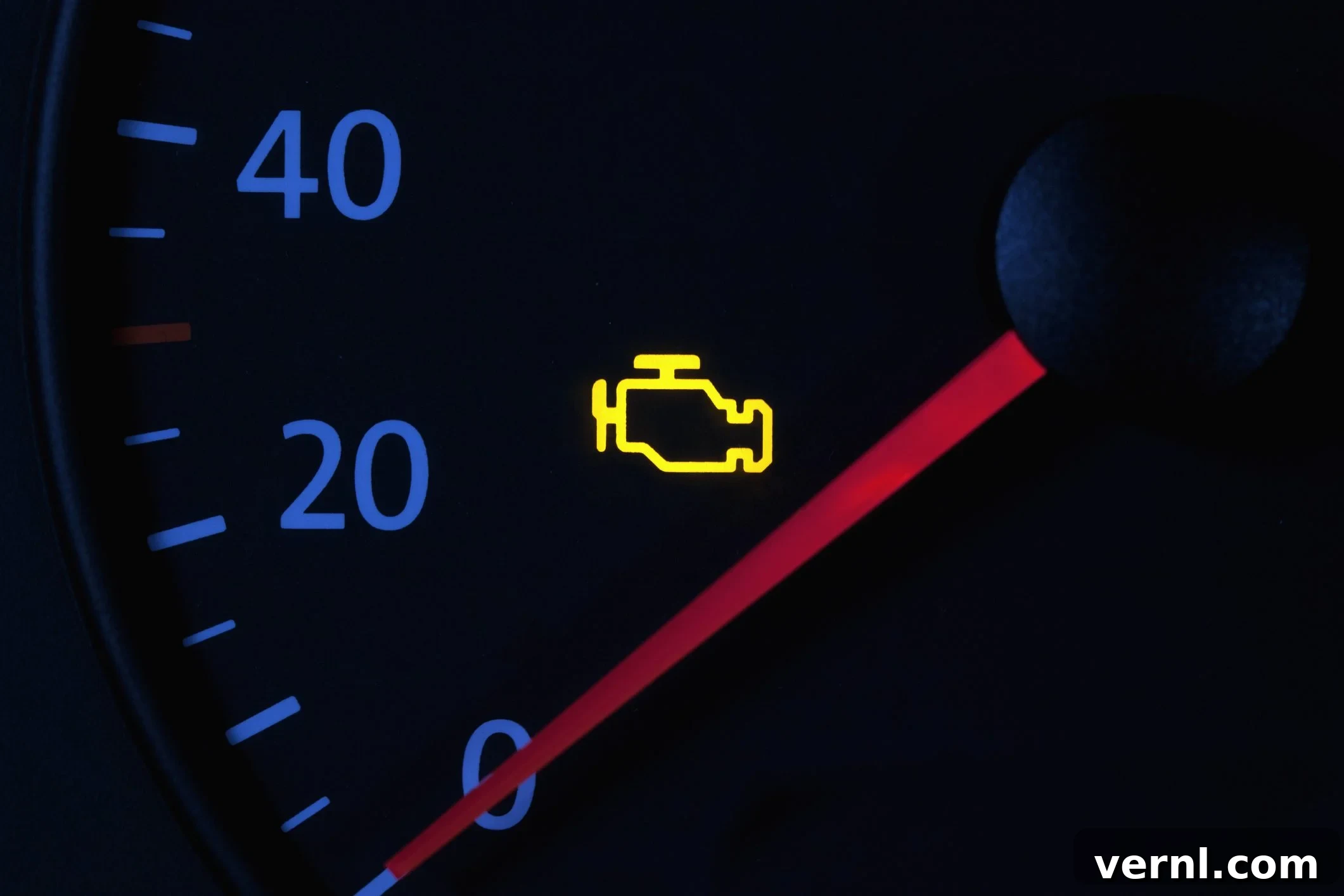
The short answer is often no: a vehicle typically cannot pass an emissions inspection if the Check Engine Light (CEL) remains illuminated during the test. However, the comprehensive reality is more nuanced, heavily depending on your specific state and county motor vehicle laws, the age of your vehicle, its gross weight, and the mileage accumulated since its last inspection.
Understanding these intricacies is crucial for any vehicle owner. As Jon Stull, a certified vehicle emissions and safety instructor in Pennsylvania, explains, even if a vehicle in his state successfully clears a safety inspection, it’s legally prohibited to affix a safety inspection sticker to the windshield if the vehicle subsequently fails an emissions test. He notes this particular regulation is “one of the most difficult regulations to explain” to vehicle owners due to its conditional nature and the layers of varying state-specific requirements.
Understanding Vehicle Inspections: Safety vs. Emissions
Vehicle inspections are fundamental to ensuring road safety and environmental protection. These requirements are primarily regulated by individual states, with most mandating at least one of two primary types of inspections:
- Safety Inspections: These examinations are designed to confirm a vehicle is safe and roadworthy. Inspectors meticulously check critical components such as the braking system, steering and suspension components, tire condition and tread depth, exhaust system integrity, and the proper functioning of all lights (headlights, tail lights, turn signals, brake lights). The overarching goal of a safety inspection is to mitigate the risk of accidents caused by mechanical failures, ensuring that every vehicle on the road meets minimum operational standards.
- Emission Inspections: Focused on environmental compliance, emission inspections verify that a vehicle’s emission control systems are functioning correctly and that its tailpipe emissions do not exceed specified limits for harmful pollutants. These tests measure various greenhouse gases and smog-forming compounds, primarily performed to reduce the overall atmospheric burden of harmful exhaust greenhouse gases and prevent excessive smog levels. By ensuring vehicles meet these standards, states aim to improve air quality and protect public health.
State-Specific Requirements and Pre-Purchase Considerations
The landscape of inspection requirements varies significantly from state to state. Some jurisdictions mandate both safety and emission inspections, while others may require only one or even none at all. In many states, vehicles must successfully pass both types of inspections before they can be legally registered. Conversely, some states prioritize proof of insurance as a prerequisite before any inspection can be conducted.
Beyond state mandates, individual insurance companies might also impose their own requirements. For instance, some insurers may insist on independent pre-purchase inspections before offering coverage, particularly for older vehicles or those with a history of significant damage, such as salvaged or flood-damaged cars. These inspections help identify potential underlying problems that could pose future risks or liabilities. To navigate these complex regulations and determine exactly which inspections, if any, are required for your vehicle, it’s always advisable to consult directly with your state’s Department of Motor Vehicles (DMV).
A note for used car buyers: For complete peace of mind and to avoid unforeseen repair costs, always prioritize obtaining an independent pre-purchase safety and emission inspection before finalizing the purchase of any used vehicle. This due diligence can save you significant time, money, and hassle in the long run.
Who Conducts Emission Inspections?
The methodology for conducting emission inspections also differs across states. Some states, like New York and Pennsylvania, operate through a decentralized system, certifying independent repair shops and qualified mechanics to perform both emission inspections and necessary repairs. This approach allows for greater convenience and access to inspection services. In contrast, other states, such as Arizona, maintain centralized, state-run emission testing stations. These dedicated facilities often focus solely on testing, with repairs needing to be carried out elsewhere. To determine the authorized inspection locations and personnel in your area, your best resource remains your state’s DMV website or local office, which can provide a list of certified inspection centers.
What Transpires During an Emission Inspection?
The specific procedures involved in an emission inspection, also known as an Inspection and Maintenance (I/M) inspection, can vary based on the state, region, and the vehicle’s model year. A comprehensive I/M inspection may incorporate one or more of the following tests: a visual anti-tampering inspection, an onboard diagnostic (OBD) test, and/or a tailpipe idle test.
1. Visual Anti-Tampering Inspection
During the anti-tampering inspection, a trained inspector conducts a thorough visual examination of the vehicle’s emission control components. The primary objective is to ensure that all factory-installed emission-related systems are present, properly connected, functioning as intended, and have not been illegally altered or removed. Depending on state regulations, inspectors typically scrutinize the following critical items:
- Catalytic Converter: This vital component reduces toxic pollutants in exhaust gas. Inspectors check for its presence and any signs of tampering or damage.
- Exhaust Gas Recirculation (EGR) Valve/System: The EGR system reduces nitrogen oxide emissions by recirculating a portion of exhaust gas back into the engine’s cylinders. Inspectors verify its presence and proper connection.
- Positive Crankcase Ventilation (PCV) Valve/System: The PCV system removes harmful blow-by gases from the crankcase. Its integrity is checked to prevent oil sludge and excessive emissions.
- Air Pump, Valves, Pulleys, and Fan Belts: If present, the air injection system helps reduce hydrocarbon and carbon monoxide emissions by injecting fresh air into the exhaust stream. Components are checked for proper function and installation.
- Evaporative Control System (EVAP) Canister, Canister Filter/System: The EVAP system captures fuel vapors from the fuel tank and sends them to the engine to be burned, preventing their release into the atmosphere. Inspectors look for the canister and ensure its associated lines are intact.
- Fuel Lines and Gas Cap: Inspectors check for leaks or damage in the fuel lines and ensure the gas cap forms a proper seal, as a loose or faulty cap can trigger a CEL and contribute to evaporative emissions.
2. Onboard Diagnostic (OBD) Test
For vehicles manufactured in 1996 or newer, the Onboard Diagnostic (OBD-II) system plays a pivotal role in emission inspections. During an OBD test, the vehicle is electronically linked to the emission testing equipment via its On-Board Diagnostic Link Connector (DLC). The testing equipment then communicates with the vehicle’s computer to perform several crucial checks:
- Readiness Monitor Status: The OBD-II system continuously self-tests various emission control components. These “readiness monitors” indicate whether the system has completed its self-diagnostic cycles. If too many monitors are “not ready” (e.g., due to a recent battery disconnect or code clearing), the vehicle may automatically fail the inspection, as it cannot be confirmed that all systems are operational.
- Check Engine Light (CEL) Functionality: The inspector verifies that the CEL illuminates when the ignition key is in the “on” position (engine off) and then extinguishes once the engine is running. A CEL that doesn’t light up at all, or remains on while the engine is running, is an automatic failure.
- Diagnostic Trouble Codes (DTCs): The OBD-II system stores Diagnostic Trouble Codes (DTCs) whenever a malfunction is detected in the emission control system. The testing equipment reads these codes. Even if the CEL has been recently turned off but a “pending” or “stored” code indicates an unresolved issue, it could lead to a failed inspection.
3. Tailpipe Idle Test
The tailpipe idle test is a more traditional method where a probe is inserted into the vehicle’s exhaust pipe to directly measure the concentration of various pollutants. This test is typically performed at idle and sometimes at higher RPMs, depending on the specific state and vehicle type. The primary exhaust gases measured during this test include:
- Hydrocarbons (HC): Unburned fuel, indicating incomplete combustion. High levels often point to ignition problems, faulty spark plugs, or engine mechanical issues.
- Carbon Monoxide (CO): A byproduct of incomplete combustion. Elevated CO levels can signal a rich fuel mixture, a failing catalytic converter, or issues with the oxygen sensors.
- Oxides of Nitrogen (NOx): Formed at high combustion temperatures. High NOx levels often indicate issues with the EGR system or catalytic converter, or an engine running too hot.
- Oxygen (O2): While not a pollutant itself, oxygen levels in the exhaust are crucial for assessing the air-fuel mixture. Ideal O2 levels suggest the engine is operating efficiently, and the catalytic converter is functioning optimally.
On average, a standard emissions test typically takes between 15 and 30 minutes to complete, provided there are no complications or immediate failures.
Compliance Standards and Inspection Outcomes
Many states have adopted stringent emission standards, with some choosing to follow California’s rigorous emissions I/M standards, which are often the most demanding in the nation. Other states have adopted the U.S. Environmental Protection Agency (EPA) Vehicle Emissions Inspection and Maintenance I/M standards, which provide a federal baseline for emission control. The choice of standard dictates the strictness of the testing procedures and the acceptable limits for pollutants.
When a vehicle fails an I/M test, the inspector is required to issue a detailed report outlining the reasons for failure. It’s important to note that unless the inspector is also a state-certified I/M repair technician, they are generally not obligated to diagnose the underlying problem or suggest specific repairs. In most cases, it falls to your trusted mechanic—or you, if you possess the necessary skills—to determine why the vehicle failed and to perform the necessary corrective actions. Importantly, any individual, including the vehicle owner, is permitted to make the repairs.
Is an Illuminated Check Engine Light an Automatic Failure?
For most vehicles manufactured in 1996 or newer, the answer is unequivocally yes: an illuminated Check Engine Light (CEL) during an emissions inspection typically results in an automatic failure. The OBD-II test specifically verifies the proper function of the CEL. If the CEL remains on while the engine is running, it signals that the vehicle’s onboard diagnostic system has detected a fault in an emission-related component that could lead to excessive pollution, thus failing the emissions inspection immediately.
Exceptions, Exemptions, and Waivers to the Rule
While the general rule is strict, most states recognize that certain circumstances warrant exceptions. These exemptions and waivers are designed to provide flexibility for unique vehicle types, alleviate burdens on specific populations, or account for situations where repairs become economically unfeasible. Depending on your state’s specific laws, these could include:
- Vehicle Age: Many states exempt older vehicles, such as those older than 20 years, from emission testing. The reasoning is that these vehicles often lack modern emission control systems, and their contribution to overall pollution is statistically lower compared to the newer fleet.
- Senior Citizen Exemptions: Some states offer exemptions for senior citizens, particularly if they own vehicles that are 10 years old or older, acknowledging potential financial hardships or limited vehicle usage.
- Limited Mileage Driven: In certain regions, vehicles driven below a specified annual mileage threshold since their last emissions inspection might be eligible for an exemption, assuming their environmental impact is minimal.
- Non-Traditional Vehicles: Classic cars, antique vehicles, show cars, and parade vehicles are often exempt due to their infrequent use and classification as historical or recreational vehicles, rather than daily commuters.
- Documented Repairs and Waivers: If you have made and documented good-faith attempts to repair the emission-related problem, but your vehicle still fails the inspection, you might be able to apply for a one-year waiver. This typically requires spending a minimum amount on qualified repairs (a “repair cost waiver”) and failing a subsequent re-inspection. This acknowledges situations where complex issues require multiple repair attempts.
- Specific Failures: In rare cases, a vehicle might fail the OBD test due to a persistent CEL but pass all components of a safety inspection. Depending on state law, there might be specific protocols for such scenarios, although this is less common for emission-related failures.
- Newer Vehicle Abatement Fees: Some states offer an option for vehicles less than a certain age (e.g., four years old) to pay a “smog abatement fee” instead of undergoing a full emission test, recognizing that newer vehicles are less likely to fail and this streamlines the process.
Given the complexity and state-to-state variation, it is absolutely essential to contact your state’s Department of Motor Vehicles (DMV) or equivalent agency to ascertain if your vehicle qualifies for any exemption or waiver from emissions testing requirements.
What To Do if Your Check Engine Light Illuminates
An illuminated Check Engine Light (CEL) should never be ignored. While it can indicate a serious problem, it can also be triggered by something relatively minor. Here are several steps you can take, from simple DIY solutions to more advanced diagnostics:
1. Check the Gas Cap
One of the most common and easiest-to-fix reasons for a CEL to come on is a loose or faulty gas cap. The evaporative emission control (EVAP) system monitors fuel vapor leaks, and a loose cap can create a significant leak. Ensure your gas cap is securely tightened, turning it until it clicks several times. Drive your vehicle for a few cycles, and the light may turn off on its own.
2. Disconnect the Battery
For some minor, intermittent issues, disconnecting the car battery for about five minutes can sometimes reset the CEL. However, be aware that this will also reset your car’s computer, erase radio presets, and potentially require you to re-enter security codes for your stereo system. More importantly, it will clear the “readiness monitors” in your OBD-II system, meaning your car will need to be driven for a specific “drive cycle” (which varies by manufacturer) to re-set these monitors. If you have an emissions test coming up, this might actually prevent your car from passing if the monitors aren’t ready.
3. Use an OBD-II Code Reader
The most effective initial step is to use an inexpensive code reader/scan tool. These devices plug into your vehicle’s OBD-II port (usually located under the dashboard on the driver’s side) and can read the Diagnostic Trouble Codes (DTCs) stored by your car’s computer. Each code corresponds to a specific issue (e.g., P0420 for catalytic converter inefficiency, P0301 for a cylinder 1 misfire). Understanding the code is the first step toward diagnosing the problem accurately. Some advanced scan tools can also turn off the CEL, but remember that merely turning off the light without addressing the underlying issue will likely result in the light coming back on, and your vehicle still failing an inspection.
4. Seek Professional Diagnosis
If the CEL remains on after basic checks, or if your code reader indicates a more complex issue, it’s crucial to seek professional help. A qualified mechanic has sophisticated diagnostic equipment and expertise to pinpoint the exact cause of the CEL and perform the necessary repairs. Ignoring a persistent CEL can lead to more severe damage to your engine, catalytic converter, or other costly components over time, potentially impacting your vehicle’s safety and fuel efficiency.
Preparing Your Vehicle for an Emissions Test
Proactive maintenance is key to passing an emissions test. Beyond addressing a glowing CEL, consider these tips:
- Regular Maintenance: Ensure your car is up-to-date on all scheduled maintenance, including oil changes, spark plug replacements, and air filter checks. Well-maintained engines run cleaner.
- Tire Pressure: While not directly related to emissions, properly inflated tires ensure optimal fuel efficiency, which is a sign of overall vehicle health.
- “Drive Cycle” Completion: If you’ve recently disconnected your battery or cleared a CEL, drive your vehicle for several days under varying conditions (highway, city, idling) to allow the OBD-II readiness monitors to complete their self-tests. Failure to do so will result in a “not ready” status and an automatic fail.
- Engine Warm-up: Drive your car for at least 15-20 minutes before the test to ensure the engine and catalytic converter are at their optimal operating temperatures for efficient emission control.
- Avoid Fueling Just Before: Ensure your fuel tank is not completely full and that your gas cap is sealed tightly, as minor fuel system leaks can trigger codes.
The Environmental Impact of Vehicle Emissions
It’s important to remember that emission inspections are not just about compliance; they are a critical component of broader environmental protection efforts. Vehicles emit a range of pollutants, including carbon monoxide, hydrocarbons, nitrogen oxides, and particulate matter, which contribute to smog, acid rain, and global climate change. These pollutants have serious consequences for human health, causing respiratory illnesses, heart disease, and other conditions. By enforcing emission standards and conducting regular inspections, states aim to reduce these harmful effects, improve air quality, and safeguard public health and the environment for future generations. This societal benefit underlies the strictness of emission testing protocols.
Conclusion: Prioritize Vehicle Health for Compliance
In conclusion, while there are specific state-dependent exceptions and waivers, an illuminated Check Engine Light generally indicates an automatic failure for an emissions inspection in most modern vehicles. This is a critical indicator from your vehicle’s onboard diagnostic system that something is amiss with its emission control components. Ignoring the CEL not only puts you at risk of failing mandatory inspections but can also lead to more significant and costly repairs down the line, diminish your vehicle’s performance, and contribute unnecessarily to air pollution.
Proactive vehicle maintenance, prompt attention to a glowing CEL, and understanding your local DMV’s specific requirements are essential steps for any responsible vehicle owner. By addressing potential issues swiftly and preparing your vehicle adequately, you can significantly increase your chances of passing your next emissions inspection, ensuring your vehicle is both compliant with environmental regulations and safe for the road.