
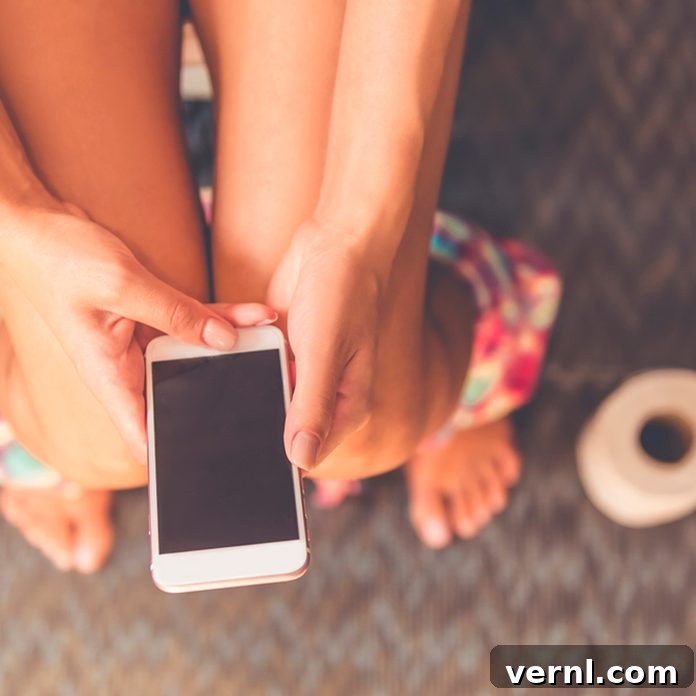
The Hidden Dangers of Taking Your Phone into the Bathroom: A Guide to Healthier Habits
In our increasingly connected world, smartphones have become an indispensable extension of ourselves. From checking emails to scrolling through social media, these devices are our primary mode of contact and information. This constant companionship often extends even to the most private of places: the bathroom. What was once a solitary moment has transformed into an opportunity for multitasking, whether it’s catching up on news, responding to texts, or even making a quick call. However, this seemingly harmless habit carries significant, often overlooked, health risks. Research suggests that bringing your phone into the bathroom isn’t just a questionable social etiquette; it’s a direct pathway for germ transmission that can compromise your health and the well-being of those around you.
This article delves into the unsettling truth about phone use in the bathroom, exploring the types of germs involved, how they spread, and practical steps you can take to mitigate these risks. We’ll uncover why experts strongly advise against this common practice and provide actionable strategies for fostering a safer, cleaner environment for both you and your beloved device.
The Alarming Truth: Your Phone as a Breeding Ground for Germs
The bathroom, by its very nature, is a hotbed for bacteria and viruses. While regular cleaning helps manage the situation, the act of using a toilet inevitably releases microscopic particles into the air and onto surfaces. When you introduce your smartphone into this environment, it becomes a prime candidate for picking up these unwelcome guests. Experts have repeatedly highlighted the dangers, emphasizing that your phone can transform into a notorious carrier of harmful pathogens.
According to researchers consulted by MetroUK, taking your phone into the toilet can expose yourself and others to a host of dangerous germs. These include well-known culprits such as Salmonella, E. Coli, and Clostridium difficile (C. Difficile). These pathogens are commonly found in fecal matter and can cause severe gastrointestinal illnesses, ranging from mild discomfort to life-threatening infections. Beyond these, other potential contaminants include Norovirus, which causes widespread vomiting and diarrhea, and even MRSA (Methicillin-resistant Staphylococcus aureus), a type of bacteria resistant to several antibiotics.
How Germs Transfer from Surfaces to Your Device (and Back to You)
The mechanism of germ transfer is surprisingly simple and often occurs without us realizing it. Consider the typical sequence of events: you use the toilet, then reach for the flush handle, touch the toilet seat, or perhaps the door lock. All these surfaces are potential contact points for bacteria. If you then handle your phone before adequately washing your hands, these germs are directly transferred to your device. Your phone, with its warm surface and constant contact with your hands and face, becomes an ideal environment for these microbes to thrive and multiply.
The problem is compounded if handwashing is skipped entirely or performed inadequately. Proper handwashing—with soap and water for at least 20 seconds—is crucial for removing these pathogens. However, even if you wash your hands diligently, touching a contaminated phone immediately afterward can re-contaminate your clean hands, rendering your efforts almost moot. Dr. Lisa Ackerley, a hygiene expert, points out that if you wipe yourself and then pick up your phone, you might as well not bother washing your hands, because all the bacteria you put on your phone will end up back on your hands, and eventually, potentially in your mouth.
The Invisible Threat: Toilet Plume and Aerosolized Bacteria
Another significant factor in bathroom contamination is the phenomenon known as “toilet plume.” Every time a toilet is flushed, especially with the lid open, a cloud of invisible aerosolized particles is released into the air. These microscopic droplets can travel several feet, carrying bacteria and viruses from the toilet bowl and depositing them onto surrounding surfaces, including your toothbrush, towels, and, yes, your smartphone. This airborne spread means that even if you’re careful about what you touch, your phone can still be contaminated just by being present in the room during a flush.
This is precisely why experts strongly recommend always closing the toilet lid before flushing. This simple act can dramatically reduce the spread of these airborne pathogens, creating a healthier environment within your bathroom and reducing the overall risk of cross-contamination to your personal items, including your phone.
Beyond Germs: Other Risks and Downsides of Bathroom Phone Use
While germ transmission is the most alarming risk, taking your phone into the bathroom also introduces other less obvious but equally impactful problems:
- Device Damage from Humidity and Drops: Bathrooms are typically humid environments. This moisture can infiltrate your phone, potentially damaging internal components over time. More immediately, the hard surfaces of a bathroom increase the risk of accidental drops, which can lead to cracked screens, water damage (if dropped in the toilet), or other costly repairs. If you do accidentally drop your phone in the toilet, immediate action is crucial, but prevention is always better.
- Distraction and Safety Hazards: Being engrossed in your phone can lead to a lack of awareness of your surroundings. In a bathroom, this could mean slips or falls on wet floors or not paying attention to children who might also be in the house.
- Privacy and Security Concerns: In public restrooms, using your phone can inadvertently lead to privacy breaches, either through accidental recordings or someone looking over your shoulder. Forgetting your phone in a public bathroom can also result in its loss or theft, compromising personal data and security.
- Perpetuating Digital Dependence: Using the bathroom offers a rare opportunity for a brief digital detox and a moment of quiet reflection. By bringing your phone along, you reinforce constant screen time, hindering your ability to disconnect and potentially contributing to digital addiction. This short break from notifications and scrolling can be beneficial for mental well-being.
Practical Solutions: Mitigating Risks (If You Can’t Resist the Habit)
If you find yourself struggling to break the habit of taking your phone to the bathroom, there are steps you can take to lower the risks, though experts maintain that the best solution is to leave the phone outside entirely.
- Strategic Hand and Phone Handling: Hygiene expert Dr. Lisa Ackerley offers a tactical approach. “Read the book or phone in your right hand, then transfer it to the left,” she explains. “Wipe with your right, flush with the right, carry the book or phone out in your left hand without touching anything else and then wash your hands.” This method minimizes the chances of your clean hand touching contaminated surfaces or transferring germs back to your phone after washing.
- Thorough Handwashing: Reiterate the importance of proper hand hygiene. Use soap and water, lathering for at least 20 seconds, ensuring all surfaces of your hands are scrubbed, including between fingers and under nails. Rinse thoroughly under running water and dry with a clean towel.
- Regular Device Sanitation: Make it a habit to clean your phone regularly, especially after a bathroom visit. Use an alcohol-based wipe (70% isopropyl alcohol) or a phone-specific disinfectant spray on a microfiber cloth. Be sure to follow your phone manufacturer’s guidelines for cleaning to avoid damaging the screen or coatings.
- Always Close the Toilet Lid: As mentioned, this simple act is a powerful defense against the spread of airborne bacteria and viruses from the “toilet plume.” Educate everyone in your household about this crucial step for better bathroom hygiene.
- Minimize Time Spent: If your phone use in the bathroom leads to prolonged stays, consider strategies to cut down the time. Innovations like the new sloped toilet seat are even being designed to make sitting uncomfortable after about five minutes, naturally encouraging shorter bathroom breaks. This not only reduces potential germ exposure but also helps manage your time more efficiently.
The Best Practice: Leave Your Phone Out of the Bathroom
Ultimately, the most effective and recommended solution for avoiding the health risks associated with bathroom phone use is to simply leave your device outside. Dr. Ron Cutler, director of biomedical science degrees at Queen Mary’s University London, offers a straightforward, unequivocal recommendation: “Basically, you just shouldn’t (take your phone into the toilet) if you are at all concerned about the transfer of viruses and fecal contamination.”
Embracing a phone-free bathroom policy offers numerous benefits: a significantly reduced risk of germ exposure, a welcome break from digital distractions, and protection for your expensive device from potential damage. Instead of scrolling, consider using that time for a brief moment of mindfulness, planning your day, or simply enjoying a few moments of peace. Or, if you truly need something to read, opt for a physical book or magazine – items that are easier to sanitize or dispose of if contaminated, and far less costly to replace than a smartphone.
By adopting this simple habit, you not only safeguard your health but also contribute to a cleaner, more hygienic environment for everyone. Make the conscious choice to disconnect in the bathroom and reclaim that space for its intended purpose, free from the hidden dangers that your smartphone can bring.