Discover Smarter Cooling: The Whole House Fan Advantage
As the long, sun-drenched days of summer arrive, many homeowners instinctively reach for their air conditioner remote, believing it to be the sole savior from the oppressive heat and humidity. While air conditioning certainly offers relief, it often comes at a significant cost – both to your wallet and the environment. What if we told you there’s a highly efficient, cost-effective, and surprisingly simple alternative that can dramatically change how you experience summer? Prepare to be amazed by the humble yet powerful whole house fan.
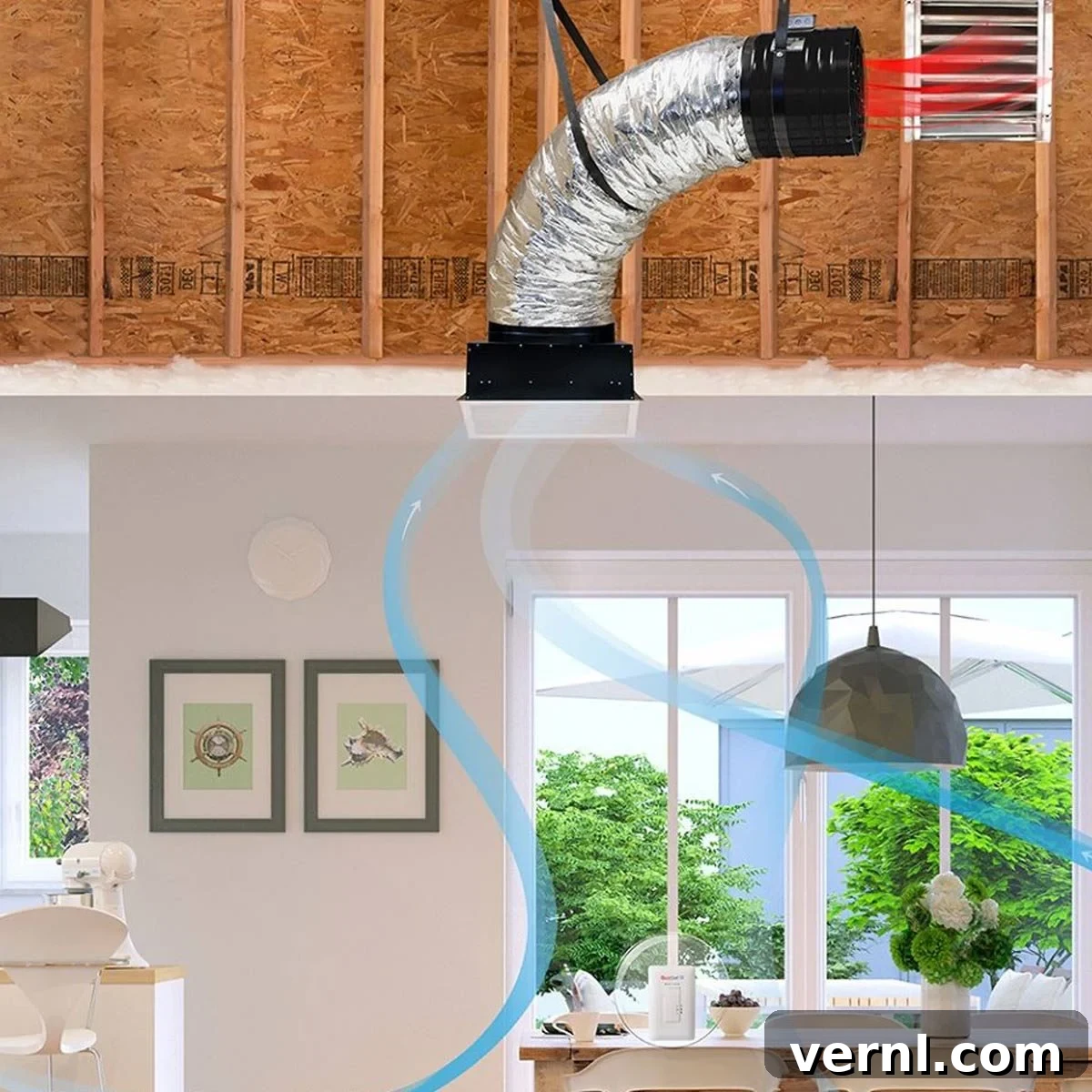
Far from a modern gadget, whole house fans have been a smart cooling solution for decades, offering a breath of fresh air—literally—to homes across various climates. Unlike an air conditioner, which recirculates and cools the indoor air, a whole house fan works by expelling hot, stale indoor air and drawing in cooler, fresher outdoor air through open windows and doors. This creates a complete air exchange throughout your entire home, leading to a much more comfortable indoor environment.
Imagine cooling your entire living space using up to 90 percent less energy than your conventional air conditioner. This isn’t a futuristic fantasy; it’s the reality a whole house fan can provide. By embracing this energy-efficient cooling method, you’re not just reducing your utility bills; you’re also lessening your carbon footprint and contributing to a more sustainable lifestyle. It’s an investment that pays dividends in comfort, savings, and environmental responsibility. Ready to make the switch? Let’s explore how this ingenious device can transform your home’s cooling strategy. Meanwhile, understanding and avoiding common air conditioning mistakes can further optimize your home’s thermal performance.
Embrace Optimal Comfort: Installing a Whole House Fan
A whole house fan isn’t just an alternative; it can be an integral part of a sophisticated home cooling strategy. It excels either as a primary source of cooling during milder periods or as a highly effective “pre-chiller” before you even consider turning on your air conditioner. The concept of pre-chilling your home might sound unconventional at first, but its genius lies in its simplicity and efficiency. By actively drawing in cool evening or morning air, the whole house fan can significantly lower your home’s indoor temperature and even cool down its thermal mass – the walls, furniture, and other objects that absorb and retain heat throughout the day.
When your home’s internal temperature is already substantially reduced thanks to the whole house fan, your air conditioner, when it eventually needs to operate, won’t have to work nearly as hard. This translates directly into substantial energy savings and a reduced strain on your AC unit, potentially extending its lifespan. It’s a classic win-win scenario: lower energy consumption, reduced costs, and prolonged equipment life. This smart approach to cooling maximizes efficiency and minimizes waste, putting you in control of your comfort without compromising your budget.
There are various types of whole house fans available, from traditional roof-mounted systems to quiet, ceiling-mounted models designed for modern homes. Selecting the right size and type for your specific home layout and climate is crucial for optimal performance. Consulting with a qualified HVAC professional can help you determine the best fit, ensuring proper installation and maximum cooling benefits. For those exploring other ventilation options to improve air circulation, especially in ancillary spaces like garages, reviewing top-rated garage fans could also prove beneficial, enhancing overall home comfort and air quality.
Integrating a whole house fan into your home cooling system represents a forward-thinking approach to managing indoor temperatures. It leverages natural principles of air movement to create a comfortable, refreshing indoor environment that feels less artificial than air-conditioned air. This method often results in a more pleasant atmosphere, free from the dryness or stuffiness sometimes associated with continuous AC use. Plus, the constant introduction of fresh outdoor air helps to improve indoor air quality, flushing out allergens, odors, and pollutants that can accumulate in sealed, air-conditioned spaces.
The Mechanics of Cool: How Whole House Fans Work Their Magic
Understanding the operational principle of a whole house fan reveals its elegant simplicity and efficiency. The core concept revolves around leveraging natural temperature differentials and creating a powerful exhaust system to purge warm air from your living spaces. Here’s a detailed breakdown of how this effective cooling method operates:
- Identifying the Optimal Time: The ideal moment to activate your whole house fan is typically in the late evening, overnight, or early morning hours when the outdoor air temperature drops below the indoor temperature. This temperature differential is key to the system’s effectiveness.
- Opening Strategic Vents: Before turning on the fan, you must open several windows and doors, particularly those on the cooler, shadier sides of your house or those strategically placed to facilitate a cross-breeze. This provides the necessary pathways for the cooler outdoor air to enter your home. The number and location of open windows depend on the fan’s capacity and the desired airflow. Generally, opening windows in bedrooms or living areas you wish to cool directly is a good starting point.
- Engaging the Fan: Once the pathways for fresh air are established, the powerful fan, typically installed in your attic ceiling, is switched on. It begins to draw air from inside your living space up into the attic and then expels it through attic vents, such as gable vents, soffit vents, or roof vents.
- Creating a Pressure Differential: As the fan rapidly exhausts the warm, stale air from inside your home, it creates a slight negative pressure within the house. This pressure differential acts like a vacuum, pulling in the cooler, fresher outdoor air through all the open windows and doors.
- Mass Air Exchange: This process doesn’t just cool the air; it initiates a complete mass air exchange. Within minutes, all the air inside your home can be replaced with cooler, cleaner outdoor air. This rapid air turnover effectively flushes out accumulated heat, odors, and pollutants, leaving your home feeling noticeably fresher and cooler. This phenomenon is often described as feeling like a gentle, refreshing breeze flowing through your entire house, a sensation that typical air conditioning rarely provides.
- Thermal Mass Cooling: Beyond cooling the air, the continuous influx of cooler air helps to cool down the thermal mass of your home – the walls, floors, furniture, and appliances that absorb and retain heat throughout the day. By cooling these elements, your home stays cooler for longer, even after the outdoor temperatures begin to rise.
- Strategic Shutdown: As the hottest parts of the day approach and the outdoor temperature begins to climb above a comfortable threshold, it’s time to turn off the whole house fan. Crucially, you then close all the doors and windows. This action seals in the cool air that has been brought in overnight, essentially turning your home into a well-insulated cool box for the warmest hours, effectively delaying or even eliminating the need for air conditioning.
By following these simple steps, you can leverage the power of a whole house fan to maintain a comfortable indoor environment, significantly reduce your reliance on energy-intensive air conditioning, and enjoy the refreshing feel of natural ventilation. This simple yet effective method is a cornerstone of smart, energy-efficient home management. For more simple yet effective strategies to beat the heat, explore these ingenious cooling tricks.
Crucial Considerations: Using Whole House Fans Safely and Effectively
While whole house fans offer exceptional benefits in terms of energy efficiency and comfort, it’s paramount to understand and adhere to certain safety precautions to ensure their safe and effective operation. Improper use can lead to hazardous situations, making awareness and diligence key.
Safety First: Preventing Backdrafting and Carbon Monoxide Risks
The most critical safety concern when operating a whole house fan is the potential for backdrafting. Because the fan creates a powerful exhaust and a negative pressure inside your home, it can inadvertently pull combustion byproducts from gas-burning appliances back into your living space. This includes furnaces, water heaters, gas stoves, and clothes dryers that vent to the outside. If these appliances are operating simultaneously with insufficient combustion air, the whole house fan can overpower their natural draft, drawing dangerous exhaust fumes, including odorless and colorless carbon monoxide, into your home. Carbon monoxide poisoning is a serious, life-threatening risk, so this caution cannot be overstated.
To mitigate this risk, it is absolutely vital to ensure adequate fresh air intake when the whole house fan is running. Always leave several windows and doors wide open. The fan must have a clear path to draw in cooler outdoor air from multiple points, thereby preventing a significant negative pressure that could lead to backdrafting. Additionally, installing and regularly checking carbon monoxide detectors in your home is an essential safety measure, providing an early warning system against this silent killer. Homeowners should be particularly vigilant about areas at highest risk for carbon monoxide poisoning.
Understanding the Humidity Hurdle
Another important limitation of whole house fans is their inability to dehumidify the air. They are purely ventilation devices designed to move air and exchange heat. In regions with high humidity levels, such as many subtropical or tropical climates, introducing large volumes of humid outdoor air into your home can actually make it feel muggier and less comfortable, even if the temperature is lower. High humidity also creates an environment conducive to mold and mildew growth, which can compromise indoor air quality and structural integrity.
Therefore, if you reside in an area characterized by persistent high humidity, a whole house fan alone may not be the optimal primary cooling solution. In such cases, an air conditioner is often necessary to actively remove excess moisture from the air, providing a drier and more comfortable environment. However, even in humid climates, a whole house fan can still be used strategically during drier periods or to rapidly clear out accumulated indoor heat before activating the AC. For those dealing with persistent indoor moisture, investing in a reliable dehumidifier is highly recommended. You can even save time and money by exploring how to build a DIY self-draining dehumidifier.
Understanding these critical considerations allows homeowners to make informed decisions about when and how to integrate a whole house fan into their cooling strategy, maximizing its benefits while minimizing potential risks. It’s about smart, safe, and efficient cooling tailored to your specific environment.
Complementary Cooling Strategies: Maximizing Your Home’s Efficiency
Achieving optimal home comfort and energy efficiency during the summer months often requires a multi-faceted approach. While a whole house fan offers significant advantages, integrating it with other smart cooling strategies can create an incredibly resilient and cost-effective system. Here are additional ways to enhance your home’s cooling capabilities:
Mastering Your Air Conditioner: Maintenance and Smart Use
If an air conditioner remains a part of your cooling strategy, proper maintenance is not just beneficial; it’s absolutely essential for its efficiency and longevity. A well-maintained AC unit operates more effectively, consumes less energy, and is less prone to breakdowns. The most crucial maintenance task is regular cleaning. You must clean your air conditioner as much as possible, particularly its coils and filters.
- Filter Replacement: Dirty filters restrict airflow, making your unit work harder and consume more energy. Change or clean your filters monthly during peak cooling season.
- Coil Cleaning: Both evaporator and condenser coils collect dirt and debris over time, reducing their ability to absorb and release heat. Cleaning these coils annually can dramatically improve efficiency. You can try this nifty trick for a thorough cleaning. Regularly cleaning your AC unit can literally double the life of your air conditioner, saving you the significant cost and inconvenience of premature replacement.
- Smart Thermostat Usage: Program your thermostat to higher temperatures when you’re away or asleep, allowing it to cool down closer to your return. Smart thermostats can learn your preferences and optimize cooling schedules, further reducing energy waste.
Harnessing Passive Cooling Techniques
Beyond mechanical systems, several passive techniques can significantly reduce your home’s heat gain:
- Window Treatments: Utilize blinds, shades, or drapes, especially on south and west-facing windows, to block direct sunlight during the hottest parts of the day. Blackout curtains can be particularly effective at preventing solar heat gain.
- Strategic Landscaping: Plant deciduous trees or shrubs on the sunny sides of your home. In summer, their leaves provide shade, significantly reducing wall and roof temperatures. In winter, once the leaves fall, sunlight can still warm your home.
- Improved Insulation: Ensure your attic, walls, and windows are properly insulated. Good insulation acts as a barrier, keeping heat out in summer and in during winter, leading to year-round energy savings.
- Ceiling Fans: While ceiling fans don’t lower the room’s temperature, they create a wind-chill effect, making you feel cooler. Run them counter-clockwise in summer to push air down, and remember to turn them off when you leave a room, as they cool people, not spaces.
- Appliance Awareness: Heat-generating appliances like ovens, dishwashers, and clothes dryers can add significant heat to your home. Use them during cooler parts of the day or ventilate effectively. Consider grilling outdoors to keep kitchen heat at bay.
Improving Home Ventilation Beyond Whole House Fans
While the whole house fan is a primary ventilation tool, improving general home ventilation helps even when it’s not running. This includes ensuring your attic has sufficient soffit and ridge vents to allow hot air to escape, reducing heat transfer into your living space. Consider installing exhaust fans in bathrooms and kitchens to quickly remove heat and moisture generated in those areas.
By integrating a powerful whole house fan with diligent AC maintenance, smart passive cooling techniques, and overall improved home ventilation, you can create a highly efficient, comfortable, and environmentally friendly living space that stands up to even the most sweltering summer days. It’s about taking control of your home’s climate and enjoying the benefits of smart, sustainable living. For those seeking comprehensive approaches to home cooling without constant reliance on air conditioning, exploring all available solutions for muggy days is a rewarding endeavor, leading to greater comfort and savings.