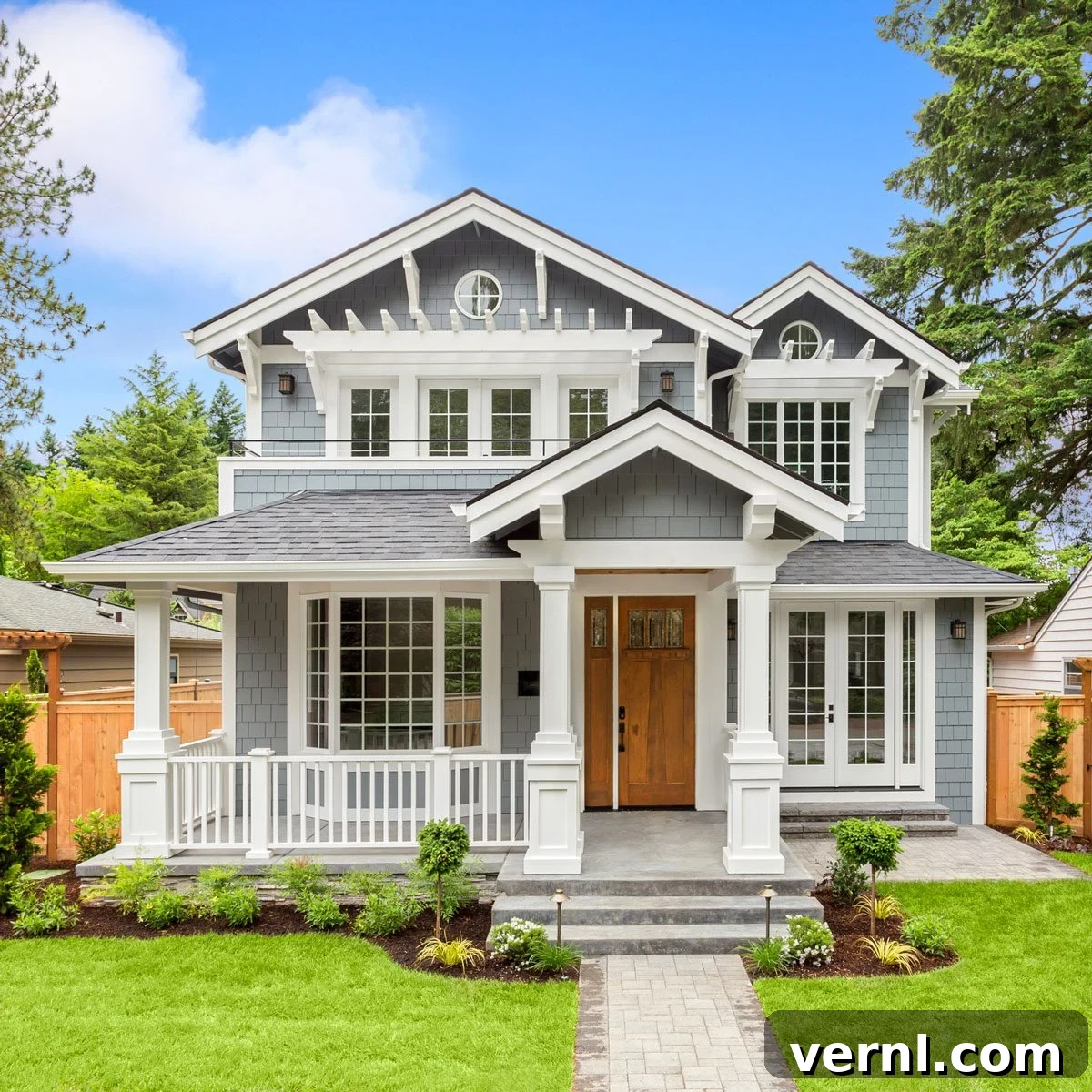
Selecting the perfect color for your home’s exterior is arguably one of the most critical decisions a homeowner faces. It’s more than just a coat of paint or a new siding panel; it’s the defining characteristic that shapes your home’s first impression, significantly impacting its curb appeal and even its market value. Get it right, and your home exudes sophistication and charm, potentially adding considerable worth. Miss the mark, and you might find yourself facing the costly prospect of a redo or living with a visual choice that brings daily regret.
Recognizing the immense importance of this choice, Alside, a prominent manufacturer of exterior siding and building products, took a proactive step. They commissioned a comprehensive survey of homeowners across the United States. The goal was clear: to gain a deeper understanding of current color preferences, the rationale behind these choices, and the various factors that influence homeowners during the selection process. This invaluable insight helps both the industry and homeowners make more informed decisions. In this article, we’ll delve into the fascinating results of this survey, offering guidance and trends that can help you confidently choose the ideal exterior for your cherished home.
Unveiling Homeowner Preferences: The Alside & Harris Poll Survey
Alside, a recognized leader in providing high-quality exterior siding and building solutions for both renovation and new construction projects, understood that while they excel in manufacturing, a specialized research firm would best capture reliable consumer insights. For this critical task, they partnered with The Harris Poll, a highly respected name in market research, known for its expertise in conducting robust and insightful surveys.
The Harris Poll meticulously conducted an online survey, reaching out to a diverse group of over 1,000 U.S. residents aged 18 and older. This broad demographic ensured a representative sample of homeowner sentiment across the nation. The survey explored several key areas crucial to exterior design: primary exterior color preferences, the most significant factors that influence these color choices, and surprisingly, even specific preferences regarding window colors. By exploring these facets, the survey provides a holistic view of how homeowners approach their home’s exterior aesthetic, offering valuable data that extends beyond simple popularity contests to understand the underlying motivations and practical considerations that guide decision-making.
The Reigning Champions: Most Popular Home Exterior Colors Revealed
The results concerning homeowners’ favorite exterior colors largely reinforced existing trends, with classic and versatile shades maintaining their strong appeal. For the second consecutive year, off-white/cream clinched the top position, garnering a significant 16 percent of the vote. This enduring popularity speaks volumes about its timeless appeal and flexibility.
Following closely behind were other neutral powerhouses: light gray secured 15 percent, while classic white captured 14 percent, collectively underscoring a clear preference for understated elegance. Rounding out the top five were light brown with 11 percent and medium blue with nine percent, demonstrating a subtle inclination towards earthy and calming tones. These findings highlight a pervasive desire among homeowners for colors that offer longevity, versatility, and broad appeal, rather than fleeting trends.
Why Neutrals Dominate the Exterior Palette
The survey results are deeply congruent with a broader sentiment: a substantial forty percent of homeowners explicitly stated their intention to choose timeless, neutral colors if they were replacing their siding or repainting their homes in the coming year. This overwhelming preference for subdued hues over bolder statements like bright yellows, vibrant greens, or other similarly daring colors suggests a strategic approach to home exterior design. Homeowners are increasingly viewing their exterior color choice as a long-term investment, one that should withstand the ebb and flow of fleeting design fads.
Neutral colors offer unparalleled advantages. They provide a sophisticated backdrop that complements virtually any architectural style, from traditional to modern, allowing homeowners to personalize with landscaping, front door colors, or decorative accents without clashing. Furthermore, neutrals are often perceived as more upscale and appealing to a wider range of potential buyers, making them a smart choice for maintaining or enhancing property value. Their ability to blend harmoniously with natural surroundings and various trim options also contributes to their enduring popularity, ensuring a classic look that never truly goes out of style.
Deciphering the Decision: How Homeowners Choose Exterior Colors
Beyond simply identifying preferred colors, The Harris Poll survey also delved into the crucial question of *how* homeowners arrive at their final exterior color decisions. The insights here are particularly enlightening, revealing a blend of practical considerations, aesthetic aspirations, and external influences.
The Primary Driver: Cost and Budget Considerations
Overwhelmingly, the top factor influencing exterior color choice was cost, with a significant 35 percent of participants indicating that their decisions would be primarily guided by the lowest possible expense. This finding is not surprising, especially given the economic climate of recent years. Fluctuations in building material prices, labor costs, and overall project budgets have led consumers to approach home improvement projects with a heightened sense of financial prudence.
For many, selecting a more affordable color or material option allows them to allocate funds to other essential aspects of home renovation or simply manage their overall expenditure more effectively. This emphasis on cost underscores the reality that while aesthetics are important, the financial feasibility of a project often dictates the scope and specific choices made, proving that sometimes practicality triumphs over pure preference.
Availability and Inspiration: Other Key Factors
Following closely behind cost, availability emerged as the second most common answer, with 23 percent of homeowners ranking it as a top consideration. This reflects the practical challenges that can arise in sourcing specific materials or colors, particularly in the wake of supply chain disruptions that have impacted various industries. If a desired color or material is difficult to obtain or has extended lead times, homeowners are often compelled to explore alternative, more readily available options.
Aesthetic inspiration also plays a significant role, with 20 percent of respondents stating they would base their choice on something they saw in a magazine, on a home improvement show, or through online platforms. This highlights the powerful influence of media and design trends in shaping consumer tastes. Homeowners are constantly exposed to curated images and expert advice, which can significantly guide their vision for their own homes. Whether it’s a sophisticated palette featured in a design magazine or a stunning transformation showcased on a popular renovation program, visual inspiration serves as a potent catalyst for decision-making.
Beyond the Obvious: Other Influences on Color Selection
While cost, availability, and inspiration are dominant, several other factors subtly (or not so subtly) guide homeowners’ exterior color choices. The architectural style of the home itself often dictates appropriate palettes; a Victorian home, for instance, might suit a different range of colors than a modern minimalist structure. Regional climate can also play a role, with lighter colors preferred in hotter climates for heat reflection, or darker, richer tones chosen for their ability to absorb warmth in cooler areas. Furthermore, the surrounding landscape and neighboring homes frequently inform decisions, as homeowners strive for a cohesive and harmonious look within their environment, enhancing overall neighborhood aesthetics and avoiding stark contrasts.
The Crucial Role of Window Colors in Overall Curb Appeal
While exterior siding and paint colors often take center stage, the survey thoughtfully extended its scope to window color selections, recognizing their integral role in the overall aesthetic. Though window color options are typically more constrained than siding choices, traditional preferences appear to hold sway here as well, aligning with the broader trend of seeking timeless appeal.
Top Choices and Influencing Factors for Window Colors
A substantial one-third (36 percent) of survey respondents expressed a preference for white if they were to update their windows in 2024. This overwhelming preference for white underscores its classic versatility, ability to create clean lines, and its capacity to contrast beautifully with almost any exterior siding color. Other popular choices included gray at 11 percent, bridge or clay tones at 10 percent, and light wood finishes also at 10 percent. Black or dark wood options each garnered 9 percent, indicating a growing appreciation for bolder, more contemporary window frames that can provide striking contrast and definition.
When it came to the considerations driving these window color choices, a few key themes emerged. Color contrast and color matching were paramount, reflecting homeowners’ desire for a cohesive yet dynamic exterior. Cost, as expected, remained a top consideration, given that window replacement is a significant investment. Availability was also a notable factor, ranked as the next most popular with 21 percent, highlighting practical limitations in choice.
Interestingly, homeowner’s association (HOA) guidelines were a primary consideration for 18 percent of those surveyed. This statistic is particularly telling, as HOAs often impose strict rules on exterior modifications, including window colors, to maintain a uniform community aesthetic. Ignoring these guidelines can lead to fines or mandated replacements, making compliance a crucial aspect of decision-making for many. Furthermore, a charming 16 percent of respondents admitted they would defer window selection to their significant other, adding a touch of personal partnership to the process.
Window frames, often overlooked, are not mere functional elements; they are architectural details that can significantly enhance or detract from a home’s facade. Choosing a color that complements the siding, trim, and roofing while also adhering to practical considerations like maintenance and local regulations requires thoughtful consideration. Whether opting for the crisp look of white or the modern edge of black, the window color contributes directly to the perceived quality and style of the entire home.
Timeless Appeal: Traditional and Neutral Design Continues to Win the Day
The overarching message gleaned from Alside’s comprehensive survey is unequivocally clear: traditional and neutral design aesthetics are the preferred choice for today’s homeowners. This strong preference makes intuitive sense, as traditional design, by its very nature, possesses an enduring quality that transcends fleeting trends. Few homeowners wish to invest substantial time, effort, and capital into changing their home’s exterior to reflect a current fad, only to find themselves needing to update it again just a few years later when that trend inevitably fades into obscurity.
Opting for timeless siding and window colors is a strategic decision that offers numerous benefits. It ensures that your home’s curb appeal not only looks stunning today but will also stand the test of time, maintaining its elegance and desirability for decades to come. Neutral palettes – whites, creams, grays, and subtle browns – provide a sophisticated, versatile canvas that can be easily personalized with vibrant landscaping, a distinctively colored front door, or seasonal decorative accents without committing to a bold, permanent statement. This flexibility allows homeowners to express their individuality while preserving the underlying classic appeal of their property.
Furthermore, a neutral exterior often contributes positively to a home’s long-term market value. Prospective buyers are more likely to be drawn to a home with a classic, well-maintained exterior that allows them to envision their own style and preferences, rather than one with highly specific or polarizing color choices. In essence, by embracing traditional and neutral schemes, homeowners are making a smart, forward-thinking investment that protects their property’s aesthetic and financial longevity. When contemplating your next exterior renovation, remember the wisdom of the masses: stick with the tried-and-true colors that promise enduring beauty and broad appeal, ensuring your home remains a source of pride for years to come.
[cf]skyword_tracking_tag[/cf]