
Navigating the complex world of car insurance can feel like an annual expedition into the unknown. Each year, as I set out to gather fresh car insurance quotes, I inevitably encounter new providers I’ve never heard of. While some promise enticingly low rates, a nagging question always arises: if I ever had to file a claim, would they truly be reliable? To uncover the truth, we consulted a panel of industry experts, and their unanimous, yet nuanced, conclusion was… “it depends.”
“You simply can’t make sweeping generalizations that some types of insurers are inherently superior or inferior,” explains Melanie Musson, a seasoned auto insurance expert at AutoInsurance.org. “For instance, it’s incorrect to state that online companies always outperform local agencies. The reality is that the best choice comes down to the individual company’s offerings and, critically, your personal preferences and needs.”
However, beneath this broad consensus lies a rich tapestry of distinctions between the various types of insurance providers. Understanding these nuances is key to making an informed decision. Let’s delve deeper into these differences, examining the distinct advantages and disadvantages presented by major national carriers, online-only insurers, and smaller regional companies.
Major National, Online, and Regional Insurance Carriers: Unpacking the Differences
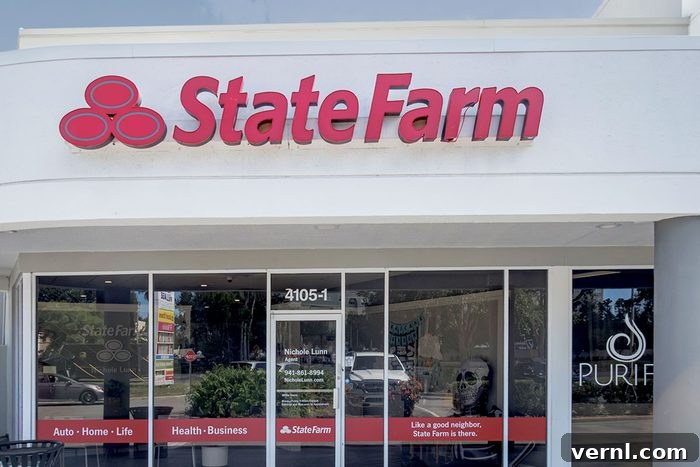
The car insurance landscape is diverse, offering consumers a range of options tailored to different needs and preferences. At one end of the spectrum, you have the venerable major national insurance companies like State Farm, Allstate, Farmers, and Liberty Mutual. These are household names, recognized for their extensive networks of brick-and-mortar offices, often staffed by dedicated local agents who exclusively sell their products. Their widespread presence and long history often evoke a sense of trust and stability.
Then there are the modern online-focused insurers, including powerhouses like Progressive, Geico, and The General. These companies primarily operate through digital channels, offering policies via their websites, intuitive mobile apps, and robust call centers. While some may utilize independent insurance agents, their core model emphasizes direct interaction with the customer through technology, streamlining the purchasing process for tech-savvy individuals.
Finally, the market also features a vital segment of smaller, regional insurance carriers. Companies such as Eerie Insurance, Auto-Owners Insurance, and Amica are prominent examples. These insurers often specialize in specific geographic areas and typically distribute their policies through independent agents who can quote from multiple companies, providing a broader array of choices to their clients.
Regardless of their size or operational model, it’s crucial to remember that any insurance company licensed to operate in your state is held to the same rigorous regulatory standards. As Melanie Musson highlights, “Personal preference will ultimately play a significant role in determining which option is best. Some individuals are perfectly content managing their policies entirely online without ever speaking to an agent by name, while others deeply value the security and personalized advice that comes from having a trusted local contact.” This underlines the importance of aligning your choice with your service expectations.
The Advantages and Disadvantages of Major National Insurance Carriers
Major national insurance carriers often represent the gold standard for many consumers, and for good reason. Their extensive infrastructure provides a multitude of benefits. They maintain vast networks of dedicated agents, supported by sophisticated, round-the-clock claims departments and advanced technology systems. These systems are designed to simplify customer interactions, offering conveniences like 24-hour claims reporting through various channels, from phone to mobile apps.
One of their most compelling strengths is their robust financial stability. Major carriers typically boast strong financial ratings from independent agencies, a testament to their ability to meet their financial obligations, even during widespread disasters. Furthermore, their diversified risk pools, spread across numerous states and millions of policyholders, mean that a catastrophic regional event is less likely to severely impact their overall solvency. This geographical diversification helps them absorb losses more effectively than smaller, more localized insurers.
As Lauren McKenzie, a senior independent insurance agent with A Plus Insurance, points out, “They also provide a brand name customers can implicitly trust and offer national availability. This is a significant advantage, as it means they can consistently assist customers across the entire U.S., even if a policyholder relocates to a different state, often without the need to switch providers entirely.” This continuity of service is a major selling point for individuals with mobile lifestyles.
However, these extensive resources and national reach do come with potential drawbacks. The sheer scale of their operations, including numerous brick-and-mortar locations, vast employee bases, and costly national advertising campaigns, can translate into higher overheads. These increased operational expenses are often reflected in slightly higher premiums compared to leaner, online-only alternatives. While you pay for the peace of mind and comprehensive service, it might not always be the most budget-friendly option.
The Advantages and Disadvantages of Online Insurance Carriers
The rise of online insurance carriers has revolutionized the industry, primarily by offering unparalleled convenience and competitive pricing. The most significant advantage of these digital-first companies is their lean operational model. By minimizing brick-and-mortar locations and reducing the need for extensive agent networks, they inherently incur lower overhead costs. This efficiency often translates directly into more attractive premiums for policyholders, making them a popular choice for budget-conscious consumers.
Online insurers excel at providing a streamlined, self-service experience. Customers can typically obtain quotes, purchase policies, and manage their accounts entirely through user-friendly websites and mobile applications. This appeals to individuals who prefer to handle their financial affairs digitally, at any time of day or night, without the need for phone calls or in-person meetings. The speed and efficiency of getting a quote and policy within minutes is a major draw.
“However, this focus on efficiency often comes at the expense of personalized service,” notes Melanie Musson. “Depending on the specific company, you might find it challenging to connect with an actual human being when you need assistance, especially during a complex claims process. The automated systems, while efficient for routine tasks, can sometimes feel impersonal when dealing with sensitive or complicated situations.” This lack of direct human interaction can be a significant drawback for individuals who prefer a guided approach during stressful events like filing a claim or understanding intricate policy details.
While the initial cost savings can be substantial, it’s essential for consumers to weigh these against their preferred level of interaction and support. For those comfortable with a largely self-service model, online carriers can be an excellent fit. For others, the potential difficulty in accessing personalized human assistance might negate the benefits of lower premiums.
The Advantages and Disadvantages of Smaller and Regional Insurance Carriers
Smaller and regional insurance companies occupy a unique and often highly valued niche in the auto insurance market. One of their key advantages often lies in their ability to offer competitive premiums. Because they don’t invest heavily in costly national advertising campaigns and maintain a more localized operational footprint, their overheads can be considerably lower than major national brands. This cost efficiency often allows them to pass savings directly to their policyholders.
A defining characteristic of many regional insurers is their deep understanding of local market conditions. Their policies can be more finely tailored to the specific risks, regulations, and driving environments of a particular area. This localized expertise can result in more relevant coverage options and, sometimes, more accurate pricing reflective of the local risk pool. Furthermore, these companies frequently partner with independent insurance agents, who represent multiple carriers. This partnership is a huge benefit for consumers, as these agents can quickly provide quotes from various companies, allowing for efficient comparison of a wide range of prices and policies, ensuring you find the best fit.
“Many regional carriers also garner excellent reviews for their customer service,” adds Musson. “This is often their specialty. They are intrinsically connected to their demographic and community, allowing them to provide a level of personalized attention and coverage options that might be overlooked by a large national company operating on a broader scale.” The personal touch and community focus often translate into highly responsive and empathetic claims handling and customer support.
However, there are also potential downsides to consider. Smaller carriers might not always possess the same degree of financial stability as their national counterparts, especially if their risk pool is highly concentrated in a specific region vulnerable to natural disasters. While many mitigate this through reinsurance (insurance for insurers), it’s a factor to assess. Another practical consideration is their limited geographical reach; if you move to a new state outside their operational territory, you will likely be required to switch insurance companies, which can be an inconvenience.
Which Car Insurance Option Is Right for You? A Personalized Approach
Choosing the right car insurance isn’t a one-size-fits-all decision; it profoundly depends on your individual preferences, priorities, and unique circumstances. The core trade-off often boils down to the value you place on personal interaction versus potential cost savings.
If you prioritize direct, in-person communication, prefer face-to-face consultations, and appreciate having a dedicated point of contact who understands your specific needs, then seeking out an agent with a local office is paramount. This could mean an independent agent who works with various regional carriers, or a captive agent exclusively representing a major national insurer. These options provide the benefit of personalized advice, assistance with complex claims, and a relationship built on trust.
Conversely, if you are comfortable managing your affairs digitally, prefer the convenience of online transactions, and are primarily driven by securing the lowest possible premium, then an online-only option might be an ideal and cost-effective solution. These platforms offer speed, accessibility, and often the most competitive rates for those willing to navigate the process independently.
Beyond the fundamental choice between personalized service and digital efficiency, several other critical factors should influence your decision:
- Coverage Options: Evaluate your specific needs. Do you require basic liability, or comprehensive coverage, roadside assistance, rental car reimbursement, or even gap insurance? Major carriers and some regional ones might offer a broader array of specialized coverages than very basic online providers.
- Company’s Financial Rating: This is a crucial indicator of an insurer’s ability to pay claims. Always check independent ratings from agencies like AM Best or Standard & Poor’s to ensure the company is financially sound.
- Customer Reviews and Claims Satisfaction: Research what existing customers say about their experiences, particularly regarding the claims process. Websites like the Better Business Bureau (BBB) and JD Power surveys provide valuable insights into customer satisfaction and claims handling efficiency.
- Bundling Opportunities: If you have other insurance needs, such as home or renters insurance, consider providers that offer multi-policy discounts. Major carriers often excel in this area, but some independent agents can also help you bundle policies across different carriers.
- Ease of Doing Business: Think about your preferred method of interaction for routine tasks, payments, and policy adjustments. Do you prefer an app, a website, a phone call, or an in-person visit?
Ultimately, the “right” insurance is the one that best aligns with your budget, your lifestyle, and your expectations for service and support. Taking the time to research and compare thoroughly will empower you to make an informed choice that provides both protection and peace of mind.
Frequently Asked Questions About Car Insurance Carriers
Are regional car insurance companies financially safe and reliable?
Generally, yes, regional car insurance companies are financially safe and reliable, though it’s always wise to verify. Many regional insurers enhance their financial stability by carrying reinsurance, which is essentially insurance that protects them against massive claims that could otherwise jeopardize their solvency. To ascertain an insurance company’s financial health, it is highly recommended to check their ratings with independent agencies like AM Best. As Melanie Musson advises, “Checking their AM Best rating can provide you with a clear understanding of whether a company is expected to remain financially stable and fully capable of paying out claims, even during challenging times.”
How do I check if a car insurance company is legitimate and reputable?
Ensuring an insurance company is legitimate and trustworthy is a crucial step before committing to a policy. Here are the essential steps:
- Verify State Licensing: The first and most critical step is to check with your state’s department of insurance or regulatory body. Every legitimate insurance provider must be licensed to operate in your state. This confirms they adhere to state-specific regulations and consumer protection laws.
- Review Consumer Feedback and Ratings: Consult reputable consumer review sites and industry surveys. The Better Business Bureau (BBB) provides insights into customer complaints and how companies resolve them. JD Power’s claims satisfaction surveys offer valuable data on how policyholders perceive the claims handling process of various insurers.
- Check Financial Strength Ratings: As mentioned, review their AM Best rating. This independent rating agency assesses an insurer’s financial strength and creditworthiness, indicating their ability to meet policyholder obligations. Other agencies like Standard & Poor’s or Moody’s also provide similar ratings.
Lauren McKenzie reiterates the importance of these checks: “These sites and regulatory bodies compile all the vital information about an insurance company, encompassing their financial strength, the efficiency of their claims handling process, and their overall service quality. They are indispensable resources for making an informed decision.”
Can I switch from a major insurer to a regional one mid-policy term?
Yes, absolutely. You retain the flexibility to switch car insurance providers at any point during your policy term. It’s not uncommon for individuals to find better rates, more suitable coverage, or a preferred service model elsewhere. While most companies facilitate this process smoothly, it’s important to be aware that a few insurers might levy small cancellation fees for discontinuing your coverage before the agreed-upon term concludes. Additionally, as Lauren McKenzie explains, “Some companies may request further documentation before processing your cancellation. This could include providing a new policy declaration page showing that you have purchased insurance elsewhere, or, if applicable, a bill of sale proving the vehicle is no longer under your ownership. These measures help ensure continuous coverage and prevent gaps in your insurance history.” Always review your current policy’s terms regarding cancellation before making the switch.
About the Esteemed Experts
- Melanie Musson is a highly respected auto insurance expert affiliated with AutoInsurance.org. With over a decade of dedicated experience in the insurance industry, her expertise primarily lies in consumer education and advocacy, helping individuals navigate complex insurance decisions.
- Lauren McKenzie serves as a senior independent insurance agent with A Plus Insurance. Her extensive knowledge covers a wide range of insurance products, and her agency is licensed to operate in 35 states, providing broad access to diverse insurance solutions.
Sources and Further Reading
- Jenna Bailey is the founder and lead trial attorney at Bailey Law Firm, specializing in legal matters related to personal injury and insurance claims.
RELATED CONTENT: Enhance Your Automotive Knowledge
- Do You Know What That Little Button on Your Seat Belt Is For?
- What Those Lines on Your Backup Camera Really Tell You
- Here’s What The Small Panel On Your Car’s Front Bumper Is For