

The silent threat lurking beneath many homes, radon gas, often goes undetected, putting residents at serious health risk. Our personal journey with radon began with a false sense of security. Observing that our neighbors’ homes showed no elevated levels, we initially assumed our own property was equally safe. This assumption led to over a decade of procrastination, postponing a crucial home safety check. When we finally decided to conduct a radon test, the results were alarming: we discovered we had been living with unsafe levels of this invisible, odorless gas.
Today, we’re optimistic about our future, having taken corrective measures. We tend to keep our windows open, ensuring good air circulation throughout the house, which helps dilute indoor contaminants. However, the true health impact of radon is cumulative, manifesting over many years of exposure. Since our discovery, we’ve installed a professional radon mitigation system, providing a lasting solution to protect our family. This experience transformed our perspective, compelling us to advocate for proactive home health safety. We now strongly encourage every homeowner to actively monitor their residence for radon, emphasizing that ongoing vigilance is key.
Even if your home has tested negative for radon in the past, it’s crucial to understand that radon levels can fluctuate. Therefore, consistent monitoring and testing should be an integral part of your home health safety routine. This comprehensive guide will explain why radon testing is essential, detail how to conduct these tests effectively, and outline the necessary steps to take if elevated levels are detected.
Understanding Radon: The Invisible Threat to Your Home
Radon is a naturally occurring radioactive gas that you cannot see, smell, or taste, making it particularly insidious. It forms as a result of the natural radioactive decay of uranium found in nearly all soils and rocks. As an inert gas, radon can move freely through the ground and enter homes. The World Health Organization (WHO) and the Environmental Protection Agency (EPA) both classify radon as a known human carcinogen, placing it in the same category as asbestos and tobacco smoke due to its proven link to lung cancer.
Where Does Radon Originate and How Does It Enter Your Home?
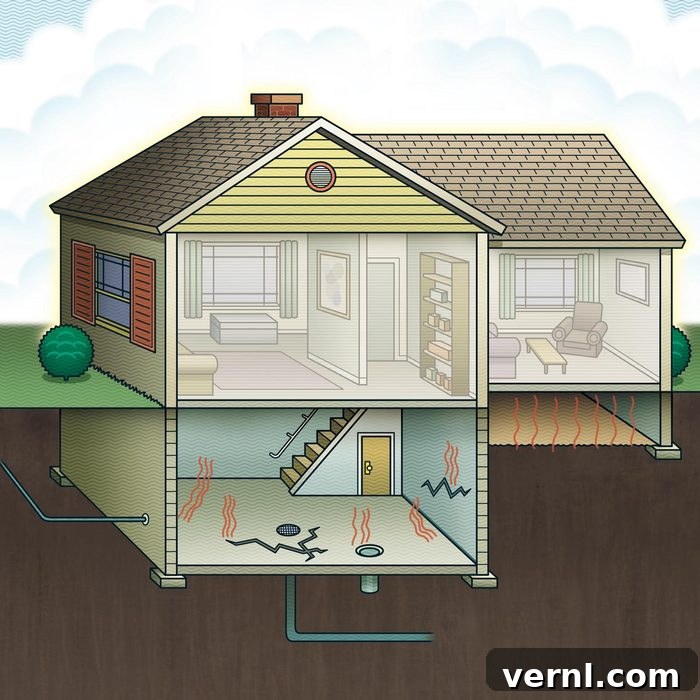
The primary source of radon is the ground itself. Deep within the Earth’s crust, various rocks, soils, and even water sources contain trace amounts of uranium. Over geological timescales, uranium undergoes a process known as radioactive decay, transforming into other radioactive elements. One crucial step in this decay chain involves the formation of radium, which then further decays to produce radon gas. This gaseous form allows radon to migrate through the porous soil and rock formations beneath your home.
Once generated in the ground, radon gas seeks paths of least resistance to move upwards. It can infiltrate homes through various entry points. The most common pathways include tiny cracks and fissures in foundation slabs and basement floors, construction joints, floor-wall joints, and even microscopic pores within concrete itself. Additionally, openings around utility penetrations such as water pipes, electrical conduits, and sump pits can serve as direct routes for radon entry. In some rarer instances, radon can dissolve in groundwater and then be released into indoor air through household water sources, particularly during activities like showering, washing dishes, or using faucets. When a home’s indoor air pressure is lower than the pressure in the soil beneath it—a common occurrence due to factors like heating, air conditioning, and exhaust fans creating a “stack effect”—this pressure differential can effectively draw radon gas from the soil directly into the living space, trapping it inside and allowing concentrations to build up.
The Grave Health Risks Associated with Radon Exposure
The cumulative effect of long-term exposure to high concentrations of radon gas is a significant public health concern. According to the EPA, radon is recognized as the leading cause of lung cancer among non-smokers, tragically claiming an estimated 21,000 lives annually in the United States alone. To put this into perspective, this number surpasses the combined fatalities from carbon monoxide poisoning, house fires, and drunk driving. The risk is not immediate but accumulates over years of exposure, making early detection and mitigation critical. For individuals who smoke, the danger is amplified dramatically. The American Lung Association explicitly states that concurrent exposure to radon and tobacco smoke “greatly enhances the risk of lung cancer,” creating a synergistic effect where the combined risk is far greater than either factor alone. This means that smokers living in homes with elevated radon levels face an exceptionally high probability of developing lung cancer.
It’s important to understand that the health dangers of radon are proportional to the duration and concentration of exposure. This cumulative risk implies that living with elevated radon for a short period while mitigation efforts are underway is unlikely to have a significant negative impact on your health. The primary concern is prolonged, years-long exposure to unsafe levels, which allows radioactive radon decay products to accumulate in the lungs, leading to cellular damage and increasing the likelihood of cancerous mutations.
Prevalence: Where Is Radon Found in the United States?
Radon is a ubiquitous environmental contaminant found throughout the entire country, not just in specific regions. Estimates suggest that approximately one in every 15 homes nationwide has elevated radon levels, a statistic that underscores its widespread presence and the universal need for testing. Jørgen Solstad, Director of Consumer Products at Airthings, highlights a crucial point: “Even though it is naturally occurring, the radon gas concentration inside is often much higher than outdoors.” This phenomenon occurs because while radon dissipates quickly in the open air, it can become trapped and accumulate within the confines of a building, especially when ventilation is poor.
The presence and concentration of radon are not limited by a home’s age or construction style. Solstad further explains, “Radon can build up in the air in any home or building whether it has a basement, is sealed or drafty, is new or old.” Factors such as local geology (the amount of uranium in the underlying soil), soil porosity, house design, foundation type, and ventilation habits all influence the amount of radon that enters and accumulates within a structure. This means that a home in a low-risk radon zone can still have elevated levels, and conversely, a home in a high-risk zone might have surprisingly low levels if its construction effectively blocks radon entry and promotes good ventilation. Therefore, personal testing is the only reliable way to determine your home’s specific radon risk, as neighboring homes can exhibit vastly different concentrations.
Radon Levels Explained: What Do the Numbers Mean?
The concentration of radon in the air is precisely measured in units of picocuries per liter (pCi/L). This measurement quantifies the rate of radioactive decay within a liter of air, providing a standardized way to assess radon risk. International guidelines, including those from the World Health Organization (WHO), provide clear classifications for these levels, guiding homeowners on appropriate actions:
- Minimal Levels (up to 1.3 pCi/L): These concentrations are generally considered safe and represent a very low health risk. However, continuous monitoring is still recommended, as radon levels can fluctuate due to environmental factors and changes in a home’s ventilation or foundation integrity over time. While no immediate action is typically required, being aware of these levels allows for early detection if they begin to rise.
- Low Levels (1.3 to 2.6 pCi/L): Levels within this range are classified as acceptable. While they do not demand urgent intervention, proactive measures are encouraged. Jørgen Solstad advises, “While immediate intervention is not imperative, homeowners can experiment with ventilation and sealing foundation cracks as a preventive measure.” Simple actions like increasing natural airflow by opening windows or sealing minor cracks can help keep these levels from escalating.
- Moderately High Levels (2.7 to 4 pCi/L): When radon levels fall into this category, they warrant a more serious approach. Enhanced ventilation strategies, such as using exhaust fans more frequently or ensuring existing ventilation systems are optimized, are crucial. More importantly, consistent monitoring is essential to observe if these efforts are effective. Solstad recommends, “If no improvement is observed after three months, consult a professional radon mitigator.” This threshold suggests that DIY solutions might not be sufficient, and expert evaluation is warranted.
- High-Risk Levels (above 4 pCi/L): Any reading consistently above 4 pCi/L for more than one month indicates a significant health risk that requires prompt, professional mitigation. These levels are well above the recommended action threshold and significantly increase the long-term risk of lung cancer. Immediate consultation with a certified radon professional is highly advised to implement effective reduction strategies.
What Are the EPA’s Action Levels for Radon?
The U.S. Environmental Protection Agency (EPA) has established 4 pCi/L as the “action level” for radon. This means that if your home’s radon levels are at or above 4 pCi/L, the EPA strongly recommends taking action to reduce them. However, it’s crucial to understand that the EPA believes there is no truly “safe” level of radon exposure, and any level carries some degree of risk. Nancy Bredhoff, President of the Radon Testing Corporation of America (RTCA), emphasizes this point: “But a radon level below 4 pCi/L still poses a health risk.” She further advises homeowners to proactive consider mitigation even at lower levels: “You should consider fixing when the radon level is between 2 and 4 pCi/L.” This recommendation aligns with the principle of minimizing exposure whenever reasonably achievable, as every reduction in radon concentration contributes to a safer indoor environment.
Effective Methods for Testing Your Home for Radon
Testing for radon is a straightforward process, and several reliable methods are available to help you determine the levels in your home. The three most common approaches offer varying degrees of convenience and insight:
- Short-Term Test Kits: These kits are designed to provide a quick snapshot of your home’s radon levels. You typically deploy them for a period ranging from two to 90 days, with charcoal canisters often used for 2-7 days, and alpha track detectors for longer durations (up to 90 days). Once the testing period is complete, you seal the kit and send it to a certified laboratory for analysis. Short-term tests are useful for initial screening and quickly assessing if an immediate problem exists. However, because radon levels can fluctuate daily and seasonally, a single short-term test might not fully represent your home’s annual average. If an initial short-term test shows elevated levels, it is generally recommended to follow up with a long-term test or another short-term test under different conditions to confirm the results.
- Long-Term Test Kits: For a more comprehensive understanding of your home’s radon exposure, long-term test kits are highly recommended. These kits, often utilizing alpha track detection technology, remain in your home for a minimum of 90 days, and sometimes up to a full year. By measuring radon over an extended period, they provide a much more accurate average of your home’s year-round radon levels, accounting for seasonal variations and daily fluctuations. This average is crucial because the health risks associated with radon are cumulative. While the results take longer, long-term tests offer a better indicator of your actual long-term exposure risk.
- Digital Radon Monitors: Representing the most modern and convenient option, digital radon monitors provide real-time data directly to the homeowner without requiring lab analysis. These electronic devices continuously measure radon concentrations and display the readings on a screen or via a connected app. Many digital monitors can provide both short-term (e.g., 24-hour, 7-day average) and long-term (e.g., 1-month, 1-year average) figures, offering immediate feedback and the ability to track trends. Their portability allows you to easily move them between different rooms to identify specific problem areas or to check the effectiveness of mitigation efforts. The ability to monitor continuously empowers homeowners to understand their environment better and respond promptly to rising levels.
When choosing a testing method, you have the option to either conduct it yourself (DIY) or hire a certified radon professional. If you opt for the DIY approach with a test kit, proper placement is critical for accurate results. The test should be conducted in the lowest livable area of your house – typically a basement, ground floor room, or the lowest level that is regularly used for at least eight to ten hours per week. It is essential to follow “closed-house conditions” during short-term testing, meaning keeping windows and external doors closed (except for normal entry and exit) for at least 12 hours before and during the test period. For professional testing, a certified radon measurement professional will ensure proper placement, adhere to strict protocols, and interpret the results accurately, providing an added layer of assurance.
Effective Strategies for Radon Mitigation: How to Get Rid of Radon
Once elevated radon levels are confirmed in your home, implementing effective reduction strategies is paramount. The approach to mitigation depends largely on the concentration of radon detected and the specific characteristics of your home. For lower levels of radon, particularly those between 2.7 and 4 pCi/L, simpler solutions may be explored first. The most basic steps involve increasing ventilation and natural airflow within the home. This can be achieved by routinely opening doors and windows, especially in basement areas, to allow fresh air to dilute the radon concentration. Additionally, carefully inspecting and sealing any visible cracks or openings in the foundation, basement floor, or around utility penetrations can help block radon’s entry points. Using high-quality caulk, sealants, or concrete patching compounds can significantly reduce infiltration.
However, if these basic measures prove insufficient, if radon levels are consistently above 4 pCi/L, or if weather conditions (e.g., extreme cold or heat) or your home’s layout make natural ventilation impractical, more formal mitigation systems are necessary. The most common and highly effective system is known as Sub-slab Depressurization (SSD), or Active Soil Depressurization (ASD).
Nancy Bredhoff explains the core principle: “The most common system is a vent pipe and fan, where the radon from beneath the house is vented to the outside.” Here’s how it typically works:
- Collection Point: A small hole (or multiple holes, depending on the foundation type) is drilled through the concrete slab in the basement or crawl space.
- Vent Pipe: A durable PVC pipe is inserted into this hole, extending down into the soil beneath the foundation and then upwards through the house, often through an unused chimney chase, a closet, or along an exterior wall, terminating above the roofline.
- Radon Fan: An inline fan, specifically designed for radon mitigation, is installed in the vent pipe, usually in an attic, garage, or outside the home. This fan operates continuously.
- Depressurization: The fan creates a constant negative pressure beneath the foundation slab, effectively drawing radon-laden soil gas from beneath the house.
- Ventilation: The collected radon gas is then safely discharged through the vent pipe into the outdoor air, where it rapidly disperses and dilutes to harmless levels.
While some basic sub-slab depressurization systems might appear DIY-able, experts strongly recommend professional installation. Professionals possess the specialized knowledge to assess your home’s unique characteristics, design the most effective system, and ensure proper installation. They can alleviate critical safety concerns, such as preventing “combustion appliance backdrafting,” where depressurization could pull dangerous carbon monoxide fumes from furnaces or water heaters back into the living space. Other, less common mitigation techniques include drain tile depressurization, sump pit sealing, and block wall depressurization, all designed to create a barrier and vent radon away.
To find a qualified radon professional in your area, the National Radon Safety Board (NRSB) offers a valuable online resource. Alternatively, you can contact your state’s radon program, which typically maintains lists of certified and licensed radon mitigators. Investing in professional mitigation ensures the system is effective, safe, and compliant with all local regulations.
Sustaining a Radon-Safe Home Environment
Ensuring your home remains safe from radon is an ongoing commitment rather than a one-time fix. Because radon levels can fluctuate due to seasonal changes, weather patterns, and even alterations in your home’s structure or ventilation, continuous monitoring with a digital radon detector is the most effective way to determine if and when you have a radon problem, or if existing mitigation systems are performing optimally. These devices provide real-time data, empowering you to observe trends and respond proactively.
Beyond active mitigation, maintaining good household habits contributes significantly to a radon-safe environment. Firstly, consistent and effective ventilation is crucial. While opening windows is a simple solution, consider more robust ventilation strategies, especially in basements or lower levels. This might include using exhaust fans, installing heat recovery ventilators (HRVs) or energy recovery ventilators (ERVs) that introduce fresh air while minimizing energy loss, or simply ensuring your HVAC system cycles fresh air efficiently. Secondly, regularly inspect and proactively seal radon access points. As Jørgen Solstad points out, “Sealing large cracks and openings in any home is good for energy consumption and can also help with radon.” Pay particular attention to cracks in the foundation, floor-wall joints, gaps around utility pipes, and sumps. Use durable, flexible sealants designed for concrete and masonry to ensure long-lasting protection. By combining continuous monitoring with diligent sealing and good ventilation practices, you create multiple layers of defense against radon infiltration, ensuring a healthier living space for your family.
Radon Detectors: How They Work and Why They Are Essential
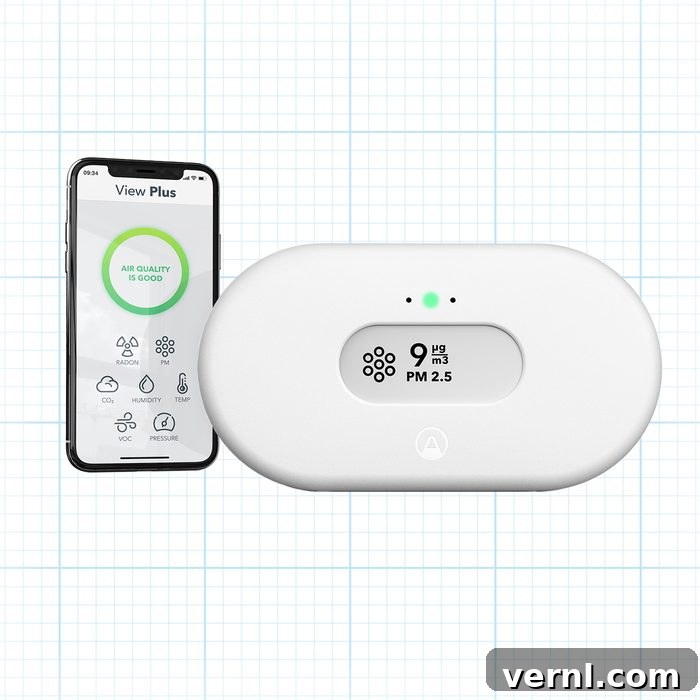
Radon detectors, particularly modern digital models, are sophisticated devices designed to continuously monitor the concentration of radon particles in indoor air. At their core, these detectors typically employ alpha particle detection technology. As radon gas decays, it emits alpha particles. The detector contains a specialized chamber that senses these alpha particles and counts them over time. This count is then converted into a radon concentration measurement, expressed in picocuries per liter (pCi/L), providing an accurate reading of the radon levels in the room.
The primary advantage of these digital detectors is their ability to provide real-time, continuous monitoring. Unlike single-use test kits that offer only a snapshot, a digital detector allows you to observe daily and seasonal fluctuations in radon levels, helping you understand how various factors (like weather, ventilation, or the operation of household appliances) influence its concentration. Their portability is another significant benefit; you can easily move them from room to room – from the basement to the main living areas and bedrooms – to identify specific hotspots or verify that every area of your home is safe. This flexibility is invaluable for confirming the effectiveness of any radon mitigation solutions you might have installed, ensuring they are consistently keeping levels within acceptable ranges.
Many advanced digital radon detectors, such as the Airthings View Plus, go beyond just radon detection. They are multi-sensor indoor air quality monitors capable of tracking a comprehensive range of potential pollutants and environmental factors. In addition to radon, these devices can monitor critical indicators like carbon dioxide (CO2), particulate matter (PM2.5), volatile organic compounds (VOCs), temperature, pressure, and humidity. This holistic approach to air quality monitoring provides homeowners with a complete picture of their indoor environment, enabling them to make informed decisions not only about radon but also about ventilation, humidity control, and the presence of other common indoor air pollutants that can impact health and comfort. Integrating these various sensors makes these devices indispensable tools for creating and maintaining a truly healthy home.
Frequently Asked Questions About Radon
What States or Regions Typically Have Higher Levels of Radon?
While elevated levels of radon can occur in every state and region across the United States, certain geographical areas are inherently more prone to higher concentrations due to their underlying geology. These areas often possess greater amounts of uranium in the bedrock and soil, which is the precursor to radon gas. States in the upper Midwest, the Northeast, and specific mountainous regions (such as parts of Pennsylvania, Iowa, Montana, and Colorado) are frequently identified as having higher average indoor radon levels. However, it is crucial to understand that radon distribution is highly localized. Levels can vary dramatically not just from state to state, but from county to county, neighborhood to neighborhood, and even from one house to an adjacent one. Factors like soil permeability, specific rock formations, and even the construction type of individual homes play a significant role. Therefore, while resources like Airthings’ live radon readings map can offer a general overview, they should not replace a direct test of your specific property. The only way to know your home’s radon level is to test it yourself.
What Season Is Radon Highest, and Why?
Radon levels typically exhibit seasonal variations, with concentrations often being highest during the colder months, generally between October and February, which is colloquially referred to as “radon season.” Jørgen Solstad explains that several environmental factors contribute to this phenomenon, including temperature, atmospheric pressure, humidity, rain, and snow. During winter, several conditions converge to create a “perfect storm” for increased radon intrusion:
- Closed-House Conditions: Most significantly, people tend to keep windows and doors closed to conserve heat, drastically reducing natural ventilation and trapping any radon that enters the home.
- Stack Effect: Heating systems create a “stack effect” where warmer indoor air rises and escapes through the upper parts of the house, creating a lower pressure zone in the basement or on the lower floors. This pressure differential effectively acts like a vacuum, drawing more radon gas from the soil into the home.
- Frozen or Saturated Ground: Frozen ground or heavy snow cover can act as a cap, limiting the ability of radon gas to escape laterally into the atmosphere. This forces the gas to seek alternative pathways, often directly into homes. Similarly, saturated soil from rain or melting snow can impede radon’s upward movement through outdoor soil, redirecting it toward the relatively drier, lower-pressure environment within a house.
While winter generally sees the highest levels, radon can be a concern year-round, and continuous monitoring helps homeowners understand these fluctuations.
What Are Considered Safe Levels of Radon?
According to Nancy Bredhoff, President of RTCA, “The EPA believes that any radon exposure carries some risk; no level of radon is safe.” This statement reflects the consensus among health organizations that radon is a carcinogen, and like other carcinogens, there is no universally agreed-upon “threshold” below which exposure is entirely risk-free. The goal, therefore, is to minimize exposure as much as reasonably achievable. However, practical guidelines have been established to help homeowners assess risk and decide on action. Radon levels measured below 1.3 pCi/L are generally considered low enough to be acceptable and do not typically require immediate action. While this level is not “safe” in the absolute sense, it represents a minimal risk that most experts consider within acceptable limits for ongoing monitoring rather than urgent mitigation. The EPA’s action level of 4 pCi/L serves as the point at which mitigation is strongly recommended due to significantly increased long-term health risks.
Is It Okay to Live in a House with Radon?
Given that radon’s negative health effects, primarily lung cancer, accumulate over time with prolonged exposure, it is generally considered acceptable to live in a house with elevated radon levels for a short amount of time, particularly while testing or mitigation efforts are being planned or implemented. Similarly, living in a house with consistently low levels (e.g., below 1.3 pCi/L) poses a very minimal long-term risk. Jørgen Solstad aptly summarizes this: “It is nearly impossible to avoid radon completely, hence many people live in their homes with some exposure to radon, but it is advised to minimize radon exposure as much as possible.” The key takeaway is to act promptly if elevated levels are found. Procrastinating mitigation means accumulating more risk over time. The goal is not necessarily to achieve zero radon, which is often impractical, but to reduce indoor concentrations to the lowest practical and achievable levels, thereby significantly reducing the cumulative health risk over the lifespan of the home’s occupants. Continuous monitoring helps ensure that these minimized levels are maintained.
About The Experts
Nancy Bredhoff is the esteemed President of Radon Testing Corporation of America, Inc. (RTCA), a leading provider of radon testing services. With an impressive tenure in the radon industry stretching back to 1986, Nancy brings a wealth of experience and expertise to the field. She further contributes to public safety and industry standards by volunteering on the board of the National Radon Safety Board (NRSB), an independent non-profit organization dedicated to ensuring the public receives quality radon services.
Jørgen Solstad serves as the Director of Consumer Products for Airthings, a global technology company focused on indoor air quality solutions. In his role, he oversees the crucial development and strategic deployment of Airthings’ innovative line of products designed specifically for home use. Under his leadership, Airthings has successfully sold over one million monitors worldwide, empowering countless individuals to effectively monitor radon and other critical air quality concerns within their homes. The company’s commitment to innovation and public health has been recognized with prestigious accolades, including a TIME Best Inventions Award and a CES Innovation Award Honors.
Sources
- American Lung Association radon FAQ
- EPA consumer guide to radon reduction
- National Radon Action Plan
- Centers for Disease Control and Prevention (CDC) Protect Your Home from Radon
- World Health Organization (WHO) Radon and Health Fact Sheet
Protecting your home and family from the invisible threat of radon gas is a critical aspect of indoor health and safety. By understanding what radon is, how it enters your home, its associated health risks, and the accessible methods for testing and mitigation, you empower yourself to take informed action. Don’t rely on assumptions; proactive testing and consistent monitoring are your best defenses against this silent killer. Invest in your family’s long-term health by making radon awareness and action a priority in your home maintenance routine.