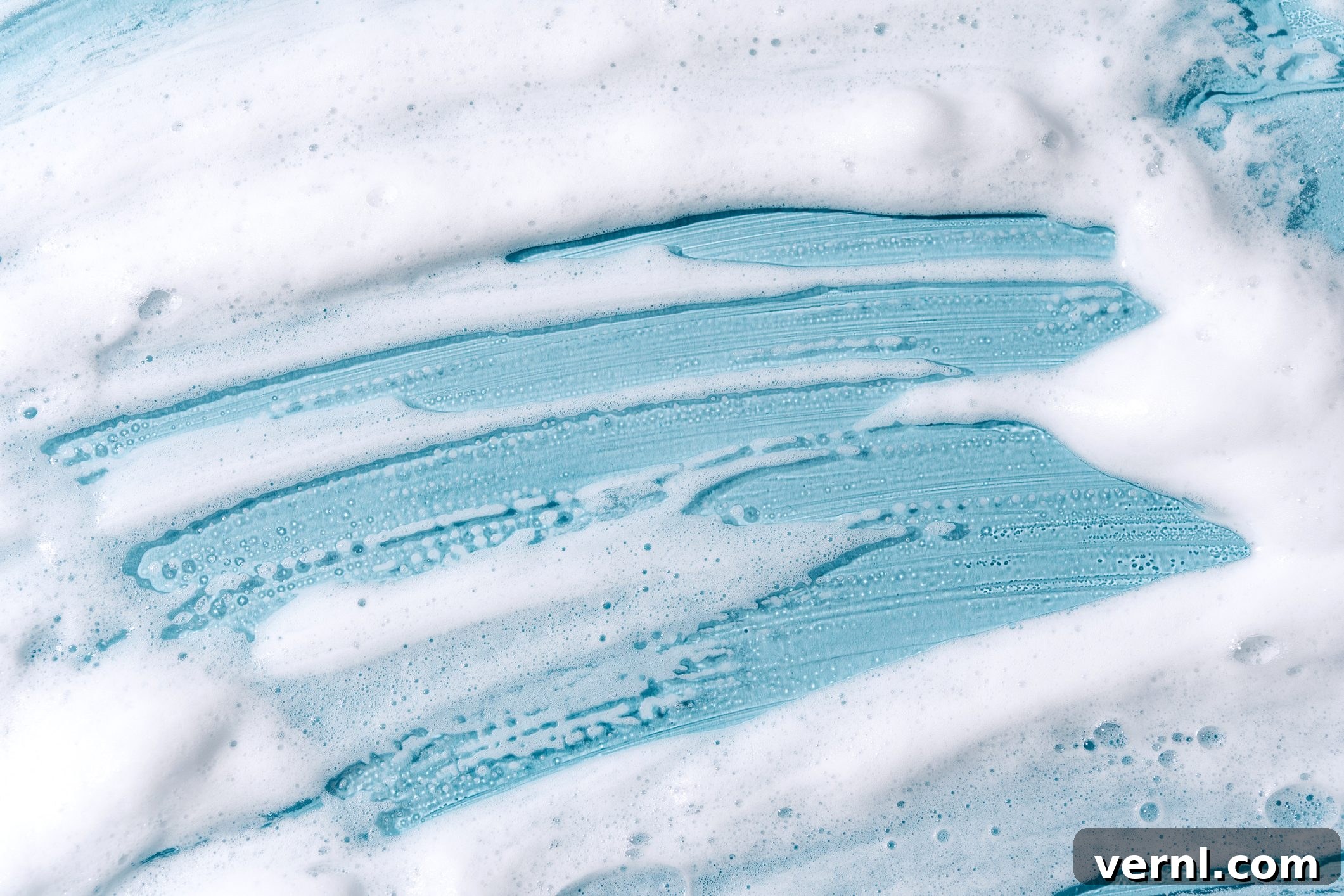
Unlock the Secret to Streak-Free Glass: The Shaving Cream Hack Unveiled
For generations, achieving pristine, streak-free glass has been the holy grail for both professional and amateur cleaners alike. The market is flooded with countless product formulations, each promising to deliver that elusive, flawless shine. Yet, despite these innovations, many of us still grapple with smudges, streaks, and a frustrating lack of clarity.
Enter the world of TikTok’s vibrant cleaning community, affectionately known as #CleanTok. This online hub for ingenious household hacks recently brought a surprising contender into the spotlight: shaving cream. Yes, that everyday bathroom staple, typically reserved for a smooth shave, is now being touted as the ultimate solution for gleaming glass surfaces, from your car’s windshield to your bathroom mirror.
The claim is bold: shaving cream can not only clean glass effectively but also prevent fogging. This revelation begs the question: Have we been cleaning glass wrong since shaving cream was first invented in 1919? Intrigued by the viral sensation, I decided to put this popular DIY cleaning hack to the test. I also consulted with cleaning expert Melissa Homer, a distinguished cleaning consultant at Ecomaids, to get a professional perspective on this trending phenomenon. Read on to discover if this humble toiletry truly lives up to the hype or if it’s just another fleeting internet fad.
Here’s the video that sparked the conversation:
@lifewithrachelrose Easy Cleaning Hack For A Shiny Oven (Or Any Appliance/ Glass Surface) using shaving foam! 🥰 #cleantok #cleantok101 #satisfyingvideo #cleantiktok #cleantokuk #cleantokusa #easycleaning #easycleaningtips #easycleaninghacks #ovencleaninghack #ovencleaning #cleanwithme #cleaningvideo #cleaningtips #satisfyingvideos #cleantoks #deepcleaning #homehacks #cleaningtiktok #homehack ♬ Up & Down – Vengaboys
Step-by-Step Guide to Using Shaving Cream for Glass Cleaning
If you’re eager to try the TikTok cleaning hack of using shaving cream on your glass surfaces, the process is surprisingly straightforward. However, a little preparation and understanding of the technique can make all the difference in achieving the desired results without unnecessary mess.
- Step 1: Prepare Your Surface and Tools
Start with a relatively clean glass surface. While shaving cream can cut through grime, it works best when the surface isn’t caked with heavy dirt. For application, spray a generous blob of shaving cream onto a clean microfiber towel. Microfiber is highly recommended as its fine fibers are excellent at lifting and trapping dirt without scratching, and they are crucial for buffing away residue without leaving lint or streaks. Avoid using paper towels, as they can break down and leave fibers behind. - Step 2: Apply and Work the Shaving Cream
Using the towel, vigorously rub the shaving cream across the entire glass surface you intend to clean. This could be your oven door window, microwave door, a bathroom vanity mirror, or even a glass shower door. Ensure an even, thin layer of foam covers the area. The initial appearance might be quite messy, but as the #CleanTok community often advises, “trust the process.” The act of rubbing helps the cleaning agents in the shaving cream to break down dirt and oils on the glass. - Step 3: Buff to a Streak-Free Shine
After an unspecified but generally brief period (allowing the shaving cream to work its magic for a minute or two), use a clean, dry section of your microfiber towel—or a fresh, dry microfiber cloth—to buff the shaving cream away. This is the critical stage for achieving a streak-free finish. Work in small, circular motions, then finish with straight strokes until all residue is gone. The goal is to polish the glass until it’s sparkling and clear.
The Science Behind Shaving Cream and Its Performance on Glass
Intrigued by the widespread popularity of this hack, I put it to the test myself. I have two vanity mirrors in my bathroom, so I cleaned one using shaving cream and the other with a traditional commercial glass cleaner, Windex. Both mirrors, once complete, appeared identically sparkly. However, the shaving cream side took approximately three times as long to clean and buff. It also proved to be an absurdly messy endeavor. As I worked the shaving cream onto the glass, stray blobs threatened to fall onto the vanity, often succeeding, particularly when I reached the edges of the mirror.
While the shaving cream did leave a pleasant scent and ultimately cleaned the glass as promised, the question remained: Was it truly worth the extra effort and cleanup? From a practical standpoint, my experience suggested otherwise.
To understand the science, I turned to Melissa Homer. She explains that shaving cream effectively cleans glass because its primary ingredients are a combination of water, soap, and alcohol—much like many conventional glass cleaners. Additionally, shaving creams contain moisturizers, such as glycerin. Glycerin, a key component in bubble solutions, plays a vital role here. “Glycerin holds water on the mirror to keep it wetter longer and helps the soap cling while you scrub and buff,” Homer elaborates. This property is what allows the shaving cream to effectively lift grime and leave a clean surface.
Shaving Foam for Windows: Cleaning Power and Anti-Fogging Properties
While shaving cream undeniably possesses the ability to clean glass, Melissa Homer offers a crucial distinction: “There’s a huge gulf between can you do this and should you do this.” According to her, despite its viral fame, this TikTok cleaning hack comes with three significant drawbacks:
- It’s Messy: As I personally attested, applying and buffing shaving cream can create a considerable mess, leading to additional cleanup beyond just the glass surface itself.
- It Leaves Streaks if Not Handled Quickly: The nature of shaving cream means it dries relatively fast. If you don’t work efficiently and buff it away before it sets too much, you risk leaving unsightly streaks, defeating the purpose of a “streak-free” clean.
- It’s Significantly More Expensive: Compared to readily available and highly effective alternatives like a few drops of dish soap or dedicated glass cleaner, shaving cream is “wildly more expensive.” This makes it an economically impractical solution for regular glass cleaning.
In essence, using shaving cream to clean glass surfaces often results in more work for a higher cost. This raises a fundamental question about the true value of adopting such a hack in our everyday cleaning routines.
Exploring Superior Alternatives for Spotless, Fog-Free Glass Surfaces
When it comes to cleaning glass cheaply and effectively, professional window cleaners consistently offer a straightforward, time-tested solution: “all you need is a few drops of dish soap, water, and a squeegee,” advises Homer. Consider the economics: a single ounce of dish soap, costing mere pennies, can be diluted to create approximately five gallons of potent window washing fluid. Given this stark comparison, Homer asks, “Why would you even use a relatively cheap $2 can of shaving cream?” The cost-effectiveness and proven efficacy of dish soap make it a far superior choice for routine glass cleaning.
Beyond its cleaning capabilities, shaving cream residues do possess valuable anti-fogging properties. Homer explains that this benefit stems from their ability to destroy water’s surface tension. Surface tension is the phenomenon that causes water droplets to bead up on glass, leading to the opaque effect of a foggy windshield or mirror. If you clean your bathroom mirror with shaving cream, you’ll notice it resists fogging up when someone takes a hot shower, a practical benefit. (For an interesting alternative, car wax can also keep your bathroom mirror from fogging.) However, dedicated anti-fog products, such as Rain-X, offer superior longevity, often lasting for weeks per application. This makes them significantly more economical and convenient than the temporary effects provided by shaving cream. For a commercial window cleaner that guarantees fast and clear results, Homer highly recommends Invisible Glass.
The bottom line is clear: while shaving cream can perform the job, it should be considered a last resort rather than a primary cleaning solution. “If you’re out of window cleaner and Rain-X and you want to clean and defog your mirror right now—and you happen to have a can of Barbasol lying around—it will do you in a pinch,” Homer concludes. This isn’t exactly a glowing endorsement, highlighting its utility more as an emergency hack than a preferred method.
FAQ: Your Top Questions About Shaving Cream and Glass Cleaning
Can shaving cream help in preventing windshield fog?
Yes, shaving cream can indeed help prevent windshield fog, albeit temporarily. When applied and buffed away, it leaves a thin, invisible layer on the glass surface. This layer contains ingredients like glycerin that reduce the surface tension of water, preventing condensation from forming into visible fog droplets. However, its anti-fogging effect is not as long-lasting or robust as that of dedicated anti-fog products like Rain-X, which are formulated for extended protection and specific environmental conditions. For a truly durable solution, specialized anti-fog treatments are recommended.
How do you clean a windshield without leaving streaks?
Achieving a streak-free windshield requires a combination of the right product, technique, and tools. If using shaving foam on car windows, it’s crucial that it’s applied thinly and wiped off thoroughly and quickly. If not cleaned properly, it can leave behind residue or streaks that become visible once dry. The best practice is to wipe the surface well with a clean, high-quality microfiber cloth, ensuring all foam and residue are completely removed. For general streak-free cleaning, professionals often recommend a few drops of dish soap in water, applied with a clean sponge or cloth, and then squeegeed off. Alternatively, commercial glass cleaners like Invisible Glass, when used according to instructions with a clean microfiber towel, are highly effective. Always avoid cleaning glass in direct sunlight, which can cause cleaners to dry too quickly and leave streaks.
What’s a quick way to reduce car window condensation?
To quickly reduce car window condensation, your car’s climate control system is your most effective tool. Turn on the defroster and the air conditioner simultaneously, even in cold weather. The air conditioner not only cools but also dehumidifies the air, rapidly drawing moisture out of the cabin and off the windows. For temporary relief, you can try the shaving cream hack, as its anti-fog properties will offer short-term clarity. However, for more lasting prevention, anti-fog sprays like Rain-X are superior. Ensure you also check and change your cabin air filter regularly, as a clogged filter can contribute to poor air circulation and increased humidity inside the car.
About the Experts:
- Melissa Homer is a cleaning consultant at Ecomaids, a residential cleaning franchise renowned for their innovative and forward-thinking approach to green cleaning. With 25 years of industry expertise, her role centers on propelling Ecomaids to the forefront of eco-friendly cleaning by identifying and integrating the most advanced green cleaning solutions available.
Sources:
- Ecomaids
- Turn to 23: “Can You Use Shaving Cream to Clear Up That Foggy Windshield and Windows on Your Car?”
- Cleaning Institute: “Clean Windows”
- Barbasol: “Our History”