
For years, performing my own oil changes was a routine part of vehicle ownership. It was a simple, satisfying task that saved me a trip to the service center. However, when I acquired my 2014 Subaru Impreza, I encountered a significant hurdle: its remarkably low ground clearance. The thought of having to give up this long-standing habit due to the inability to safely crawl under the car and access the oil drain plug was genuinely disheartening. Thankfully, my discovery of oil extractor pumps brought an end to my worries, restoring my ability to handle this essential maintenance task with ease.
My motivation for performing DIY oil changes isn’t rooted in a love for dealing with hot, messy oil, nor is it primarily about saving a substantial amount of money. When you factor in the inevitable costs of purchasing new oil and a fresh filter, the financial savings compared to a professional oil change at a shop are often marginal. For me, the driving force is unequivocally about time and convenience. A DIY oil change, especially with the right tools, takes me approximately 10 to 15 minutes from start to finish. This is a stark contrast to the one or two hours often spent driving to and from a service center, waiting for my car, and then driving back home.
Modern vehicle design has also made the process incredibly cleaner. With many newer cars, including mine, featuring a top-mounted oil filter, the entire oil change procedure can be virtually mess-free. This is a considerable improvement over older vehicles where the filter is typically mounted underneath, often leading to drips and spills when removed. If your car requires you to get underneath simply to unscrew the filter, you might logically conclude that an oil extractor pump is an unnecessary expenditure, as you’re already down there. However, for those with contemporary vehicles boasting a conveniently located top-mounted filter, this ingenious tool proves to be an invaluable investment that streamlines the entire process.
What Exactly is an Oil Extractor Pump?
At its core, an oil extractor pump operates on the principle of a siphon, but with added mechanical assistance to handle the viscosity of engine oil. It’s a specialized device designed to efficiently remove used motor oil from an engine without the need to access the drain plug located underneath the vehicle. The primary components typically include a narrow, flexible tube, designed to be inserted into the engine’s dipstick opening, and a pump mechanism that creates a vacuum or suction force.
Many advanced units come equipped with an integrated reservoir, a container specifically designed to collect and hold the extracted oil until it can be safely and responsibly disposed of. These reservoirs are often generously sized, commonly holding between six to eight quarts, making them perfectly suitable for a wide range of passenger vehicles, light-duty trucks, motorcycles, and even lawnmowers or boats. This integrated storage eliminates the need for separate containers during the extraction process, enhancing cleanliness and ease of use.
The Mechanics: How an Oil Extractor Pump Works
The fundamental operating principle behind an oil extractor is similar to that of common siphon devices used for transferring liquids like gasoline or kerosene. You might have seen inexpensive siphon pumps in hardware stores, often consisting of a plastic bulb and two tubes. One tube goes into the source liquid, and the other directs the liquid to a destination container. Squeezing and releasing the bulb creates negative pressure, drawing the fuel from the reservoir and pushing it towards the destination.
An engine oil extractor applies this same concept, but with modifications to accommodate the unique properties of motor oil. Since oil is considerably heavier and more viscous than gasoline, a simple hand-squeezed bulb often isn’t sufficient to generate the necessary force for efficient extraction. Therefore, oil extractors employ more robust pumping mechanisms. If the extractor includes its own reservoir, it typically requires only one tube that goes into the dipstick opening, with the pump drawing oil directly into the attached container. If the unit does not have an integrated reservoir, it will generally feature two tubes: one for insertion into the engine and another to direct the expelled oil into a user-provided waste container, much like a traditional fuel siphon.
Exploring the Different Types of Oil Extractors
When selecting an oil extractor pump, you’ll find three primary types, each offering distinct advantages and considerations:
- Manual Oil Extractors: These are typically the most budget-friendly option, relying entirely on human power to generate the necessary suction. Manual extractors often feature a hand pump, which can resemble either a bicycle pump or a large syringe plunger.
- Bicycle-Pump Style: With this design, you repeatedly pump a handle to build vacuum pressure, which then initiates and maintains the oil flow. It might require several pumps to get the oil flowing consistently, particularly with cold, thick oil.
- Syringe/Plunger Style: These models usually have a large plunger that you simply pull back to create a powerful vacuum, drawing oil into a self-contained reservoir. This method often provides quicker initial suction.
Manual extractors are excellent for occasional use, offer great portability as they require no external power, and are generally durable with fewer components to fail. However, they can be more labor-intensive and slower, especially when dealing with larger oil capacities.
- Electric Oil Extractors: Offering significant convenience, electric extractors automate the pumping process. These units typically connect to a power source, which can be:
- 12-Volt Power Outlet: Many models feature a 12-volt plug that inserts directly into your vehicle’s auxiliary power outlet (cigarette lighter socket).
- Battery Clips: Other versions come with alligator clips that connect directly to your car’s battery terminals, providing a more robust power supply.
Once connected and switched on, the electric pump does all the work, effortlessly drawing the oil out. Electric extractors are considerably faster and require minimal physical effort. They are often more compact as they typically don’t include an integrated reservoir, meaning you’ll need a separate container for the waste oil. They are ideal for those who perform oil changes regularly and prioritize speed and ease.
- Pneumatic Oil Extractors: For the quickest and most powerful oil extraction, pneumatic pumps are the top choice. However, they require an external air compressor to operate. When connected to a compressed air line, the device utilizes the air pressure to create a powerful vacuum, rapidly pulling oil from the crankcase.
- Some pneumatic units are standalone extractors, designed solely for compressor use.
- Others are “dual-function” or “combination” models, offering the flexibility to be operated manually (via a hand pump) or pneumatically (with a compressor).
Pneumatic extractors are highly efficient, making them popular in professional settings or for DIYers with access to an air compressor. They can handle even the most stubborn or viscous oils with ease. The main drawback is the necessity of an air compressor, which adds to the overall cost and equipment footprint.
Who Benefits Most from an Oil Extractor Pump?
While often perceived as a niche tool, oil extractor pumps offer substantial benefits to a wide array of users, from seasoned professionals to weekend warriors:
- Professional Mechanics: Mechanics who perform oil changes multiple times a day stand to gain immense advantages. An extractor pump eliminates the repetitive and physically demanding task of getting under vehicles, lifting them on hoists, and dealing with drain plugs. This significantly reduces strain, saves considerable time per vehicle, and allows for quicker turnaround times, boosting overall shop efficiency. Pumps with large reservoirs further streamline the process by easily transferring old oil into recycling barrels.
- DIY Home Mechanics: For the individual car owner, the benefits mirror those for professionals, scaled to personal use. The convenience, speed, and cleanliness offered by an oil extractor transform what can be a dreaded chore into a simple, almost enjoyable task. It empowers DIYers to tackle maintenance that might otherwise seem daunting due to vehicle design (like low ground clearance or inaccessible drain plugs). By making the job easier and faster, an oil pump does for auto mechanics what a nail gun does for framing carpenters – you can do the job without specialty tools, but it takes more time, effort, and is far less convenient.
- Owners of Specific Vehicle Types:
- Low-Clearance Cars: Vehicles like sports cars, certain sedans, or modified cars often sit very low, making it difficult or impossible to safely get a jack and jack stands underneath, let alone comfortably work on a drain plug.
- Vehicles with Top-Mounted Filters: Many newer models are designed with the oil filter conveniently located on top of the engine, making extraction the logical, cleaner choice.
- Boats, ATVs, and Lawn Equipment: The design of many marine engines, ATVs, and even ride-on lawnmowers makes traditional drain plug access incredibly challenging. Oil extractor pumps are often the standard, most practical method for changing oil in these applications.
Step-by-Step Guide: How To Use an Oil Extractor Pump
Using an oil extractor pump is a straightforward process, but proper preparation and execution are key for efficiency and safety. The primary goal is to make the oil warm enough to flow easily, but not so hot that it poses a burn risk. Run your car engine for about 5-10 minutes, allowing it to reach an optimal temperature range of approximately 104 to 140 degrees Fahrenheit (40-60 degrees Celsius).
- Prepare the Engine: Ensure the engine has been run recently to warm the oil, which significantly improves its flow and extraction efficiency. Too cold, and it will be sluggish; too hot, and it can be a burn hazard.
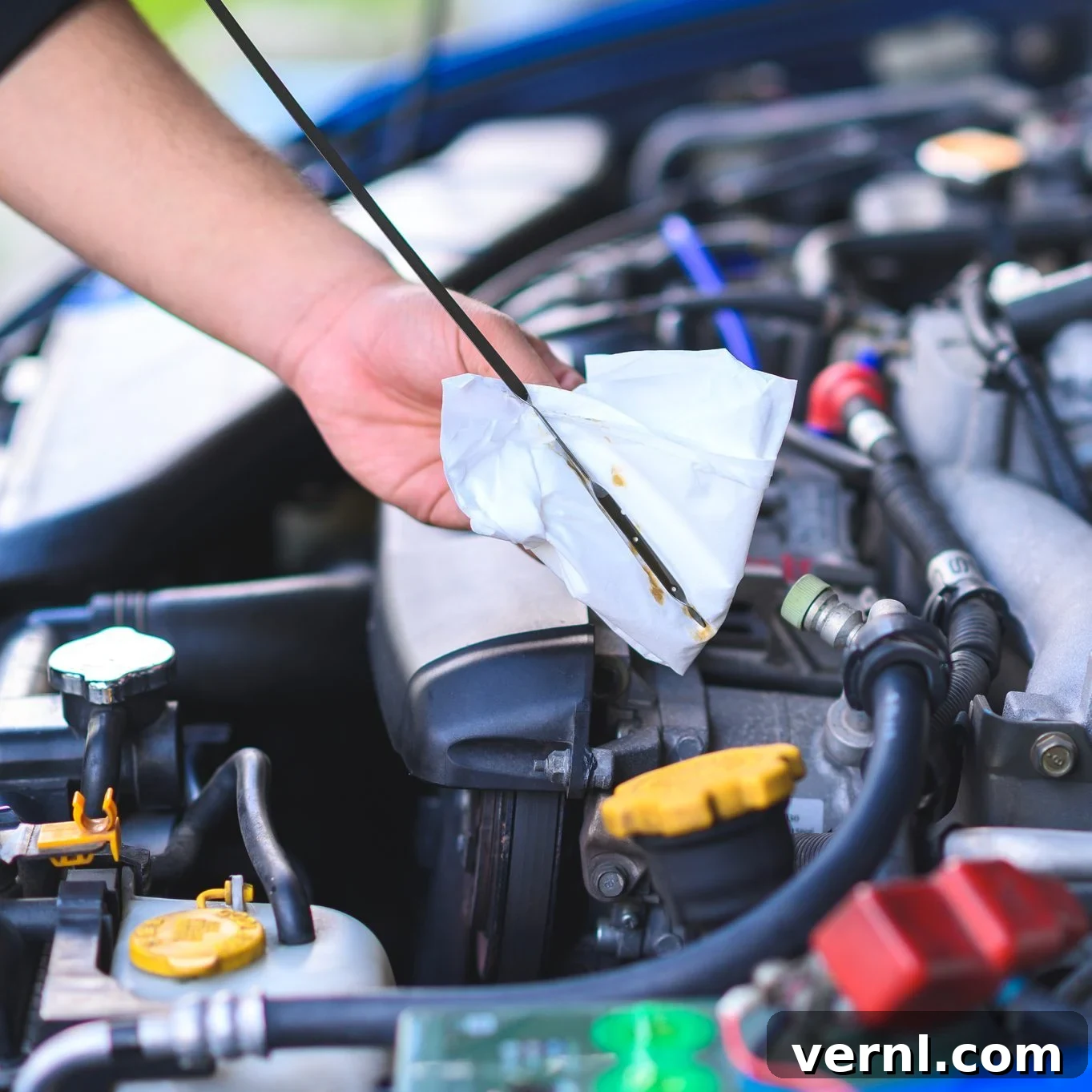
- Locate and Remove the Dipstick: Open your car’s hood and locate the engine oil dipstick. Pull it out completely and set it aside in a clean place.
- Connect the Pump (Type-Dependent):
- Electric Extractor: Plug the 12-volt connector into your vehicle’s auxiliary power outlet or securely attach the alligator clips directly to your car’s battery terminals (red to positive, black to negative). Some models might use a wall outlet if designed for AC power.
- Pneumatic Extractor: Connect the pump’s air inlet to your air compressor line. Ensure the connection is secure.
- Manual Extractor with Plunger: Push the plunger all the way into its housing, preparing it for suction.
- Prepare Waste Oil Container (If No Reservoir): If your oil extractor pump does not have an integrated reservoir, position a suitable, clearly marked container (such as an empty oil jug or a dedicated waste oil pan) where the pump’s outlet tube can direct the old oil. Ensure it has enough capacity for all the engine oil.
- Insert the Extraction Tube: Carefully insert the narrow extraction tube into the dipstick opening. Gently push it down as far as it will go without forcing it. The goal is to reach the lowest point of the oil pan to ensure maximum oil removal. You might feel it hit the bottom; gently pull it back slightly if it feels completely blocked.
- Initiate Extraction:
- Electric/Pneumatic: Turn on the pump or activate the air compressor.
- Manual: Begin pumping the hand pump or pulling back the plunger.
Observe the oil flowing through the tube into the reservoir or waste container. Keep the pump running until no more oil is visibly being extracted. You might hear the sound of the pump change or see air bubbles as the last of the oil is removed.
- Conclude Extraction & Clean Up: Once the oil flow ceases, turn off the pump or stop manual pumping. Carefully extract the tube from the engine block, trying to avoid dripping oil. Immediately wipe down any oil on the tube. Replace the engine dipstick securely.
- Dispose of Old Oil: Transfer the old engine oil from the extractor’s reservoir (or your temporary container) into a sealed container suitable for recycling. Never pour used oil down drains or onto the ground. Most auto parts stores and service centers offer oil recycling services.
- Refill New Oil & Replace Filter: Remember, extracting the old oil is only half the job! You still need to replace your oil filter (often top-mounted on newer cars, making it easy) and refill your engine with the recommended type and amount of new engine oil. Always check the oil level with the dipstick after refilling to ensure it’s at the correct mark.
Recommended Oil Extractor Pumps for DIYers
For home mechanics looking to invest in a reliable oil extractor, here are a couple of popular options that cater to different needs:
Pneumatic/Manual Combination: The Four Uncles Oil Changer
The Four Uncles Oil Changer stands out for its versatility, offering both manual pumping capability and the option to connect to an air compressor for pneumatic operation. This dual functionality provides flexibility, allowing you to choose the most convenient method for your situation. It boasts a generous 6.5-liter (approximately 6.8-quart) reservoir, making it suitable for most passenger vehicles and even some larger engines. Additionally, it comes with four different extension tubes, ensuring you can reach the bottom of various engine oil pans. This model represents a strong all-around choice for its reasonable price and adaptable features, offering excellent value.
Electric: The EonLion Oil Change Pump Extractor
For those prioritizing ultimate ease and compactness, the EonLion Oil Change Pump Extractor is an excellent contender. This compact and inexpensive unit conveniently connects directly to your vehicle’s 12-volt battery using alligator clips. Its small footprint makes it incredibly easy to store in a garage, trunk, or even an RV. Given its compact design, it does not feature an integrated reservoir, meaning you will need to provide your own container to hold the drained oil. It’s a fantastic option for quick, no-fuss oil changes where portability and minimal effort are key considerations.
Conclusion: Embrace the Future of DIY Oil Changes
The landscape of vehicle maintenance is continually evolving, and oil extractor pumps represent a significant step forward for the DIY enthusiast and professional alike. They address the challenges posed by modern vehicle designs, such as low ground clearance and top-mounted oil filters, transforming what was once a messy, time-consuming chore into a quick, clean, and incredibly convenient task.
Whether you opt for a robust pneumatic model, a versatile manual/pneumatic combination, or a simple electric unit, an oil extractor pump empowers you to take control of your vehicle’s maintenance schedule. By minimizing the need to crawl under your car, reducing spills, and dramatically cutting down on time spent, this tool is not just an accessory—it’s an essential addition to any modern automotive toolkit. Embrace the efficiency, convenience, and cleanliness that an oil extractor pump brings, and rediscover the satisfaction of performing your own vehicle maintenance with greater ease than ever before.