
Maximize Your Home’s Value: The Ultimate Guide to Flooring for Resale
When preparing to sell your home, every detail contributes to a potential buyer’s first impression and ultimately, their offer. Among the myriad of choices and upgrades, flooring stands out as one of the most impactful elements. It’s the foundation upon which your home’s aesthetic is built, and its condition and style can profoundly influence buyer perception and your property’s market value.
As Stephan Burke, director of luxury real estate at Cassis Burke Collection with Brown Harris Stevens, insightfuly shared with realtor.com, “Flooring matters tremendously when selling a home. It immediately influences if the buyer will like the house as they walk into every room and hallway, kitchen, and even exterior patio.” This sentiment underscores a crucial point: flooring isn’t just a surface; it’s a critical component of the buyer’s journey, guiding their eyes and shaping their emotional connection to your property.
So, can making the right flooring choices genuinely enhance your home’s market value? The unequivocal answer is a resounding yes. Strategic flooring updates are not merely expenses; they are investments that can yield significant returns when it’s time to sell.
The Power of First Impressions: Why Flooring Matters
Imagine stepping into a home with worn, outdated, or inconsistent flooring. The immediate visual impact can be jarring, creating a subconscious negative impression before a buyer even reaches the main living areas. Conversely, pristine, stylish, and high-quality flooring can create an inviting atmosphere, signaling that the home has been well-maintained and thoughtfully upgraded. Buyers often equate quality flooring with overall home quality, influencing their willingness to pay a premium.
Beyond aesthetics, flooring affects the perceived spaciousness, cleanliness, and modernity of a home. An open-concept living space, for example, can feel even larger and more cohesive with continuous, uniform flooring that flows seamlessly from one area to another. This visual continuity makes a home feel more expansive and thoughtfully designed, attributes highly coveted by today’s buyers.
Top Flooring Options for Superior Resale Value
While many flooring materials are available, two types consistently rise to the top for their ability to significantly boost home value: wood and tile.
Wood Flooring: A Timeless Investment
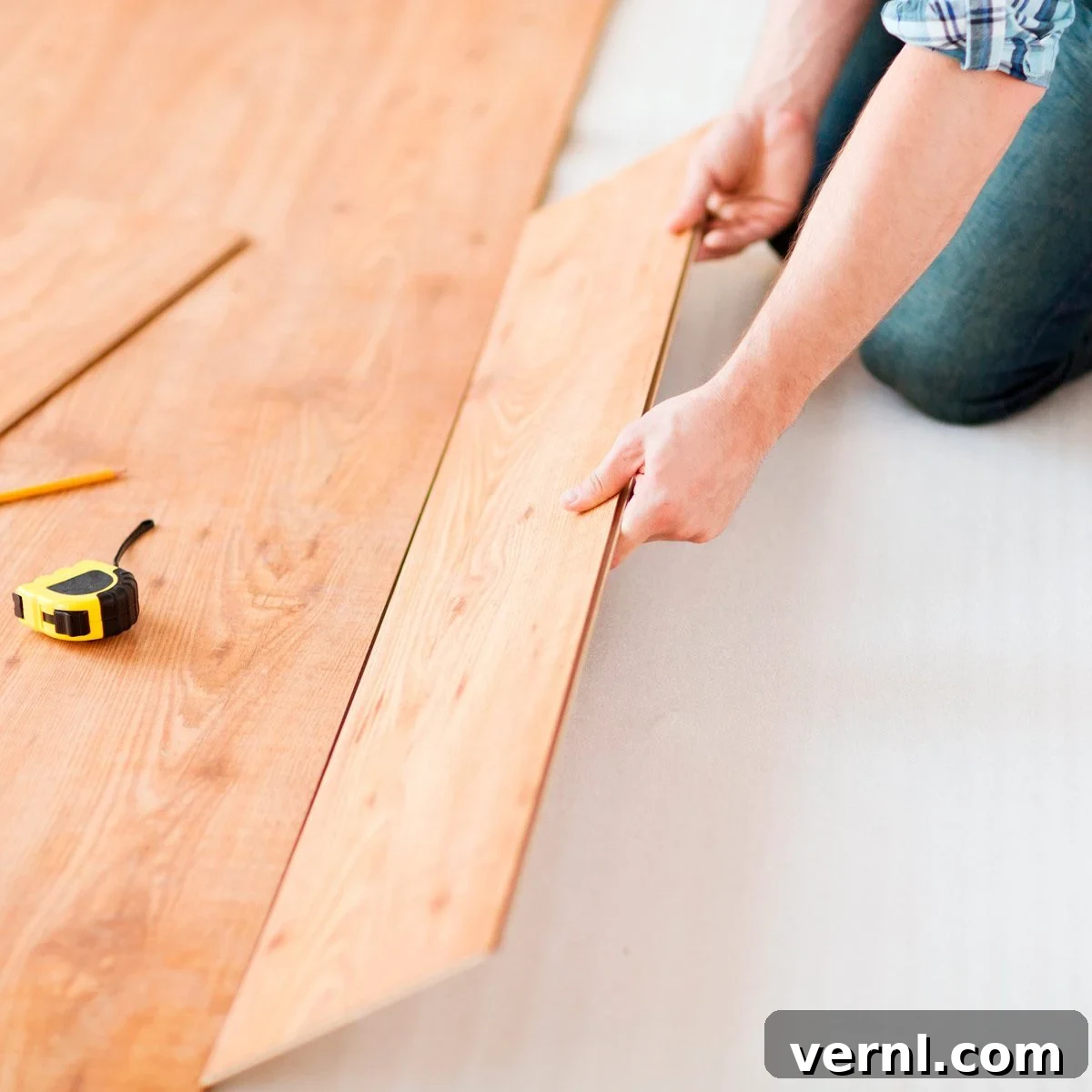
When the goal is to enhance your home’s value through new flooring, wood typically represents your best option. Its enduring appeal, versatility, and durability make it a perennial favorite among homeowners and buyers alike. Hardwood floors offer a classic elegance that transcends fleeting trends, making them a safe and smart investment.
Real estate experts consistently highlight the strong return on investment (ROI) associated with installing hardwood floors. According to insights shared on realtor.com, the average ROI for installing hardwood floors ranges from approximately 70 percent to 80 percent. Furthermore, wood floors have the potential to boost the sales price of your home by as much as 2.5 percent. This substantial increase demonstrates the financial wisdom behind investing in quality wood flooring.
Types and Characteristics of Wood Flooring
The beauty of wood flooring lies not only in its inherent luxury but also in the vast array of choices available. Homeowners can select from various wood species, each offering distinct grains, colors, and hardness levels. Popular options include:
- Oak: Known for its prominent grain and durability, available in red and white varieties.
- Maple: A harder wood with a finer grain, offering a smoother, more uniform appearance.
- Hickory: One of the hardest domestic woods, celebrated for its unique grain patterns and exceptional resilience.
- Walnut: A softer hardwood with rich, dark tones and beautiful natural variations.
- Pine: A softer softwood, often chosen for its rustic charm and affordability, though it dents more easily.
- Engineered Wood: A popular alternative composed of multiple layers, with a top layer of real wood. It’s more stable in fluctuating humidity and can be installed in areas where solid hardwood might not be suitable, like basements.
Beyond species, homeowners can customize their wood floors with various finishes (matte, satin, gloss), stains (light, dark, grey washes), and plank widths (narrow strips to wide planks). Wider planks are currently trending, offering a contemporary and expansive look that can make rooms feel larger.
Advantages of Wood Flooring for Resale
- Durability: With proper care, hardwood floors can last for decades, even centuries, and can be refinished multiple times.
- Timeless Appeal: Wood floors never go out of style, appealing to a broad range of tastes and architectural designs.
- Luxurious Aesthetic: They add an undeniable sense of warmth, elegance, and sophistication to any room.
- Hypoallergenic: Unlike carpet, wood floors don’t trap dust, pollen, or pet dander, making them a healthier choice for many buyers.
- Easy Maintenance: Generally easy to clean with regular sweeping and occasional damp mopping.
Tile Flooring: The Versatile and Resilient Choice
If wood is often considered the king of flooring for resale, then tile undoubtedly holds the position of queen. In many scenarios, and particularly in specific regions or rooms, tile flooring can match or even surpass wood in terms of increasing your home’s value.
Tile excels in areas where moisture resistance and extreme durability are paramount. It is an ideal choice for high-traffic zones and moisture-prone environments such as bathrooms, kitchens, laundry rooms, and entryways. Furthermore, in homes situated in tropical or humid climates where wood is susceptible to warping, expansion, and mold growth, tile proves to be an exceptionally resilient and practical solution.
Optimizing ROI with Tile Installation
For homeowners considering tile, there’s an opportunity to significantly enhance the return on investment through DIY installation, provided the work is executed flawlessly. Alex Biyevetskiy, a home remodeling expert with Remodeling Image, highlighted this point to realtor.com, stating, “If you can do it and get results that look professional, the return on investment will exceed 100 percent.” This speaks to the high labor costs associated with professional tile installation; successfully tackling it yourself can effectively double your return by saving on those expenses. However, it’s crucial to stress that “professional results” are non-negotiable for maximizing value; poorly installed tile can actively detract from it.
Modern Tile Trends to Consider
The world of tile is constantly evolving, with new designs and materials emerging regularly. If tile aligns with your home’s style and needs, staying updated on current trends can further enhance its appeal to buyers. Remodelingmagazine notes that popular contemporary trends include an abundance of unique and visually striking options, such as:
- Encaustic Tiles: Known for their intricate patterns and vibrant colors, often used to create a statement floor or wall.
- Geometric Tiles: From hexagons to chevron patterns, these tiles add a modern and dynamic visual interest.
- Arabesque Decorative Tiles: Featuring elegant, flowing shapes that evoke a sense of global sophistication and artistry.
- Large Format Tiles: Big tiles mean fewer grout lines, creating a sleek, expansive, and contemporary look, especially popular in open-plan areas.
- Wood-Look Porcelain Tiles: Offering the aesthetic of hardwood with the durability and water resistance of porcelain, a fantastic solution for bathrooms and basements.
- Subway Tile Variations: While classic white subway tile remains popular, variations in size, color, texture, and grout offer fresh interpretations.
Advantages of Tile Flooring for Resale
- Water Resistance: Excellent for wet areas, protecting against spills and humidity damage.
- Durability: Extremely hard-wearing and resistant to scratches, dents, and heavy foot traffic.
- Low Maintenance: Easy to clean and sanitize, making it ideal for kitchens and bathrooms.
- Versatility: Available in an endless array of colors, patterns, sizes, and textures, mimicking wood, stone, and other materials.
- Hypoallergenic: Does not trap allergens, contributing to a healthier indoor environment.
- Cooling Effect: Beneficial in warmer climates, as tile can help keep rooms cooler.
Other Flooring Types and Their Resale Impact
While wood and tile offer the highest ROI, it’s worth briefly considering other popular flooring materials and their general impact on home value.
- Laminate Flooring: Offers a cost-effective alternative to hardwood, with good durability and a wide range of styles. While it looks appealing, buyers typically recognize it’s not real wood, which can cap its value-add. It’s a good choice for budget-conscious renovations but doesn’t command the same premium as hardwood.
- Luxury Vinyl Plank (LVP) / Luxury Vinyl Tile (LVT): These modern vinyl options are highly durable, waterproof, and can convincingly mimic wood or stone. They are excellent for utility rooms, basements, and even high-traffic living areas, especially for homes with pets or children. LVP/LVT offers a better ROI than traditional sheet vinyl or carpet, but still falls short of natural wood or high-quality tile.
- Carpet: While comfortable and sound-absorbing, carpet generally offers the lowest resale value among flooring types. It tends to wear out, stain, and collect allergens, often requiring replacement by new homeowners. In some markets or specific rooms (like bedrooms), new, neutral, high-quality carpet can be acceptable, but it should be limited and immaculate.
The Critical Importance of Flooring Consistency and Flow
When it comes to increasing your home’s value with new flooring, the single most important “bottom line” factor, after quality materials, is consistency. This principle is widely affirmed by real estate professionals. According to Home Light, a prominent real estate referral company, real estate agents frequently report that buyers may walk away or significantly lower their offers when confronted with a home that features disparate and uncoordinated flooring.
A patchwork of different flooring materials that abruptly change from room to room or even within open-concept spaces can create a disjointed, chaotic, and often smaller-feeling interior. This lack of visual harmony is a major deterrent for potential buyers.
The “Worst Offender” Scenario
Ryan Cave, an experienced real estate agent in Texas, emphatically articulates one of the most significant flooring faux pas. “Two different hardwoods touching? That’s the worst,” he told Home Light. This scenario, where two distinct types of wood flooring (different species, stains, or plank widths) meet in a highly visible area, can be particularly jarring. It suggests either poor planning or a series of disconnected updates, undermining the perception of a well-maintained and thoughtfully designed home.
Why Consistency Matters to Buyers:
- Visual Flow: Seamless transitions create an expansive and harmonious feel, making a home appear larger and more cohesive.
- Perceived Quality: Consistent, high-quality flooring across primary living areas suggests a higher standard of overall home care and investment.
- Modern Aesthetic: Uniform flooring is a hallmark of modern design and open-concept living, which is highly sought after today.
- Reduced Renovation Burden: Buyers are looking for move-in ready homes. Inconsistent flooring signals that they will have to undertake costly and time-consuming renovation projects immediately.
Ideally, aim for one primary flooring material throughout the main living areas, hallways, and even bedrooms. Use tile strategically in bathrooms, kitchens, and laundry rooms, ensuring that these transitions are clean and intentional. If using different materials, ensure they complement each other in style, color palette, and quality.
Strategic Planning and Professional Advice
Before embarking on any flooring changes with the aim of increasing your home’s value for sale, careful consideration and strategic planning are paramount. Rushing into a decision or choosing materials based solely on personal preference without considering market appeal can, as the experts warn, have the opposite effect on your selling price.
It’s always advisable to consult with local real estate agents who understand current buyer preferences and what features are driving sales in your specific market. They can offer invaluable insights into which flooring types and styles will yield the best return on investment in your area. Additionally, consider seeking advice from reputable flooring professionals who can guide you on material quality, durability, and proper installation techniques.
Ultimately, flooring is a significant investment. Making informed, strategic choices that align with buyer expectations and enhance your home’s overall appeal is key to maximizing its market value and achieving a successful sale.