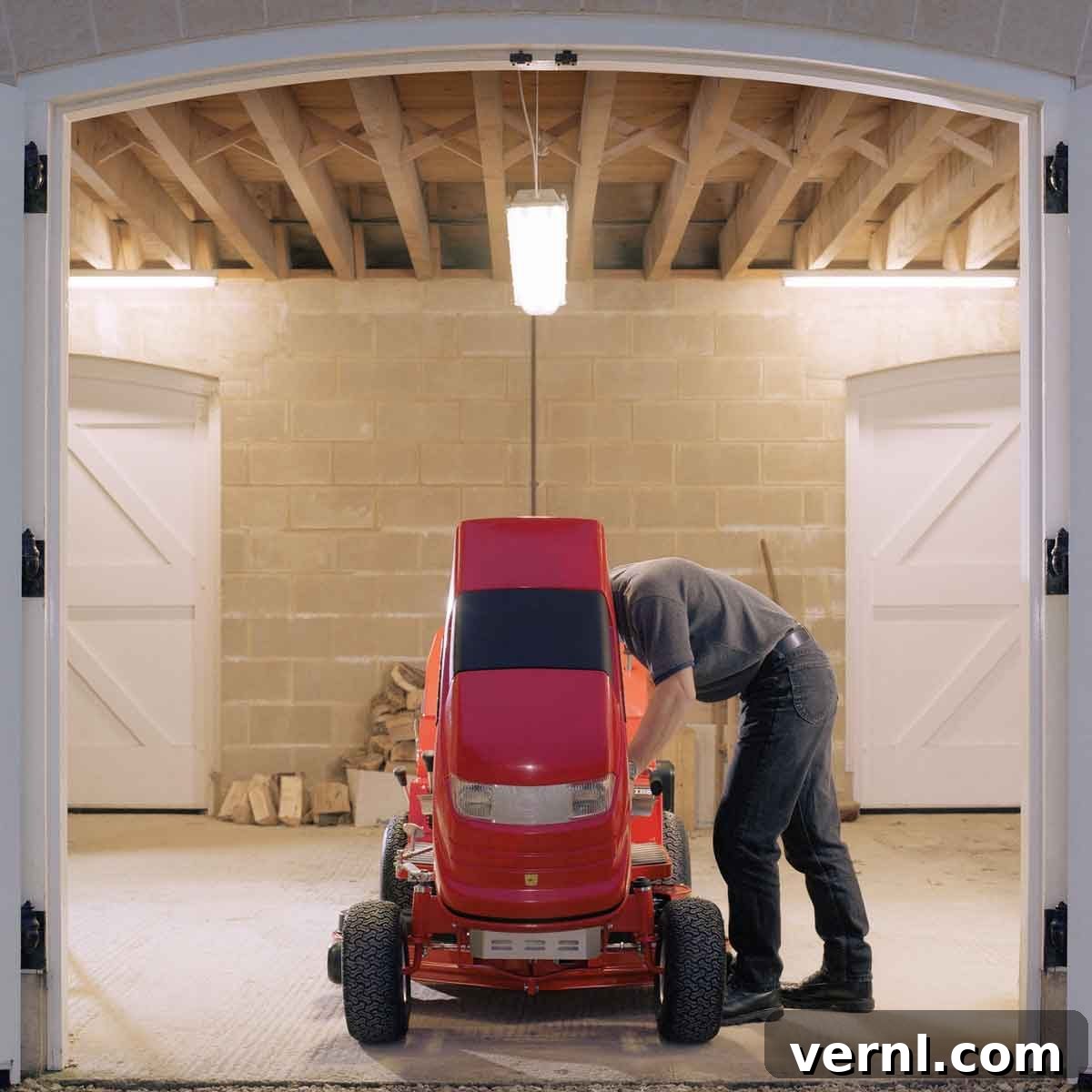
Responsible ownership of outdoor power equipment extends beyond seasonal use; it involves diligent care and regular maintenance. Among the most critical maintenance steps, particularly as colder months approach, is winterizing. This essential process safeguards your valuable machinery from the harsh effects of disuse, ensuring optimal performance and extending its lifespan. While the fundamental goal remains consistent – protecting your investment – the specific procedures for winterizing can vary significantly based on the type of equipment and its power source, whether it’s a gas-powered workhorse or an electric marvel.
Why Winterize Outdoor Equipment? Preserving Performance and Longevity
The primary motivation behind winterizing outdoor equipment, especially those with internal combustion engines, is to prevent internal corrosion and deterioration. During prolonged periods of inactivity, fuel can degrade, moisture can condense within engine components, and lubricants can break down, leading to costly damage come spring. However, winterization is more than just engine protection; it also presents an invaluable opportunity for thorough cleaning, inspection, and addressing any wear and tear that may have occurred during the active summer and fall seasons. This proactive approach not only prevents future breakdowns but also prepares your tools for immediate, reliable use when the new season begins.
The intricacies of winterizing are dictated by the engine type. Equipment powered by two-stroke engines, which burn a pre-mixed blend of gasoline and oil, requires a different approach compared to four-stroke engines. Four-stroke engines house a separate reservoir of engine oil that necessitates periodic changes. But don’t think electric outdoor equipment gets off easy; while they lack a combustion engine, they too benefit immensely from pre-winter maintenance to ensure their components remain in peak condition.
Understanding Engine Types: Two-Stroke vs. Four-Stroke
Before diving into specific winterizing steps, it’s crucial to identify your equipment’s engine type. Four-stroke engines are common in larger, more powerful tools like most lawn mowers, riding tractors, tillers, and pressure washers. They have separate compartments for gasoline and oil, and the oil requires regular changes. Two-stroke engines, found in lighter, more portable equipment such as string trimmers, chainsaws, and leaf blowers, use a fuel mixture with oil pre-blended, meaning there’s no separate oil to change. Knowing this distinction is the first step towards effective winter care.
Winterizing Gas-Powered Four-Stroke Equipment: A Comprehensive Guide
Four-stroke engines are the workhorses of many outdoor tasks, and proper winterization is key to their longevity and dependable performance. For these machines, a robust maintenance routine is essential.
Walk-Behind Lawn Mowers: Ready for Spring
Most walk-behind mowers are equipped with four-stroke engines, making an end-of-season oil change a fundamental part of their winterization. If, by chance, your mower is one of the rare two-stroke models, you can skip the oil change but follow all other steps diligently.
- Thorough Cleaning: Begin by giving your mower a comprehensive cleaning. If you have compressed air or a leaf blower, use it to blast away all loose debris, grass clippings, and dirt from the engine, deck, and wheels. A clean machine not only looks better but also prevents trapped moisture and corrosive elements from damaging components.
- Fuel System Management: Preventing gum deposits in the carburetor is paramount to avoiding starting problems next spring. There are two widely accepted methods for this:
- Run the Tank Dry: Operate the mower until it completely runs out of fuel and shuts off. This ensures no old fuel is left to deteriorate in the carburetor or fuel lines.
- Use Fuel Stabilizer: Alternatively, fill the gas tank with fresh fuel and add a high-quality fuel stabilizer, following the product’s instructions for dosage. Run the engine for several minutes to allow the treated fuel to circulate throughout the entire fuel system, including the carburetor. This method prevents fuel breakdown and gum formation.
- Engine Fogging: Regardless of your chosen fuel management strategy, have a spray can of fogging oil ready. As the engine runs (if using stabilizer) or just after it has run dry, squirt the fogging oil into the open carburetor intake. This creates a protective coating on the cylinder walls, piston, and valves, safeguarding them from rust and corrosion over the dormant winter months.
- Blade and Deck Care: For safety, always remove the spark plug wire to prevent accidental starting before working on the blade. Tip the mower onto its side (check your owner’s manual for the correct side to avoid oil leakage) and scrape off any caked-on grass, dirt, or debris from under the mower deck. Inspect the blade for nicks, dents, or dullness. Replace or sharpen the blade as needed, ensuring it’s balanced and ready for efficient cutting next season.
- General Inspection: Take this opportunity to check the air filter (clean or replace), spark plug (clean or replace), and all cables for fraying or damage. Lubricate any pivot points and ensure wheels move freely.
Riding Lawn Tractors: Advanced Winter Preparation
All riding lawn tractors are equipped with four-stroke engines, meaning their winterization process mirrors that of walk-behind mowers in its initial steps, but with additional considerations due to their larger size and complexity.
- Oil and Filter Change: Just like walk-behind mowers, an oil change is crucial. Unlike smaller models, larger riding tractors almost always feature an oil filter, which should be replaced concurrently with the oil change for optimal engine health.
- Battery Maintenance: The tractor’s battery is susceptible to cold weather. Connect a trickle charger to maintain its charge and health while it remains in the tractor. Alternatively, remove the battery entirely, clean its terminals, and bring it indoors to a warmer environment. Store it on a wood block or rubber mat and connect it to a smart charger for periodic charging throughout the winter.
- Tire Pressure and Belts: Top off tire pressure to the manufacturer’s recommended levels before storage to prevent flat spots from forming. Conduct a thorough inspection of all drive belts for cracks, fraying, or excessive wear. Replace any damaged belts to ensure smooth operation come spring.
- Deck Cleaning and Lubrication: Clean the underside of the mower deck meticulously. Lubricate all grease fittings, pivots, and moving parts according to your owner’s manual to prevent rust and ensure smooth mechanical operation.
Following these tractor maintenance tips can help you avoid expensive repairs and ensure your equipment is reliable for years to come.
Tillers: Protecting Your Soil Prep Powerhouse
Most tillers feature robust four-stroke engines, necessitating a similar winterizing protocol to prevent internal corrosion. Begin with an oil change and the crucial fogging procedure to protect the engine’s internal components.
- Belt and Cable Inspection: Carefully inspect all belts for signs of cracking, fraying, or glazing, and replace any that show wear. Also, check control cables for proper tension and lubrication.
- Tine Cleaning and Protection: The tines are the heart of your tiller. Remove all caked-on dirt, mud, and plant debris. This prevents rust and ensures they are ready to dig effectively next season. Consider applying a light coat of rust-preventative oil to the tines for added protection.
- Gearbox Maintenance: Many tillers have a gearbox that requires lubrication. Check your owner’s manual for recommended gearbox oil checks or changes.
Pressure Washers: Guarding Against Freezing Damage
Most pressure washers are powered by four-stroke engines, so begin by changing the engine oil and addressing the fuel system (run dry or stabilize and fog the engine). However, the unique challenge with pressure washers is protecting their pump from freezing temperatures.
- Pump Freeze Protection: If you reside in an area where winter temperatures routinely drop below freezing, protecting the pressure pump from internal water freezing and causing irreparable damage is paramount. Since these pumps cannot usually be drained conveniently, you’ll need to introduce a non-toxic plumbing anti-freeze. Use a hose and funnel to pour the anti-freeze into the pump’s inlet. With the spark plug wire removed for safety, turn the engine over (either by pulling the recoil start or briefly cranking if electric start) until anti-freeze begins to exit the pump’s outlet. This indicates the pump is fully protected. Learn how to winterize a pressure washer thoroughly.
- Hose and Nozzle Care: Drain all water from the high-pressure hose and coil it neatly. Clean any clogged nozzles and store them in a protective manner.
Winterizing Gas-Powered Two-Stroke Equipment: Simpler, But Still Critical
Two-stroke engines are known for their simplicity and power-to-weight ratio. While they don’t require an oil change, their fuel system is still vulnerable to winter’s effects.
String Trimmers: Ready for Spring Cleanup
Typically featuring two-stroke engines, string trimmers do not have engine oil to change. Their winterization focuses on fuel and general cleanliness.
- Fuel and Fogging: As with four-stroke engines, either run the fuel tank completely dry or add fuel stabilizer to a full tank of fresh mixed fuel and run the engine for a few minutes. Then, remove the air filter and apply fogging oil into the carburetor intake while the engine is running or immediately after it dies. This lubricates and protects internal engine components.
- Cleaning and String Replacement: After fogging, replace the air filter. Use compressed air or a brush to blow or wipe all debris off your trimmer, paying attention to cooling fins and the string head. Replace the supply of string in the head so you’re ready for immediate use next spring. Inspect the guard, shaft, and handle for any damage.
Chainsaws: Sharpening Your Winter Hibernation
Chainsaws almost exclusively use two-stroke engines. The engine winterizing procedure for chainsaws mirrors that of a string trimmer: manage the fuel (run dry or stabilize) and then fog the engine. However, additional steps are vital for the cutting mechanism.
- Chain and Bar Maintenance: Top off the chain oil reservoir with fresh bar and chain oil. Remove the chain and thoroughly clean both the chain and the guide bar. Inspect the chain for dullness, damage, or stretching. Sharpen it precisely and adjust its tension if needed. Once clean and sharp, apply a light coat of bar and chain oil to the chain and bar for rust prevention. Always slip a chain guard over the bar before storage to protect both the chain and yourself.
- Air Filter and Spark Plug: Clean or replace the air filter and inspect the spark plug.
- Storage: Store the chainsaw in a cool, dry place, protected from extreme temperature fluctuations and direct exposure to the elements.
Leaf Blowers: The Easiest to Prepare
Leaf blowers are perhaps the easiest of all gas-powered equipment to winterize due to their simpler design. The focus remains on their two-stroke engine’s fuel system.
- Fuel Treatment: Either run the fuel tank completely dry until the engine quits, or fill the tank with fresh mixed fuel, add fuel stabilizer, and run the engine for a few minutes to ensure the treated gas reaches the carburetor.
- Engine Fogging: Follow up with fogging the engine as described for other two-stroke equipment.
- Cleaning and Storage: Blow or wipe away any accumulated leaves, dust, or debris from the intake and exhaust vents, as well as the impeller housing. Store your blower in a dry, protected location.
Plug-In Electric and Battery-Powered Equipment: Simpler, Not Absent
Without a complex gas engine, electric outdoor equipment, such as trimmers, blowers, and mowers, generally requires far less intensive winterizing. However, simple preventative measures are still beneficial for extending their life and ensuring reliable operation.
- Cord Inspection (Plug-In): For plug-in electric tools, fall is an ideal time to thoroughly examine power cords for any nicks, cuts, frayed insulation, or exposed wires. Damaged cords pose significant safety hazards and should be replaced or professionally repaired before storage.
- Cleaning: Use a leaf blower or a shop vacuum to remove dust, grass clippings, and debris from vents, motor housings, and any moving parts. After dry cleaning, wipe down the equipment with a clean, dry cloth to remove any remaining grime.
- Battery Care (Battery-Powered): Most modern lithium-ion cordless tool batteries are robust and not typically harmed by storage in cold temperatures, though extreme cold can temporarily reduce their capacity. For optimal longevity, it’s generally best practice to bring the batteries indoors to a heated space. Charge them fully, or to approximately 40-60% of their capacity (check your manufacturer’s recommendation, as full charge isn’t always best for long-term storage of Li-ion batteries), before storing them. Ensure they are kept in a dry location, away from direct heat sources.
- Equipment Storage: The electric equipment itself doesn’t typically require heated storage, but it should be stored in a covered, dry location to protect it from moisture, dust, and physical damage.
The Value of Proactive Winterization: A Long-Term Investment
Taking the time to properly winterize your outdoor power equipment might seem like a chore, but it is an invaluable investment. This meticulous process safeguards internal components from corrosion, prevents fuel system issues, maintains battery health, and allows for proactive identification and repair of wear and tear. By dedicating a few hours to winter maintenance, you ensure that your lawnmowers, trimmers, chainsaws, and other essential tools will start reliably and perform efficiently for many seasons to come, saving you time, frustration, and costly repair bills. Always refer to your specific equipment’s owner’s manual for detailed, model-specific instructions and recommendations, as these can vary.