
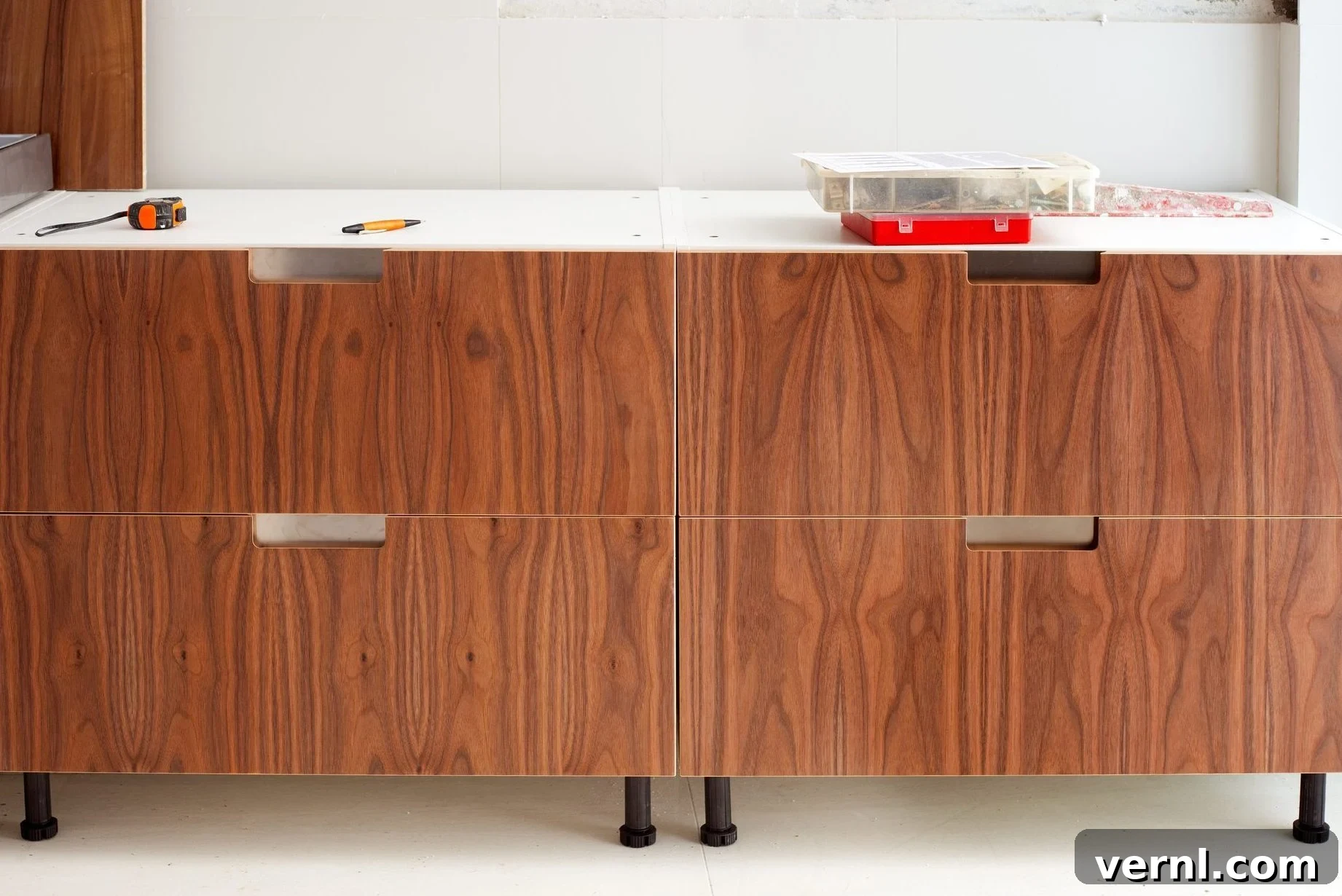
Walnut stands out as a consistently favored domestic wood among woodworkers, from eager beginners to seasoned professionals. Widely available across the United States, it holds a distinguished reputation as a premium domestic hardwood. Its inherent beauty and robust characteristics instantly elevate the perceived value and sophistication of any woodworking project, transforming ordinary pieces into cherished heirlooms.
Working with walnut is an undeniably rewarding experience. It carves and shapes with remarkable ease, making it a dream for those who prefer hand tools, yet it also machines effortlessly and accepts finishes with breathtaking results. This comprehensive guide will equip you with all the essential knowledge about walnut, empowering you to confidently select and utilize this magnificent timber in your next woodworking endeavor.
Understanding Walnut Wood: A Premium Hardwood
By definition, walnut is classified as a hardwood, originating from deciduous trees that shed their leaves annually. Specifically, the highly sought-after species found predominantly in North America is known as Black Walnut (Juglans nigra), often referred to simply as American Walnut.
The heartwood of Black Walnut boasts a deep, opulent chocolaty-brown hue, which can display a fascinating spectrum of secondary colors. These may include subtle purplish undertones, hints of green, and even golden streaks, adding to its unique charm. In contrast, the sapwood, which is the outer layer of the tree, typically ranges from a pale creamy color to an almost pristine white. While these vibrant color variations are commonly observed in freshly cut timber, the industrial kiln-drying process, often used to stabilize lumber, can sometimes mute these distinctions, resulting in a more uniform and homogenous brown tone across the boards.
For those seeking to preserve or enhance walnut’s natural kaleidoscope of colors, air-dried walnut is an excellent, albeit sometimes harder-to-find, option. In my experience, air-dried material tends to exhibit a more pronounced purple tint and a greater array of color shifts. Regardless of the drying method, walnut’s inherent characteristics make it a remarkably forgiving wood, simplifying the woodworking process for artisans of all skill levels.
Exploring the Diverse Types of Walnut Wood
While Black Walnut is the most prevalent, several other species and varieties contribute to the rich tapestry of walnut wood. Each possesses distinct qualities that make it suitable for various applications:
- Black Walnut (American Walnut): This is the flagship species, widely known and simply referred to as “walnut.” It is harvested from trees flourishing across the Eastern and Central United States. Renowned for its excellent dimensional stability and attractive straight grain, Black Walnut also offers impressive durability. Its Janka hardness rating of 1,010 pound-force (lbf) places it firmly in the medium-hard category. To provide some context, cherry wood has a Janka rating of 995 lbf, while white oak, a considerably harder wood, registers at 1,360 lbf. This balance of workability and resilience makes it ideal for a vast array of wood species projects.
- English Walnut (European Walnut): Also recognized as European Walnut (Juglans regia), this species shares many similarities with its American counterpart in terms of color profile and ease of workability. However, English Walnut typically presents a slightly paler, often milk-chocolate-like brown. It is marginally harder than American Black Walnut, boasting a Janka rating of 1,220 lbf. A fascinating tidbit: English Walnut is the species primarily cultivated globally for its edible nuts, which are the most common walnuts consumed worldwide.
- Claro Walnut: Native to California and Oregon, Claro Walnut (Juglans hindsii) is frequently used as rootstock in commercial walnut orchards. Trees grown in these environments can develop highly irregular and visually captivating grain patterns. Occasionally, Claro rootstock is grafted with English Walnut branches, leading to spectacular vibrant, colorful streaks and swirls near the graft line, a phenomenon affectionately known as “marbling.” This unique figuring makes Claro Walnut highly prized for decorative applications and statement pieces.
- Butternut (White Walnut): A charming member of the walnut family (Juglans cinerea), Butternut is sometimes colloquially referred to as “white walnut” or even “poor man’s walnut.” Despite these less flattering monikers, Butternut is an exquisitely beautiful wood in its own right. Its heartwood showcases a delightful golden-tan color, and its exceptional softness (Janka rating of 490 lbf) makes it an absolute joy to work with hand tools, lending itself wonderfully to carving. However, due to its low density, it’s crucial to select projects carefully, opting for applications where resistance to dents and impacts is not a primary concern.
The Enduring Advantages and Considerations of Walnut Wood
Advantages (Pros)
- Widespread Availability: One of walnut’s significant benefits is its accessibility. You can find quality walnut lumber from nearly all reputable domestic hardwood distributors, specialty lumberyards, and even larger home improvement stores, ensuring a consistent supply for your projects.
- Unrivaled Color and Aesthetic Appeal: The deep, resonant chocolaty browns, often interwoven with captivating purples, subtle greens, and shimmering golds, grant walnut an unparalleled visual richness. This profound depth of color, especially when finished, is what truly captivates artisans and clients alike, making it a perennial favorite.
- Exceptional Workability: Walnut is a woodworker’s delight. Whether you prefer the precision of hand tools or the efficiency of machinery, walnut performs beautifully. It planes smoothly, carves cleanly, and its forgiving nature means it holds a sharp cutting edge without excessive tear-out, simplifying the shaping and jointing processes.
- Stunning Finishing Qualities: The transformation of walnut under a fresh coat of finish is often described as magical. While applying that first coat of finish brings satisfaction to any project, the act of oiling walnut, in particular, consistently yields an awe-inspiring spectacle, deepening its hues and bringing its grain patterns to life in a way few other woods can match.
Considerations (Cons)
- Premium Price Point: As a premium domestic hardwood, walnut commands a higher price compared to many other commonly used timbers. While standard flat-sawn walnut boards are generally manageable, pieces exhibiting unique figure, such as highly sought-after curly or figured grain, can significantly increase the cost, requiring a more substantial investment.
- Inherent Color Change Over Time: While initially stunning, walnut is photoreactive, meaning its color will naturally evolve when exposed to light over extended periods. This oxidation process typically leads to a gradual shift from its original rich brown to a warmer, more golden or orange-honey tone. While many appreciate this natural aging process, it’s a factor to consider for those aiming to maintain the initial deep brown color.
- Moderate Durability: Despite being a hardwood, walnut isn’t exceptionally hard. With a Janka rating around 1,000 lbf, it is susceptible to dents and scratches under heavy impact or careless handling. Therefore, extra precautions may be necessary for high-traffic items, such as a large dining table or countertops, especially in households with active children or pets. Proper care and protective finishes are key to preserving its beauty.
Common Applications and Uses for Walnut Wood
Due to its remarkable beauty, excellent workability, and prestigious reputation, walnut is highly sought after for a diverse range of applications. It is a top choice for high-end furniture production, ranging from elegant tables and chairs to sophisticated bedroom sets. Its rich appearance also makes it a favorite for custom cabinetry, adding warmth and luxury to kitchens and built-ins. Beyond these, walnut is frequently used for decorative flooring, exquisite architectural millwork, gunstocks, musical instruments, fine carvings, and decorative veneers that showcase its stunning grain patterns.
Understanding Walnut Wood Costs and Purchasing Tips
When budgeting for walnut lumber, anticipate a price range of approximately $8 to $25 per board foot. This cost can fluctuate significantly based on several factors, including the lumber grade (e.g., FAS – First and Seconds, Select, #1 Common), the presence of desirable figure or unique grain patterns, the thickness of the board, and the specific supplier. For comparative purposes, most other furniture-grade domestic hardwoods typically fall within a lower range of $5 to $15 per board foot.
While the cost of walnut may not be entirely prohibitive for all beginners, it’s a consideration worth noting. We often advise newer woodworkers to gain experience with more economical woods before investing in higher-priced lumber like walnut. The initial fear of “ruining an expensive piece of wood” can sometimes hinder the learning process and discourage experimentation. However, for those ready to embrace the challenge, selecting a mid-grade, flat-sawn walnut can be a rewarding entry point into working with this magnificent timber.
When purchasing, always inspect boards for flatness, straightness, and any defects like knots or cracks. Discuss with your supplier whether the wood is kiln-dried or air-dried, as this impacts both color and stability. Investing a little extra time in selecting your lumber can save significant frustration and rework during your project.
Caring for Your Walnut Wood Projects
Once you’ve crafted a beautiful piece from walnut, proper care and maintenance are essential to preserve its beauty for years to come. Walnut furniture thrives in stable environments, so try to avoid extreme fluctuations in temperature and humidity, which can lead to wood movement, cracking, or warping. Keep your walnut pieces out of direct, prolonged sunlight to minimize accelerated color change.
For cleaning, a soft, damp cloth is usually sufficient. Avoid harsh chemical cleaners or abrasive materials, which can damage the finish. Depending on the type of finish applied, periodic reapplication of oil or wax may be necessary to nourish the wood and maintain its luster. Always consult the finish manufacturer’s recommendations for specific care instructions.
With its timeless elegance and remarkable versatility, walnut remains a cherished material for woodworkers. Its deep, inviting colors, coupled with its excellent working properties, make it a truly premium choice for projects destined to become treasured pieces.