Essential Receptacle Outlets: Understanding Electrical Code Requirements for Safety and Compliance
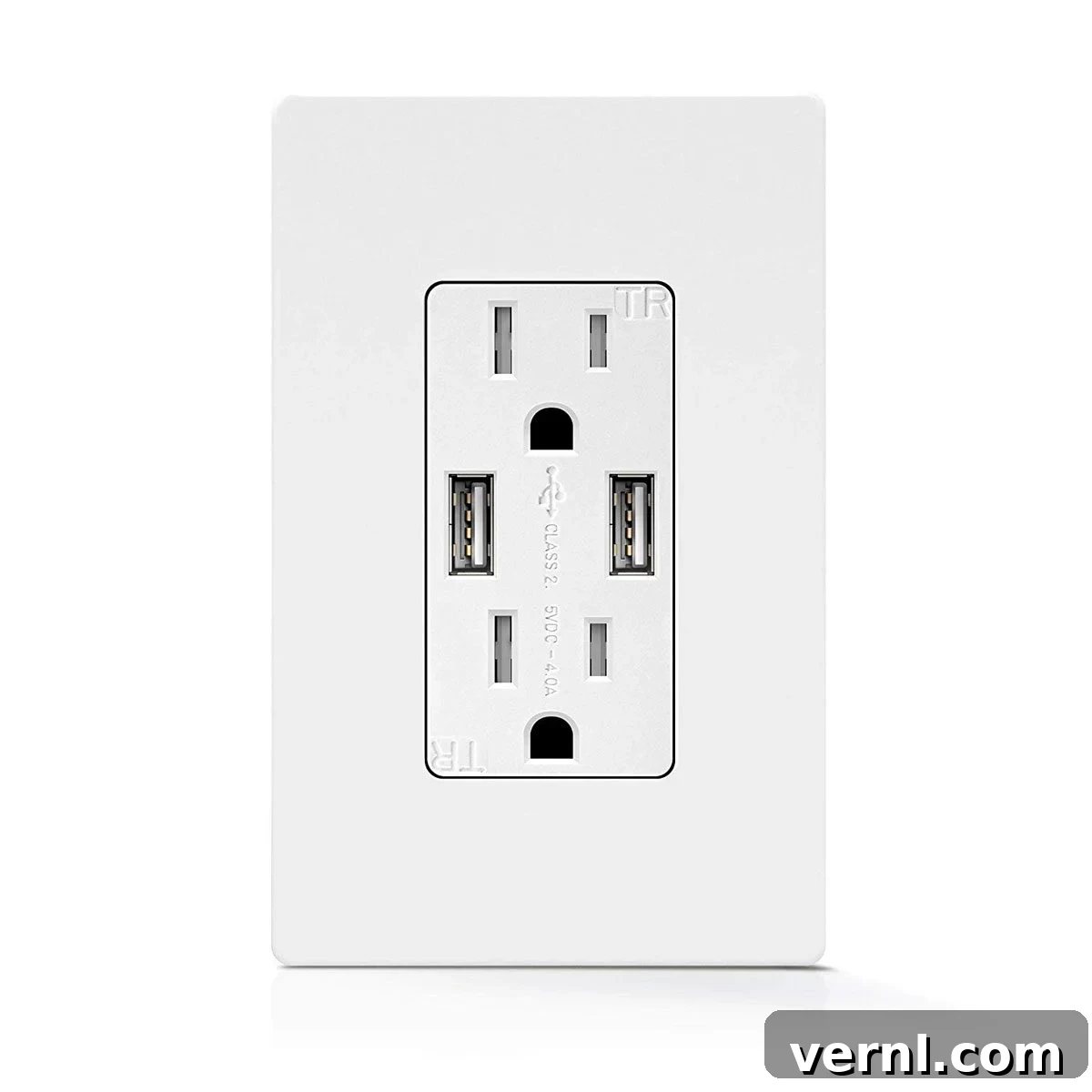
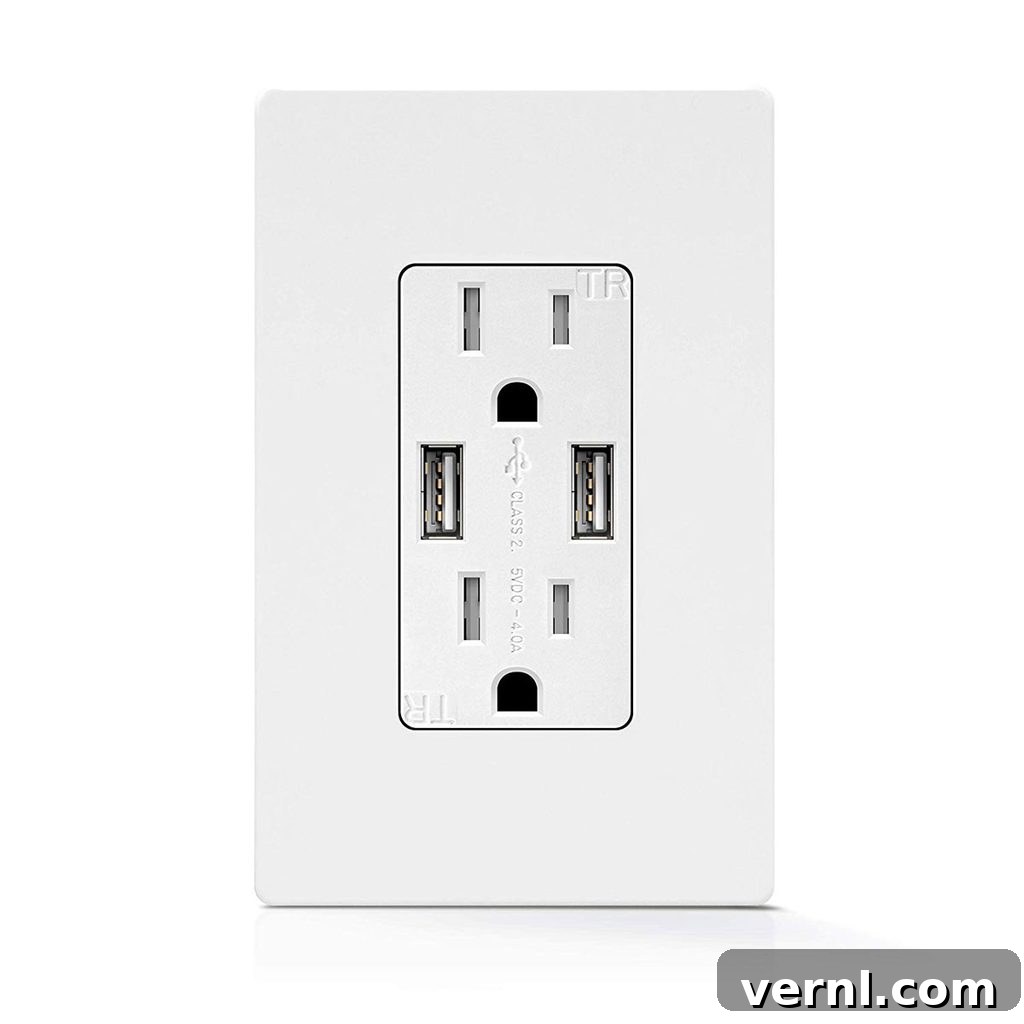
In every home and commercial building, electrical outlets are ubiquitous, serving as the gateways for power to countless devices that fuel our modern lives. While it’s easy to take these essential components for granted, understanding the specific types of receptacle outlets required by electrical codes is paramount for ensuring safety, preventing hazards, and passing inspections. Modern markets offer an array of outlets with appealing features like integrated USB charging ports, surge protection, convenient night lights, or combination switch-and-receptacle units. While these innovations certainly enhance convenience and functionality, they are often optional additions. The core requirements, however, revolve around fundamental safety mechanisms designed to protect occupants from electrical shocks and fires. This comprehensive guide delves into the primary categories of receptacles mandated by the National Electrical Code (NEC), highlighting their unique functions, installation requirements, and the critical role they play in electrical safety.
What types of receptacle outlets are required by the code?
Navigating the complexities of electrical codes can be challenging, but a clear understanding of mandatory receptacle types is crucial for any homeowner, contractor, or DIY enthusiast. Beyond the basic functionality of providing power, specific outlets are engineered with advanced safety features that are non-negotiable for new installations and certain renovations. These mandated types address different categories of electrical hazards, from preventing severe shocks to mitigating fire risks. Failing to install the correct type of receptacle in the designated locations can lead to serious safety risks, code violations, and potential legal issues. To ensure your electrical system is up to standard and truly safe, here are the essential receptacle categories you must be familiar with to successfully pass your next electrical inspection.
Grounding-Type Receptacles: The Foundation of Electrical Safety
The three-prong grounding-type receptacle is the industry standard and a cornerstone of modern electrical safety. Every new receptacle installed today, whether in a residential or commercial setting, is required to be of this design. The third, round prong on a plug, and its corresponding hole in the outlet, connect to a grounding wire within the electrical system. This grounding wire serves as a critical safety pathway, providing a low-resistance route for fault current to travel directly to the earth in the event of an electrical short or malfunction. Without this dedicated ground path, a faulty appliance or wiring issue could energize the metal casing of an appliance, turning it into a shock hazard. When a ground fault occurs, the current flows through the grounding wire, tripping the circuit breaker or fuse and quickly de-energizing the circuit, thereby preventing severe electric shock or potential fire. While modern installations universally demand three-prong receptacles, there are specific, limited exceptions and alternative methods outlined in the code for replacing old two-prong, non-grounding type receptacles in older homes, often involving GFCI protection in lieu of a dedicated ground wire. However, the fundamental principle remains: a proper grounding system is essential for the safe operation of electrical devices and the protection of individuals.
Ground-Fault Circuit-Interrupter Receptacles (GFCI): Your First Line of Defense Against Shock
Ground-Fault Circuit-Interrupter (GFCI) receptacles are truly life-saving devices, specifically designed to protect individuals from severe or fatal electrical shocks. These sophisticated outlets contain advanced electronics that continuously monitor the balance of current flowing through the hot and neutral wires of a circuit. In a normal, safe circuit, the current flowing out on the hot wire should exactly equal the current returning on the neutral wire. If a tiny imbalance is detected – as little as 4 or 5 milliamperes – it indicates that current is leaking out of the circuit through an unintended path, such as through a person’s body to the ground. This condition is known as a “ground fault.” The GFCI receptacle is engineered to react with incredible speed, tripping open and interrupting the flow of current in less than 5 milliseconds. This rapid response is crucial because it can halt the current before it has a chance to cause your heart to go into ventricular fibrillation, a condition that can be deadly. GFCI protection is mandated by code in all locations where water or dampness increases the risk of electrocution. This includes, but is not limited to, bathrooms, kitchens (for receptacles serving countertops), garages, unfinished basements, crawl spaces, outdoor areas, laundry areas, wet bar sinks, and receptacles within 6 feet of the outside edge of a sink. Their ability to quickly cut power makes them an indispensable safety feature in modern electrical systems, significantly reducing the risk of fatal electrical shock.
Arc-Fault Circuit-Interrupter Receptacles (AFCI): Preventing Electrical Fires Before They Start
Complementing the life-saving capabilities of GFCIs, Arc-Fault Circuit-Interrupter (AFCI) receptacles address a different but equally critical hazard: electrical fires. Similar to GFCI receptacles, AFCI outlets house sophisticated electronics that meticulously monitor the electrical current flow for specific patterns. However, instead of detecting ground faults, AFCIs are designed to identify and respond to dangerous arcing conditions. An arc fault occurs when there’s an unintentional electrical discharge between two conductors, which can be caused by damaged insulation, frayed wires (e.g., from furniture pinching a cord), loose connections, or even nails piercing wiring within walls. These arcs generate intense heat, which can quickly ignite nearby combustible materials like wood framing, insulation, or curtains, leading to devastating fires. AFCI devices are engineered to differentiate between harmless arcs (like those occurring when you flip a light switch or plug in an appliance) and persistent, dangerous arcing signatures that signal a potential fire hazard. Upon detecting a hazardous arc, the AFCI receptacle will trip open, instantly stopping the flow of current to prevent the arc from escalating into a full-blown fire. The National Electrical Code mandates AFCI protection for virtually all 15- and 20-ampere branch circuits supplying outlets and devices in dwelling units’ living areas. This includes, but is not limited to, bedrooms, living rooms, family rooms, dining rooms, dens, hallways, and closets, ensuring comprehensive fire protection throughout the home. Understanding the distinct roles of both GFCI and AFCI protection is vital, as they protect against different types of electrical hazards and are often required in different or overlapping locations to maximize safety.
Tamper-Resistant Receptacles (TR): Protecting Our Youngest and Most Vulnerable
Children’s curiosity is boundless, but when it comes to electrical outlets, it can be deadly. Tamper-Resistant (TR) receptacles are a simple yet incredibly effective innovation designed specifically to prevent serious electrical injuries among young children. These outlets feature an ingenious internal shutter mechanism that blocks the receptacle slots. The shutters remain closed unless equal pressure is applied simultaneously to both slots, such as when a two-pronged plug is inserted correctly. This design makes it virtually impossible for a child to insert a single foreign object, like a paperclip, hair pin, or key, into one of the slots and complete a circuit, thereby preventing a dangerous electrical shock. Statistics highlight the critical need for TR receptacles: the vast majority of electrical burns and shocks involving children occur among those 6 years of age or less. Recognizing this vulnerability, the National Electrical Code now mandates that all 15- and 20-ampere receptacles in dwelling units must be tamper-resistant. The requirement extends beyond private residences to numerous public and commercial settings where children might be present and not closely supervised. This includes hotel rooms, childcare facilities, preschools, elementary education facilities, waiting areas in medical and dental clinics, dormitories, and waiting areas in any place of assembly. TR receptacles offer a passive yet robust layer of protection, dramatically reducing the risk of preventable electrical accidents involving curious young hands, making our environments safer for the most vulnerable members of our society.
Weather-Resistant Receptacles (WR): Durability and Safety in Challenging Environments
Electrical installations in outdoor or moisture-prone environments face unique challenges that standard receptacles are not equipped to handle. Weather-Resistant (WR) receptacles are specifically engineered to endure harsh conditions, providing reliable and safe power in damp or wet locations. The National Electrical Code now mandates that all 15- and 20-ampere receptacles installed in these challenging environments must be approved and clearly marked as weather-resistant. Compared to standard-grade receptacles, WR variants incorporate several critical enhancements:
- Extra Corrosion Protection: Internal components are specially coated or constructed from materials resistant to rust and corrosion, which are prevalent in humid or wet conditions.
- Resistance Against Ultraviolet Light (UV): The plastics and external components are formulated to resist degradation from prolonged exposure to sunlight, preventing brittleness and cracking over time.
- Impact and Abuse Resistance: WR receptacles are built with more robust materials to withstand physical impact and harsh treatment, especially important in high-traffic outdoor areas or in cold weather where plastics can become more fragile.
- Enhanced Sealing: While not always visible, their design often incorporates better sealing to prevent moisture ingress into the wiring connections.
Understanding the distinction between “damp” and “wet” locations is key to proper WR receptacle installation. A damp location is defined as an area protected from direct weather exposure but still subject to moderate degrees of moisture. Examples include under a canopy, on an open porch, in a carport, or in an unheated shed. A wet location, conversely, is any area subject to saturation with water or other liquids. This encompasses the exterior of a home exposed to rain, patios, pool areas, and specific industrial settings. Beyond the WR receptacle itself, it’s crucial that these outlets are installed with appropriate weather-resistant covers or enclosures (often designated as “in-use” or “bubble” covers for wet locations) to maintain integrity and safety when in use. These combined measures ensure that outdoor electrical connections remain safe, functional, and durable, regardless of the environmental challenges.
Ensuring Electrical Safety Through Code Compliance
Understanding and adhering to the National Electrical Code requirements for receptacle outlets is not merely about passing an inspection; it’s about safeguarding lives and property. Each specialized receptacle – from the fundamental grounding-type to the advanced GFCI and AFCI, the child-protective TR, and the robust WR – plays a unique yet equally vital role in building a comprehensive safety net within our electrical systems. These devices are the result of decades of research, engineering, and tragic lessons learned, all aimed at minimizing the inherent risks associated with electricity. While the array of available options can seem overwhelming, focusing on these essential code-mandated types simplifies the process and ensures compliance. Beyond convenience features, prioritizing these core safety technologies is paramount for any electrical project, whether it’s new construction, a major renovation, or simply replacing an old outlet. Always remember that when in doubt, consulting a qualified, licensed electrician is the best course of action. Professionals can ensure that installations meet the latest code requirements, providing peace of mind that your home or business is not only powered efficiently but, most importantly, safely.