While the term “backdraft” might conjure images of dramatic Hollywood thrillers featuring raging infernos, the reality of backdrafting in your home is a far more insidious and potentially deadly threat. Unlike a cinematic blaze, the backdraft risk in your residence often operates silently, pulling toxic gases back into your living space without obvious warning signs. Firefighters are acutely aware of the dangers of oxygen-deprived fires sucking air in, but a similar, albeit less dramatic, phenomenon can occur with your home’s combustion appliances.
As HVAC specialist Reid Larson explains, “Backdrafting pulls combustion gases—like the deadly carbon monoxide—back into the home instead of venting them safely outside. This isn’t just an inefficiency; it poses serious health risks and can quickly become life-threatening.” Understanding this unseen danger is the first step toward safeguarding your home and loved ones. This comprehensive guide will illuminate the causes, help you identify the subtle clues, and provide essential strategies to prevent backdrafting.
Understanding the Dangers of Backdrafting in Your Home
At its core, backdrafting in a residential setting occurs when an appliance that relies on combustion – essentially, an open flame – fails to vent its exhaust gases properly to the outdoors. Instead, these harmful byproducts are drawn back into your home. Reid Larson emphasizes that this situation is inherently dangerous. Appliances such as gas water heaters, traditional wood-burning or gas fireplaces, and gas or oil furnaces are all designed to safely expel combustion gases through a flue or chimney. However, when this critical venting pathway is compromised, the system fails, leading to backdrafting.
While some appliances, like gas range tops or ventless fireplaces, produce exhaust levels low enough to not strictly require dedicated venting, the vast majority of combustion appliances are designed with specific venting requirements. These systems depend on properly sized and entirely unblocked flues to ensure exhaust gases are safely directed away from the living environment. Any deviation from these specifications, whether due to improper installation, damage, or blockages, can quickly turn a safe system into a hazard.
The Silent Killer: Carbon Monoxide
Beyond inefficient operation and increased utility bills, the primary and most severe danger associated with backdrafting is the release of carbon monoxide (CO). This insidious gas is a byproduct of incomplete combustion, and it is truly a “silent killer” because it is colorless, odorless, and tasteless, making it impossible to detect without specialized equipment. When inhaled, carbon monoxide deprives the body’s organs and tissues of oxygen, leading to symptoms that can range from headaches, dizziness, and nausea to confusion, loss of consciousness, and ultimately, death. This critical threat underscores why installing carbon monoxide detectors throughout your home is not just recommended, but absolutely essential for personal safety.
Negative Pressure: A Hidden Culprit
Even properly installed and maintained venting equipment can backdraft if your home experiences what is known as “negative pressure.” This occurs when the air pressure inside your home becomes lower than the air pressure outside. Instead of warm exhaust gases rising and exiting the flue as intended, the negative pressure acts like a vacuum, pulling these gases back down and into your living spaces. Common culprits for creating negative pressure include powerful exhaust fans (like kitchen range hoods or bathroom fans operating simultaneously), clothes dryers, or even strong winds blowing against the home. Larson notes, “Common causes of backdrafts include improperly installed or sloped venting, blocked or damaged chimneys, or poor airflow in the room where the appliance is located. Anything that disrupts the natural path of exhaust can lead to backdrafting.” Understanding negative pressure is key to holistic home ventilation and safety.
Spotting the Silent Threat: How to Detect Backdrafting
While the installation of a reliable carbon monoxide detector is your primary defense against lethal CO levels, proactive vigilance can help you identify potential backdrafting issues before they escalate into life-threatening problems. Being aware of the subtle signs can provide an early warning and give you time to address the root cause.
One straightforward method to assess the draw of your exhaust system involves a simple visual test. Light a stick of incense or a wooden match and hold it close to the entrance of the appliance’s flue or vent opening. Observe the smoke’s behavior. Ideally, the smoke should be drawn strongly upward and away, indicating proper ventilation. If, however, the smoke wavers, spills out into the room, or is drawn downward, it’s a clear indication that dangerous combustion gases are likely not venting correctly either. This simple test can be performed periodically as part of your home maintenance routine.
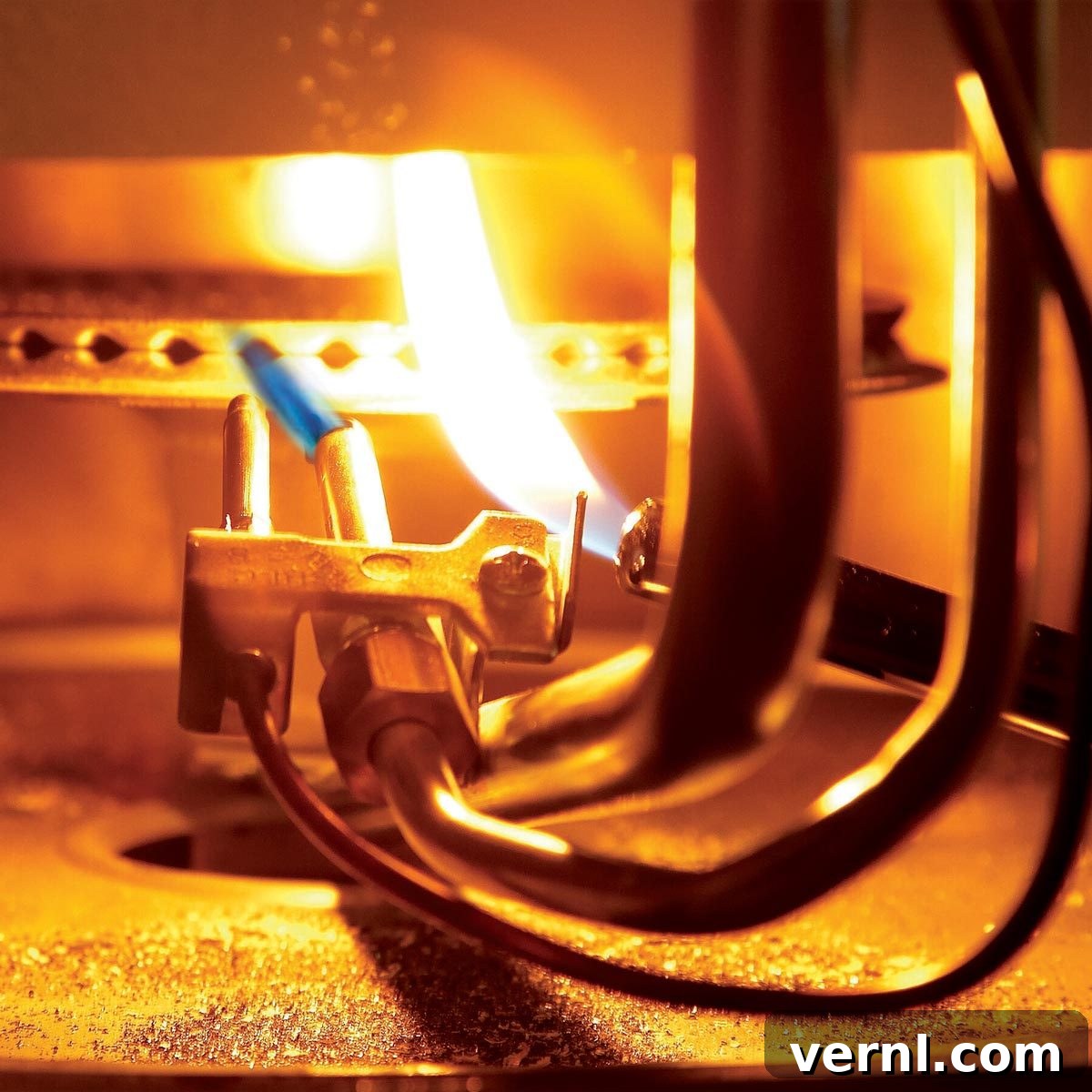
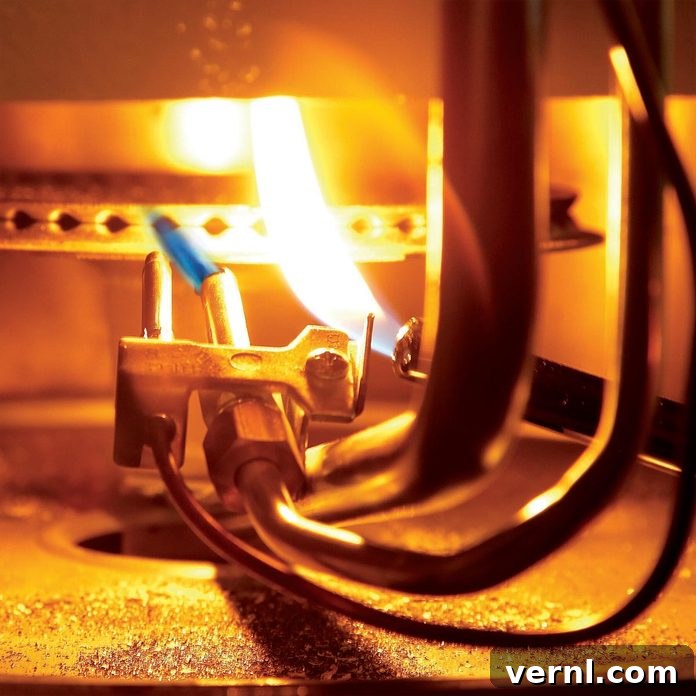
Another critical warning sign to watch for is the presence of unusually hot air, soot stains, or even physical damage around the entrance to an exhaust vent. For instance, observe this photo, where the gasket on top of a water heater shows signs of melting due to prolonged exposure to hot vent fumes that were being pulled back into the living space. Such damage is not merely cosmetic; it indicates a severe and ongoing backdrafting problem that demands immediate attention. Other visual cues might include excessive condensation on windows, a lingering stuffy or unfamiliar odor, or the unusual behavior of pilot lights on gas appliances (flickering, going out, or burning with a yellow instead of blue flame). If you notice any of these indicators, it is imperative to investigate the source of the issue as soon as possible. Regular furnace maintenance, especially before and during the winter heating season, is also crucial for preventing these issues.
Proactive Measures: Comprehensive Strategies to Prevent Backdrafting
Preventing backdrafting is achievable with a combination of regular maintenance, thoughtful home design, and professional guidance. Taking proactive steps can significantly enhance your home’s safety and air quality.
Inspect and Maintain Flue Vents Regularly
The flue vent is the lifeline for combustion gases, and its proper functioning is paramount. An incorrectly sized flue vent—whether too large, leading to insufficient draft, or too small, causing back pressure—will not effectively draw exhaust out of your home. Moreover, blockages are a common culprit. Animal nests, accumulated debris, or even structural damage to the chimney can obstruct the flue. In such cases, even minor negative pressure within the home, like activating a bathroom exhaust fan, can easily cause a backdraft. Make vent and chimney inspections an integral part of your annual home maintenance routine. Look for visible cracks, breaks, or corrosion in the flue pipe. If you observe increased animal activity around your roof or chimney, investigate for potential nests that animals might have built, drawn by the warmth of escaping exhaust air. The precise sizing of a flue depends on the appliance it serves and the height of your chimney. If you have questions about this critical ratio, or if you suspect backdrafting despite no obvious cracks or nests, it is advisable to consult a qualified contractor or home inspector to diagnose and resolve the issue. They can identify the subtle signs your house is in trouble and offer expert solutions.
Ensure Adequate Makeup Air and Ventilation
A more subtle yet increasingly common cause of backdrafts in modern homes is excessive airtightness. While sealing cracks and gaps is excellent for reducing energy bills and enhancing energy efficiency, it can inadvertently hinder the natural flow of air through the house, making it harder for combustion exhaust fumes to escape. A tightly sealed home requires a source of “makeup air” to replace the air being exhausted by appliances. Without sufficient makeup air, the home can quickly become negatively pressurized, drawing air down the chimney rather than letting it escape. Do not shy away from improving your home’s thermal envelope, but if you’re planning significant modifications, ensure your ventilation needs are carefully considered. You may need to install an Energy Recovery Ventilator (ERV) or Heat Recovery Ventilator (HRV). These systems introduce fresh outdoor air while recovering energy from the outgoing stale air, providing balanced ventilation without compromising energy efficiency. This is a smart investment that can save you money and keep your air healthy; consider a home energy audit to identify specific areas for improvement.
Evaluate Changes to Your HVAC System Thoughtfully
Modifications to your home’s mechanical systems, particularly your heating, ventilation, and air conditioning (HVAC) setup, can have unforeseen ripple effects on appliance venting. A common scenario is the “orphaned water heater.” This occurs when an older, less efficient furnace that previously shared a chimney with a gas water heater is replaced by a newer, high-efficiency model that vents directly through a wall or foundation, bypassing the chimney entirely. This often leaves the gas water heater as the sole appliance venting into a chimney that is now significantly oversized for its needs. An oversized chimney struggles to generate sufficient draft for a single, smaller appliance, leading to exhaust fumes struggling to make it all the way up and out, often resulting in backdrafting. Always consult with a qualified HVAC professional before making any significant changes to your home’s heating or venting systems to ensure all components remain balanced and safe.
Utilize Temporary Ventilation When Needed
Similarly, operating large exhaust devices that draw substantial amounts of air out of the home, such as a powerful whole-house fan or a high-capacity kitchen range hood, can create significant negative pressure. If these systems are not installed with adequate makeup air provisions or used mindfully, they can induce backdrafting in other combustion appliances. This is precisely why it’s essential to open windows and doors during the operation of such powerful fans, especially if your house is particularly well-sealed. This simple act provides the necessary makeup air, preventing the vacuum effect that pulls exhaust gases indoors. This applies not just to whole-house fans, but also to prolonged use of bathroom and kitchen exhaust fans, particularly in conjunction with other combustion appliances.
Backdrafting is a genuine and potentially serious hazard in any home, but it is not an unavoidable one. With a combination of awareness, regular maintenance, thoughtful ventilation strategies, and professional guidance, it is a danger that you can effectively identify and mitigate, ensuring the ongoing safety and peace of mind for your household.
Frequently Asked Questions About Backdrafting
Can backdrafting happen in new, energy-efficient homes?
Yes, absolutely. As Reid Larson explains, “Airtight, energy-efficient homes often lack the natural airflow older homes have. While great for energy savings, without enough makeup air, combustion appliances may not vent properly—creating ideal conditions for backdrafting.” The very design features that make these homes energy-efficient can inadvertently create a higher risk of negative pressure, making proper mechanical ventilation systems, like ERVs or HRVs, even more critical.
Do carbon monoxide detectors help prevent backdrafting?
While carbon monoxide detectors do not prevent backdrafting itself, they are absolutely essential safety devices that provide a critical warning. They alert you immediately if backdrafting causes carbon monoxide to build up to dangerous levels in your home. These alarms provide precious time for you to evacuate and address the problem, making them life-saving tools in any home with combustion appliances. They are your last line of defense against the invisible threat of CO poisoning.
What are the first steps if I suspect backdrafting or hear my CO detector alarm?
If you suspect backdrafting or if your carbon monoxide detector sounds its alarm, the immediate priority is safety. First, ensure everyone, including pets, evacuates the home to fresh air. If possible and safe to do so, turn off any combustion appliances (furnace, water heater, fireplace). Call your local fire department or a qualified HVAC professional immediately. Do not re-enter the home until it has been deemed safe by professionals and the source of the backdrafting has been identified and corrected.
About the Expert
- Reid Larson is the co-owner and a highly respected HVAC specialist at Super Duper Plumbing and Heating. With extensive experience and expertise, he is often the go-to professional for other HVAC companies facing complex challenges, making him a trusted authority in home ventilation and safety.