A lush, vibrant green lawn is often the envy of the neighborhood, a testament to dedicated care and a welcoming carpet for outdoor living. While nature intends for grass to be self-sufficient, naturally providing its own seed and replenishing itself, the reality for most homeowners is different. A manicured lawn, frequently mowed to perfection, often can’t complete this natural cycle. Repeated mowing inevitably chops off most, if not all, of the grass seeds before they have a chance to mature and disperse. This interruption means your lawn relies on you to help it thrive and maintain its density. That’s precisely why reseeding your lawn from time to time is critically important, especially if it endures significant wear and tear from foot traffic, pets, or adverse weather conditions. Among the various lawn care strategies, planting fall grass seed stands out as one of the most effective tricks for achieving a robust and healthy turf.
Understanding When to Reseed Your Lawn for Optimal Results
Timing is everything in lawn care, and determining the best period to reseed your lawn largely depends on your geographical location and the type of grass you cultivate. However, for many regions, especially in the northern parts of the country, fall presents an unparalleled opportunity for successful lawn reseeding. Here’s a deeper dive into why autumn is often considered the prime season for reseeding lawns in the North:
- Nature’s Schedule: Fall aligns perfectly with the grass’s natural life cycle. If left undisturbed, this is precisely when many cool-season grasses would normally mature their own crop of seeds, ensuring the next generation of healthy growth. By reseeding in the fall, you’re working in harmony with nature’s rhythm, giving your new grass the best possible start.
- The Frost Countdown: An ideal reseeding window in northern climates would be at least 45 days before the first average fall frost date. This crucial buffer allows sufficient time for the new grass seeds to germinate, establish a healthy root system, and develop strong blades before the harsh freezing temperatures of winter set in. Seeding too late risks young seedlings being unable to withstand the cold.
- Perfect Soil Warmth: Unlike spring, when the soil is often still recovering from winter’s chill, the ground in fall has had the benefit of summer’s warmth. This means the soil is already warmed up to an ideal temperature range, typically between 55-65 degrees Fahrenheit, which is absolutely critical for encouraging rapid and consistent grass seed germination. Warm soil significantly accelerates the sprouting process, leading to a denser and more uniform lawn.
- Cooler Air Temperatures: While the soil remains warm, fall brings noticeably cooler air temperatures. This combination is highly beneficial. Cooler air reduces stress on tender new seedlings, preventing them from drying out too quickly and allowing them to focus energy on root development rather than battling intense heat.
The Crucial Role of Consistent Soil Moisture
One of the most significant advantages of fall lawn reseeding lies in the environmental conditions that naturally favor new growth. The season brings a unique synergy of factors that make establishing new grass blades less stressful and more successful. Cooler temperatures and more consistent soil moisture create an optimal environment for delicate, newly forming grass blades to thrive.
Fall rains typically tend to be gentler and more consistent than the often torrential downpours of spring or the sporadic thunderstorms of summer. This allows the water to soak slowly and deeply into the soil, where it can be effectively absorbed by emerging roots without washing away precious seeds or compacting the topsoil. In addition, reseeding in the fall inherently requires less supplemental irrigation because the hottest, driest weather of summer will have already passed. This conserves water and reduces the workload for homeowners, making the establishment phase far more manageable.
Furthermore, the fall season often sees a natural decline in the prevalence of common weeds and pests. Many annual weeds have completed their life cycle, and pest activity begins to wind down as temperatures drop. This reduction in competition and stress allows your new fall grass seedlings to dedicate all their energy to growing strong and healthy, without having to contend with aggressive invaders for vital nutrients, water, and sunlight. This gives your new lawn a significant head start before the next spring surge of unwanted growth.
Reseeding Strategies for Lawns in Southern Climates
While fall is the undisputed champion for cool-season grass establishment in the North, the strategy shifts slightly for homeowners in the South due to differing climate patterns and prevalent grass types. In Southern regions, seeding a brand-new lawn, particularly with warm-season grasses like Bermuda, Zoysia, or St. Augustine, is generally best done in the spring when temperatures are consistently rising and soil is warm enough to support vigorous growth. However, fall still plays a vital role in Southern lawn care, particularly for a practice known as “overseeding” an existing lawn.
Overseeding in the fall in the South typically involves introducing cool-season grasses (such as ryegrass or fescue) into an existing warm-season lawn. This technique serves a crucial aesthetic and functional purpose: it ensures vibrant winter color when the warm-season grasses naturally go dormant and lose their green hue. These cool-season grasses will sprout, provide a green carpet through the cooler months, and then naturally die back as warm-season grasses emerge from dormancy in the spring.
For successful fall overseeding in the South, it’s critical to wait until mid to late fall. The ideal time is when nighttime temperatures are consistently below 65 degrees Fahrenheit and the established warm-season turf has begun to visibly lose its color, indicating it’s entering dormancy. Seeding too early can lead to the cool-season grass struggling in the lingering heat or competing too aggressively with the still-active warm-season grass. Patience and careful observation of local weather patterns are key to achieving a successful winter lawn transformation.
Essential Lawn Preparation: Avoid This Common Reseeding Mistake
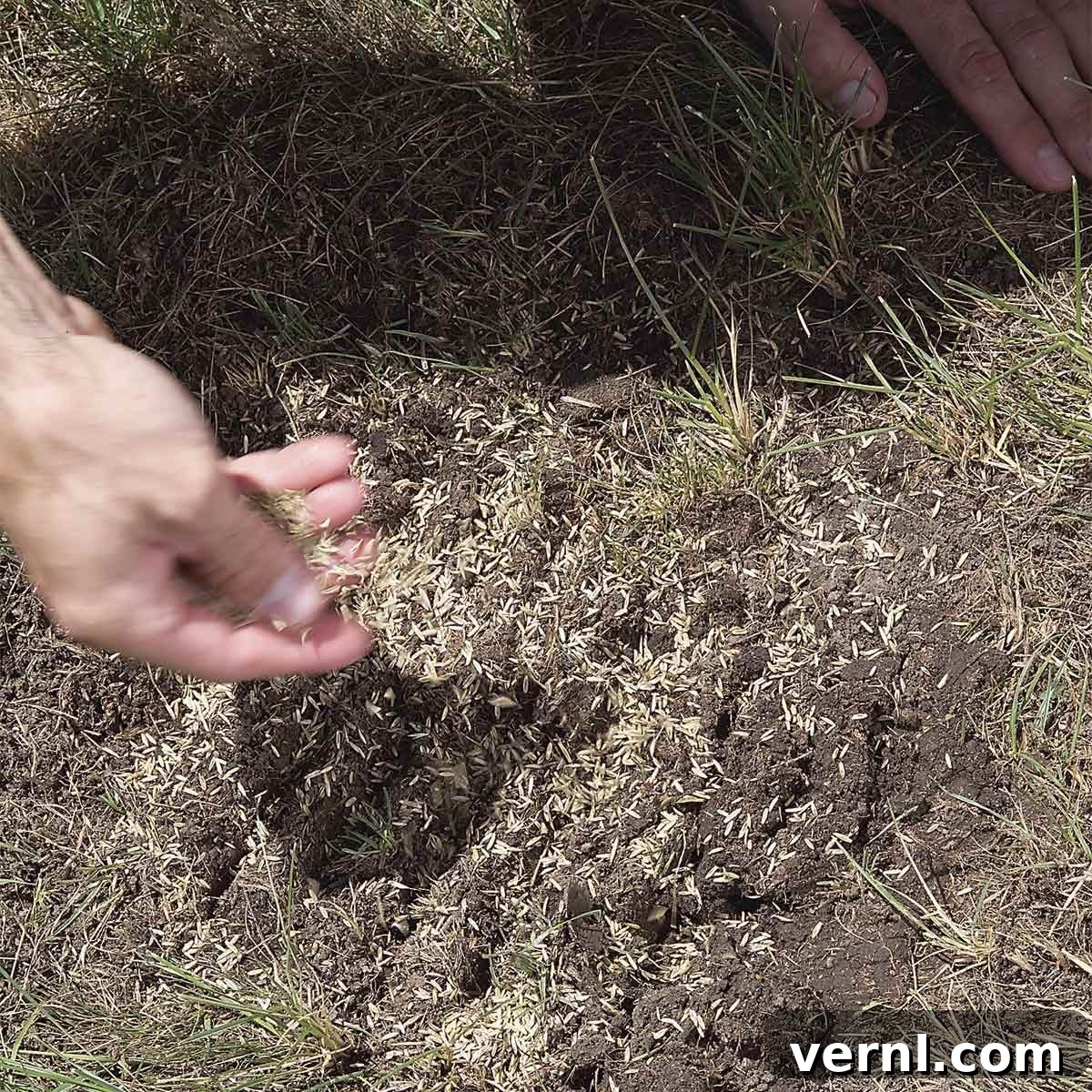
Even with the perfect timing and ideal weather conditions, all your efforts can be in vain if you overlook one of the most fundamental steps in lawn reseeding: proper soil preparation. A grave and common mistake many homeowners make is to simply toss grass seed onto bare, hard-packed ground. The harsh truth is that most of it won’t take root in such unforgiving conditions. Seeds need intimate contact with loose, nutrient-rich soil to germinate and establish successfully. Without proper preparation, your expensive grass seed is likely to dry out, be washed away, or simply fail to penetrate the compacted surface.
Effective soil preparation is the cornerstone of a thriving new lawn. Here’s a detailed approach to setting the stage for success:
- Thatch Removal: Begin by thoroughly inspecting your lawn for thatch – a dense layer of dead and living organic matter (stems, roots, leaves) that accumulates between the soil surface and the green grass blades. A thick layer of thatch can prevent water, nutrients, and air from reaching the soil, and it can harbor pests and diseases. Use a heavy-tine garden rake, a power rake, or a verticutter to aggressively remove this layer. While it might look messy initially, this step is crucial for exposing the soil and improving penetration.
- Soil Aeration (Highly Recommended): For severely compacted lawns or those with heavy foot traffic, consider aerating the soil before seeding. Core aeration involves using a machine to pull small plugs of soil from your lawn. This creates vital channels that allow air, water, and nutrients to penetrate deeper into the root zone, significantly improving drainage and promoting healthier root growth. It also helps alleviate compaction, creating a much more hospitable environment for new seeds.
- Scratch and Loosen the Surface: After dethatching and potentially aerating, use your heavy-tine garden rake or a specialized soil scarifier to vigorously scratch the surface of the soil. Aim to create shallow grooves and loosen the top quarter-inch to half-inch of soil. This rough surface provides an ideal bed for the seeds, allowing them to settle into the soil rather than just resting on top. Good seed-to-soil contact is paramount for germination.
- Amend the Soil (Optional but Beneficial): If your soil is particularly poor, sandy, or heavy clay, consider spreading a thin layer (about ¼ inch) of high-quality screened compost or enriched topsoil over the prepared surface. This amendment will introduce organic matter, improve soil structure, enhance moisture retention, and provide essential nutrients for your developing seedlings.
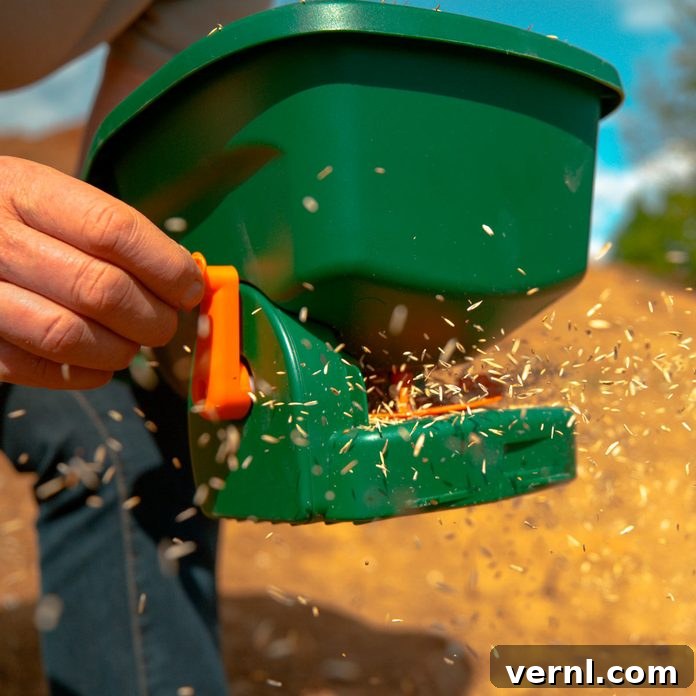
- Sowing the Seed: Once the soil is properly prepared, it’s time to sow the grass seed. For even coverage, use a broadcast spreader for larger areas or a hand-held spreader for smaller patches. Follow the manufacturer’s recommended seeding rates for your specific grass type. Apply the seed in two perpendicular passes (e.g., once north-south, once east-west) to ensure uniform distribution.
- Ensure Seed-to-Soil Contact: After sowing, lightly go over the seeded area with a lawn roller (a water-filled or weighted roller). This step is critical as it presses the seeds firmly into contact with the prepared soil. This direct contact ensures the seeds absorb the necessary moisture and nutrients for successful germination.
- Lightly Cover the Seed: To protect the newly sown seeds from drying out, washing away, or being eaten by birds, apply a very light dusting (about 1/8 to 1/4 inch) of peat moss, screened compost, or a specialized seed-starting mix over the entire area. This thin layer helps retain moisture around the seeds and provides a protective barrier without burying them too deeply.
Post-Seeding Care: Nurturing Your New Lawn to Fullness
The work doesn’t stop after the seeds are in the ground; the post-seeding care phase is arguably the most critical for successful establishment. Consistent and thoughtful maintenance during this period will dictate the density and health of your new lawn.
- Consistent Watering: This is the absolute key. For the first two to three weeks, or until the new grass is about 1 inch tall, the seeded area must be kept consistently moist. This means light watering several times a day (2-4 times, depending on temperature and sunlight) rather than deep, infrequent watering. The goal is to keep the top inch of soil damp without creating puddles or runoff that could wash away seeds. As the grass grows, you can gradually reduce the frequency and increase the depth of watering, encouraging deeper root growth.
- Minimize Traffic: New seedlings are incredibly fragile. Avoid walking, playing, or driving on the newly seeded areas for at least 3-4 weeks, or until the grass is well-established and sturdy enough to handle light traffic.
- First Mowing: Wait until the new grass reaches a height of about 3-4 inches before its first mow. Ensure your mower blades are sharp to make a clean cut and avoid tearing the delicate blades. Set your mower to its highest setting for the first few cuts, never removing more than one-third of the blade height at a time.
- Fertilization: About 4-6 weeks after germination, or once the new grass is actively growing, you can apply a “starter” fertilizer specifically formulated for new lawns. These fertilizers typically have a higher phosphorus content, which encourages strong root development. Avoid using weed-and-feed products, as the herbicide component can harm young seedlings.
- Weed Management: While fall seeding naturally reduces weed competition, some weeds may still emerge. Resist the urge to apply broadleaf herbicides to your new lawn, as they can severely damage or kill young grass. Hand-pulling visible weeds is the safest approach until your lawn is fully mature (typically after 2-3 mowings or several months).
By following these comprehensive steps, from choosing the right time to meticulous soil preparation and diligent post-seeding care, you can significantly increase your chances of transforming thin, patchy areas into a thick, vibrant, and resilient lawn that enhances your home’s curb appeal and provides a beautiful space for enjoyment for years to come. Fall truly offers the ideal conditions for giving your lawn the boost it needs to flourish.