Unraveling the Mystery: The Practicality and Aesthetics of Wall Plate Cable Pass-Throughs
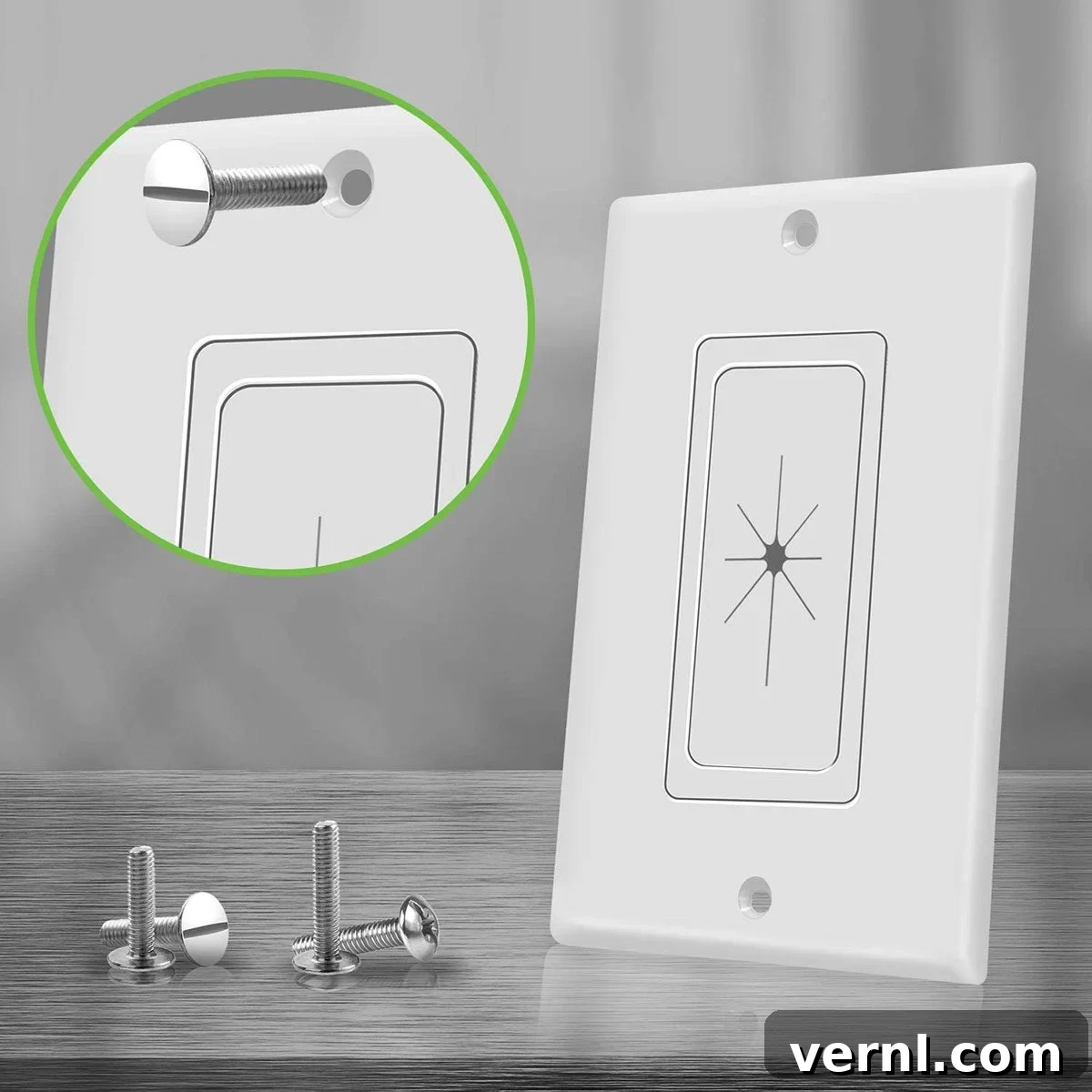
Old houses are treasure troves of unique architectural quirks and design elements, from an unexpected toilet tucked away in a basement corner to charming, antique push-button light switches. These strange and delightful details often spark curiosity, making residents wonder about their original purpose. Recently, a Reddit user, @KSI_SpacePeanut, stumbled upon one such intriguing feature in their new home in Oregon: a wall plate featuring a distinctive asterisk-shaped hole. Puzzled by its function, they shared a photograph of their discovery with the popular subreddit r/WhatIsThisThing, seeking collective wisdom. This article delves into the fascinating world of this handy house hardware, exploring its purpose, benefits, different varieties, and even how you can incorporate one into your own home for superior cable organization.
What Are Wall Plate Cable Pass-Throughs and Why Are They Essential for Modern Homes?
The online community swiftly and accurately identified the mysterious hardware as a wall plate cable pass-through. This specialized type of wall socket cover serves a straightforward yet incredibly valuable purpose: it facilitates the passage of wires through a wall, enabling a far more organized and aesthetically pleasing cable management system. In an age where homes are brimming with an ever-increasing array of electronic devices—from expansive flat-screen TVs and sophisticated home theater systems to gaming consoles, computers, and smart home hubs—the challenge of managing unsightly cables has become a common homeowner dilemma. Wall plate cable pass-throughs offer an elegant and effective solution to this modern problem.
The Mechanics of Seamless Cable Organization
These plates are typically crafted from flexible, durable materials such as rubber, silicone, or a series of brush bristles, designed to safely accommodate a variety of wires without pinching or damaging them. Most often, they are installed in pairs, allowing cables to enter the wall at one point, travel discreetly within the wall cavity, and emerge at another designated location. This setup is ideal for routing various types of low-voltage cables, including Ethernet for reliable internet connectivity, audio/visual cables (like HDMI and speaker wires) for immersive entertainment experiences, and power cords for devices that need to be plugged into an electrical outlet. Locating at least one wall cable pass-through near an existing electrical outlet is a common practice, ensuring that devices can be powered conveniently without exposing a tangle of wires.
Benefits Beyond Aesthetics: Why Good Cable Management Matters
The advantages of employing wall plate cable pass-throughs extend far beyond mere visual appeal. While a clean, clutter-free environment is undeniably more pleasant, these devices contribute significantly to both safety and functionality:
- Enhanced Aesthetics: The most obvious benefit is the dramatic improvement in your home’s appearance. Say goodbye to messy bundles of wires snaking across floors or dangling behind furniture, creating an eyesore. Wall pass-throughs enable a sleek, minimalist look, particularly beneficial for wall-mounted TVs, home offices, and entertainment centers.
- Improved Safety: Exposed cables are not just untidy; they can be a significant tripping hazard, especially in high-traffic areas. Furthermore, wires that are constantly bent, pinched, or stretched are more prone to damage, which can potentially lead to electrical shorts or even fire risks. By neatly enclosing wires within the wall, pass-throughs protect them from wear and tear, pets, and inquisitive children, reducing safety concerns.
- Cable Longevity: Properly managed cables are less likely to get kinked, twisted, or accidentally unplugged. This extends their lifespan, saving you the hassle and cost of frequent replacements.
- Reduced Dust Accumulation: Clumps of cables are notorious dust magnets. By minimizing exposed wiring, you reduce surfaces where dust can settle, making cleaning easier and potentially improving indoor air quality.
- Simplified Troubleshooting and Upgrades: When cables are neatly organized and routed, it’s much simpler to identify a specific wire if you need to troubleshoot a connection or upgrade a component. No more untangling a spaghetti bowl of wires!
Exploring the Different Types of Wall Plate Cable Pass-Throughs
The market offers a variety of wall plate cable pass-through designs, each catering to slightly different aesthetic preferences and functional requirements. Understanding these options can help you choose the best solution for your specific needs.
Asterisk-Shaped (Flexible Rubber) Pass-Throughs
The type discovered by the Reddit user, featuring an asterisk or star-shaped hole, is a popular choice. These often utilize a flexible rubber or silicone membrane that allows multiple cables to pass through while still sealing the opening to a degree. The pliable nature of the material ensures a snug fit around the cables, minimizing drafts and keeping dust out. They are excellent for scenarios where you need to run several cables of varying thicknesses through a single point. You can find asterisk-shaped versions like this one on Amazon, ideal for replicating the tidy look seen in the original post.
Brush Plate Pass-Throughs
Another highly versatile option is the brush plate. Instead of a rubber opening, these plates feature a dense array of fine bristles through which cables can be threaded. Brush plates are particularly effective at concealing the opening completely, as the bristles effectively hide the hole while still allowing for easy cable insertion and removal. They offer a very clean and professional finish and are great for larger bundles of cables or when you anticipate frequently adding or removing wires. Examples of wire-brush versions like this one are widely available and provide excellent cable concealment.
Single-Port or Grommet-Style Pass-Throughs
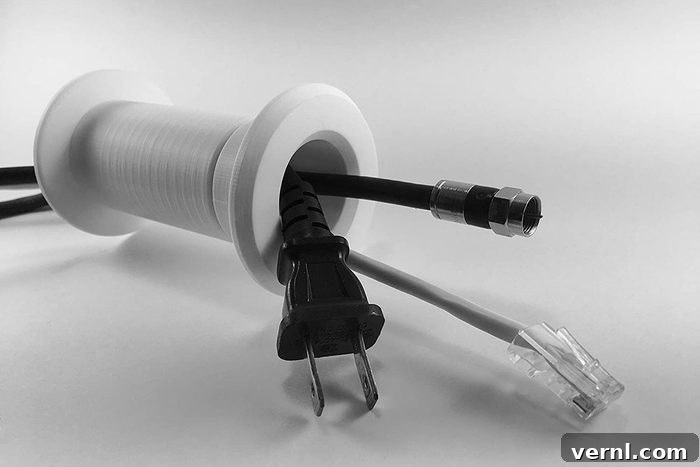
For a minimalist approach, single-port or grommet-style pass-throughs are perfect when only one or two cables need to be routed. These typically feature a smaller, more discrete opening, often with a soft rubber grommet that provides a clean finish and protects the cable edge from the wall material. They are ideal for situations where a single HDMI cable or a specific data cable needs to pass through the wall without drawing much attention. An even more discrete port like this offers a compact and unobtrusive solution.
Recessed Cable Plates and Boxes
For applications where plugs or connectors need to be flush with or recessed into the wall (e.g., behind a wall-mounted TV), recessed cable plates or boxes are an advanced solution. These create a pocket within the wall cavity, allowing for power outlets and low-voltage pass-throughs to sit deeper, ensuring that wall-mounted devices can sit as close to the wall as possible without protruding plugs. While more involved in installation, they offer the ultimate in sleek, professional integration for home entertainment setups.
Where to Find and How to Install Wall Plate Cable Pass-Throughs
Integrating wall plate cable pass-throughs into your home is a rewarding DIY project that significantly upgrades your living space. Fortunately, acquiring these essential home organization products is incredibly easy, with numerous options available online and at local hardware stores.
Purchasing Your Cable Pass-Throughs
As mentioned, online retailers like Amazon offer a vast selection of wall plate cable pass-throughs, catering to various styles and needs. Whether you’re looking for the popular asterisk-shaped version, a robust brush plate, or a simple single-port grommet, you’ll find numerous high-quality options. Consider the number and type of cables you plan to run, as well as the aesthetic you want to achieve, before making your purchase.
A Guide to DIY Installation
Once you’ve acquired your preferred wall plate cable pass-throughs, the installation process, while requiring a bit of careful planning, is well within the capabilities of most DIY enthusiasts. Our comprehensive guide on fishing wires through walls provides detailed, step-by-step instructions. Here’s a simplified overview of the typical installation process:
- Plan Your Route: Carefully determine the entry and exit points for your cables. Use a stud finder to ensure you’re not cutting into structural elements or existing electrical wiring. Always choose a location free of obstacles within the wall cavity.
- Mark and Cut the Opening: Trace the outline of your wall plate’s mounting bracket onto the wall. Using a drywall saw or rotary tool, carefully cut out the opening. Ensure clean edges for a professional finish.
- Fish the Wires: This is where a “fish tape” or “fish rod” becomes invaluable. Thread your cables through the wall cavity, starting from one opening and guiding them to the other. Patience is key here, especially for longer runs or insulated walls.
- Mount the Brackets and Plates: Once the cables are successfully routed, install the low-voltage mounting bracket into the wall opening. Then, feed your cables through the pass-through plate and secure the plate to the mounting bracket.
- Connect Your Devices: Finally, connect your neatly routed cables to your electronic devices, enjoying your newly organized and clutter-free space.
Important Safety Note: While routing low-voltage cables (Ethernet, HDMI, audio) is generally safe for DIYers, extreme caution must be exercised when dealing with high-voltage electrical wiring. If your project involves connecting to main power outlets or altering existing electrical circuits, it is strongly recommended to consult or hire a licensed electrician to ensure safety and compliance with local building codes. Always turn off power at the breaker before working near any electrical outlets or wiring.
When to Opt for a Blank Wall Plate
Conversely, there might be situations where you inherit a home with existing wall plate cable pass-throughs that you no longer need or desire. For instance, if you’ve reconfigured your living space and an old pass-through is now in an inconvenient or unnecessary location, you can easily replace it. Simply swap out the cable pass-through plate with a blank wall plate, such as this one. This not only restores a uniform look to your wall but also significantly enhances safety. An unused open cable pass-through can present a potential hazard, especially for curious children or pets who might insert objects or appendages into the opening. Replacing it with a blank plate eliminates this risk, providing peace of mind and a cleaner aesthetic, much like covering any unused outlets.
Conclusion: Embrace a Clutter-Free, Organized Home
The journey from a puzzling asterisk-shaped hole in the wall to a full understanding of wall plate cable pass-throughs reveals their indispensable role in modern home organization. These often-overlooked pieces of hardware are more than just functional components; they are key to creating a home environment that is not only visually appealing but also safer and more efficient. By embracing effective cable management solutions like these, you can transform chaotic wire tangles into streamlined connections, enhancing the overall functionality and enjoyment of your living spaces. Whether you’re setting up a new home theater, decluttering your home office, or simply aiming for a cleaner aesthetic, wall plate cable pass-throughs offer a simple yet profound upgrade, proving that even the smallest details can make a significant difference in home improvement.