
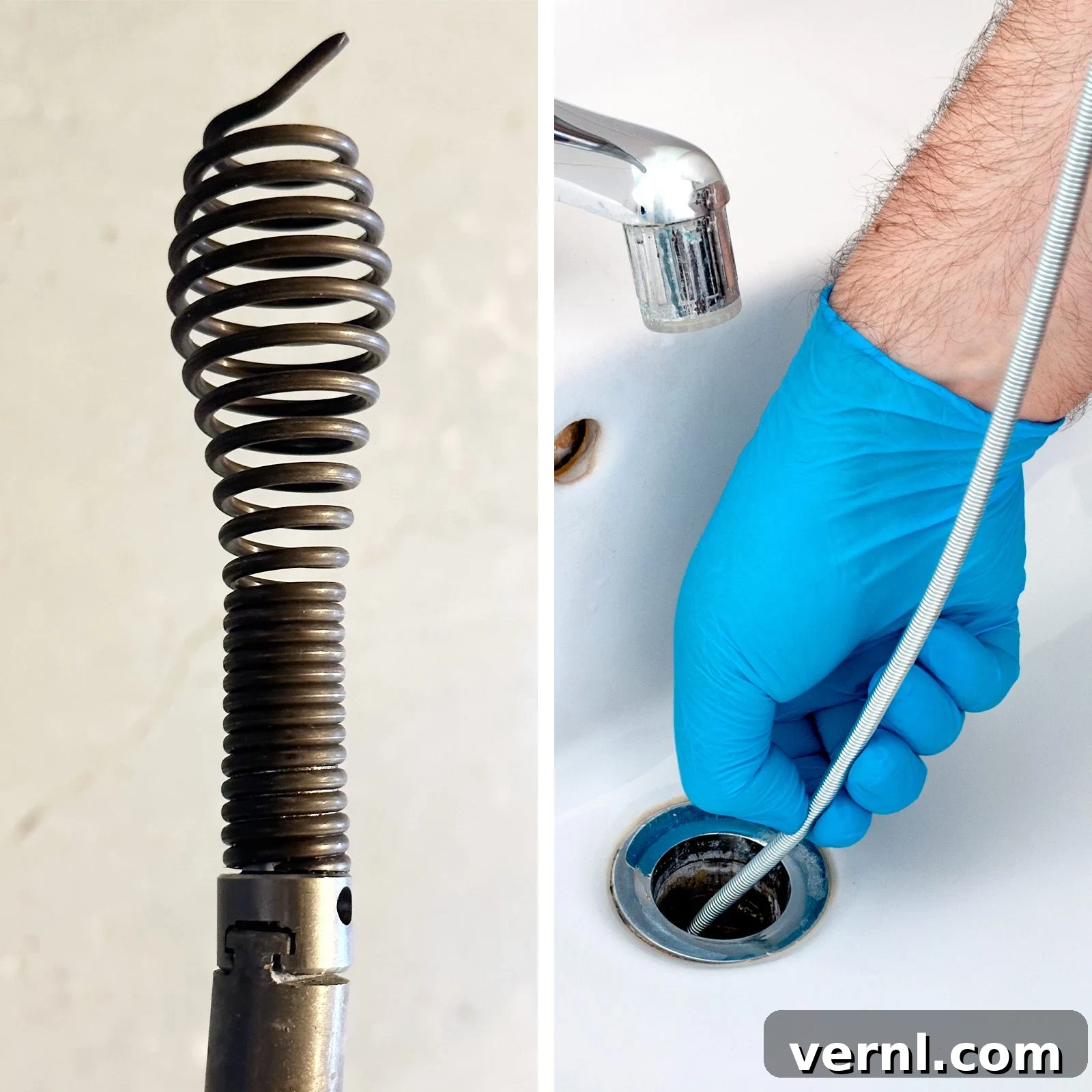
Toilet Auger vs. Drain Snake: Understanding the Key Differences for Effective Clog Removal
Many homeowners, and even some plumbing professionals, often use the terms “toilet auger” and “drain snake” interchangeably. However, these two essential plumbing tools are technically distinct, each designed for specific types of clogs and drain systems. Misusing them can not only prove ineffective but can also lead to costly damage to your plumbing fixtures, particularly your toilet.
To shed light on this crucial distinction and provide expert advice, we consulted Roy Barnes, who co-owns and operates Service Force Plumbing, a highly-rated plumbing and drain service based in Maryland. His team, including renowned snake specialist Tyler Pittenger, boasts nearly 400 five-star reviews on Google, a testament to their mastery of drain cleaning. As Barnes emphasizes, “Drain cleaning is something of an art, and many plumbers aren’t that good at it.” Pittenger, clearly, is an artist in this field.
Even seasoned pros like Barnes admit that the terminology can sometimes blur. He often defaults to “snake” as a general term, even when referring to an auger. His pragmatic view: “It doesn’t matter what you call it, as long as it works.” While this sentiment holds true for professionals who instinctively know which tool to grab, for homeowners, understanding the specific applications of each tool is paramount to preventing damage and achieving successful clog removal.
Barnes and Pittenger shared fascinating and cautionary tales from their extensive experience clearing drains, highlighting why the right tool for the right job is non-negotiable.
What is a Toilet Auger? The Specialized Tool for Toilet Clogs
A toilet auger, often called a closet auger, is a specialized type of drain snake meticulously designed for clearing blockages in toilets. Unlike general drain snakes, a toilet auger incorporates specific features to protect the delicate porcelain of your toilet bowl while effectively tackling clogs within its unique trap mechanism.
Its primary features include a sturdy, flexible metal cable, typically ranging from three to six feet in length, fitted with a spiral or corkscrew head at the working end. The handle often has a crank mechanism, which can be operated manually or sometimes adapted for use with a power drill for increased torque and efficiency. Crucially, a toilet auger almost always features a protective rubber or plastic sleeve over the part of the cable that extends into the toilet bowl. This sleeve acts as a crucial barrier, preventing the metal cable from scratching, chipping, or even cracking the porcelain during operation.
How a Toilet Auger Works
Operating a toilet auger is a straightforward process, but precision is key to avoid damage. To use it, you feed the auger’s curved end, encased in its protective sleeve, into the toilet drain opening. Gently push and rotate the crank handle, guiding the spiral head through the intricate bends of the toilet’s internal trap. You will typically encounter resistance as the head reaches the clog.
Once you feel resistance, continue to crank and gently push. The spiral head is designed to either bore through the obstruction, breaking it into smaller, manageable pieces that can be flushed away, or to hook onto the blockage, allowing you to pull it back out of the toilet. This hooking action is particularly effective for fibrous materials like paper products or even small objects that have been accidentally flushed.
Important Caution: While a toilet auger is designed to be gentle on porcelain, it’s not foolproof. The cable itself is relatively stiff compared to a standard drain snake. If you push an auger in too far, or with excessive force beyond the point it’s designed to go, the cable can exert significant pressure on the porcelain. This pressure can potentially lead to stress cracks, especially in older or poorly maintained fixtures. If you find yourself pushing deeper than a foot or two without success, and you’re meeting significant, unyielding resistance, it’s often wiser to stop and reassess, or consider calling a professional, rather than risking damage.
When to Use a Toilet Auger
A toilet auger is your go-to tool for toilet clogs that are located relatively close to the toilet’s waste inlet – essentially, within the toilet trap itself. Its robust and somewhat rigid design, combined with just enough flexibility, allows it to navigate the first and second bends within a toilet’s internal plumbing. This makes it exceptionally effective for:
- Common Household Clogs: Blockages caused by excessive toilet paper, hygiene products, or minor organic accumulations.
- Small Objects: Children’s toys, toothbrushes, or other small items accidentally flushed that are stuck within the initial bends of the toilet trap. Pittenger once famously cleared an entire Lego set from a toilet trap. Whether it went down all at once or piece-by-piece over time remains a mystery, he quips.
- When a Plunger Fails: If a standard toilet plunger doesn’t resolve the clog after several attempts, an auger is the logical next step before escalating to more invasive methods.
It’s crucial to distinguish the specialized toilet auger from the more powerful, longer sewer augers used by professionals. These heavy-duty machines can range from six to 100 feet long and are built to clear main sewer and waste lines up to three inches in diameter. “The pro snakes can be surprisingly powerful,” says Barnes. “They can catch and wind up your pants or your shirt in an instant and nearly flip you over, and I’m a big guy!” Clearly, you don’t need or want that kind of power for a typical toilet clog, which is why household toilet augers are much shorter and designed for gentler, hand or drill-assisted operation.
What is a Drain Snake? The Versatile Tool for Deeper Clogs
A drain snake, also commonly referred to as a plumbing snake or simply a “snake,” is a more general-purpose tool for clearing clogs in various household drains. While a toilet auger is a specific type of snake, a general drain snake typically features a much thinner and significantly more flexible cable, often ranging from 15 to 50 feet or even longer for professional models. This increased length and flexibility allow it to reach much deeper into drain lines beyond the immediate trap of a fixture.
If the cable is flexible enough to reach into a sink, shower, or bathtub drain, it’s likely a standard drain snake. While its primary design isn’t specifically for toilets, its flexibility means it can certainly be used to clear a toilet clog, especially if the blockage is situated further down the waste pipe, beyond the reach of a standard toilet auger.
How a Drain Snake Works
Unlike the singular spiral head of most toilet augers, the business end of a drain snake often comes equipped with various attachments, including bladed heads, corkscrews, or grappling hooks. When the crank handle is turned (either manually or by a motorized mechanism in professional models), these heads spin. This spinning action, combined with the pushing force, allows the snake to:
- Cut Through Obstructions: Blades are excellent for severing roots, grease buildup, or other solid blockages.
- Trap and Retrieve: Corkscrew or hook-like heads are highly effective at grabbing onto fibrous clogs like hair, paper products, or rags, allowing them to be pulled out of the drain.
- Break Up Buildup: The constant rotation can break down sludge, grease, and other soft blockages.
Professional service technicians like Tyler Pittenger often enhance the effectiveness of their snakes and augers by attaching miniature cameras to the ends of the cables. This allows them to visually inspect the interior of blocked pipes, accurately diagnose the nature and location of the clog, and ensure complete removal. Pittenger vividly recalls a time he was reconnoitering a mysteriously blocked drain. As the camera rounded a corner, he found himself “face-to-face with Thomas the Tank Engine, happily obstructing traffic.” These insights highlight the complexity that can arise in drain systems and the value of professional expertise.
When to Use a Drain Snake
The thin and highly flexible cable of a drain snake makes it the superior choice for clogs that are located deeper within your plumbing system, beyond the toilet’s immediate trap. You should consider using a drain snake when:
- Deep Toilet Clogs: If a toilet auger fails to clear a clog, it indicates the blockage is likely further down the main waste pipe connected to the toilet. A thinner, longer snake can reach these deeper obstructions.
- Multiple Fixture Backups: If not just your toilet, but also a nearby sink or shower is backing up, it suggests a blockage in a shared main drain line. A longer drain snake is essential for reaching these common points.
- Sink, Shower, or Bathtub Clogs: For hair clogs in showers, grease buildup in kitchen sinks, or general blockages in bathroom sinks, a drain snake is highly effective.
- Main Sewer Line Issues: For very stubborn or widespread blockages, especially those affecting multiple fixtures throughout the house, a heavy-duty, motorized drain snake (often called a sewer auger) is required, typically operated by a professional.
One cautionary note for homeowners is that using harsh chemical drain cleaners prior to snaking can weaken the plastic pipes and, ironically, the snake cables themselves. Barnes warns, “The chemicals weaken the snake cables so that eventually they are working on a job, and the cable just snaps.” This can leave part of the snake cable inside your drain, turning a simple clog into a much more complex and expensive repair.
Key Differences Between Toilet Augers and Drain Snakes
Understanding the fundamental distinctions between these two tools is crucial for any homeowner attempting DIY drain clearing. As Orange Coast Plumbing, a Santa Ana, California-based plumbing company, articulates, a toilet auger is designed specifically for toilets, while a standard drain snake offers broader utility. Here’s a comprehensive comparison:
Purpose and Design
- Toilet Auger: Exclusively designed for toilets. Its defining feature is a short, rigid shaft with a protective rubber sleeve to shield the toilet’s porcelain from scratches or cracks. The cable is generally shorter (3-6 feet) and sturdier, engineered to navigate the unique S-trap of a toilet.
- Drain Snake: A general-purpose tool for various drains, including sinks, tubs, showers, and deeper toilet clogs. It features a longer, thinner, and much more flexible cable (15-50+ feet) that can traverse longer distances and sharper bends in standard drain pipes.
Cable Length and Flexibility
- Toilet Auger: Shorter cable, limited reach, and relatively stiff. Designed to work within the confines of the toilet’s internal trap.
- Drain Snake: Significantly longer and more flexible cable, allowing it to reach much deeper into complex plumbing systems. This flexibility is vital for navigating multiple turns in longer drain lines.
Head Type and Effectiveness
- Toilet Auger: Typically features a single, spiral or corkscrew head optimized for pushing through soft clogs or snagging small, solid objects within the toilet trap.
- Drain Snake: Often comes with interchangeable heads (blades, corkscrews, retrieving hooks) to tackle a wider variety of clogs, from cutting through roots and grease to pulling out hair and rags.
Risk of Damage
- Toilet Auger: Relatively safer for toilets due to its protective sleeve and design for the toilet trap. However, excessive force can still crack porcelain if pushed too far.
- Drain Snake: While effective, a standard drain snake lacks the porcelain protection of an auger. Its thinner, unsleeved cable can easily scratch or damage the toilet bowl if not handled with extreme care when used in a toilet. It’s generally safer for pipes that aren’t exposed porcelain fixtures.
Ease of Use (DIY vs. Professional)
- Toilet Auger: Most homeowners can handle a toilet auger with relative ease and confidence, making it an excellent DIY tool for common toilet clogs.
- Drain Snake: Standard drain snakes, particularly the longer, motorized versions used for main lines, require more practice, skill, and care. Improper use can lead to the cable getting stuck, causing further damage to pipes, or even personal injury if it whips back unpredictably. This often warrants professional intervention.
When to Choose Which Tool: Making the Right Decision
Knowing which tool to grab can save you time, effort, and potential repair costs. Here’s a simple guide to help you decide:
Reach for the Toilet Auger When:
- Your toilet is the only fixture backing up.
- A plunger has failed to clear the clog.
- You suspect the clog is within the toilet bowl’s trap (e.g., excessive paper, a small toy).
- You want to protect your toilet’s porcelain surface.
Opt for a Drain Snake (or Call a Pro) When:
- A toilet auger has failed to clear the clog, indicating it’s deeper.
- Multiple fixtures (toilet, sink, shower) are backing up, suggesting a main drain line issue.
- The clog is in a sink, shower, or bathtub drain.
- You are dealing with recurring clogs, which might indicate a more serious problem like tree roots or significant pipe buildup.
- You are uncomfortable operating a longer, more powerful drain snake, especially a motorized one.
Beyond the Tools: Preventing Clogs for a Healthy Plumbing System
While having the right tools for clog removal is essential, prevention is always the best strategy. By adopting good habits, you can significantly reduce the frequency of blockages and extend the life of your plumbing system:
- Be Mindful of What You Flush: The only things that should be flushed down a toilet are human waste and toilet paper. Avoid “flushable” wipes (they aren’t truly flushable), paper towels, cotton balls, dental floss, feminine hygiene products, hair, and cat litter.
- Avoid Grease Down Drains: Never pour cooking grease or oil down any drain. It solidifies as it cools, creating sticky blockages that trap other debris.
- Use Drain Screens: Install drain screens in showers and bathtubs to catch hair and soap scum before they enter your pipes.
- Regular Maintenance: Periodically flush drains with hot water, and for kitchen sinks, a mixture of baking soda and vinegar can help break down minor grease buildup. Avoid chemical drain cleaners, as they can corrode pipes and are often less effective than mechanical methods.
By understanding the distinct roles of a toilet auger and a drain snake, and by practicing good drain hygiene, you can handle most minor clogs yourself and know when it’s time to call in the experts like Roy Barnes and Tyler Pittenger for those truly stubborn blockages.
FAQs: Your Quick Guide to Clog Removal
What is the best tool to unclog a toilet?
For most toilet clogs, a toilet auger is undeniably the best tool. It is specifically engineered to navigate the unique bends of a toilet bowl without causing damage to the porcelain. Its flexibility is sufficient to push through or pull out common blockages such as excessive toilet paper, hygiene products, or small objects. It provides the necessary mechanical force without the risk associated with less specialized tools.
What is the best way to unclog a toilet without professional help?
Start with the simplest method first: a high-quality toilet plunger. Ensure you get a good seal over the drain opening and plunge vigorously. If the plunger doesn’t resolve the issue after several attempts, your next step should be a toilet auger. Use it for obstructions near the waste inlet, following the instructions carefully to protect your toilet’s porcelain. If the auger still doesn’t clear the clog, implying the blockage is deeper in the main drain line, then a more flexible drain snake might be necessary – or, at this point, it’s often wise to consider calling a professional plumber. This type of DIY clog removal is just one of several plumbing fixes you can handle yourself with a few basic tools and a little know-how.
Is a toilet auger safer for toilets than a snake?
Generally, a dedicated toilet auger is considered safer for clearing toilet clogs than a standard drain snake. The key reason is its built-in protective sleeve, which prevents the metal cable from scratching or cracking the toilet’s porcelain surface. While a standard drain snake is more flexible, its bare metal cable poses a higher risk of damaging the delicate finish of the toilet bowl if not handled with extreme care. However, it’s important to remember that even a toilet auger, if pushed too far or with excessive force, can put undue pressure on the porcelain and potentially cause damage. Always use either tool with caution and never force it if you encounter significant, unyielding resistance.
About the Experts
- Roy Barnes co-owns and operates Service Force Plumbing in Rockville, Maryland with his partner Hendrik Vandepoll. His highly rated team of plumbers includes snake specialist Tyler Pittenger.
Sources
- Orange Coast Plumbing: “How to Use a Toilet Auger to Clear Stubborn Blockages”