
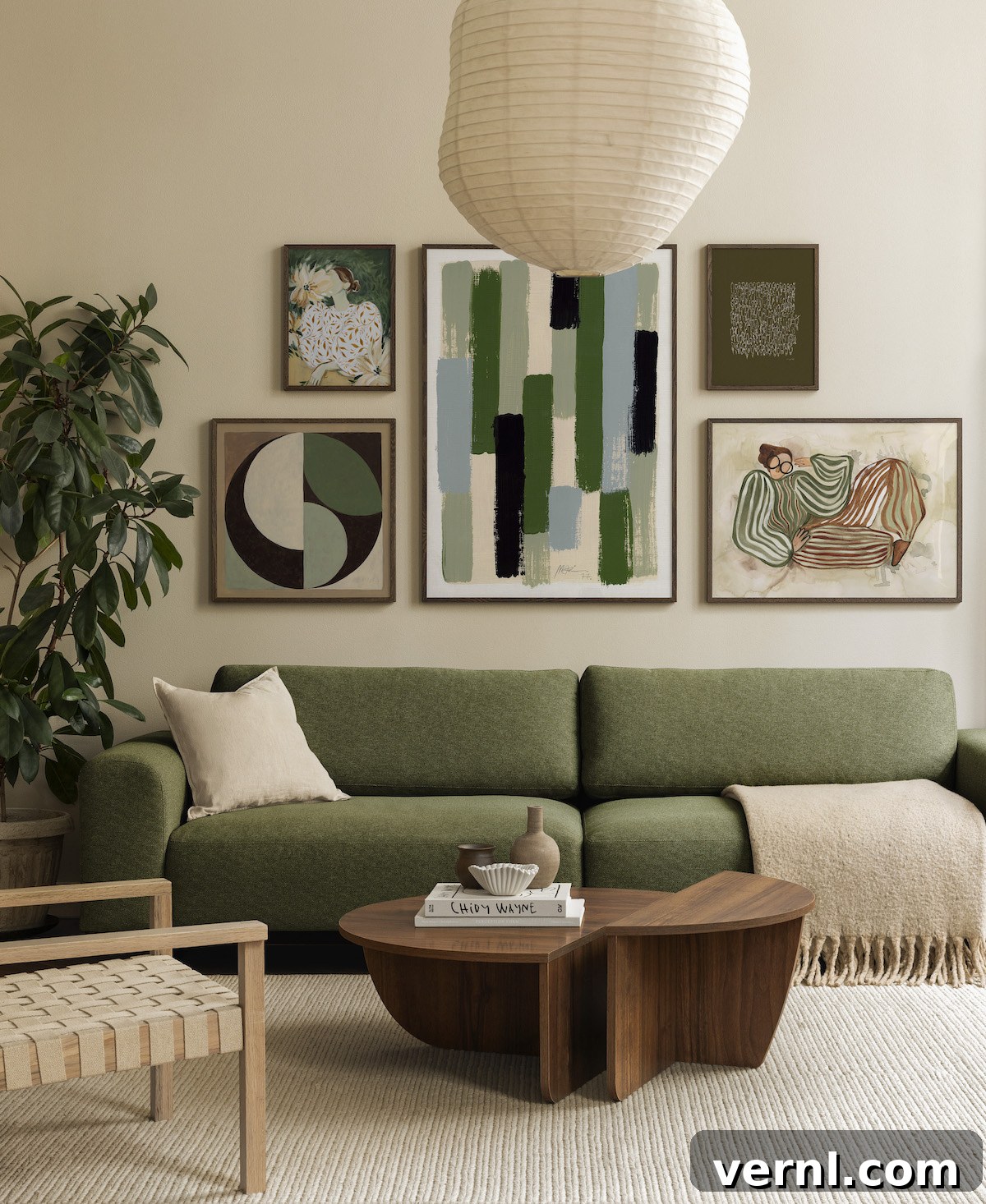
Designing a space that feels visually dynamic and welcoming often comes down to small, deliberate choices. One of the most effective and easy-to-use techniques in interior design is arranging décor in odd-numbered groupings—most commonly threes and fives. This approach, grounded in design theory and how our brains perceive balance and rhythm, can lift a room’s aesthetic and create a natural, engaging focal point.
Why Odd Numbers Work
Odd numbers have a subtle power when it comes to visual composition. When objects are grouped in threes or fives, the eye tends to move across them in a way that feels organic—a beginning, middle, and end—rather than halting at perfect symmetry. Even-numbered arrangements often read as formal and static because the brain seeks mirrored balance. Odd groupings avoid that predictability, introducing tension and movement that invite exploration.
This principle works because odd numbers create visual interest without chaos. A trio of items can provide variety and completeness, while five elements introduce a richer complexity that still reads as intentional. These groupings make displays feel thoughtfully curated rather than cluttered or contrived.
The Rule of Three
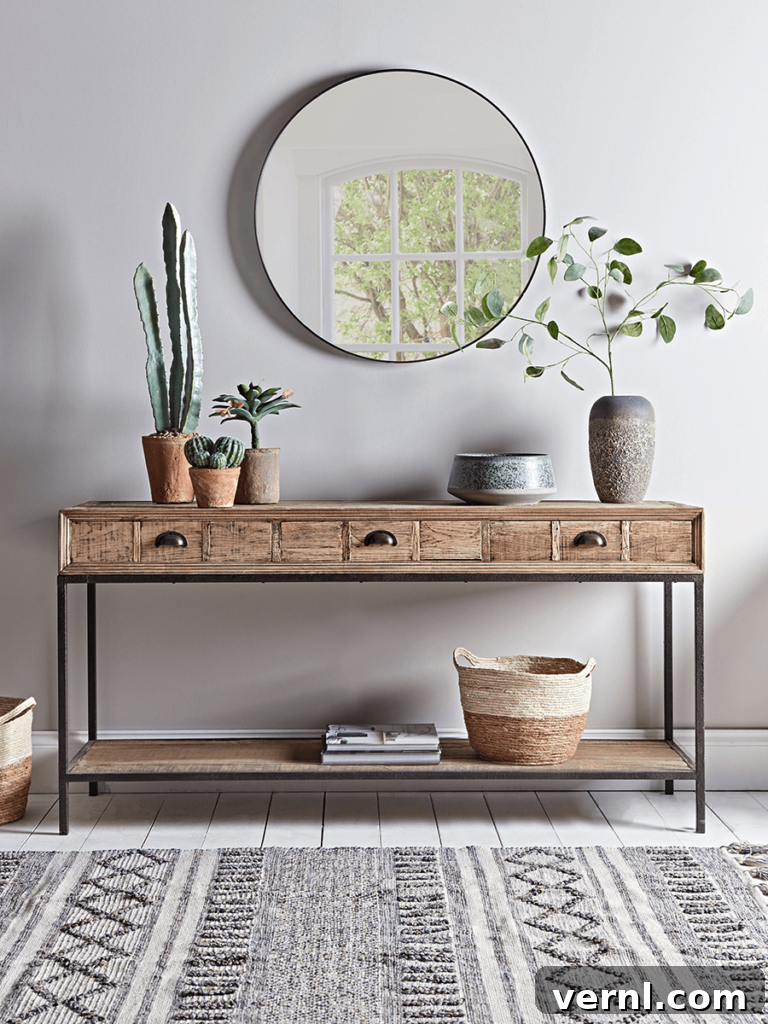
Three is the smallest odd number that delivers a satisfying sense of completeness. It provides enough variation to be interesting while remaining easy on the eye. The rule of three is highly versatile—it works on mantels, console tables, shelves, and sofas.
Practical examples of three-item groupings:
- A trio of vases or plant pots on a console table.
- Three books stacked with a decorative object on top.
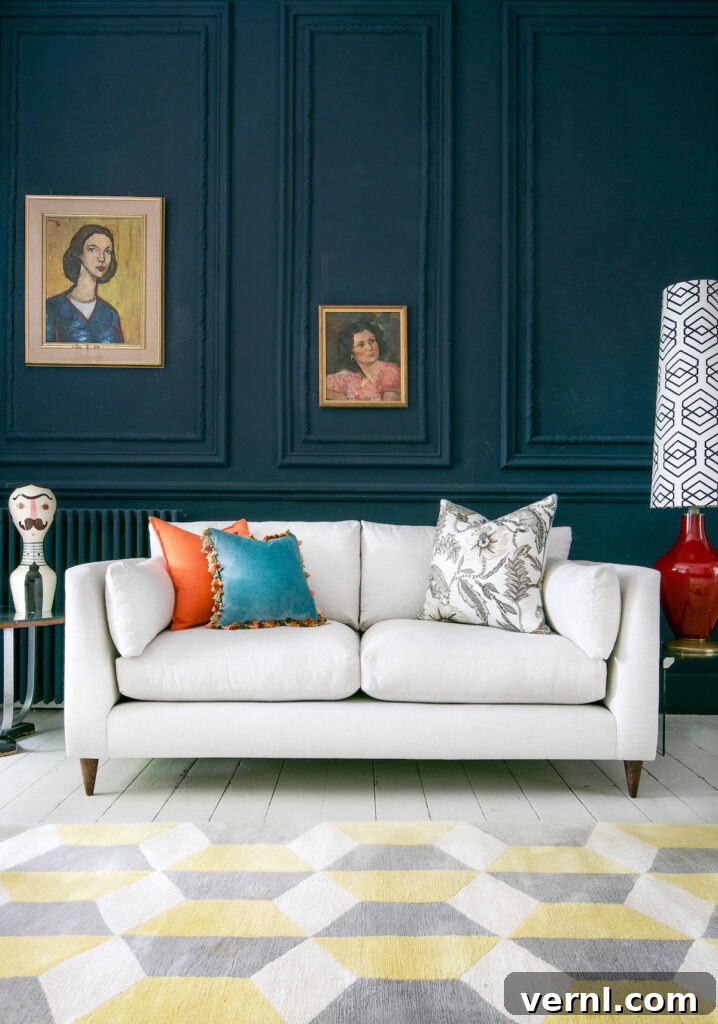
- A sofa styled with three throw cushions in differing patterns and textures.
The Rule of Five
Groups of five build on the energy of threes by adding complexity and visual rhythm. Five items can form a lively centerpiece or a layered display that draws attention without overwhelming the space. This number works especially well on coffee tables, shelving arrangements, and dining tables where you want a stronger focal point.
Examples of five-item arrangements:
- Five candlesticks of varying heights on a dining table.
- A bookshelf styled with five objects per shelf—books, framed art, and small sculptural pieces.
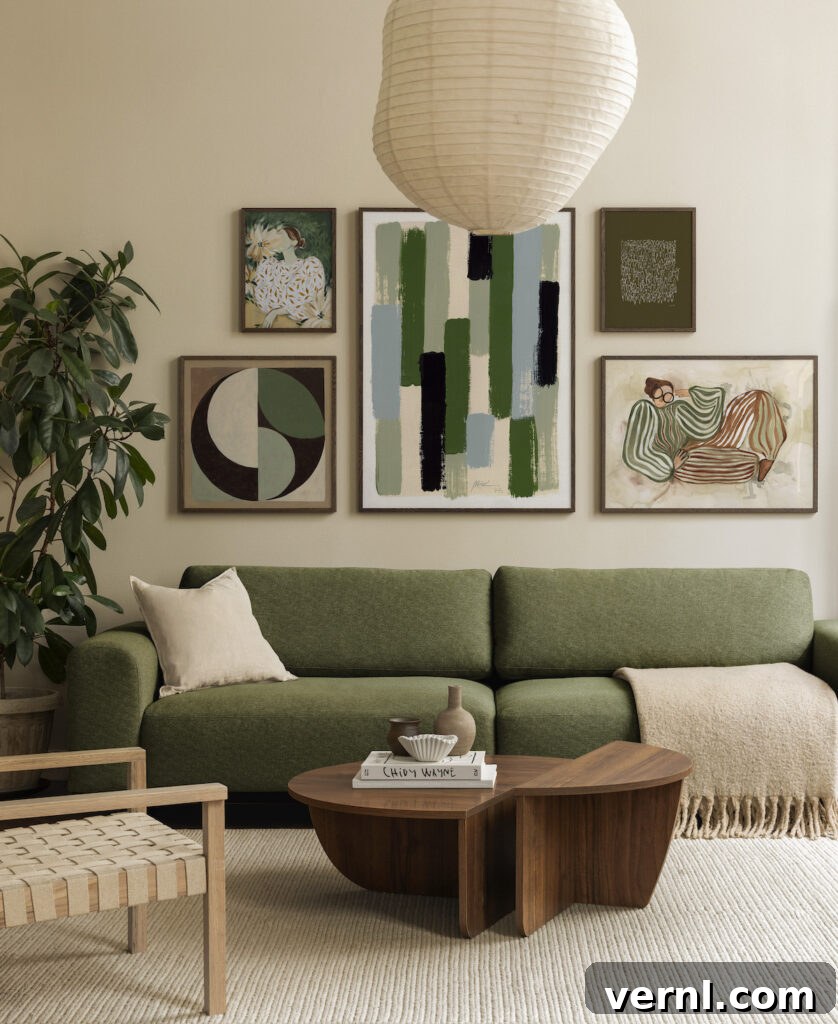
- A cluster of five picture frames on a gallery wall.
That slight imbalance created by odd groupings often reads as more natural and human—more alive than strict symmetry.
Tips for Styling in Odd Numbers
- Vary heights and sizes
- Mix tall, medium and small pieces to create depth. For example, pair a tall vase with a medium candle and a small sculpture in a group of three.
- Keep a cohesive theme
- Choose pieces that share a unifying element—color, material, or style—so the grouping reads as a considered composition rather than a random assortment.
- Layer items
- Place objects at different depths and slightly overlap where appropriate. A small item in front of a taller one adds visual intrigue and movement.
- Respect negative space
- Avoid crowding. Leaving air around groupings allows each piece to breathe and the arrangement to feel balanced.
- Test and adjust
- Try several configurations before settling. Move objects a few inches, swap items in and out, and observe what feels most natural.
Examples of Styling in Odd Numbers
- Coffee tables
- Create a triangular arrangement with a stack of three books, a decorative bowl, and a candle.
- Shelving
- Mix three decorative objects on one shelf and five on another to introduce variety and rhythm throughout the room.
- Dining tables
- Style a centrepiece of five candlesticks or a trio of vases to suit the table size and mood you want to set.
When to Break the Rule
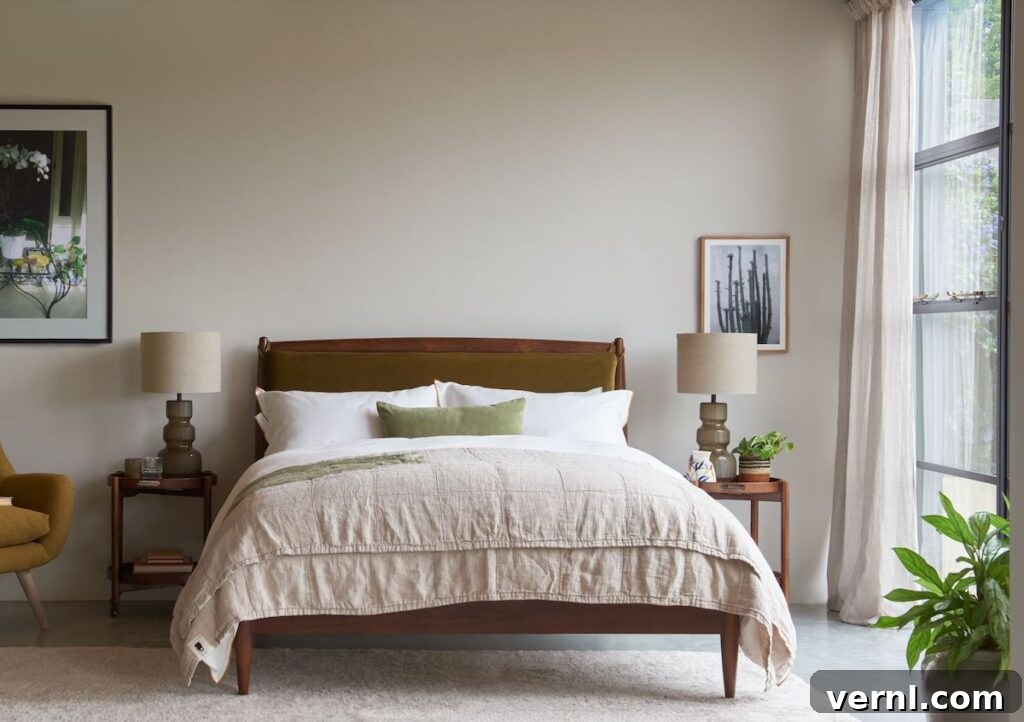
Odd-number groupings are a highly useful guideline, but they’re not a hard rule. Even numbers can be the right choice in symmetrical schemes—two matching lamps flanking a bed or sofa, for example, create calm, classic balance. The important point is to understand why odd groupings feel lively so you can choose intentionally when symmetry or repetition better serves your design goals.
Next time you style a shelf, coffee table, or gallery wall, experiment with threes and fives. Notice how these arrangements create subtle momentum and a sense of purposeful composition. Ultimately, successful styling blends observation, intuition, and a few simple principles—using odd numbers is one such timeless strategy that helps spaces look curated, warm, and inviting.