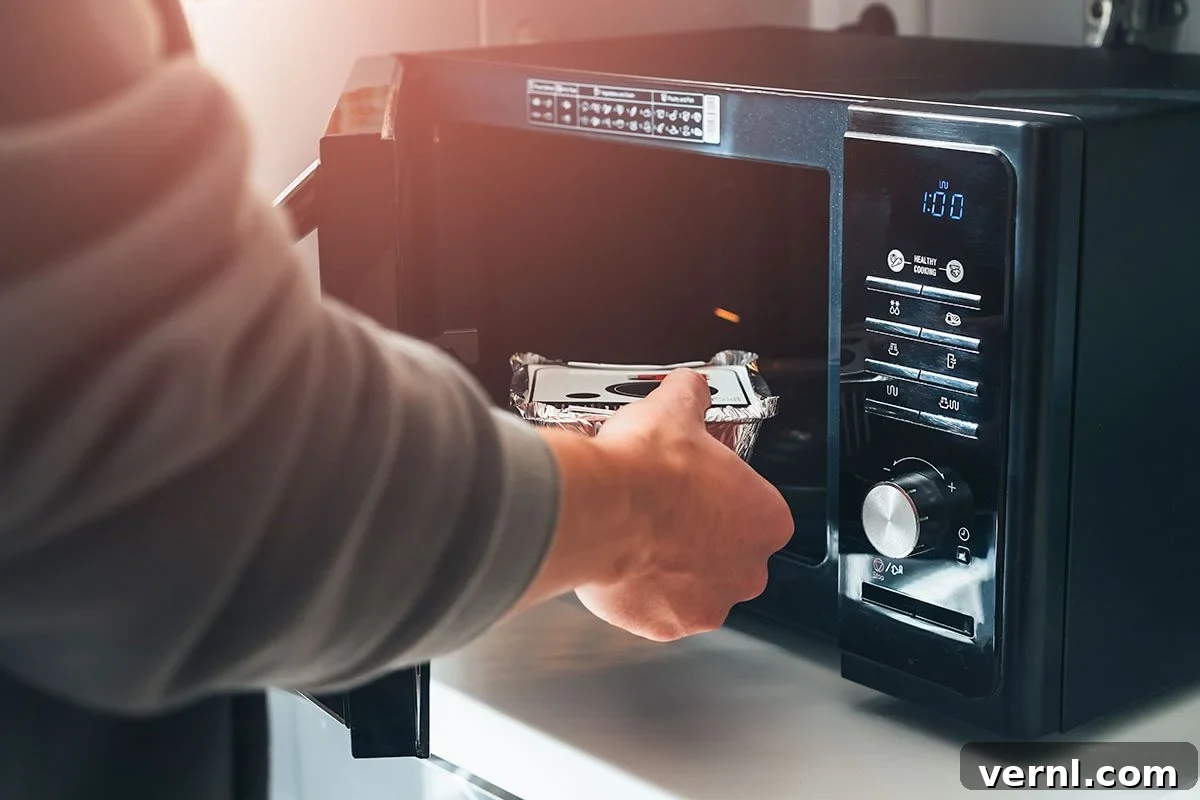
There’s a universal truth often learned the hard way in the kitchen: metal and microwaves don’t mix. The memorable spectacle of sparks flying from a spoon left in a soup bowl, or the terrifying sight of a dish towel bursting into flames due to a hidden metal thread, are vivid reminders of this crucial safety rule. These incidents, though startling, serve as potent lessons in understanding why certain materials are deemed microwave-safe and why others pose significant risks. While most of us are aware of the “no metal” rule, the science behind it, and the potential dangers involved, are often less understood. This comprehensive guide aims to demystify microwave safety, explaining the fundamental principles of how these ubiquitous kitchen appliances work, identifying materials you should never place inside, and highlighting the best practices for safe and efficient microwave use.
Why Can’t You Put Metal in the Microwave? Understanding the Science of Arcing
The core reason metal is incompatible with microwave ovens lies in the fundamental way these appliances operate. Microwaves generate electromagnetic waves, which are designed to penetrate food and excite its water molecules, thereby generating heat from within. Metal, however, behaves very differently when exposed to these waves. Instead of absorbing or allowing microwave energy to pass through, metal objects, including aluminum foil, bread ties, utensils, and even decorative trim on dishes, act as reflectors.
When microwaves strike metal, they are bounced back, creating a rapid build-up of electromagnetic energy. This concentrated energy seeks an escape route. If the metal object has sharp edges, points, or is thin enough, the electrons within the metal become highly agitated and accumulate at these points. This intense electrical charge can overcome the insulating properties of the air around the metal, leading to an electrical discharge. This phenomenon is known as “arcing,” and it manifests as the dramatic, often terrifying, blue or white sparks that dance around the metal. It’s akin to miniature lightning strikes occurring inside your microwave, a clear indication that something is going very wrong.
This rapid reflection and concentration of energy can also cause the metal itself to heat up very quickly, often to extreme temperatures, even without visible arcing. This intense heat is not only a danger to the metal item, potentially melting or deforming it, but also poses a significant risk to the microwave oven’s interior and, most critically, can ignite nearby flammable materials, leading to a fire. Understanding this basic principle – that metal reflects instead of absorbs microwave energy – is key to appreciating the severe risks involved.
What Happens If You Put Metal In the Microwave? A Cascade of Hazards
The moment metal is introduced into an active microwave, a series of concerning events typically unfolds, escalating in danger if the microwave is not immediately stopped. Initially, you’ll likely observe tiny, brilliant blue or white sparks, often dancing along the edges or pointed parts of the metal object. These are the first signs of arcing, accompanied by distinct auditory warnings.
A sharp popping or crackling sound, reminiscent of tiny firecrackers, will quickly follow the visual sparks. This noise indicates that electrical energy is discharging from the metal. As the process continues, a pungent odor will become noticeable – a burning smell that can be likened to scorched cloth, melted plastic, or even burnt electrical components. This smell is a critical indicator of material degradation and potential fire hazards. If ignored, gray smoke will begin to curl within the appliance, signaling that materials are actively combusting. Concurrently, you may hear a tense, high-pitched buzzing as the arcing intensifies, creating a continuous electrical discharge back and forth between the metal and the microwave’s interior.
The consequences of these events are manifold and severe. Firstly, the metal object itself will likely be damaged, possibly melting, warping, or becoming discolored. More critically, the microwave oven’s internal components can suffer irreversible damage, particularly the magnetron, which generates the microwaves. Repeated exposure to arcing can shorten the appliance’s lifespan or render it inoperable. Most dangerously, the intense heat and sparks can ignite food, paper products, plastic containers, or even the microwave’s internal lining, leading to a full-blown kitchen fire. Should you accidentally place metal in the microwave, the absolute immediate action is to stop the appliance. This can be done by pressing the stop/cancel button or, in an emergency, by unplugging it from the wall socket. Once stopped, allow the item to cool completely before touching it, and if a fire has started, keep the door closed to contain it and use a fire extinguisher if necessary, or evacuate and call emergency services.
What Makes Material Microwave Safe? The Permeable Principle
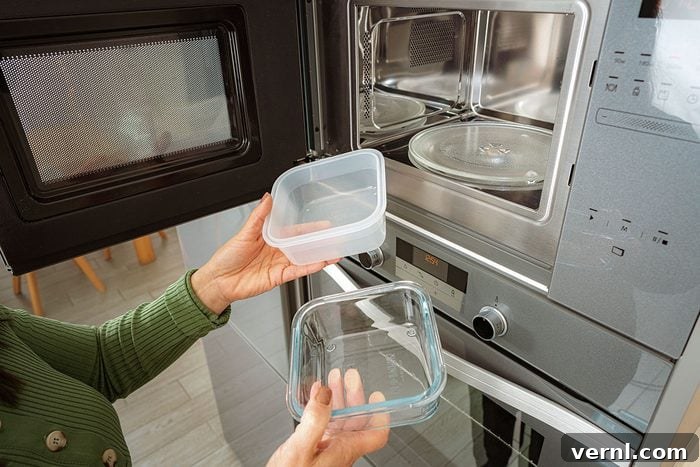
Understanding microwave-safe materials boils down to a simple principle: they must allow microwave energy to pass through them without absorbing or reflecting it. These materials effectively act as transparent conduits, directing the electromagnetic waves into your food while remaining cool and stable themselves. The most common and reliable microwave-safe materials include glass, ceramic, and specific types of plastic, as well as silicone.
The molecular structure of these materials does not interact with microwaves in a way that generates significant heat or causes arcing. Instead, the waves simply pass through, reaching the water molecules within the food, which then begin to vibrate and generate heat. This efficient transfer of energy ensures that your food cooks evenly and safely, without damaging the container or posing a risk to the appliance or your kitchen.
Conversely, materials that are NOT microwave-safe typically possess properties that either absorb microwaves, causing them to overheat and potentially melt or deform, or reflect them, leading to the dangerous arcing phenomenon. Materials like Styrofoam, for instance, can melt or warp at high temperatures, potentially leaching harmful chemicals into your food. Some plastics, particularly those not specifically labeled as microwave-safe, may also contain chemicals like BPA (Bisphenol A) or phthalates that can migrate into food when heated. Even some microwave-safe cookware, especially ceramic and glass, can still get very hot during the cooking process due to heat transfer from the food, so it’s always prudent to use oven mitts or heat-resistant gloves when handling bowls or plates immediately after microwaving.
Are There Any Microwave-Safe Metals? Understanding the Exceptions
While the general rule is to strictly avoid metal in microwaves, there are a few rare and specific exceptions. These exceptions are meticulously designed and engineered to interact with microwave energy differently than typical metal objects, thus preventing arcing and overheating. The most common examples include certain metal trays and racks that come specifically with your microwave oven.
These specialized metal components, such as the metal racks sometimes found in convection-microwave combo ovens, are typically made of thick, smooth, and rounded stainless steel. Their design is crucial: the absence of sharp edges and points minimizes the areas where electrical charges can concentrate and lead to arcing. Furthermore, their smooth, thick construction allows them to conduct heat away evenly, preventing localized overheating. Some metal trays, especially those designed for browning or crisping, are also engineered with specific alloys and coatings that make them compatible with microwave frequencies, sometimes even absorbing a small amount of energy to facilitate browning.
However, it is paramount to understand that these are highly specialized items. Thin metals, even those with slightly sharp edges, or any metal item not explicitly designed and supplied by the microwave manufacturer for microwave use, are unequivocally unsafe. Even with the designated microwave-safe metal racks and trays, it’s important to inspect them regularly. Any damage to protective finishes, dents, or sharp edges that develop over time can compromise their safety. Appliance experts like Glenn Lewis from Mr. Appliance strongly advise a conservative approach: “When possible, it is best to just keep all metals out of your microwave and avoid the potential of damaging the utensil or pan and the microwave.” This general caution serves as the safest guideline for all users, minimizing any risk of accidental damage or fire.
Best Microwave-Safe Materials for Optimal and Safe Cooking
Choosing the right containers is essential for both the safety of your microwave and the quality of your food. Here are the most reliable and effective materials to use for microwaving:
- Tempered Glass: This is arguably one of the safest and most versatile options. Tempered glass, like Pyrex or Anchor Hocking, is designed to withstand extreme temperature changes without cracking or shattering. Its non-porous surface means it won’t absorb food odors or stains, and it’s chemically inert, ensuring no harmful substances leach into your food. A significant benefit is its clarity, allowing you to visually monitor your food as it cooks, preventing overcooking or boil-overs. It’s excellent for reheating, cooking, and even baking in a microwave.
- Ceramic or Stoneware: Bowls, plates, and mugs made from ceramic or stoneware are excellent choices, provided they are unadorned and not cracked or chipped. These materials typically hold heat exceptionally well, which means your food will stay warmer for longer after removal from the microwave. Always check for a “microwave-safe” label, as some ceramic items, especially decorative ones, may contain glazes or paints with metallic components that are not safe. Ensure they don’t have gold, silver, or metallic trim.
- Microwave-Safe Plastic: Not all plastics are created equal. Only use plastics explicitly labeled with a “microwave-safe” symbol, which often looks like a wavy line or three arrows forming a triangle with a number inside (usually 5, indicating polypropylene). These plastics are manufactured from resins designed to withstand microwave temperatures without melting or leaching harmful chemicals like BPA or phthalates into food. They are lightweight, durable, and often come with lids, making them convenient for storage and reheating. Always avoid single-use plastic containers, like those from takeout meals, as they are not designed for reheating and can melt or deform.
- Silicone: Gaining popularity, silicone cookware is highly versatile and microwave-safe. It’s incredibly flexible, non-stick, and can withstand a wide range of temperatures, making it suitable for moving directly from the microwave to the freezer or oven. Silicone molds, baking mats, and storage containers are excellent for cooking small portions or specific shapes. Its non-reactive nature ensures no chemicals will transfer to your food.
- Parchment Paper and Wax Paper: These are ideal for covering food in the microwave to prevent splattering and to help steam foods. They allow steam to escape while keeping your microwave clean. However, they are not suitable for cooking food directly on them or for prolonged heating, and they should not be confused with aluminum foil. Always ensure they don’t touch the sides of the microwave during cooking.
When in doubt, always err on the side of caution. As a general rule, avoid reheating food in its original takeout container unless it specifically states “microwave-safe.” Instead, transfer your food to a certified microwave-safe bowl or plate to protect your health and your appliance. It is vital to your health to steer clear of any plastics that aren’t labeled microwave-safe, especially considering potential chemical migration into your food.
Frequently Asked Questions About Microwave Safety and Usage
How does a microwave oven work?
A microwave oven is a sophisticated appliance designed to rapidly heat food through electromagnetic radiation. At its heart is a component called a magnetron, which generates high-frequency electromagnetic waves, specifically microwaves. These waves are channeled into the oven’s cooking chamber, often with the aid of a stirrer fan to distribute them evenly. When these microwaves encounter food, they primarily interact with water molecules. Water molecules are polar, meaning they have a slight positive charge on one side and a slight negative charge on the other. The rapidly oscillating electric field of the microwaves causes these water molecules to rotate back and forth at incredibly high speeds – millions of times per second. This rapid rotation creates friction between the vibrating molecules, which is then converted into kinetic energy and perceived as heat. This heat then transfers to other molecules in the food, effectively warming it from the inside out. The invention itself was discovered by accident by Percy Spencer in 1945 as scientists were experimenting with radar technology.
Are all foods microwave safe? What foods should I avoid?
No, not all foods are suitable for microwaving, and some can even pose a safety hazard or create an unpleasant mess. Here’s a list of foods to approach with caution or avoid entirely:
- Whole Eggs (in shell): Microwaving whole eggs in their shell is a definite no-go. The rapid heating of the water inside the egg creates steam pressure that has nowhere to escape. This pressure builds up quickly, causing the egg to explode violently, either inside the microwave or, more dangerously, after you take it out.
- Grapes: While seemingly harmless, grapes (and other similar fruit like blueberries) can spark and even create plasma when microwaved. This occurs because the microwaves can ionize the electrolytes and water within the grape, creating a concentrated electric field that leads to intense arcing and sometimes a small fireball of plasma.
- Thick-Skinned Vegetables (like potatoes, squash, hot dogs): Vegetables with thick skins, such as potatoes, sweet potatoes, and whole squash, need to be pricked or poked multiple times with a fork before microwaving. Similar to eggs, steam can build up under the skin, leading to an explosive mess. For hot dogs, their casings and high concentration of salt and other additives can also lead to pressure buildup and bursting.
- Carrots: Microwaving carrots can sometimes lead to arcing. This is particularly true if the carrots are very fresh, have a high moisture content, or if the microwave has older components. The minerals within carrots, particularly iron and magnesium, can sometimes behave like tiny metallic particles, interacting with microwaves to create sparks.
- Hot Peppers: Microwaving hot peppers can be dangerous. The capsaicin, the chemical compound responsible for their heat, can become aerosolized and concentrated in the microwave’s sealed environment. When you open the door, this concentrated capsaicin can hit your eyes and throat, causing severe irritation, coughing, and difficulty breathing.
- Processed Meats (e.g., hot dogs, some deli meats): While appliance repair expert Matthew Morrison notes he has microwaved hot dogs many times without visible damage, their high salt content and other additives can react unpredictably. In some cases, they can heat unevenly or, as mentioned, burst due to steam buildup in casings. The health implications of microwaving certain processed meats and the formation of potential byproducts are also a consideration for some.
- Empty Microwave: Never run your microwave empty. Without any food or liquid to absorb the microwaves, the energy reflects off the internal walls and can bounce back to the magnetron, causing it to overheat and potentially burn out, leading to costly repairs or complete failure of the appliance.
When in doubt about a specific food or container, always check your microwave’s manufacturer’s recommendations for specifics about your model. There are also many great microwave cookbooks on the market that can be helpful resources for safe and effective cooking practices.
How can I tell if a dish is microwave safe?
If a dish isn’t explicitly labeled “microwave safe,” you can perform a simple test: Place the empty dish in the microwave alongside a separate microwave-safe cup filled with water. Microwave on high for one minute. If the dish remains cool to the touch while the water in the cup is hot, it’s generally considered microwave-safe. If the dish becomes warm or hot, it’s absorbing microwave energy and should not be used. If it shows any signs of sparking, remove it immediately.
What are common microwave myths?
Several myths surround microwave ovens. One common myth is that microwaves cook food from the “inside out.” While microwaves penetrate food to a certain depth (typically about 1 inch), heat is generated throughout that depth, not just from a single central point. Another myth is that microwaves cause cancer or make food radioactive. This is false; microwaves are a form of non-ionizing radiation, meaning they don’t alter the molecular structure of food to make it radioactive or cause DNA damage in the way X-rays or gamma rays do. Once the microwave is turned off, the waves cease to exist. Lastly, the idea that a microwave cooks food instantly is also a myth; while fast, the cooking process still takes time for heat to transfer throughout the food.
About the Experts
- Maricel Gentile is a celebrated chef and acclaimed cooking author. She is the proprietor of Maricel’s Kitchen, a popular cooking class destination located in East Brunswick, New Jersey, where she shares her culinary expertise and passion for cooking.
- Matthew Morrison is a highly experienced appliance repair expert, offering his knowledge on JustAnswer, a leading expert on-demand platform. His extensive background includes two decades as an appliance technician with Sears and GE factory service, complemented by his prior service as a ground equipment mechanic in the Air Force.
- Glenn Lewis holds the position of President at Mr. Appliance, a prominent appliance repair franchise and a Neighborly company. He is primarily responsible for the strategic leadership and continued growth of Mr. Appliance across both the United States and Canada.